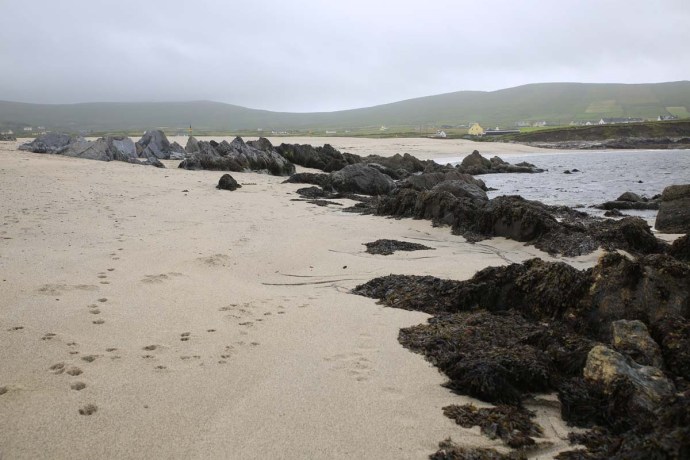
Posts Tagged With: views

Giant Steps

Giants CausewY pAnorama 1

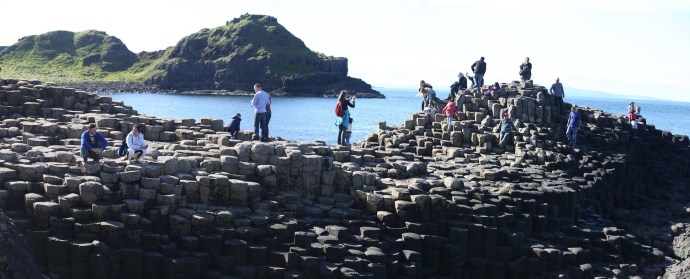
The Giant’s Causeway is on every visitor’s must see list on the island of Ireland. For lots of different reasons. It’s a beautiful place on a beautiful coast, It has mystery and mystique. It is intriguing and enigmatic. That’s why over a million people a year visit.

It is located in Northern Ireland in a part of Antrim known as The Causeway Coast.  I have been there twice in the past year – in January 2017 in the depth of winter and in September. Both times I was gifted with marvellous weather.

For me as a geologist it was like worshipping at a holy shrine. So I thought I would put together a few of my observations from the two trips.  Apologies if this is too dry for you but you can skip the words and just look at the pictures.

So what are we talking about here?

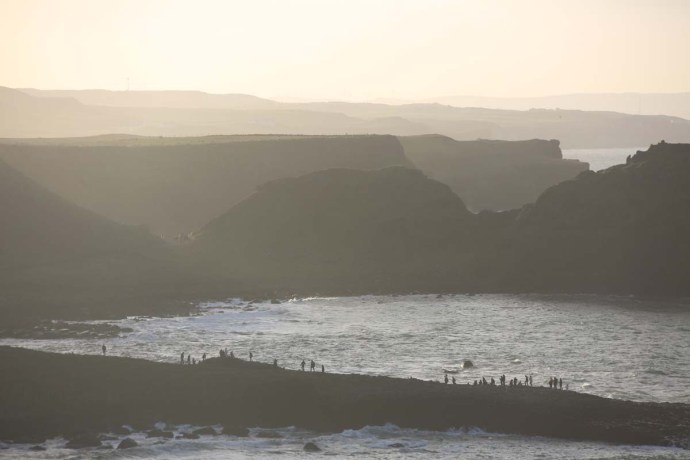
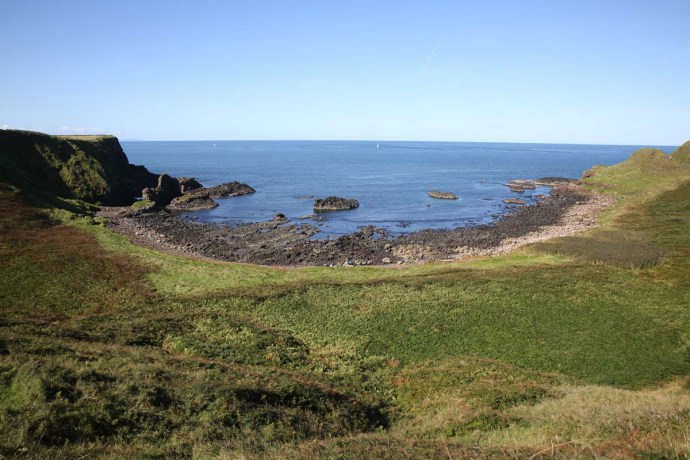
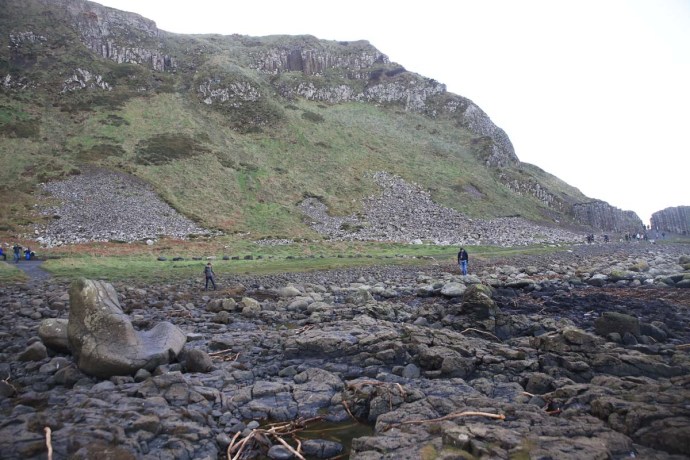
The Causeway is part of an extensive coastline exposing thick basalt flows.  The scenery is nothing short of spectacular with sweeping bays and jagged cliffs stretching as far as the eye can see.


IG3C1241

The Causeway Coast looking west with Giant’s Causeway in the foreground.  

IG3C1248

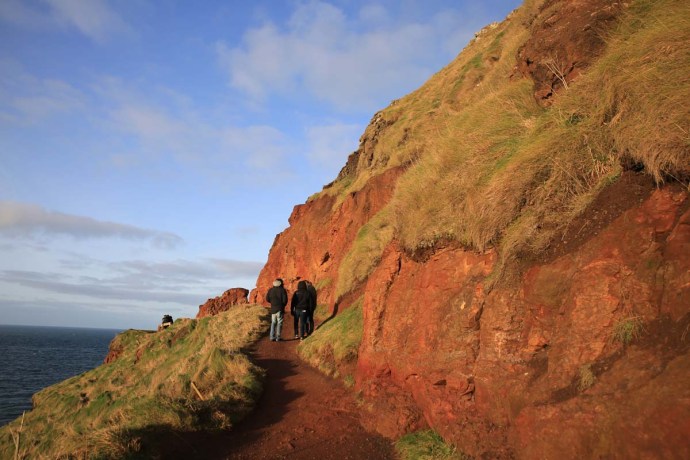
The coastal path from the Causeway to the Chimney Tops past the Organ Pipes

IG3C1423a

View west showing Causeway and Chimney Tops in the distance.

IG3C9835

Giant’s Causeway is on the right and the Camel Rock on the left.


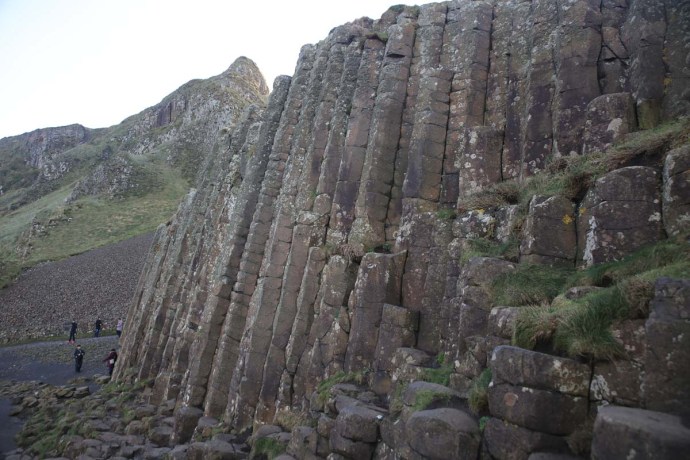
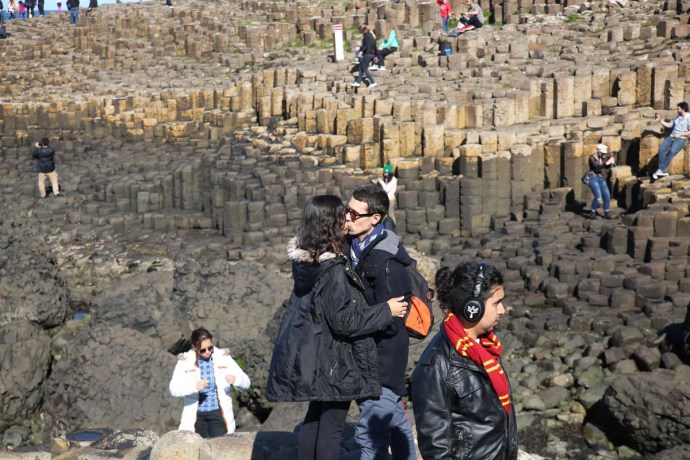
The Giant’s Causeway is most famous for the spectacular columns, or more correctly ‘columnar jointing’ in the basalt. The origin of the columns has historically caused all sorts of consternation. Our forebears did not believe such regular shapes could be created naturally. So if it wasn’t the work of the Almighty then it must have been Finn McCool. Hence the legend of the Irish Giant constructing the causeway to engage with his counterpart in Scotland, Fin Gall.


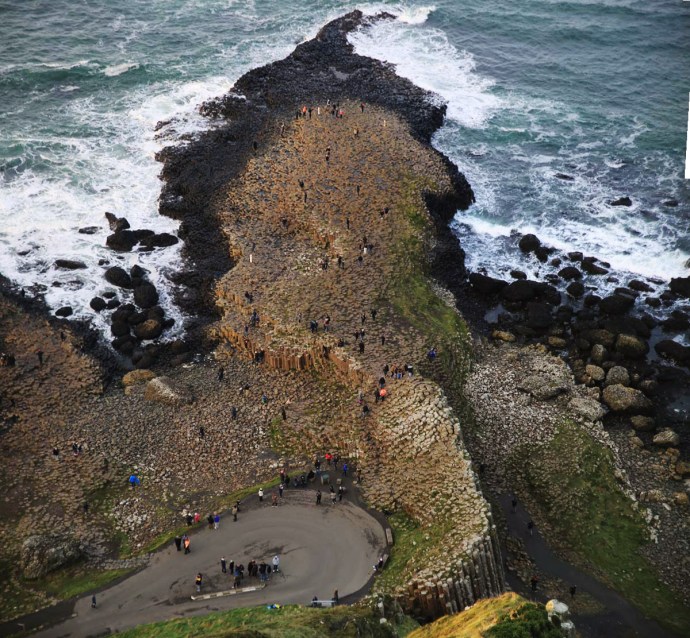
Giants Causeway 3

View from the clifftop down onto the Causeway.


IG3C9907IG3C9903IG3C9882

IG3C0976IG3C0961

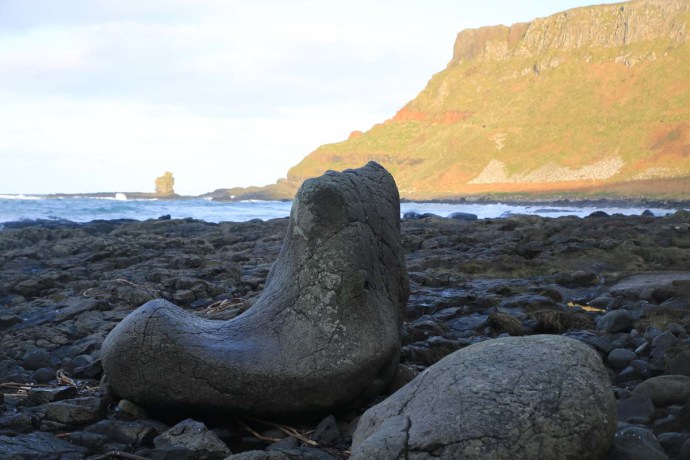
And he left evidence didn’t he? In his haste to get back to Ireland and escape from his giant nemesis, Finn McCool lost a boot which remains to this day adjacent to the Causeway. There is a more prosaic explanation and I’ll return to this later.


IG3C1038

The Giant’s Boot


The Causeway came to the attention of Science however in the late 17th century and right through the 18th century it was the focus of intense debate as to its origin. Geological science was then in its infancy. Two intensely opposed schools of thought developed. The Vulcanists, who believed the columns were basalt solidified from lava and the Neptunists who said that all rocks including basalt were sedimentary and formed in a great ocean. The Giants Causeway was at the centre of this debate. So it is one of the most significant places in the history of the geological sciences. That debate has long since been resolved in favour of the Vulcanists

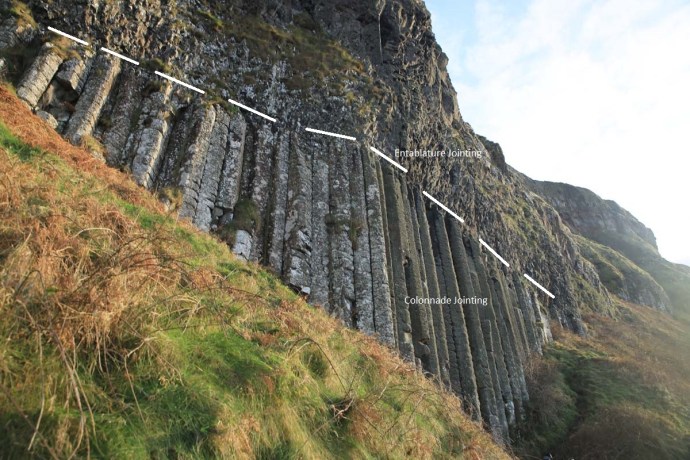
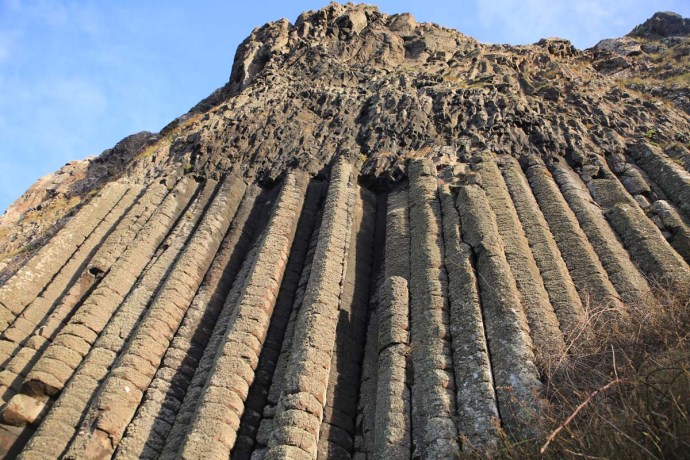
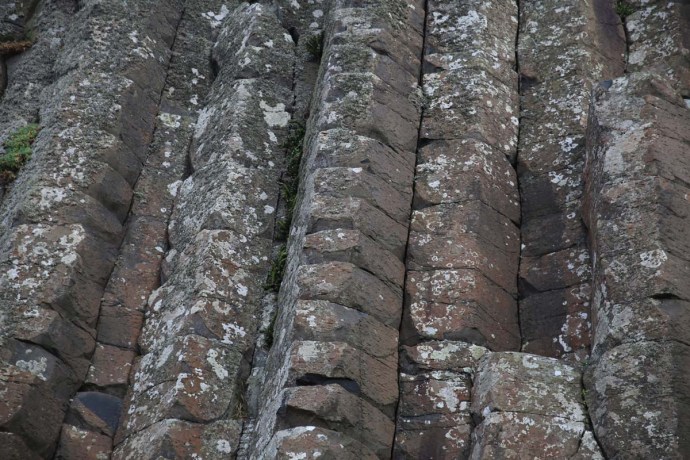
We now know, however, that the columns are caused by cooling cracks that developed at the bottom of a lava flow where it was in contact with the cooler rock beneath. As the lava continued to cool these cracks slowly propagated up creating regular, generally six-sided (though they can have from three to seven sides), columns. These regular columns are called colonnades. The hexagonal shapes are caused by the joints tending to be at 120º to each other. At the exposed tops of the flows cooling was more rapid where there was contact with air and water, so the jointing was irregular and blocky. This type of jointing is called entablature. You can see this very clearly in many places especially at the, so called, Organ Pipes


IG3C0876

Regular hexagonal columns

IG3C0947a

Columns with 4, 5, 6 or 7 sides.

IG3C1130a

Columnar jointing


IG3C1117

Spectacular columns at the Organ Pipes

If you look closer at the columns you will see that in addition to the regular vertical joints that create the columns there is also another set of sub horizontal joints which slices each column into regular segments. These were created by the release of stress during contraction within the columns.


IG3C0989

Horizontal jointing


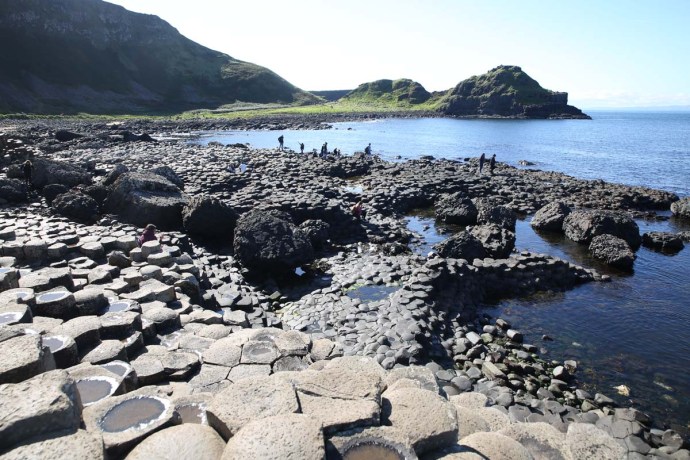
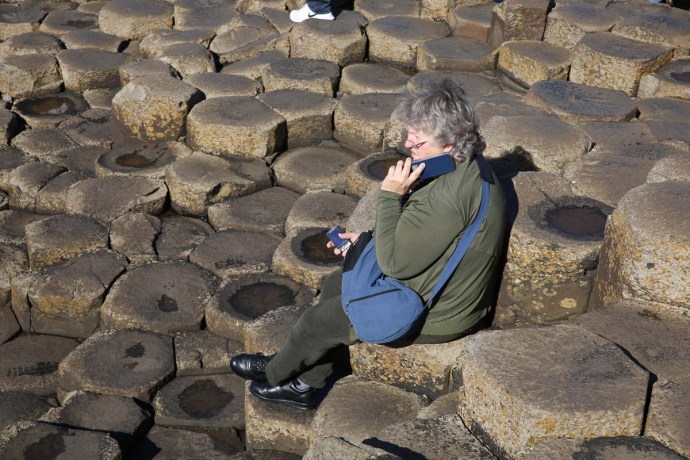
The really intriguing thing is that when these columns break along thee horizontal joints to form the rock platforms they are in fact ont horizontal.  Usually they are either  beautifully concave or convex and the segments fit perfectly together in a ball and socket arrangement. The concave joints are easily spotted on the rock platform as they retain pools of water.


IG3C9908

IG3C9880

Detail of column surfaces.  water collects on convex surfaces


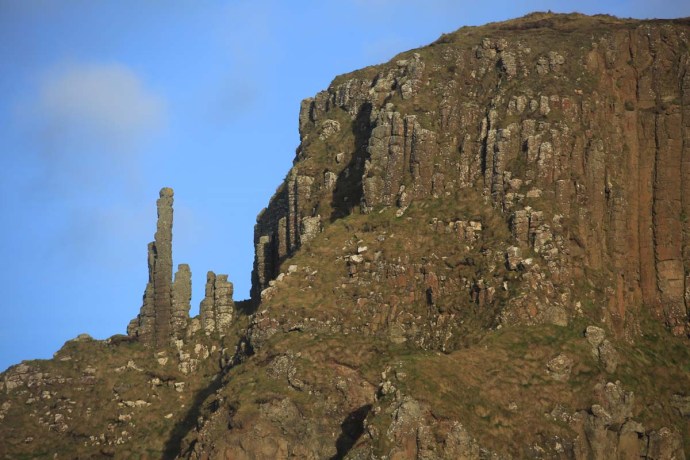
The columns make an impressive display whether on the rock platforms or in the cliffs.  There is a formation at the eastern end known as the Chimney Tops. If the illustration attached from an 1888 book is accurate, then the chimneys are considerably smaller than they were in the 19th century.   I suggest you go and see them before they disappear.


IG3C1229

Chimney Tops 2017


Chimney-Tops-Giants-Causeway

Chimney Tops 1888


It is easy to see how the Neptunists thought the basalts were of sedimentary origin.  There is a distinct layering which could be mistaken for sedimentary banding. Of course it represents different lava flows.  particularly confusing is a distinctive orange red layer in the middle of the cliff.  It is known as an Interbasaltic Formation; a laterite horizon, and is caused by the basalts below it being exposed to weathering for a considerable time before the upper series of basalt flows were deposited. It also suggest a warmer climate at the time as laterites require tropical conditions to develop. It is composed mainly of clays and is rich in iron and aluminium (most other elements were leached out) and has been mined for these ores elsewhere in Antrim.


IG3C9965

Layering in basalt flows

IG3C1232a

Interbasaltic laterite


IG3C1171

Laterite in detail


Within this laterite hori\on you can see relicts of the original basalt as paler partially weathered rock. There are also some excellent examples of preserved circular structures representing earlier spheroidal weathering within the normal basalt. This is caused by water percolating down vertical and horizontal cracks eventually creating rounded blocks. It is also known as ‘onion skin’ weathering.

Oh I forgot.  Finn’s boot.  It’s actually a glacial erratic, deposited by a retreating glacier at the end of the last Ice Age (about 10,000 years ago). Much more boring explanation.


IG3C1045

Giant’s boot.  Glacial erratic


I know I’ve gone on about the rocks but the spirit of the place is palpable.  The only word I can think of is Romance,.

IG3C9962IG3C9909

Romance and Rocks.  What a combination.


Categories: My Journey, Real Ireland | Tags: , , , , , , , , , , , , , , , , , | Leave a comment

Strokestown Park House. A Living Museum.

I love when I visit a place for one reason (usually music) and discover something totally unexpected. Such was the case with Strokestown in Co Roscommon. I had no reason to expect anything other than long days and nights in one or many of the quaint pubs playing music and sampling the odd Jamesons.

It turns out Strokestown, a planned town, has a pivotal and fascinating history. In the centre of the town is Strokestown Park House, the ancestral home of the Mahon family.


IG3C6230

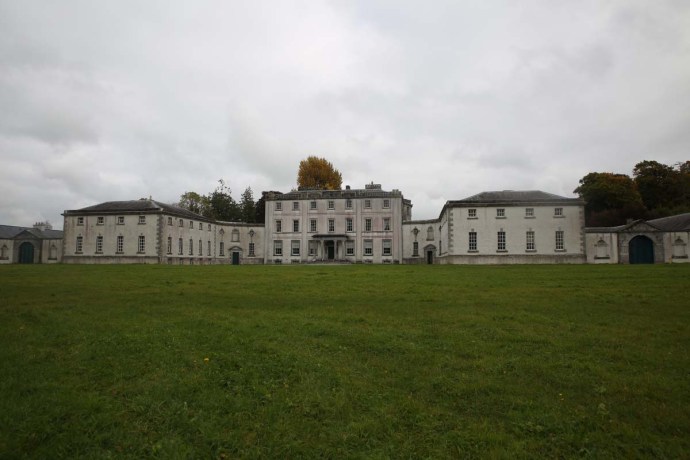
Strokestown Park House

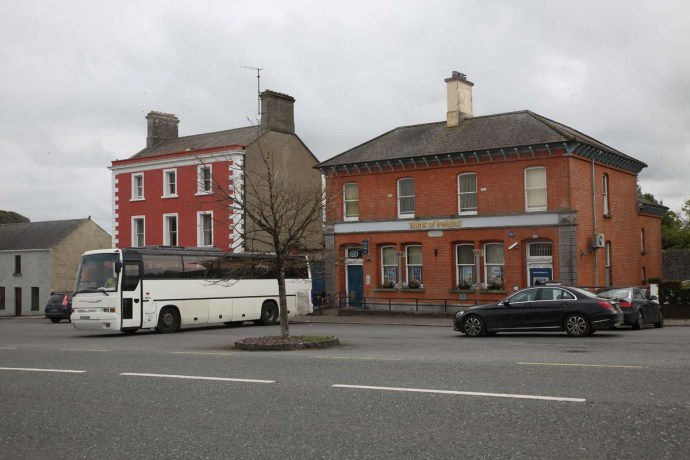
You can’t help but notice the wide avenue that leads to the narrow gate to the grounds.  Aside from O’Connell Street in Dublin, it is the widest street in Ireland. One gets the impression that lined as it is with imposing buildings and Georgian terraces it was meant to create an aura of wealth and prosperity befitting the status of the British landowner; so as they drove the carriage down the avenue his friends would be suitably impressed.  The true state  of the people hidden in the side streets.

IG3C6279

The gateway to Strokestown House in the distance.

IG3C6283

Public buildings.  There’s room to park a bus rear to kerb.

But the family and the name Strokestown has a darker side.  It is now mostly remembered for its connection to the Famine, evictions and land clearances.  That story is told in the Famine Museum attached to the house (which is itself now a museum)  and is an extraordinary one.

The house is a time capsule. The Georgian Palladian style of its architecture reflects the obsession with symmetry at the time and the desire to make the house look bigger than it was. The two wings were largely cosmetic with stables and storage and services. All the living areas were in the main two story house.

IG3C6238

Georgian Palladian architecture.  The central building is the main residence.  To the left are the kitchen and storerooms and to the right the stables.

Built in 1660 the original owner, Captain Nicholas Mahon, was given lands as reward for his exploits with the forces of Cromwell in taking Ireland. The family did well and by the 1840s had an estate of 11,000 acres. An arranged marriage to another prominent British family, the Pakenhams, led to a combined land holding of 30,000 acres spread through Roscommon,.

During the 1700s and into the 1800s Strokestown prospered.  However in the1840s when the potato blight and the consequent famine struck hard in Roscommon, the then owner Denis Mahon implemented a programme of large scale evictions.

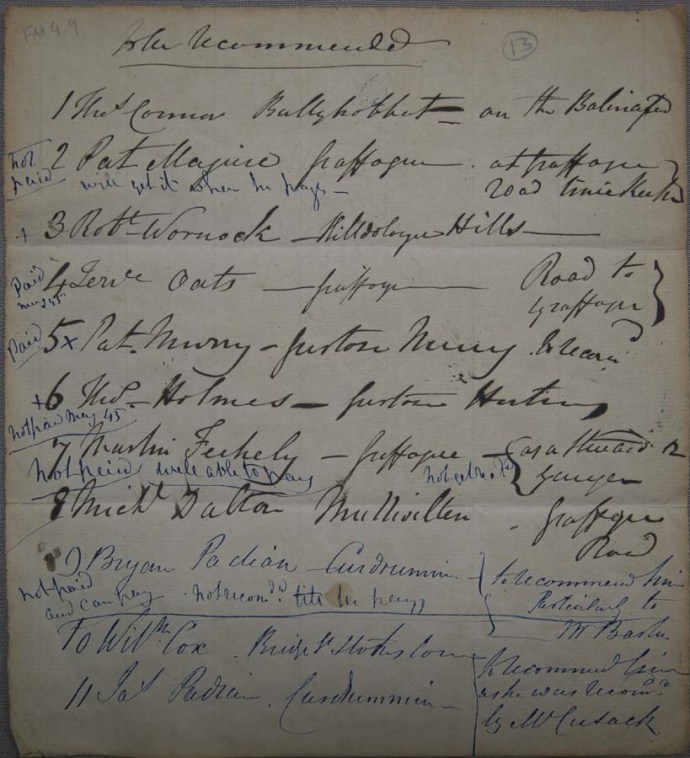
In one year alone (1847) he evicted 3,000 people. Though the excuse for the land clearance was the inability of the Irish tenants to pay rent it seemed to be part of a grander scheme.  Immediate steps were taken to advertise the land thus made available in places like Scotland, where presumably Protestant tenants would be more reliable. The clearances were accomplished largely by “assisted emigration” in particular to Canada. As many as 50% of the passengers died amid extraordinary cruelty on these Famine ships mostly through cholera and typhoid and this prompted outrage.  It climaxed in the murder of Denis Mahon at the end of 1847.  The culprits, presumed to be disaffected tenants weren’t identified, but it led to swift retribution against any family that might have had a remote connection as a conspirator.   Much material that relates to this period is on display in the Museum.  In particular there are many original letters and documents which illustrate the plight of the people and the heartlessness of the landlords.


IG3C5256a

A list of tenants recommended for relief work, 1846.  The notes in blue provide comments as to whether the person had made an effort to pay their rent.  They were favoured.

IG3C5258a

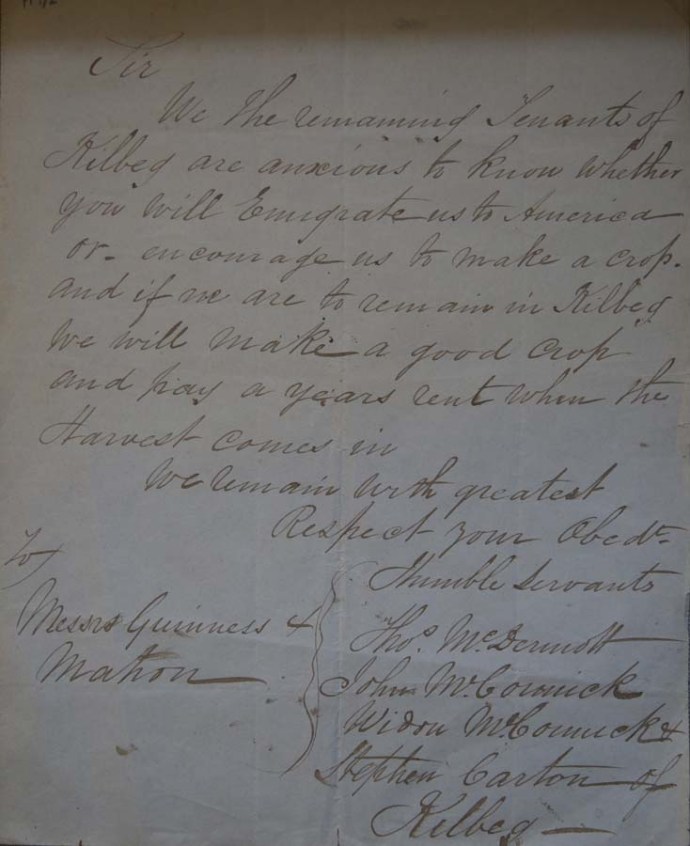
A petition from Kilbeg tenants to the owners requesting whether they will be given assisted immigration.  Tenants were keen to go to foreign lands but many never made it.

IG3C5262a

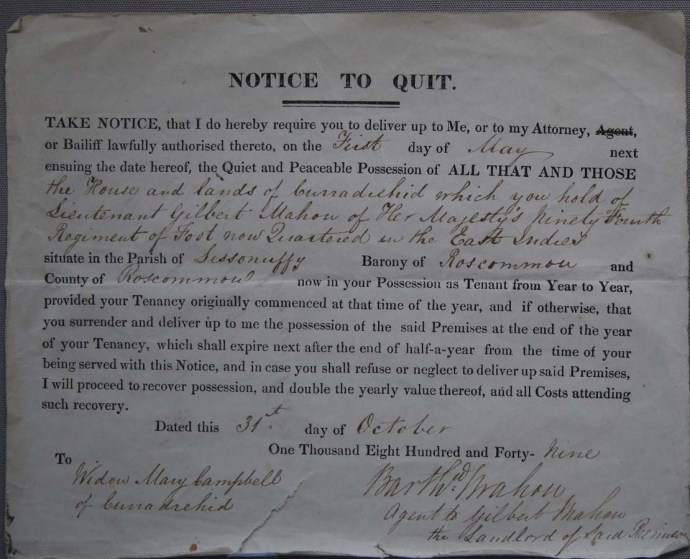
A Notice to Quit on Widow Mary Campbell requesting her to vacate the premises.

IG3C5263a

A Civil Bill used where rent was over twelve months in arrears.  The tenants’ annual rent was £11 5s and their arrears were £16.  They were to appear in court to be evicted.

IG3C5270a

A receipt for £2 to Margaret Brice on surrendering her house, land and manure upon eviction.  Note signed with her mark, an x

Following the joining with the Pakenhams their money enabled the family to survive and prosper into the twentieth century. The last remaining resident however  was Olive Pakenham-Mahon who lived in the house until 1981.

She decided in 1979 to move to a nursing home and sold the house and lands to local businessman Jim Callelly.  He just wanted the land but one day he visited the basement of his newly acquired house and discovered a treasure trove of historical documents that spelt out in intimate detail the story of the house and the evictions. This prompted him to retain the house, restore it and set up a museum based on this archive. And thank God he did.

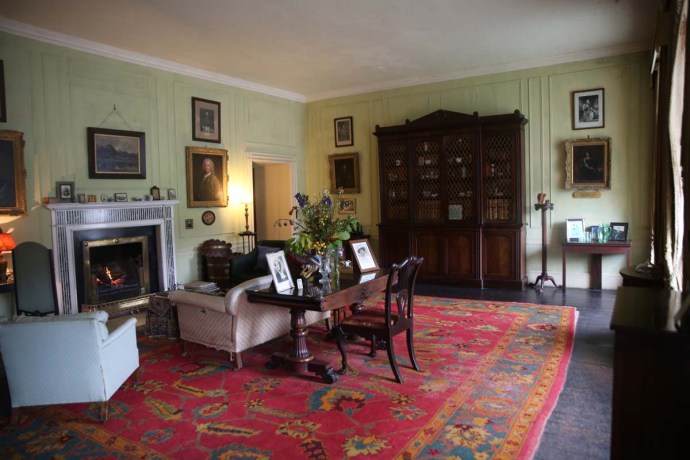
The house now is furnished exactly as Olive left it. Many of the original furniture and artefacts remain but a lot were sold off to enable her to survive. Olive lived in one room by the end (the Drawing Room) and the rest of the house was essentially abandoned.

IG3C5857

The Drawing Room

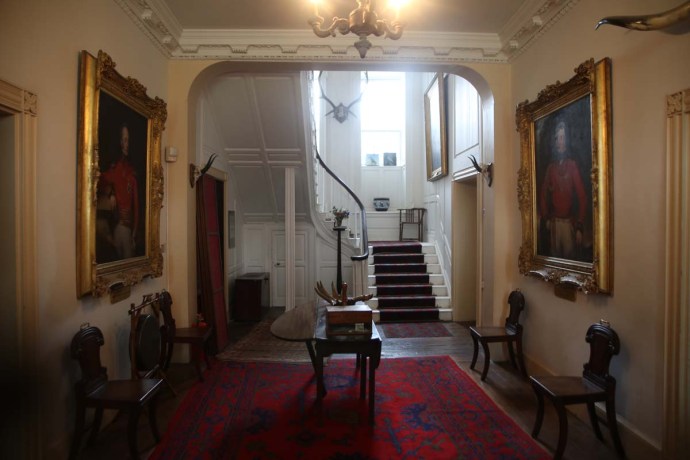
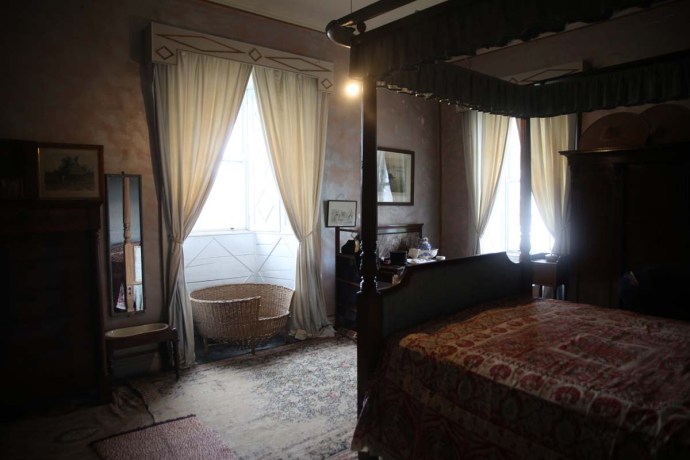
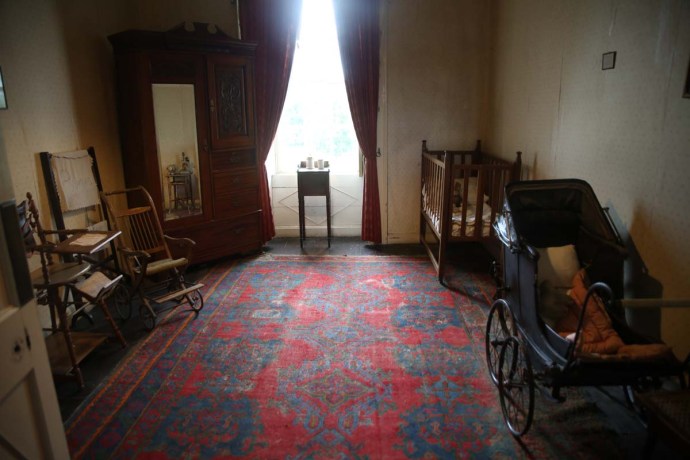
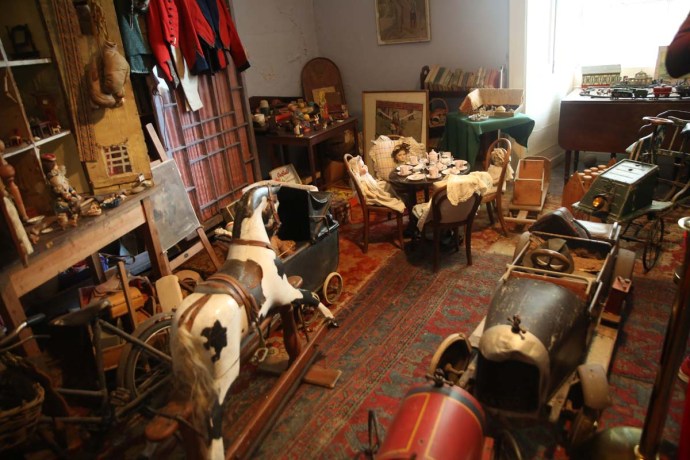
Visitors are now able to tour the house. What I enjoyed is that lived-in feel. Peeling wallpaper, organised clutter. Pictures exactly where she had left them. Monogramed personal items lying around.  A toy room with original toys used by her children.  A nursery with original clothes hanging behind the door.  A classroom.  A massive and elegant dining room.

IG3C5842

Entrance foyer

IG3C5927

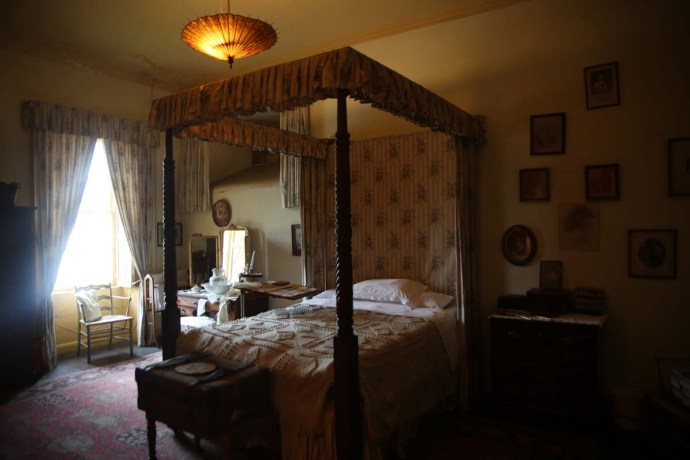
The Master’s bedroom

IG3C5993

The Lady’s bedroom

IG3C5966

The Nursery

IG3C5957

The schoolroom

IG3C5999

The toyroom

IG3C6059

The Dining Room


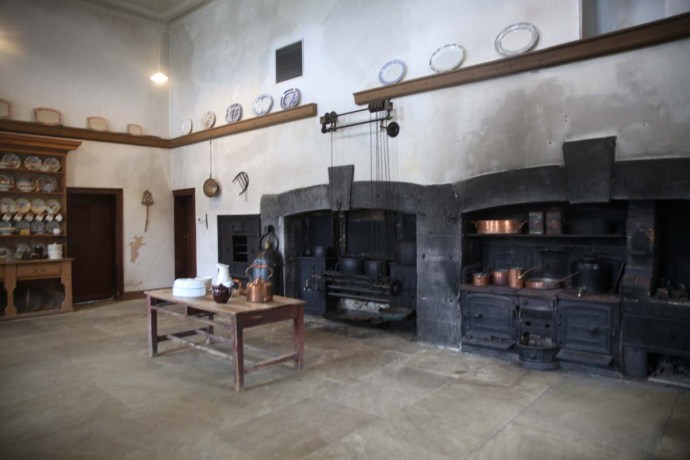
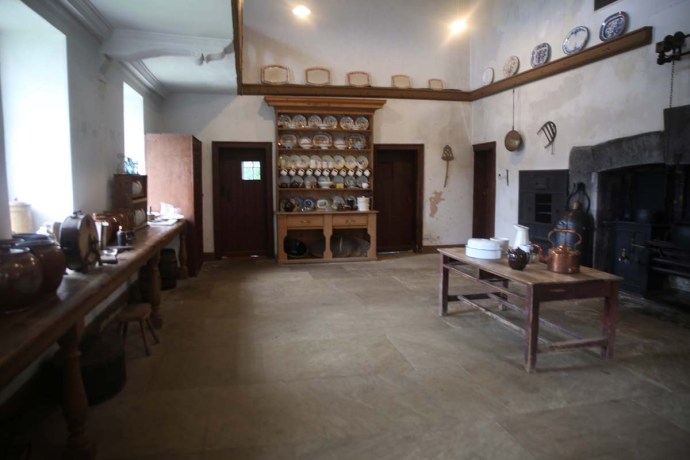
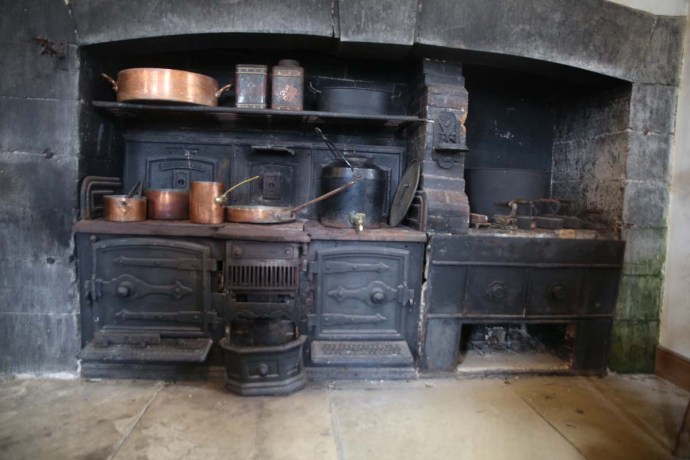
There is an amazing kitchen with original stoves, furniture and kitchenware. Our guide related the story that Olive had decided the kitchen was too large and wanted it demolished and a smaller modern kitchen built.  The architect was very reticent and came up with a scheme with false walls and ceilings and modern appliances.  The original kitchen was preserved behind these walls.  Jim Callelly had heard a rumor of this and dismantled it to reveal a treasure frozen in time.  Everything was in place and untouched.


IG3C6115

The old Kitchen with its massive range

IG3C6114

IG3C6102

Beautiful original cast iron cooking range

IG3C6085

IG3C6076

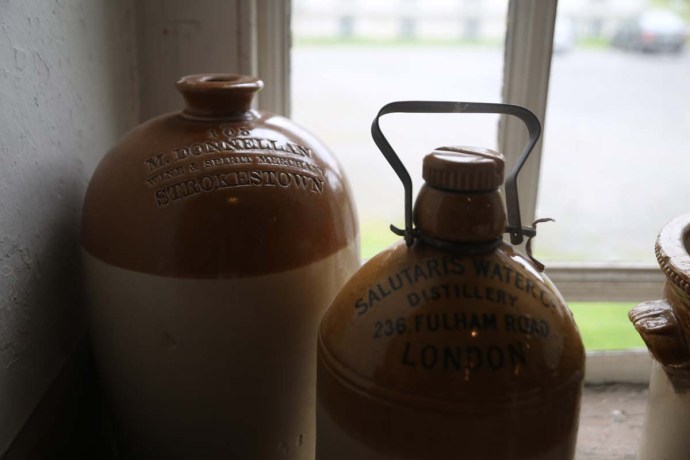
Original Strokestown jug


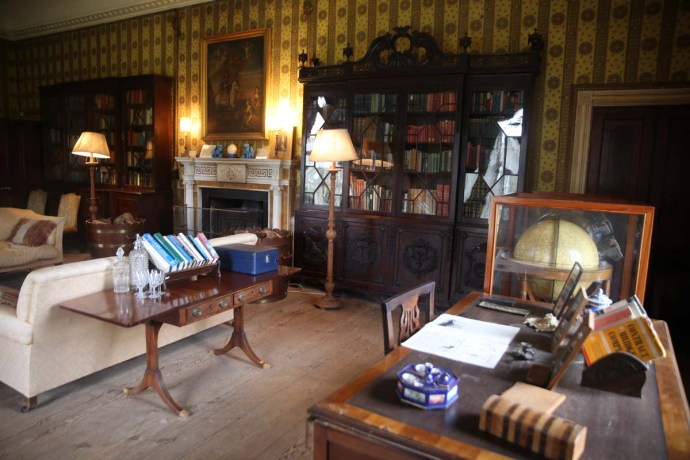
The library is also impressive. A chippendale bookcase said to be one of the best in Ireland. A pecctacular Grandfather clock. Beautiful globes. Certaily a life style very different to that outside these walls.  A classic retreat for the males in the house as was the custom.


IG3C5904

The Library


IG3C5870

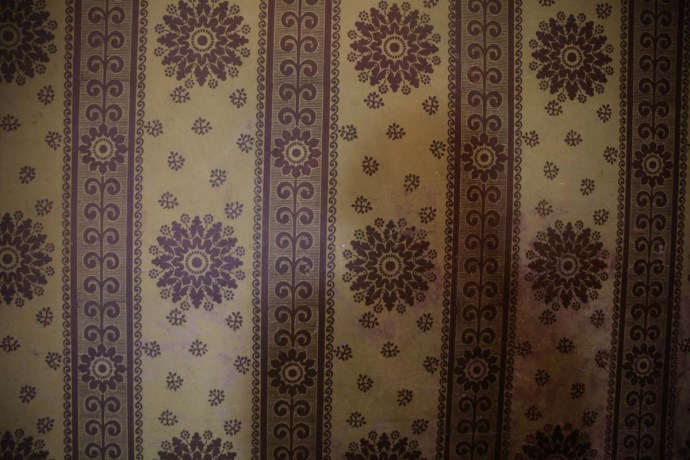
Original 17th Century wallpaper lines the walls of the Library


IG3C5901

Rare Irish Chippendale bookcase in the Library


Many magnificent paintings adorn the walls.  One is of  an ancestral relative, General Pakenham who led the British Army in the Famous Battle of New Orleans. We all remember the history as told by Johnny Horton in his 1959 song

In 1814 we took a little trip
Along with Colonel Jackson down the mighty Mississip.
We took a little bacon and we took a little beans
And caught the British running in the town on New Orleans……..

We fired our guns and the British kept a comin’ …..

You know the rest.  The poor General did not survive but was regarded as a bit of a hero back home.


IG3C5844

Portrait of General Edward Packenham hanging in the Foyer


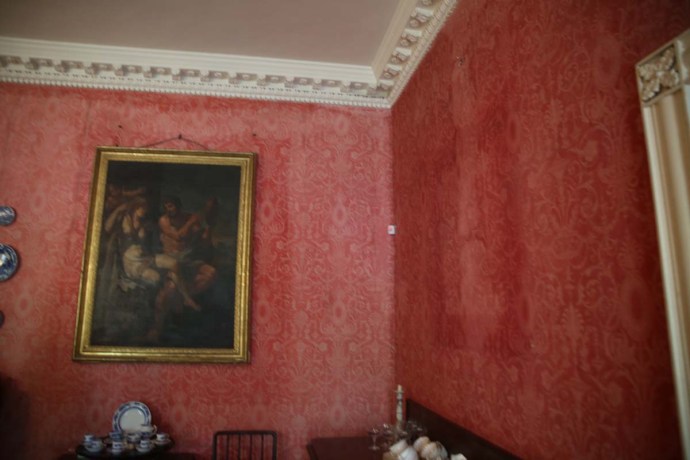
Unfortunately as was the case with many Anglo-Irish families when they came upon hard times many paintings and treasures had to be sold.  We are reminded of this when we see the faded areas of the original 17th century wallpaper where these paintings used to hang.


IG3C6033

Walls of the Dining Room showing faded areas outlining where original pictures hung.


One such painting was a priceless portrait by Bernardi Strozzi of the acclaimed Cremona composer Monteverdi.  The portrait was painted in c1630 and was sold by Olive for £2,000.  A somewhat amateurish copy hangs now in the Drawing Room in its placewhile the original was returned to Venice.


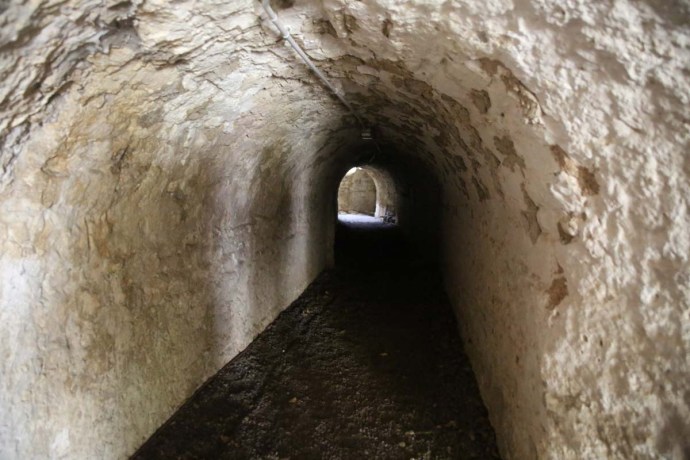
An intriguing feature of the house is the Servant’s tunnel.  Entered from behind the stables it heads under the house exiting at the back door of he kitchen.  Built to ensure deliveries and movement of servants took place with no interaction with the house, it is easily accessed today.


IG3C6159

Servants’ tunnel under the house

IG3C6205

Entrance to the tunnel


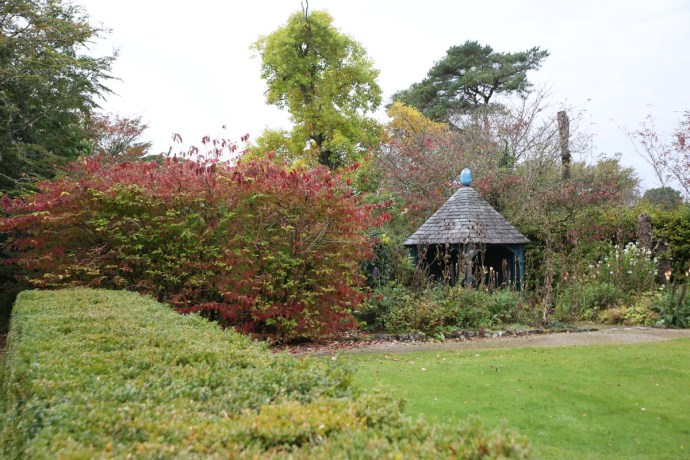
Adjacent to the house is a restored walled garden. A large walled garden of around 4 acres.  After a ten year restoration it was opened to the public in 1997 and many of the original features of this pleasure garden have been retained.  There is a croquet lawn and a Summer House, a Lawn Tennis court, a beautiful lily pond, impressive herbaceous borders (the longest in Ireland), a formal rose garden, beautiful manicured hedges and a pergola. lawns and wildflower areas.  I loved it.  But as with the Vandeleur Garden in Clare which I wrote about in a previous blog, the cruel history of the famine sits uneasily with the beauty and bucolic pleasures of this garden.


IG3C5494

Herbaceous borders line the walls

IG3C5505

There are formal and informal pathways


IG3C5531

Croquet Lawn and Summer House

IG3C5542

Detail of Summer house with Autumn foliage


IG3C5510

Beautiful ornamental lily pond

IG3C5525

Secluded pathways

IG3C5559

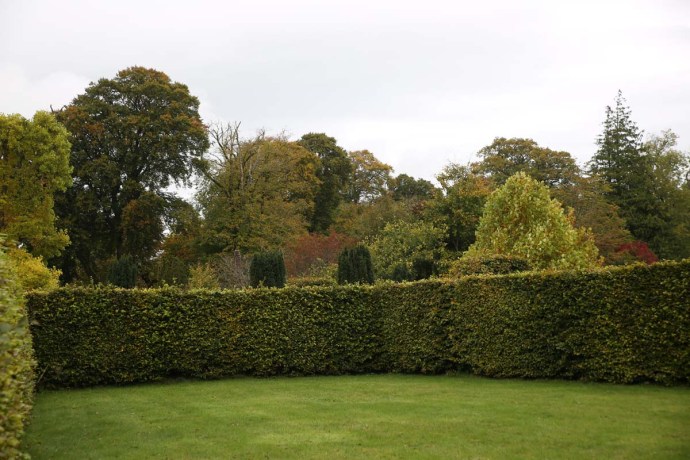
Perfectly manicured hedges

IG3C5554

Numerous hidden spaces lie behind hedges

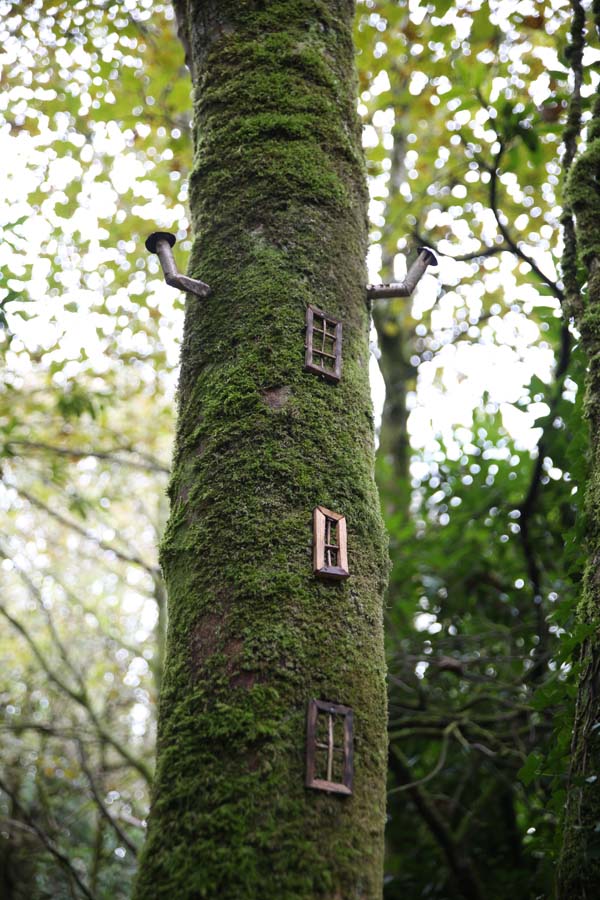
Another treasure of the estate is the Woodland.  There is a circular walk through this leafy mossy retreat with huge oak and beech trees and thick undergrowth.   It was first planted in the early 1700’s by Thomas Mahon and some of the original trees still exist. During the 1800’s, to increase the pleasure of the shoot, laurels were planted creating a thick undergrowth.  Eventually it took over but it was sensitively restored in 2011.  The fairies have gone a little overboard though and seem to have occupied nearly every tree.

IG3C5333IG3C5429IG3C5376

IG3C5435


IG3C5402

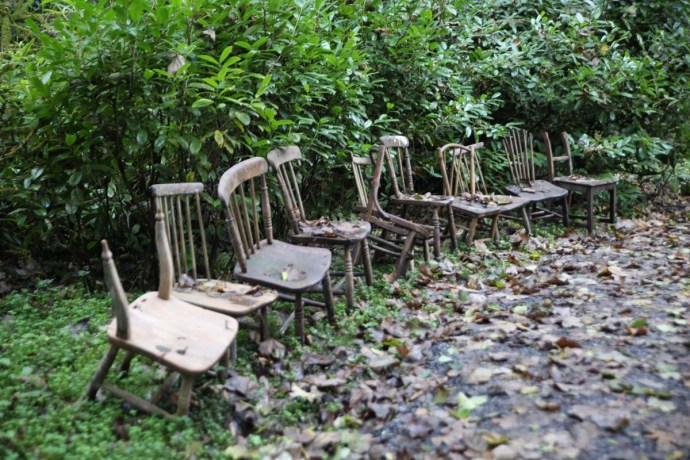
When old chairs become an art installation.


Truly the house, the museum, the garden and the woodland will keep you occupied for four or five hours.  They will be four or five hours well spent.


Categories: My Journey, Real Ireland | Tags: , , , , , , , , , , , , , | 3 Comments

The Flaggy Shore and Aughinish. Make the time.

IG3C7889

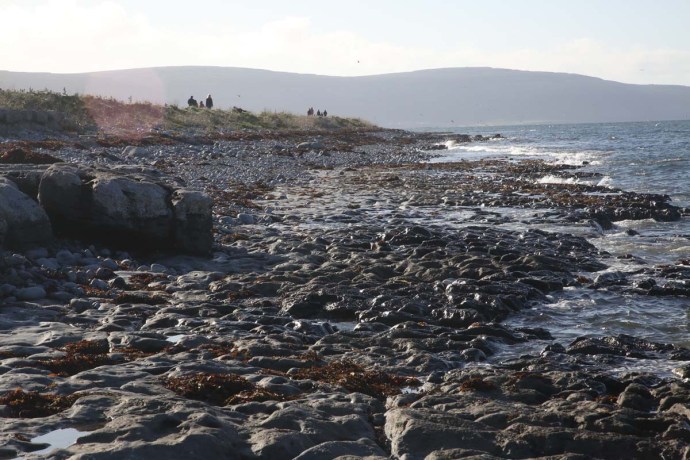
Just a short distance off the N67 which tracks the northern coast of Clare as part of the Wild Atlantic Way is the Flaggy Shore. This is the perfect spot to see the Burren meet the Bay, in this case Galway Bay.  A sweeping stony shoreline with a backdrop of the bare purple hills and the lush green fields beneath.

IG3C7648IG3C7663IG3C7852


IG3C7746IG3C7717

Look north across the bay, now calm and peaceful and you see the villages of Galway clinging to the coast and beyond this the misty silhouette of Connemara and the Twelve Pins.


IG3C8056

Cliffs of Aughinish in the foreground and the Twelve Pins on the horizon


The place has a permanent spot in Ireland’s psyche thanks to one of Seamus Heaney’s most celebrated poems, Postscript.

And some time make the time to drive out west
Into County Clare, along the Flaggy Shore,
In September or October, when the wind
And the light are working off each other ……

Heaney in describing how the poem came to him said:   “I had this quick sidelong glimpse of something flying past; before I knew where I was, I went after it”.

He has said it beautifully of course so I won’t try and improve on those words.  All I can do is attempt to give that feeling in pictures…

IG3C7920IG3C7909IG3C7905

There is no beach, as such, at Flaggy Shore. Just boulders, pebbles and rocky outcrops. But a walk on the strand will well reward. You can stroll along the roadway or explore the limestone platform in the littoral zone.

IG3C7697

This is the best place in the whole of Clare to observe the coral fossils that make up such a large part of the 350 million year old layers. Huge colonies of branching corals (fasciculate lithostrotionids) are sliced at various angles revealing themselves from all perspectives.  Their true branching form can be seen often in section on the rock face. Sometimes the colonies seem completely intact and measure over a metre across. If you have been to the Great Barrier Reef in Queensland it is easy to imagine the warm shallow sea that was once home to these corals and the teeming life that surrounded them.


IG3C7585

Planar sectional view through a coral colony

IG3C7656

Large fossil coral colonies on the rock platform

IG3C7655

Excellent view of coral colony showing branching and dendritic form. About a metre across.


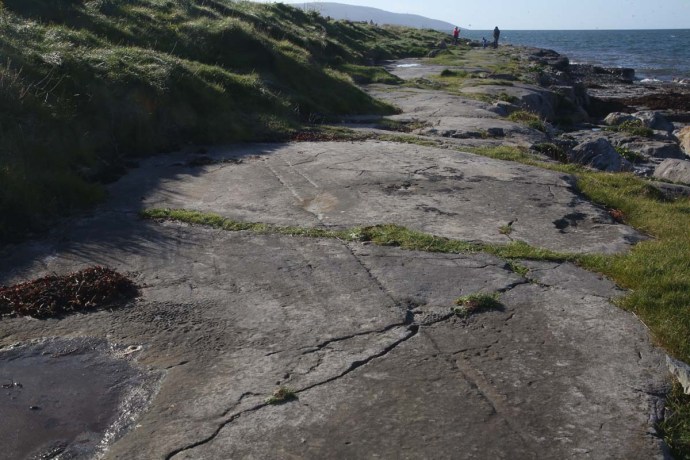
If you look hard you will see long straight grooves etched into the rock. These are called striations and are caused by the movement of a glacier which smoothed this landscape around 10,000 years ago. Rocks trapped in the ice were dragged along the bottom scouring these cracks. We are able to measure the direction of movement of the ice sheet using this evidence.


IG3C7588

Glacial striations on the rock platform at Flaggy Shore


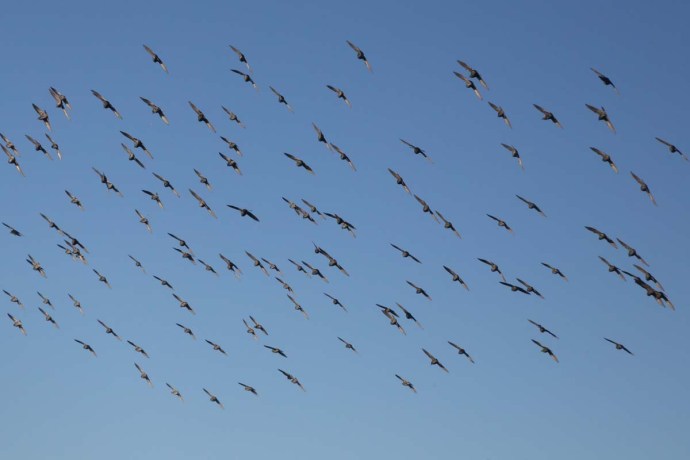
If you like watching sea birds, you are in the right place.  As well as gulls, this time of the year starlings gather in flocks and search for food on the sea shore. These murmurations can number thousands of birds and when performing their acrobatic gyrations they make one of the truly spectacular sights in nature. They swoop and soar and flit and glide in perfect concert. It’s only when you freeze this motion with the camera that you see how perfectly aligned is the movement of each individual bird. I could watch them for hours.


IG3C7822a

Starlings I

IG3C7793

Starlings II

IG3C7857_1

Eyes left

IG3C7858a

Eyes right


Aughinish Island, just a few hundred metres across the calm water, is comprised of glacial deposits left behind by the retreating ice as the continent warmed. The Island was originally part of the mainland but a devastating tsunami caused by an earthquake in Portugal in 1755 separated it. The British built a causeway in 1811 to service the troops manning the Martello Tower (built to protect Ireland from Napoleon). It is still the only access to the Island.  The one lane causeway actually connects Aughinsh to County Galway which paradoxically means the fifty residents on the island and the occasional vistor who stumbles on this place must travel through Galway to get access to this part of Clare.


IG3C7934

The causeway built to access Auginish

IG3C7947

Peace I

IG3C7950

Peace II

IG3C7984

Peace III


For the ‘tourist’ looking for a quick fix there is not much to take you to Aughinish.  But it is a place to walk and breathe.  Where the quiet ambience is tangible.  It has a feeling of calm so unusual for the Atlantic Coast.  You will be unlikely to meet anyone except a farmer attending to his boggy field or another collecting seaweed blown in by Hurricane Ophelia.  But you will get stunning views across the inlet and if you are lucky enough to see the sun disappear behind Black Head you may not want to leave.


IG3C8005

Looking across the inlet from Aughinish to the village of Ballyvelaghan

IG3C7988

A Martello Tower built in 1811 to defend the Irish coast from the French.

IG3C8011

Lengthening shadows

IG3C8014

Evening serenity I

IG3C8036

Evening serenity II

IG3C8064

The shoreline on Aughinish.  The softest most comfortable grass you will ever find.

IG3C8079

Vivid red growth on the tidal flats

IG3C8094

The high tide mark left by Hurricane Ophelia which exploded the previous day. 

IG3C8231

Collecting seaweed


IG3C8053

Life on Aughinish


As usual I will let my camera have the last word.

IG3C7981

IG3C8293IG3C8310

Categories: My Journey, Real Ireland, Wild Ireland | Tags: , , , , , , , , , , , , , , , , , , , , , , , , , , , , , , , | Leave a comment

An Apology to Turlough O’Carolan

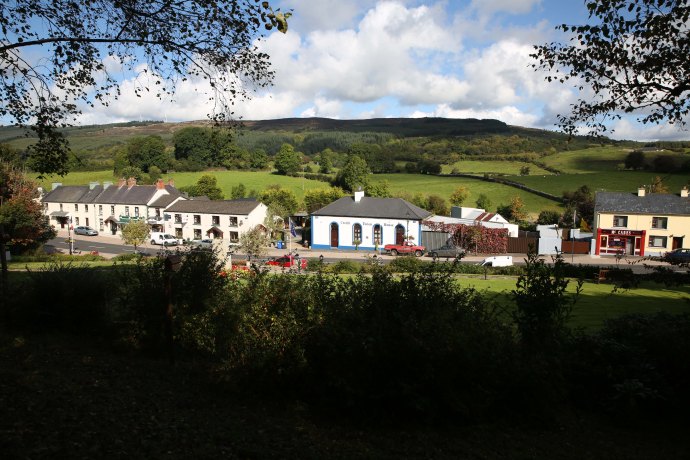
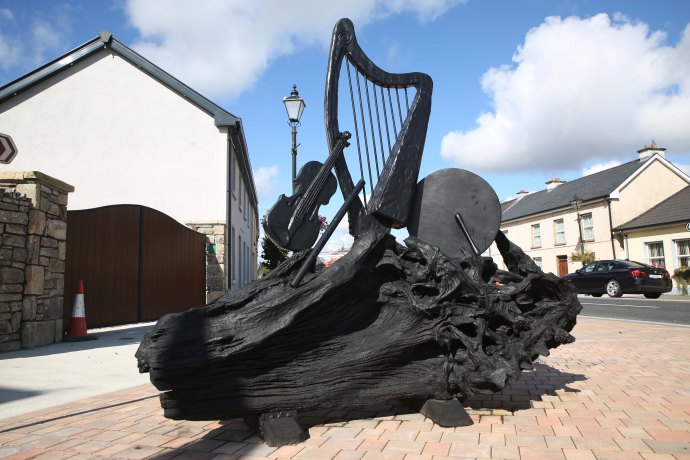
Driving through Keadue in the very north of Co Roscommon, as I was on this crisp, clear Autumn day, you are reminded everywhere of Turlough O’Carolan. There is what seems to be a new sculpture in the main street of this spotless town with a harp at the centre and there is a Heritage Park with monuments to the man. A carved coloured stone with the music for Sí Beag Sí Mór sits in a rotunda that looks out over the village to the Arigna Mountains.  And if you come back in August next year you can attend the 40th O’Carolan Harp Festival.  Though born in Co Meath, the blind harpist and composer lived in and around Keardue/Ballyronan so this is definitely O’Carolan Country.


IG3C2815

The village of Keadue


IG3C2791

Tribute to O’Carolan?  newly installed statue in Keadue.


And just out of the village, there is the Kilronan Cemetery where he was buried. The elaborate entrance proclaims this with a carved stone mounted over the gate.  His grave lies within the family crypt adjacent to the ruins of the Abbey.


IG3C3007

Entrance gate to the Kilronan Cemetery

IG3C3009

Detail of the front gate.

IG3C2999

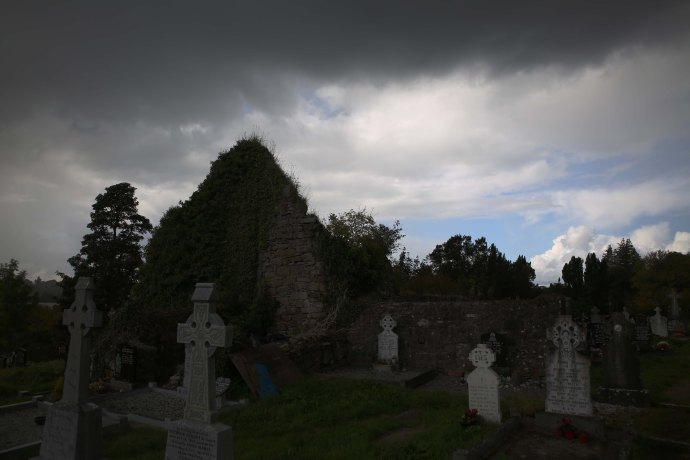
Kilronan graves

IG3C2984

Kilronan Abbey ruins.


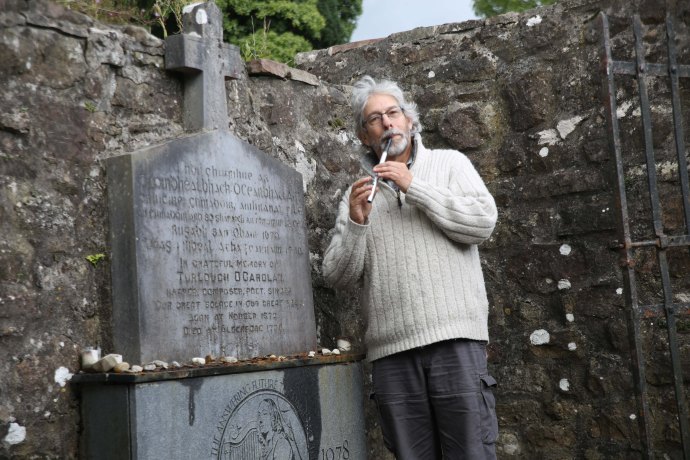
The sun was shining when I visited and of course I had to take a ‘selfie’ of me playing Sí Beag, Sí Mór at the grave site. Now I am not a superstitious person but I swear that as I played the last note a black cloud came from nowhere and filled the sky. The heavens dumped for about three minutes as I retreated to the safety of my car.


IG3C3018

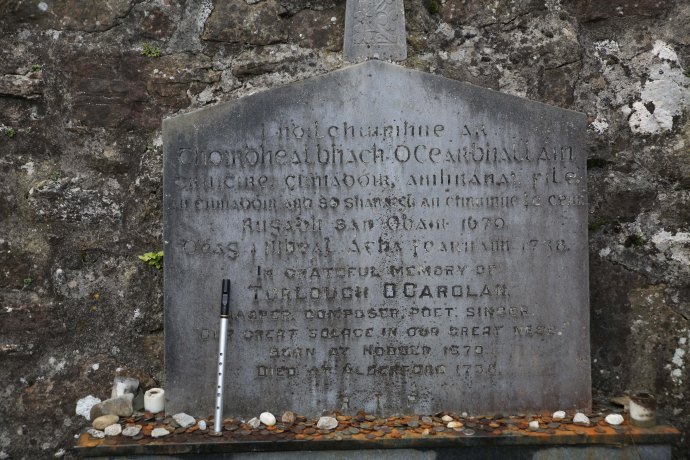
The headstone of the grave for Turlough O’Carolan. 

IG3C3028

Sí Beag, Sí Mór

IG3C3034a

One minute later the heavens dumped.


I get the message, Turlough. I have to admit that a friend warned me not to do it. Now seriously, I’m sure it wasn’t the worst you have heard, but I promise never again.

Sorry.

If you’re in that beautiful part of the world. Go visit. Just don’t play Sí Beag, Sí Mór.

Categories: My Journey, Stories, Trad Irish Music | Tags: , , , , , , , , , , , , , , , , | 4 Comments

Route 1 from San Francisco to Los Angeles. Almost.

I know those who follow this blog probably do so because they are interested in my posts on Ireland.  Well I recently had a holiday in the States so I have a few other stories to tell. So I will get back to Ireland but in the meantime I will talk a bit about my visits to San Francisco and then later New York.

I had just spent some time discovering San Francisco.  My plan was to drive south from there to Los Angeles on Highway 1.  Legendary names like Monterey, Big Sur and San Simeon were on the itinerary and I had given myself three days. What I wasn’t really aware of was that this actually wasn’t now possible due to a landslide and storm damage near Big Sur last year and consequent closing of the iconic bridge there amid worries as to its stability.   But as I headed off I didn’t know this.

Leaving San Francisco shrouded in its usual summer fog was not exactly what I would have hoped for but you don’t need crystal clear blue skies to enjoy this place.

IG3C7460

Goodbye to San Francisco with the Golden Gate Bridge shrouded in mist.

The geologist in me wanted to find the San Andreas Fault.  This was my first challenge.   The city behind, I followed Freeway 280 and Highway 35 as they traced the line of  the Fault. The fault itself though lay to the west of the highway and was defined by a linear river and lake system known as Crystal Springs and San Andreas Lake. So there wasn’t a lot to see.

IG3C7555

San Andreas Lake, south of San Francisco.  The lake fills the valley which marks the path of the San Andreas Fault.

There were a couple of spots where the rocks in the road cuttings showed strong evidence of shearing and slickensides and where extreme measures were taken to support the crumbling rock in road cuttings.  I assume these are due to splay faulting from the San Andreas.

I looked for a spot where I could cross the fault line on the way to Highway 1 But at the probable location there was nothing to see from the massive bridge over the lake.

I didn’t realise the fault line was so inland.  Next time I will do more research.  Oh well. I headed back to Highway 1 through the rugged hills of the Miramontes Ridge to the coast at Half Moon Bay. Nowhere to stop and take photos on the way!

Half Moon Bay is a pretty spot where you can partake of gourmet food, taste olive oil, visit boutiques or craft shops if that’s your wont.  Or do as I did and have an organic salad and listen to some accoustic music in the garden of San Benito Cafe. That was a pleasant surprise.

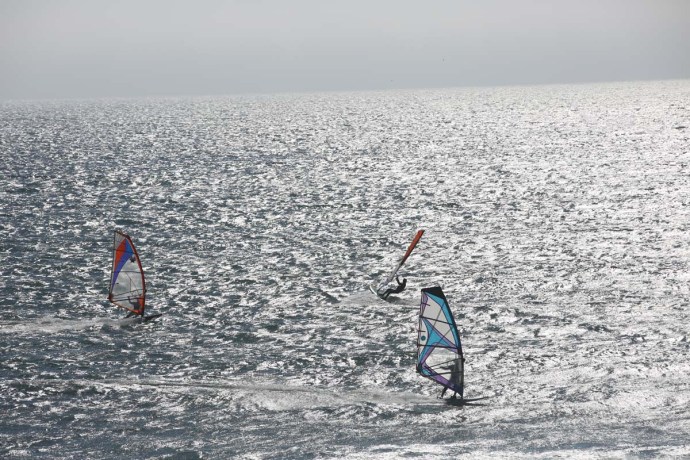
Now I was really on Highway 1 so I headed south. I took every opportunity to get off the freeway onto the coast and there were plenty of places to stop and walk down the cliffs to deserted beaches.  At San Gregorio Beach, at Pescadero Beach and then the lighthuse at Pigeon Point Bluffs. And one of the best windsurfing and sail boarding locations in California at Waddell Creek.

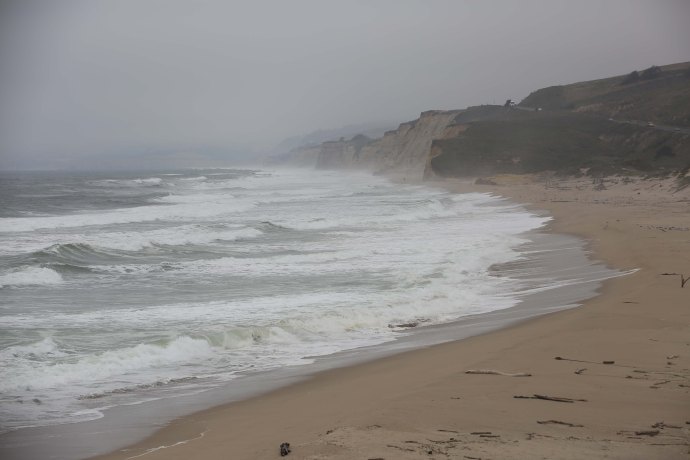
On the way there were rugged cliffs, and jagged coasts, banks of fog rolling in with blue sky behind, a lighthouse silhouetted in the mist, pods of pelicans, marsh and bogland with a congregation of egrets, a phallanx of wind surfers and sail boarders taking advantage of a favourable breeze, hardy flora, solitary birds of prey and all the time the Pacific Ocean on my right.
IG3C7678

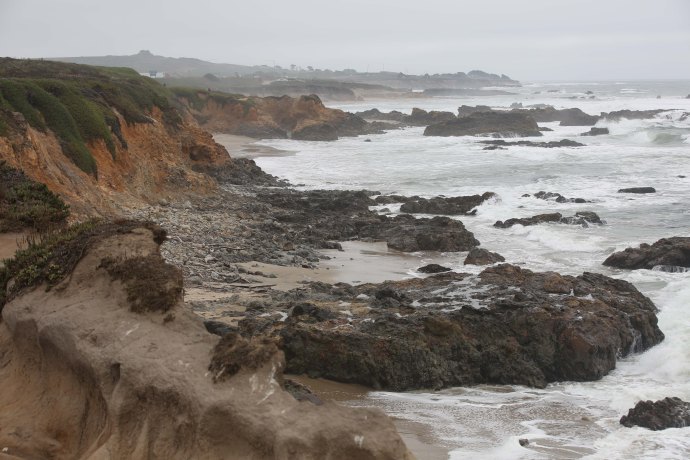
Coastal scene at San Gregorio Beach

IG3C7702

The coast near Pescadero Beach

IG3C7723

Pigeon Point Bluffs

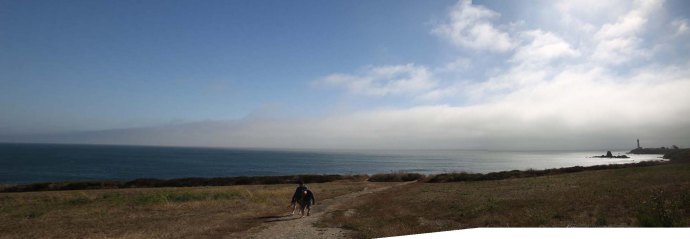
Panorama Highway 1 1

A bank of fog rolls in over Pigeon Point

IG3C7882

Egrets at home in the Pescadero Marsh

IG3C7909a

An egret takes flight.

IG3C7771

Man takes flight.  At Waddell Creek.

IG3C7798a

Waddell Creek Beach

IG3C7819

Waddell Creek Beach

IG3C7930

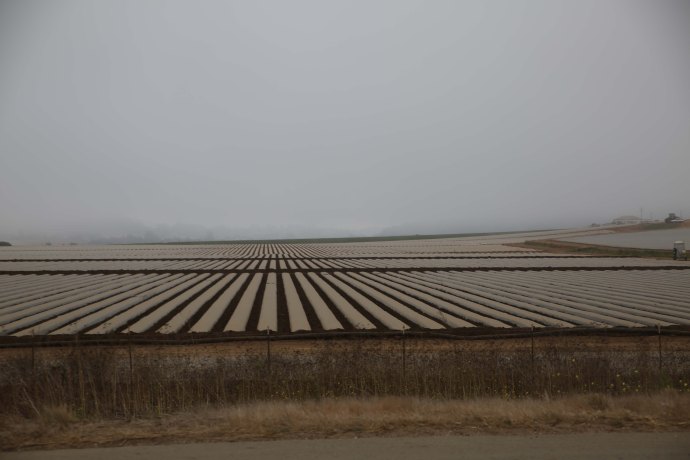
The food bowl of America.  Growing Vegetables near Monterey

I had intended to visit the boardwalk at Santa Cruz but the crowds and the chaos turned me off.  After all it was just a collection of carousels and rides though the fact it had been there since 1907 was of interest to me.  So I continued on and finished the day in fading light in a classic American motel in the town of Marina, just north of Monterey.

The next day I wanted to take the 17 mile Drive around Pebble Beach south of Monterey.  Renowned for its wildlife and for its scenic beauty I was a tad surprised when I was asked to pay $10 but the fine print on the ticket says I could have my money back if I played a round of golf.  Yeah sure. Read on.

IG3C7942

The Monterey entrance to the 17-mile drive.

Once you drive in the gate the first image you have is of the lush greens of a luxury course where it meets the Pacific Ocean.  There are indeed eight golf courses on the peninsula. Including two that are regularly rated in the top 10 in the world.  Pebble Beach which is open to the public and costs $525 a round (but you get your $10 back) and Cypress Point (which is NOT open to the public and is the most exclusive in the world with only 250 members!).  Non members just cannot play there and members include zillionaires such as Bill Gates but shamefully if your rich but black you can’t be a member.

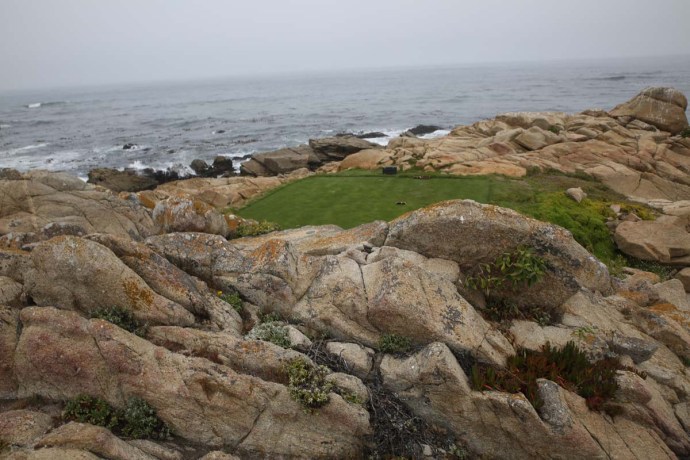
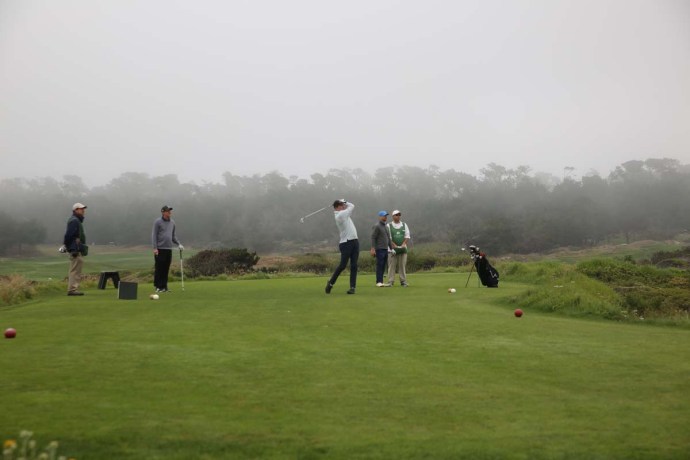
Many of the courses hug the coast and reach inland to the marshes and forests.  Indeed there are greens and tees located within the beachside rocks dunes and cliffs.  Huge granite boulders and cypress pines are a feature.  Challenging would be one word to describe many of the holes.  The famous Par 3 hole 16 at Cypress Point requires a 230 yard drive over the swirling ocean to reach the tee.
IG3C7958IG3C8013

IG3C8066

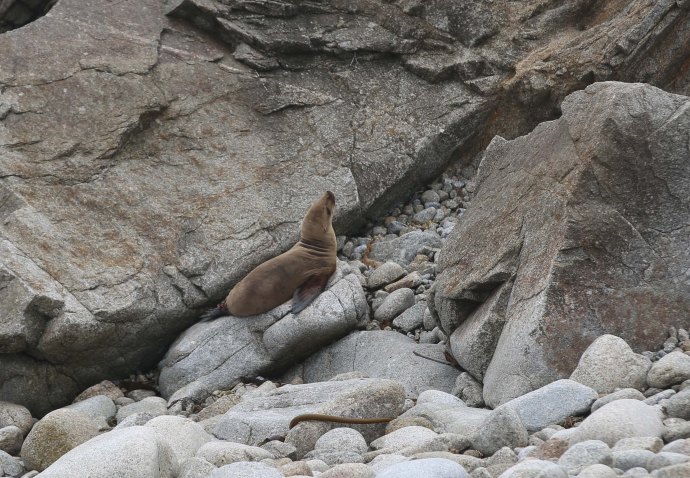
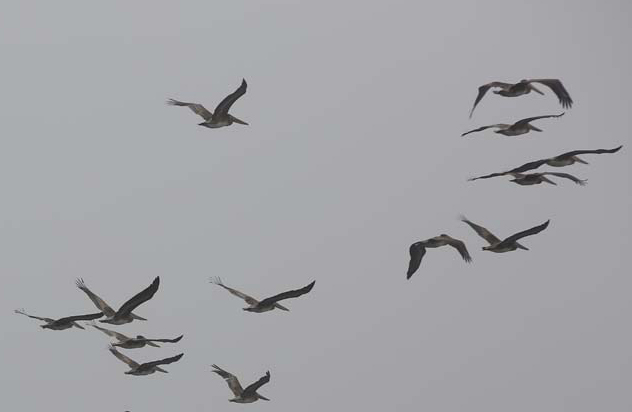
A glance down to the shore reveals a young seal seemingly unperturbed about being alone.  Just basking.   Lines of pelicans soar overhead making their way north and the rocks are covered with cormorants and gulls including the elegant California Gull with the red dot on the beak and the distinctive grey plumage of the Heermann’s Gull (The head turns white when they are breeding.
 

IG3C8000a

A young seal basks on the rocks


IG3C8090

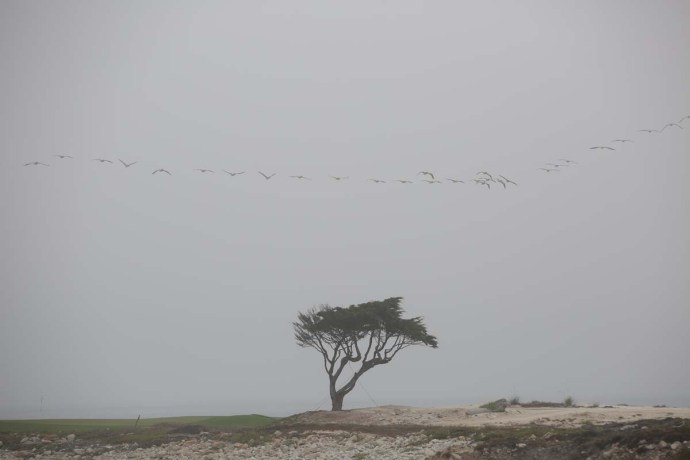
A pod of pelicans and a lonely cypress.
IG3C8084a

Pelicans in flight

IG3C8112

California Gull

IG3C8223

Adult non breeding Heermann’s Gull

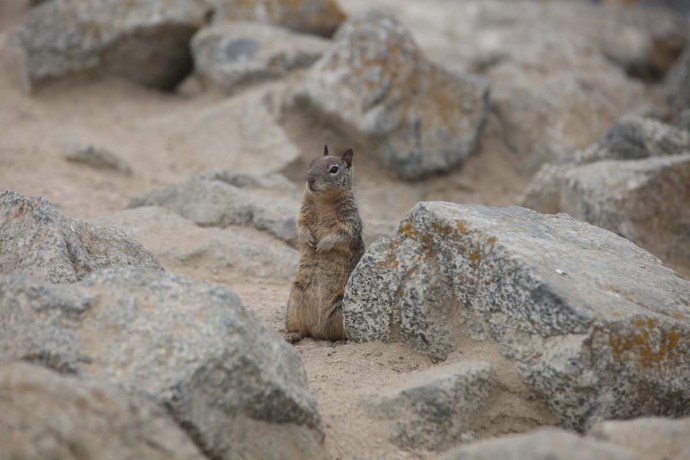
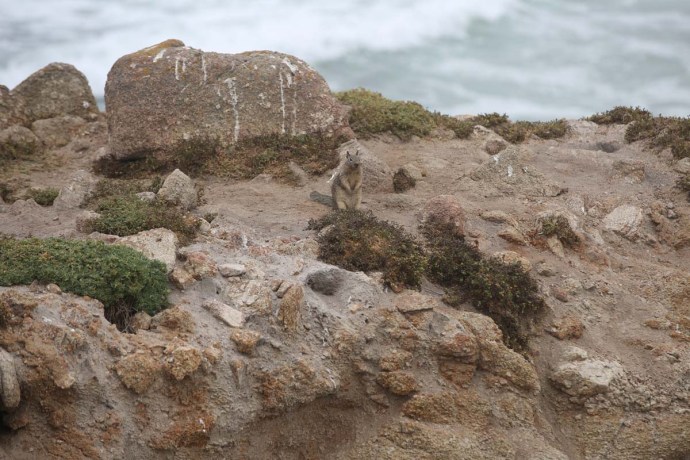
Look hard and you will see the perfectly camouflaged Californian Squirrel.  This is a ground squirrel unlike his tree based cousin perhaps more familiar to those on the east coast or London for that matter.  Darting about in and around the rocks and then standing up like a prairie dog.  Motionless.  Certainly they are cute but they are still considered a pest as they were in 1918 when children were enlisted to poison the rodents which were then apparently threatening the war effort against the Germans (see the squirrel army dressed in Kaiser -type hats in the poster below).
IG3C8133

California Ground Squirrel

IG3C8217

Squirrel on its back legs


image

Poster from 1918 encouraging children to kill squirrels.  The poison of choice was strychnine.

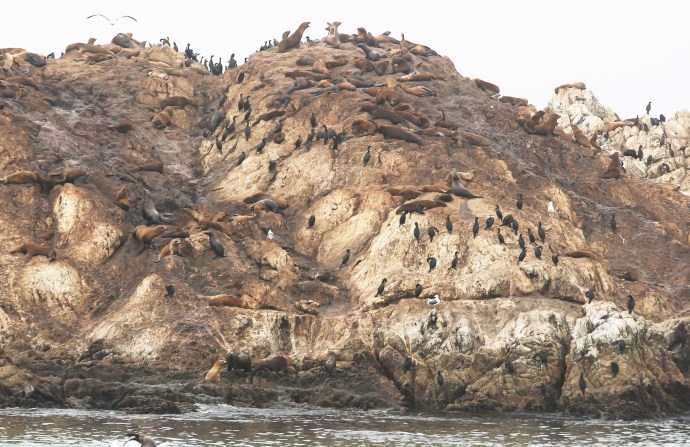
I mentioned spotting a seal.  Well nothing really prepares you for Bird Rock Island.  I could hear the barking before I saw them.  It lies just off the coast about half way around the drive.  It is literally covered with sea lions and seals.  The sea lions are spread all over the rocks hanging precariously, with some occupying the summit.  Their climbing skills are remarkable.  The rock is shared with cormorants and gulls and the surrounding water is their playground.  The barking is incessant as is the cavorting.  Beats Sea World.

IG3C8455

Bird Rock from the mainland


IG3C8453a

IG3C8627a

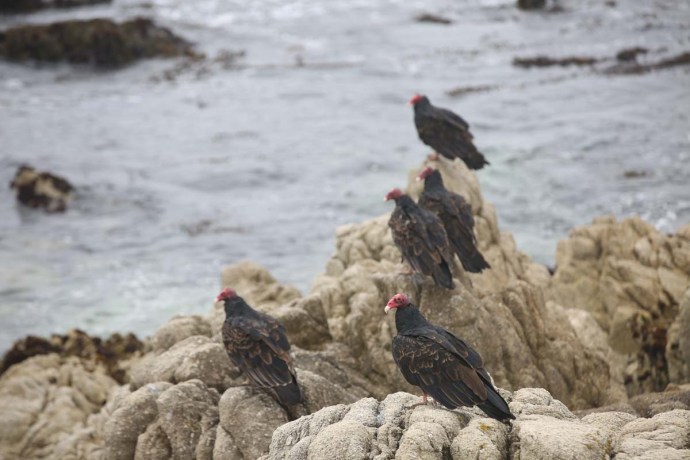
Just nearby was a ‘venue’ of vultures resting on the shore (trust me; It’s a ‘kettle’ if they’re flying and a ‘wake’ if they’re eating!).  At first in my naïveté I thought they were Condors.  But good old Google and no they are Turkey Vultures or that very American appellation Turkey Buzzards.  They are impressive birds and beautiful in flight.  They do have a bad rap though because of course they are carrion eaters and hey, they are not exactly pretty.  The featherless head is said to enable them to burrow into carcasses more easily.
IG3C8813IG3C8753a

IG3C8765a

Just off the coast of Bird Rock lies Carmel Canyon an offshoot of the 10,000 ft deep Monterey Canyon.  During summer cold water wells up from the Canyon and this brings nutrients and feed and is responsible for the rich marine life.  The area was declared a sanctuary in 1992.  This time of the year there is also a variety of coastal flora.  Some familiar some not.  There is what we call ‘pigface’ a perfectly adapted succulent which actually comes from South Africa and heaps of others I have no idea the names of.

IG3C8841IG3C8836

IG3C7667_1

IG3C7673

Pigface.

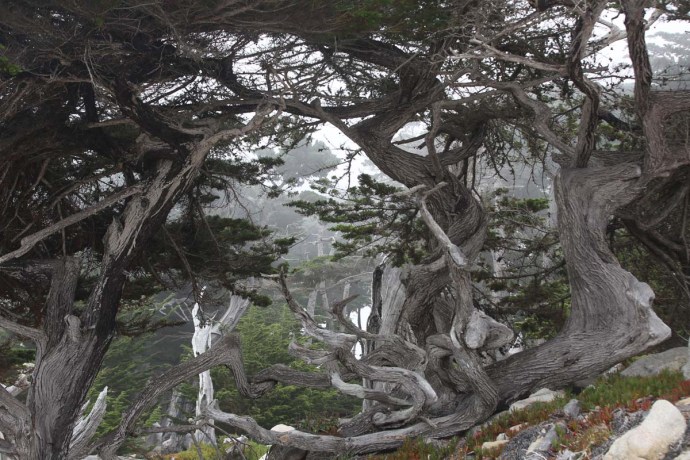
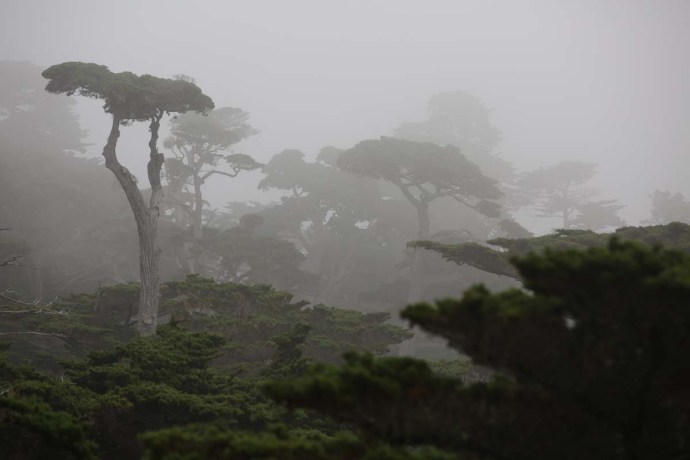
But in truth the most distinctive vegetation is the Monterey Cypress.  They occur in forests or as single or groups.  They are native to the peninsula but have been cultivated widely around the world.  Often bare of leaves except for a canopy they can have twisted trunks and branches or even grow horizontally as they cope with the harsh conditions.
IG3C8985

A Cypress Forest.  Monterey,  The trees love the cooler summers and the constant fog.

IG3C8052

Near Pebble Beach.  Survivors.

IG3C9015

Monterey Cypress.  The road map of a hard journey.

But the area is synonymous with one particular tree.  The Lone Cypress.  It is located between the Pebble Beach and Cypress Point Golf courses and sits exposed to the elements on a granite outcrop as it has for maybe 250 years.  Held up now by wires.  it is seen as a symbol of rugged individualism and struggle.  It is much photographed but on this day my efforts fall way short, due to fog and haze.
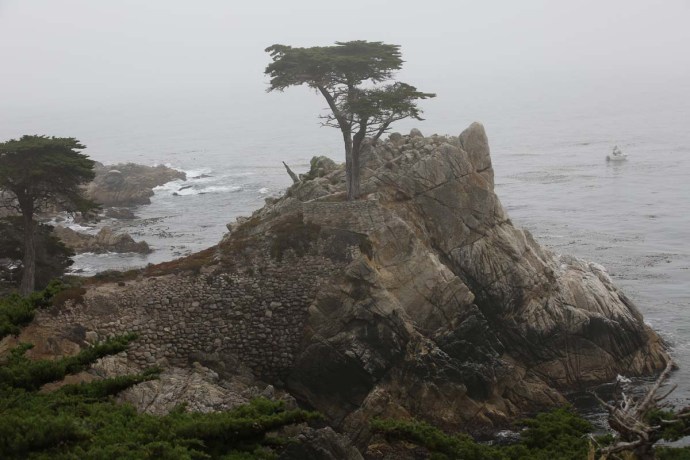
IG3C8950

The Lone Cypress

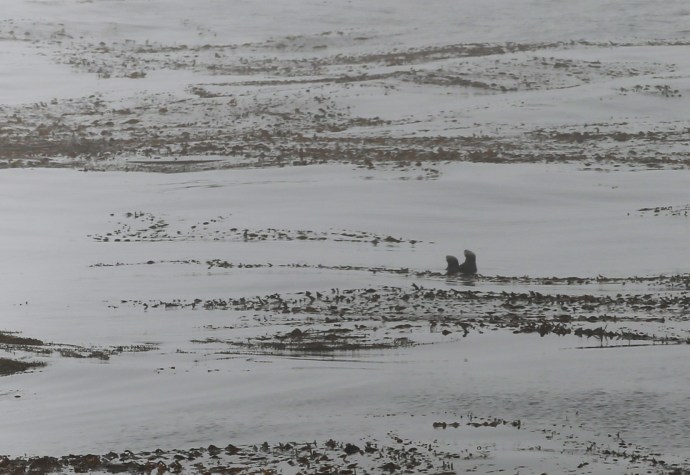
My final stop was at Cypress Point.  The actual point not the golf course.  Of course it is covered with pines but of interest here were some sea otters.  Unfortunately I only caught occasional glimpses as there were a bit reclusive.  And really hard to photograph but they are recognisable.
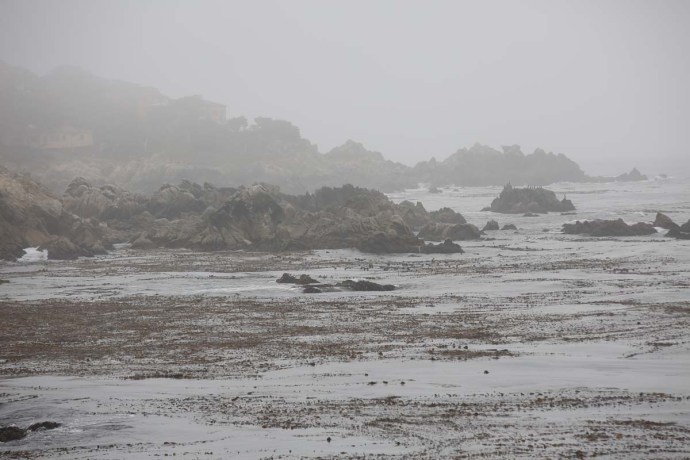
IG3C8929

The coast at Cypress Point

IG3C8908a

Two sea otters at play.  Point Cypress

The Peninsula is a place where conflicting needs seem to coexist.  Luxury homes sit beside extraordinary natural beauty, impressive wildlife and millions of visitors.  Golf and bird watchers inhabit the same space.  It all seemed to be pretty well managed.
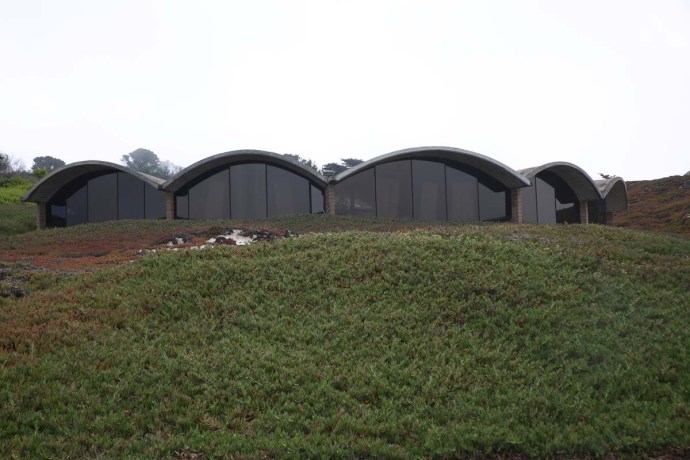
 

IG3C8873

Innovative architecture.  Pebble Beach

IG3C8881

Grand houses grand view


I spent much of the day here but it was time to move on.  Big Sur was my next destination but I needed gas (as they say over here).  The helpful man at the gas station told me that I was wasting my time as the road had been closed over a year.  So Plan B.  Leave the coast, head inland through Carmel Valley across the hills, and join HIghway 101. Just keep that in mind if you want to drive Highway 1.  You can’t.

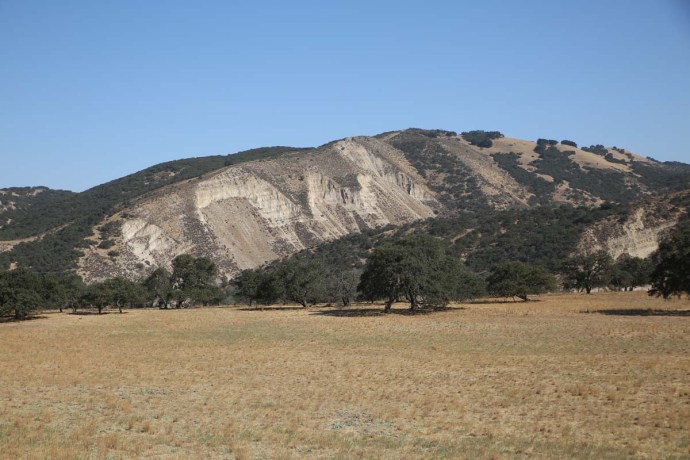
Heading inland I took local roads.  It was a very different landscape.  The fog soon lifted.  to reveal steep hills, sometimes forested sometimes bare and sometimes covered with yellow grasses.  IG3C9042IG3C9031

IG3C9082

Carmel Valley itself is a wine growing area and lies in a wide flood plain surrounded by a mountain range. I can’t comment on the wine but the view was special
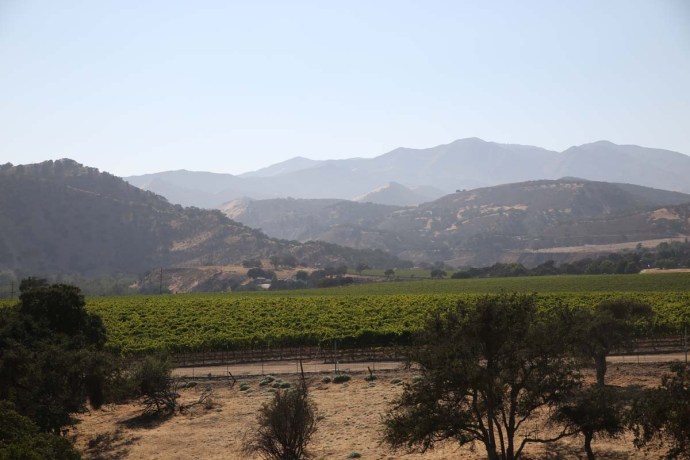
 

IG3C9074

Carmel Valley

IG3C9073


The second night was spent in King City, A not very remarkable motel in a not very remarkable place.  That left just a short (?) few hours drive left to Los Angeles for the next day.

I stuck to the inland road so my dream of completing Highway 1 was not to be.  But this was my first dose of real US Freeway traffic.  There was one section near Santa Barbara where it took nearly two hours to travel 10 miles  There seems to be an inverse rule that the wider the freeway and the more lanes, the slower it will be.  Still the cd was blaring out Irish tunes and this is the American Dream isn’t it. The road trip?  Crawling along the Freeway.

Ahh no; really there was a lot to see.

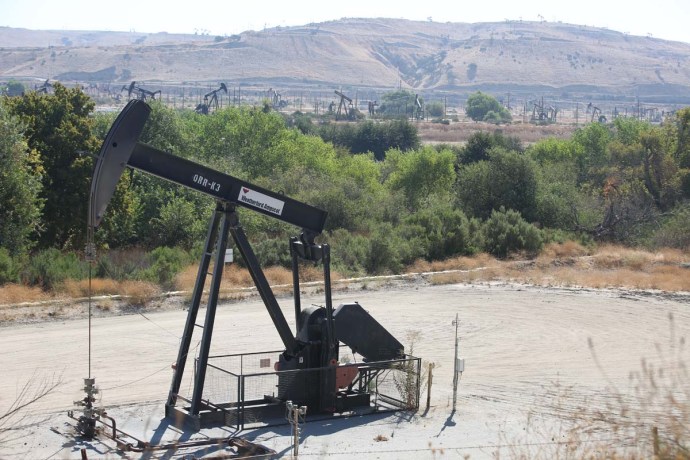
The Salinas River Valley is home to the very large San Ardo’s Oilfield.  The Miocene sands here are rich in oil bearing sediments and oil wells with ‘nodding donkey’ pumps are as far as the eye can see.  It is surprising how the simple beam pump used in the mining industry for centuries is still in use as the main method of extraction.
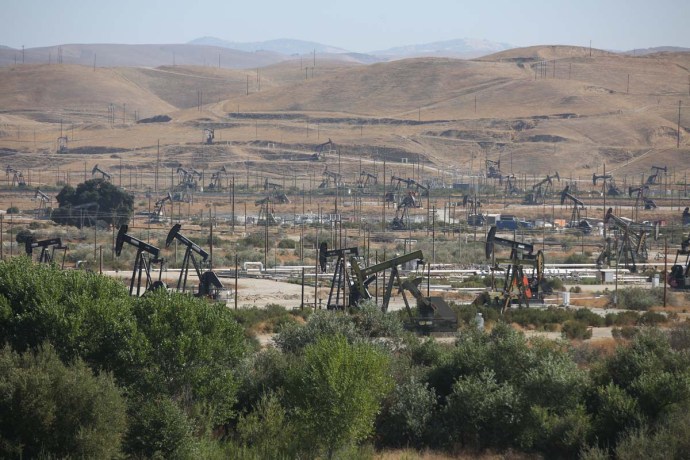
 

IG3C9105

San Ardo oilfield

IG3C9111

A bean pump at San Ardo


IG3C9142

San Ardo oilfield


It’s not generally thought of as a pretty sight but for the geologist in me it’s like looking through a window into a decaying technology extracting a dying product.  Already in many parts of California the acres of nodding donkeys have been replaced by acres of solar panels and windmills.

The drive along Highway 101 takes you in large part through the earliest settled parts of California.  The original settlers (ie invaders) were the Spanish and they set up a string of Missions between 1769 and 1833.  They were set up by the Fransiscans to evangelise the native Americans.  There were 21 of these Missions and they formed the basis of the colony of New Spain known as Alta California and part of the Spanish Empire.  They heavily disrupted native Californian life by forcing them to live in settlements, introduced ranching, fruits, vegetables, horses and technology but left a lasting legacy in terms of modern California with the cities of Los Angeles, San Diego, San Jose, and San Francisco developing around missions.

Mexico achieved its independence from Spain in 1821 and took Alta California with it and in 1849 ceded it to the United States as a result of losing the Mexican war.  Ironic actually as gold was discovered in California that same year.

 I visited one of these missions at San Miguel.  Built in 1797 close to a Salinas Indian village the aim was to convert these natives to Christianity.  It is still largely in original condition and though not run now as a mission is used for regular church services. You can tour through the building which includes many notable featurs such as a collonade of 12 arches all different sizes and shapes, a plaza with a fountain, a courtyard, an alley through the buildings to allow sheep to enter, original furnishings and art work, a beautifully decorated church and an adjoioning cemetery with the interred remains of 2,250 native Americans.
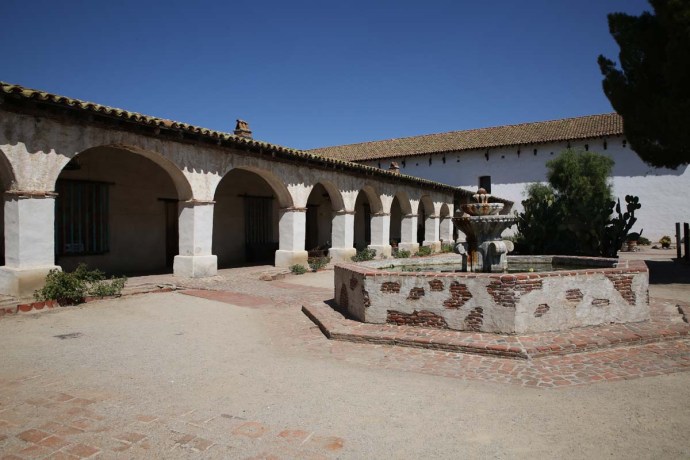
 

IG3C9183

Plaza and fountain San Miguel Mission
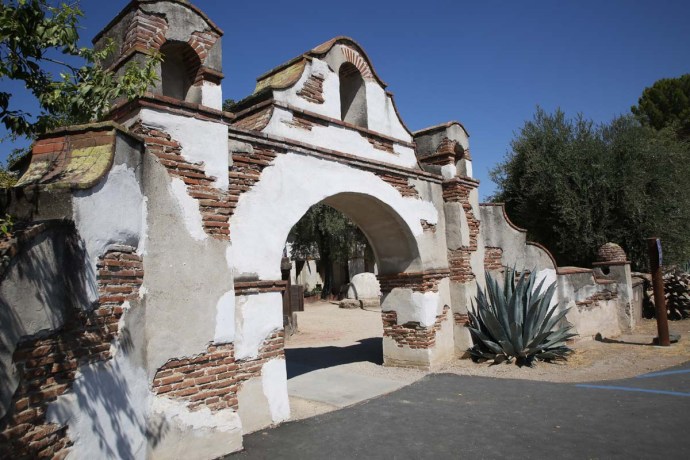
 

IG3C9170

Main gate to the Mission

IG3C9199

Collonade with 12 arches


These buildings are held in high regard and their preservation a priority as they are  a treasured part of Californian history.

The missions were accessed by a road known as the El Camino Real (The Royal Road) going from San Diego to north of San Francisco.  Much of it was just a goat track but in places it was marked by carved crosses in trees.  As you would imagine most haven’t survived but one was discovered near San Miguel and is on display here.  Today Highway 101 pretty much follows the old route and it is marked by bells on poles. Tradition has it however that the padres spread mustard seed along the route creating a golden highway helping the pilgrims to find their way.

So I’d certainly recommend the journey.  Check whether Highway 1 is open and be prepared to travel other routes.  Get off the freeways and take your time.  It’s always rewarding.  But that’s the great thing about travel.  There’s always something else to discover somewhere else.  It just might not be what you expect.

IG3C9362


IG3C9386

California grass.


Categories: America, My Journey | Tags: , , , , , , , , , , , , , , , , , , , , , , , , , , , , , , , , , | Leave a comment

Dingleingdinglelingering. Living on the Hedge.

So what’s the word for someone from Dingle? Maybe a Dingleling?  Sorry about that.

And what if someone from Dingle spent a relaxing day touring the Dingle Peninsula? Well that would be Dinglelingdinglelingering wouldn’t it?

Well enough of this silliness.  I am not a Dingleing but I would be quite happy to be.

7th August 2017.  The weather forecast said scattered sunshine and showers. That was like a gold-plated invitation to spend the day outside. So I decided to go Dinglelingering.

The weather forecast however, luckily, was wrong. There was NO rain and lots and lots of sun. So a quick trip around the Peninsula saw me and my very worthy photo assistant for the day, Sophia, from Bavaria, a first time visitor to Ireland, doing a quick tour over Conor Pass to Dingle, Ballyferriter, around the Slea Head Road to Inch and back to Tralee.

The scenery is of course astonishing and a huge contrast to the magical winter wonderland I posted on my blog in March.

Link to dingle-peninsular-the-irish-alps

Here’s a few samples from the most recent visit. Glorious panoramic views from the Conor Pass;  an elevated glacial lake way above the road;  truly spectacular striations on the bare rock caused by glacial action; the coastline along Slea Head, Inch Beach; a busker, lots of tourists.  Tourists yes but thankfully not the stream of buses you get in the Ring of Kerry.  But after all it is August.

Dingle Panorama 2

Dingle Panorama 3

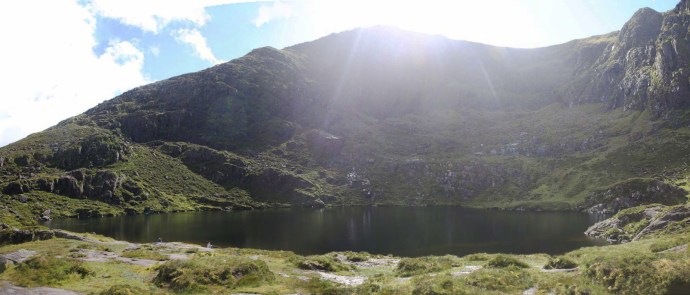
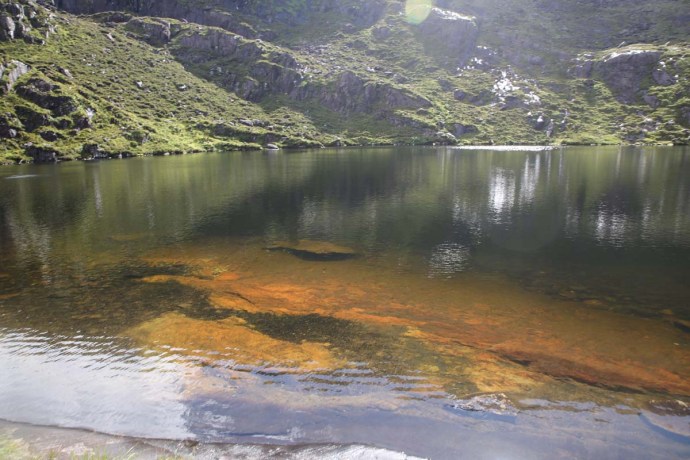
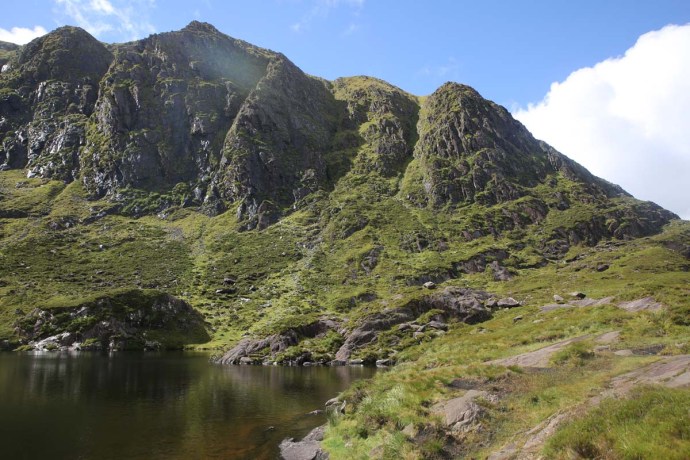
Elevated glacial lake above the waterfall on the Conor Pass

Dingle Panorama 4

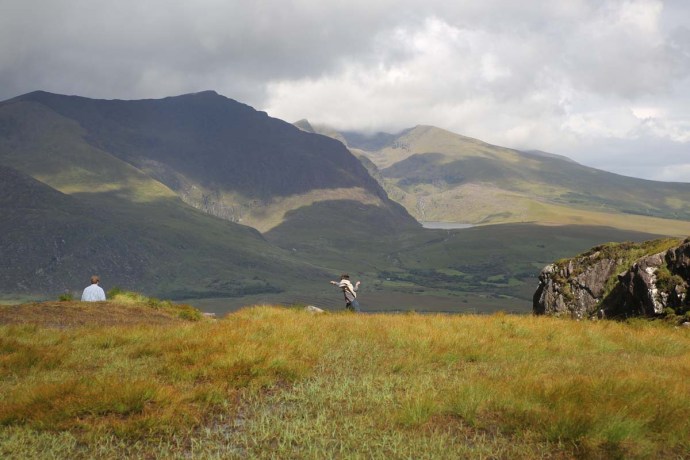
View from tht top of the Pass.
IG3C8031

colours in the floor of the lake

IG3C8035

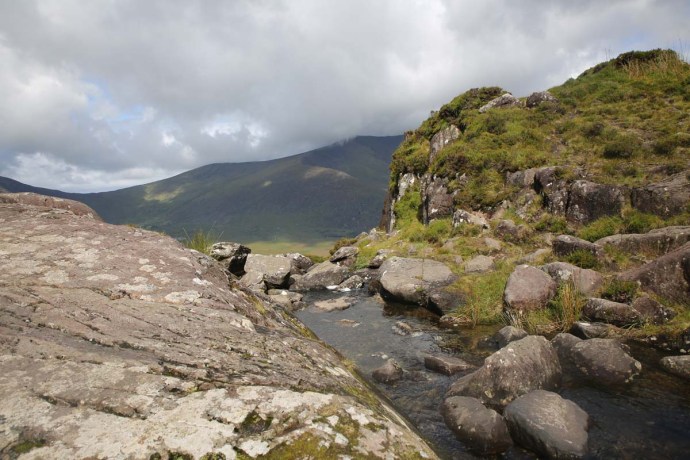
Glacial striations on the edge of the lake, caused by movement of ice.

IG3C8040IG3C8043

IG3C8059

The water exits the lake by this narrow channel.

IG3C8061

IG3C8129

Lakes on the valley floor.


IG3C8334IG3C8361IG3C8368IG3C8422IG3C8430IG3C8467aIG3C8478


IG3C8485

Beehive huts from 2,000 BC

IG3C8518

Detail of a hut wall

IG3C8551

Beehive hut wall and roof.  Corbelled.

IG3C8630

Inch Beach

IG3C8658

Inch Beach

But that’s not what I wanted to talk about in this blog.   I want to focus here on what I think is the highlight of a summer soirée in this part of Ireland.

Living on the Hedge.

I can’t speak for the rest of Ireland but Clare and Kerry are in late July and early August absolutely ablaze with a riot of colour lining the roadside. This is my fourth summer here but I never noticed this intensity of flora before. This year has produced magnificent displays of wild flowers. We had it earlier in the Spring with the Spring Gentian and orchids carpeting the Burren and then the incredible Whitethorn and now this vivid show.

Hedges are a major feature of the Irish roadside if you leave the N’s, particularly if you travel the byways – R’s and L’s. Most of the year you don’t notice them. A drab and featureless tangle of green or in winter, seemingly dead and leafless.  And then the rest of the year, they are vigorous and compete with the tarmac making the roads considerable narrower.   And they can block your unimpeded views of the countryside.  But it’s a different story when they are in flower.
IG3C8284a

IG3C8316

So here in Dingle I decided to have a closer look. This particular boreen is a part of the Cosán na Naomh or Saints Road, an 18km pilgrimage road to the foot of Mt Brandon.  The magnificent backdrop is of the coast around Ballyferriter with the Three Sisters being prominent.

IG3C8270

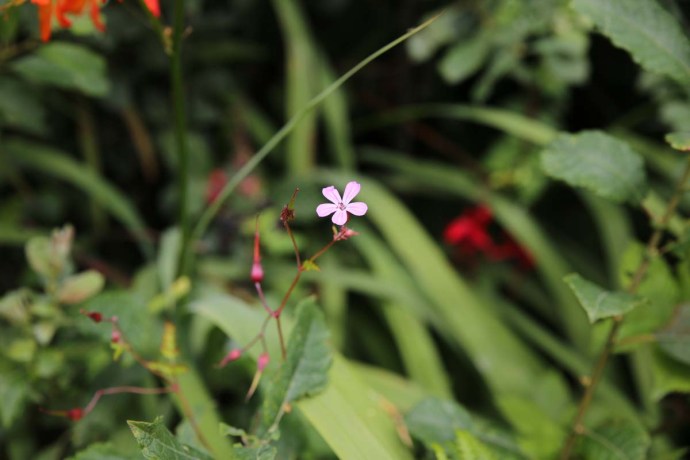
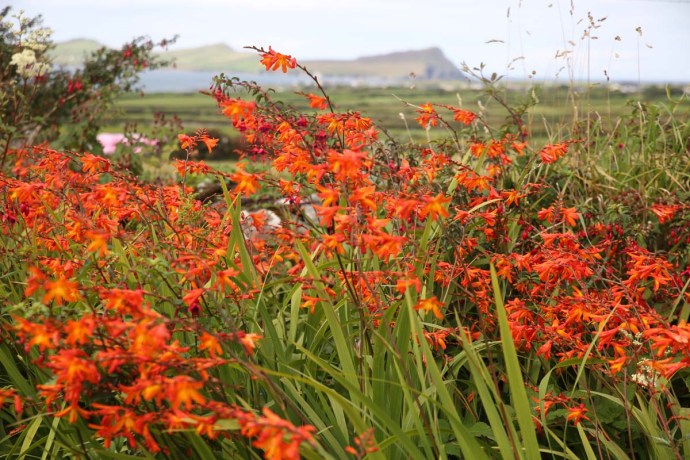
The hedge is a layered pastel of orange, red, white, yellow and purple.  I was intrigued and wondered how much of this display was endemic.  I knew fuchsia wasn’t. What about the rest?

IG3C8253

So here is a bit of a rundown of the most obvious plants that make up this display. I’m sure I’ve missed heaps as I am not a botanist but it’s what my eyes and camera were drawn to.

Fuchsia.  Fuchsia loves Ireland. I struggled to grow this back home in Australia. Too dry, too hot, too much sunshine.  But here those issues are not a problem. You don’t see the many exotic varieties just the one purple and blue single bell shaped flowers.  Of course the flowers are exquisite and despite its origin in Chile the bush has been so naturalised that it is the Cork county emblem.

IG3C8245

Fuchsia

Wild Angelica. Standing out against the orange and red are the white many rayed umbels of this tall perennial. A native of Ireland

IG3C8286

Wild Angelica

Brambles/Blackberries   One of the pleasures of Ireland is the gathering of blackberries from the roadside. No worries about spraying as in Oz. This time of the year the brambles are flowering and developing berries.  A taste of what’s to come. You have to look hard among the verdant growth but soon they will dominate.  Native to Ireland but a pest in Australia.

IG3C8257

blackberries

IG3C8308

Blackberries

Wild Carrot  A tall erect plant with a cluster of white flowers. Native.


Centaury. Small 5 lobed pinkish red flowers, somewhat overpowered by its neighbours. Native

IG3C8229

Centaury

Tufted Vetch. A splash of purple on long stalked racemes. Not so common here but ver abundant.  Native


IG3C8301

Tufted Vetch

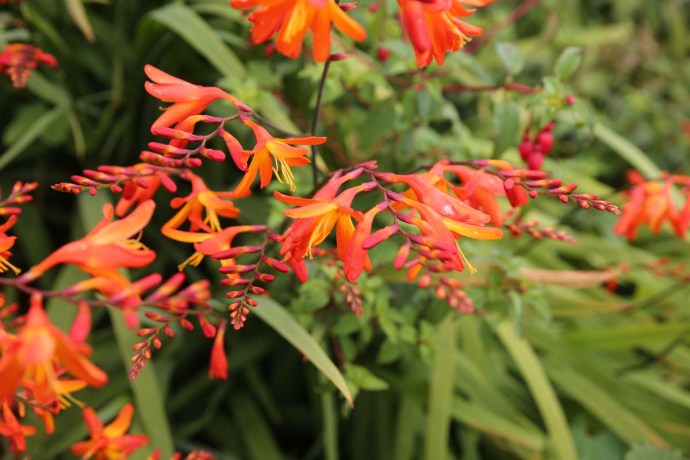
Montbretia.   The most startling plant. Long strap like leaves and multiple flower stems with bright orange funnel like flowers. I love the way this plant is described as a Naturalised Garden Escape.  So definitely not a Native.

IG3C8196

Montbretia

IG3C8312

Montbretia

Meadowsweet   Creamy-white scented flowers. 5 petals. Tall erect plant.  Native

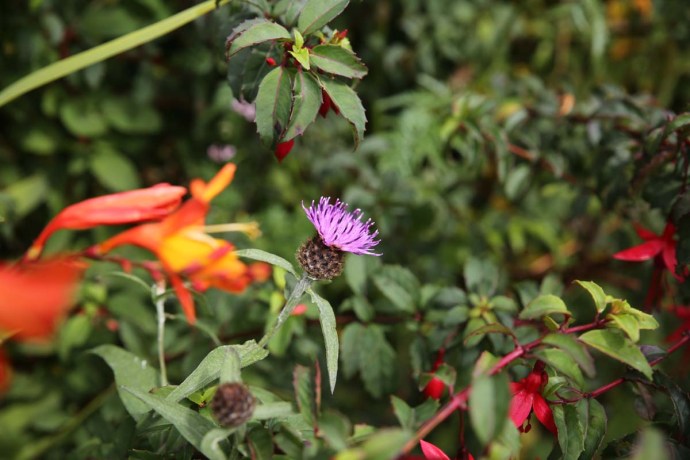
Common Knapweed / Hardhead   Flowers are red-purple on erect stems.  Height to 1m.  Native.

IG3C8247

Common Knapweed

Hawksbeard.  Splashes of yellow among the reds oranges and purples.  Clusters of small yellow flowers with erect buds. Grows to about a metre.  Native and very common.

IG3C8240

Hawksbeard

IG3C8254

Hawksbeard


So, turns out most of the plants are native. But and here’s the big but. The two dominant plants of the roadside are the Fuchsia and the Montbretia and both these are introduced. The hedges without these two plants would be very different and I’m guessing would be dominated by brambles with the other plants struggling to get a foothold.

If you are visiting Ireland in Summer, do take time to stop the car and have a look.

Categories: My Journey, Wild Ireland | Tags: , , , , , , , , , , , , , , , , , , | Leave a comment

Here today, gone tomorrow? The reappearing beach at Dooagh, Achill.

Achill, Acaill, Ecaill, Eccuill, Akill, Akle, The Aukilles.

These are some of the names recorded historically for Achill Island in West Mayo. The original meaning of the name however is unknown.  This is perhaps fitting as the Island itself is somewhat enigmatic.  I am constantly surprised, as I was on my most recent visit in July 2017.

Dooagh is one of a number of pretty villages on the island.  It has variously prospered and faded over recent centuries.  It became a hub when it received villagers who abandoned their homes in Slievemore during the mid 19th century.   The village is nestled on the Atlantic shore and its wellbeing has always been connected with the sea.  Fishing, seaweed and the hotels and guest houses that lined its sandy beach.  Then in 1984 the sand disappeared.  A wild storm stripped it away to the bare rock.  The decades passed and Dooagh had resigned itself to its beach’s fate until in April 2017 the sand returned.

Dooagh beach 1

The world went just a little mad, but this is a  perfectly natural event and has apparently occurred many times before.  John O’Shea, who has lived in a house on the beach for 46 years explained “When the wind is up north the sand builds up, when the wind’s sou’ west the sand goes out.”  It happens with Keel, Dooagh and Keem Bay, he said, and it happens regularly.  But this time seems to be different. The story has gone global.   John has had phone calls from Texas, Netherlands, New Zealand asking what’s going on.  A group of Chinese came – they didn’t want to see the Cliffs of Moher they wanted to see the New Beach!  Irish Times reported it and since then the story has spread.  Al Jaziera, The Times and more recently the Guardian did a six page spread.

Dooagh beach 3

IG3C3576

A particularly high tide and favourable marine conditions along with the northerly winds has brought back the sand and boulders that had been waiting below the low tide mark.  The world has taken notice and the tourists have come.

Beaches are a dynamic environment.  Man’s desire to live close to the beach creates conflicts that are often resolved by serious intervention in the natural process.  Huge quantities of rock are sometimes dumped to protect buildings or infrastructure and prevent erosion of the land and sometimes sand is ‘shifted’ from elsewhere to maintain  a ‘beach’.

IG3C3573

What has happened in Dooagh however shows that if we just leave things alone, Nature will find a way to restore equilibrium.  Beaches disappear.  And they come back.  We should celebrate with the people of Achill the return of  its sixth beach and hope that it lasts a long time.  But if it doesn’t last and the tides and winds sweep it away, we should celebrate that too.  These natural rhythms are on a planetary time scale and rarely on a human one.

Please take note Mr Trump.

Dooagh beach 2


Categories: My Journey, Real Ireland, Wild Ireland | Tags: , , , , , , , , , , , , , , , , , , , | Leave a comment

Life is a beach. Keel is a beach.

My camera and I spent a few hours on the strand at Keel on Achill Island in Co.  Mayo.  I thought I would share some of those moments with my blog readers,

Life is a beach
Keel is a beach
Keel is Life
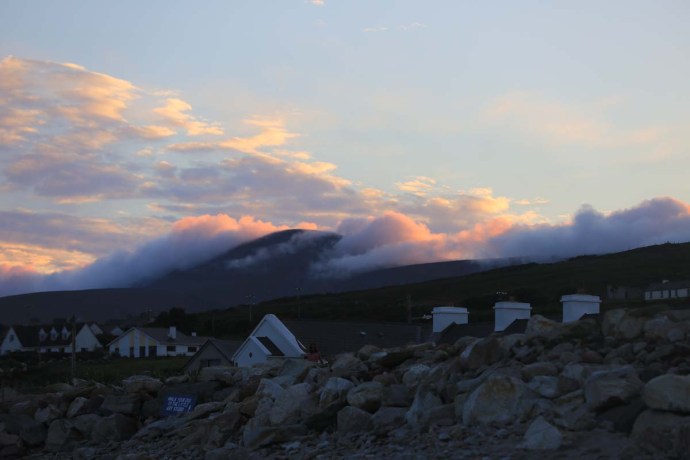
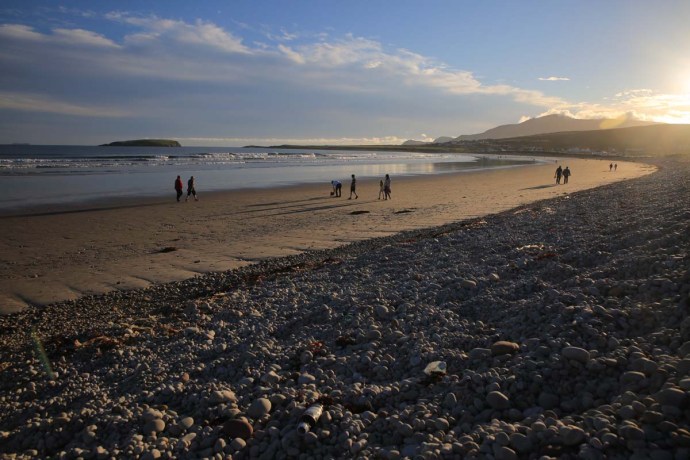
Keel is sand, sun, grass, clouds and mountains
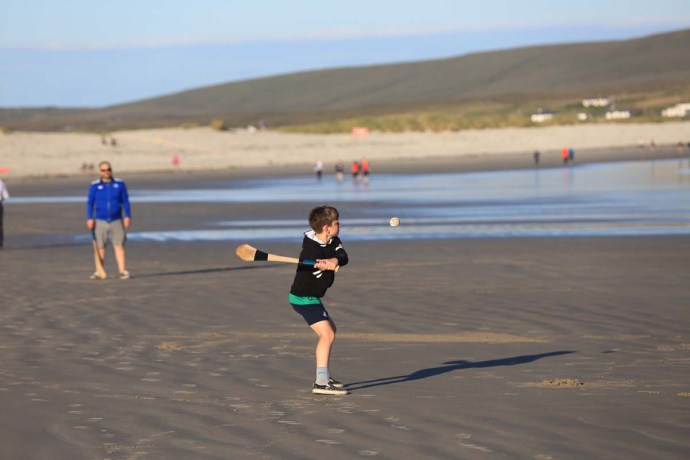
Keel is hitting a ball
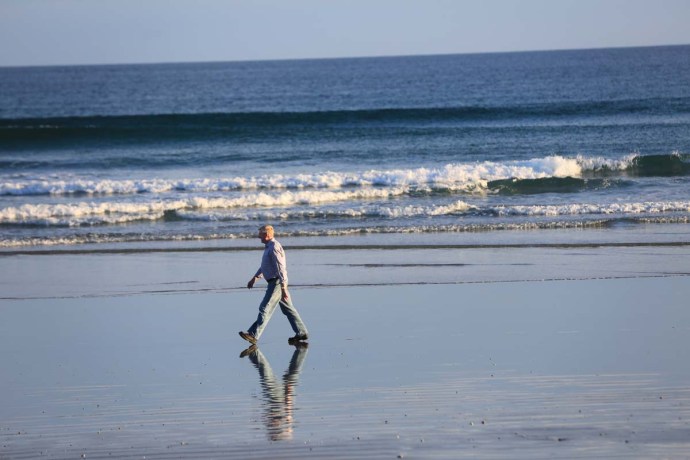
Keel is walking or running
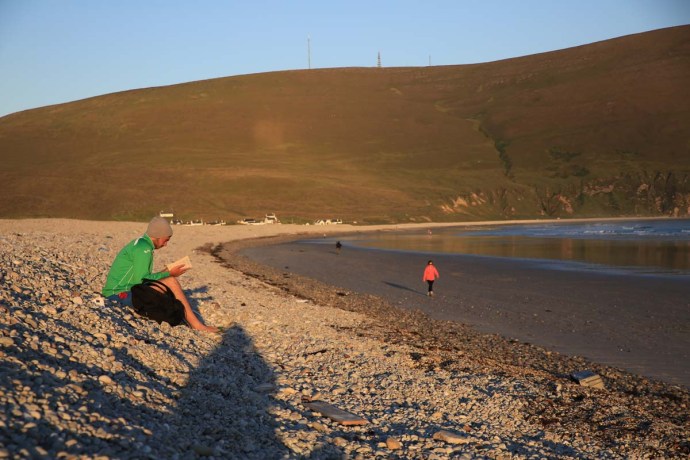
Keel is reading and thinking
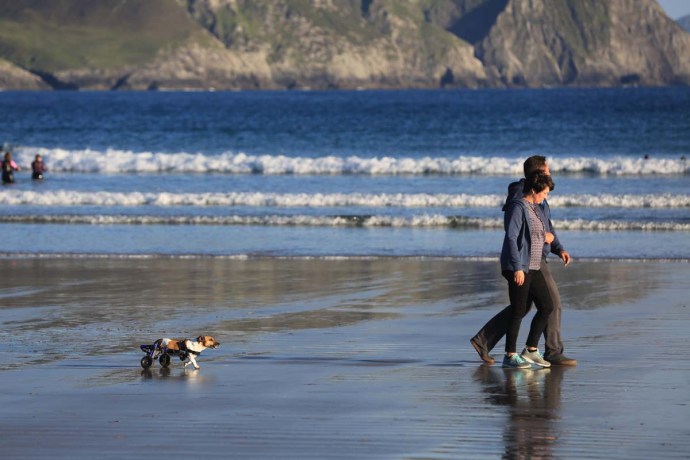
Keel is wheels
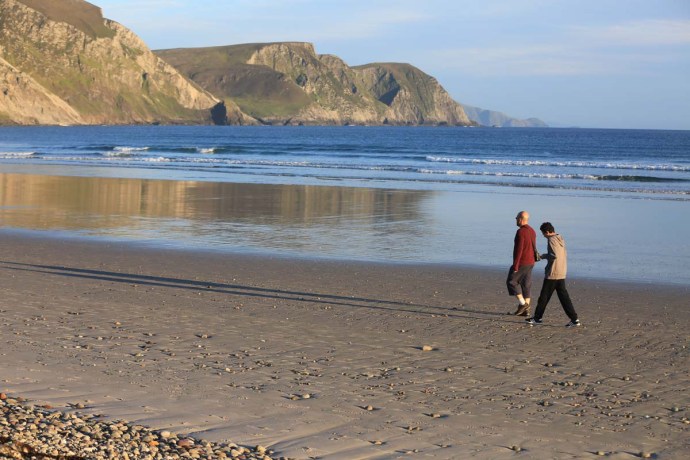
Keel is long shadows
Keel is a dune of cobbles
Keel is lost in clouds
Keel is reflections
Keel is people
Keel is light

IG3C2321

Keel is sand sun grass cloud and mountains


IG3C2352

Keel is hitting a ball


IG3C2523

Keel is walking

IG3C2544

Keel is running


IG3C2577

Keel is reading

IG3C2407

Keel is wheels I

IG3C2415

Keel is wheels II

IG3C2552

Keel is long shadows I

IG3C2596

Keel is long shadows II

IG3C2470

Keel is a dune of cobbles

IG3C2693

Keel is lost in clouds I

IG3C2720

keel is lost in clouds II

IG3C2604

Keel is reflections

IG3C2499_1

Keel is people


IG3C2715

Keel is light


Categories: My Journey, Real Ireland, Wild Ireland | Tags: , , , , , , , , , , , , , , , , , , , , , | 1 Comment

A taste of Connemara

In early July I was at a traditional music festival at Spiddal in Co Galway.  I’ve been to this Festival every year and each time I was able to get into the hills and explore bits of Connemara.  Well this time the music kept me pretty busy and the weather was very changeable so no road trips.  But in a way I tasted a lot more of what makes Connemara unique.
The organisers of the festival found me some accommodation in a traditional Connemara cottage on the outskirts of Spiddal, which, due to the owners being away, I had to myself.   It was a time capsule. Made from large blocks of granite, covered in a thick coating of white and with a thatched roof.  It was like a picture postcard.  There was a second thatched cottage linked to the first with a glass walled room creating a rambling, many levelled, mix of old and new.

IG3C9301

The cottage near Spiddal where I stayed


In original condition the main cottage had the characteristic low doors, constantly collided with the top of my head. Something I struggled to adjust to.  There was no internet, but somehow this seemed appropriate.  I was told that the traditional design of the cottage was to have the front door aligned with the back so the wind would ventilate the house and blow away the chaff making life easier for the residents and the cohabiting animals.  Both doors were there with the front door though now converted to a window and the back door having wooden half doors and being the current main entrance to the cottage.  It was easy to imagine a house full of people and livestock seeking shelter from the bleak winter.  Life would have been tough.


IG3C9312

Original front door, now converted to a window

IG3C9291

Original back door, looking through to front.  


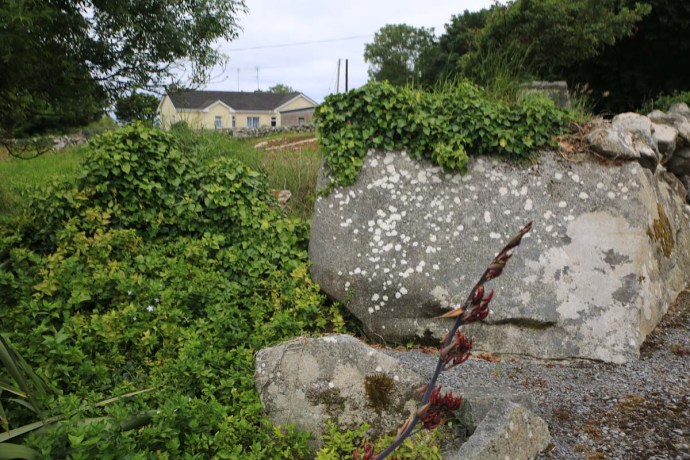
The cottage is part of an unplanned scatter of houses, old and new, lining a winding lane twisting through the granite outcrops towards the bare plains above. Very different landscape to what I am familiar with in Clare.  On these slopes there is thick vegetation attempting to reclaim the land. Giant granite boulders probably dropped by glaciers.  Hedges, some well trimmed others not.  Lovely gardens and as usual carefully maintained cottages next to carefully preserved but ignored ruins. My every move was watched by the happiest cows in the world.

IG3C9336IG3C9314IG3C9332IG3C9347

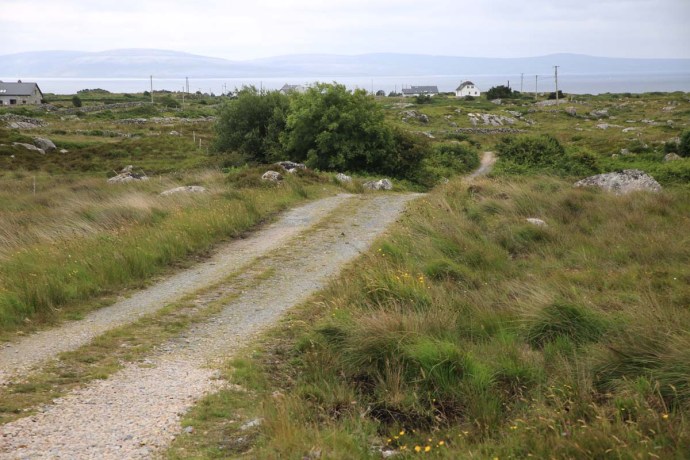
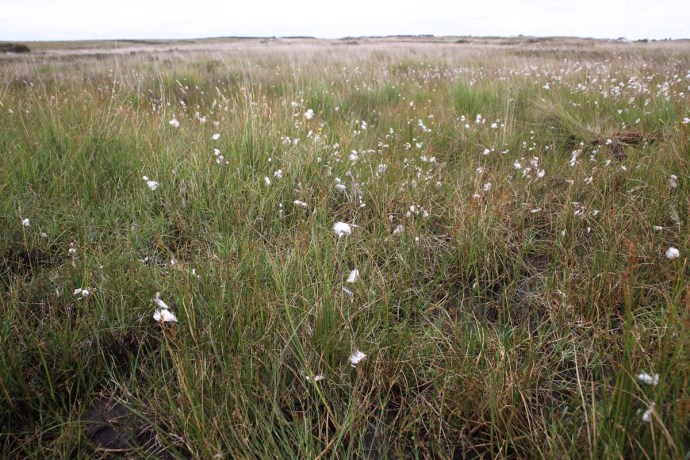
Then I find myself on a narrow boreen,  running through an open treeless bog land covered in bog cotton, piles of carefully stacked turf, granite boulders, the inevitable encroaching windmills and a misty view back over Galway Bay.  The lane draws me on and I pass a man and his dog, a figure that could have walked out of the 1800s.  The rain returns however and I cut my trip short.

IG3C9370IG3C9382IG3C9393IG3C9412abc IG3C9381

Just a taste this time but I will return soon for the full degustation meal.

Categories: My Journey, Real Ireland, Wild Ireland | Tags: , , , , , , , , , , , , | 2 Comments

The Beach at Allihies, Co. Cork. A Beautiful Legacy of Ignorance and Indifference.

Allihies is a very photogenic village near the tip of the Beara Peninsula. I have blogged on it before (click here).   There I gave an overview of the whole Beara Peninsula as well as highlighting the extensive history of copper mining in the area,  but I didn’t mention the pretty beach near Allihies, which I didn’t visit last time.

IG3C4137

The beach at Allihies

Back in the Beara recently, I had a bit more time and found myself on the strand during a break in the bleak weather.  This beautiful place has a very interesting back story and an unexpected connection to the mining operations located high up in the hills above the village.

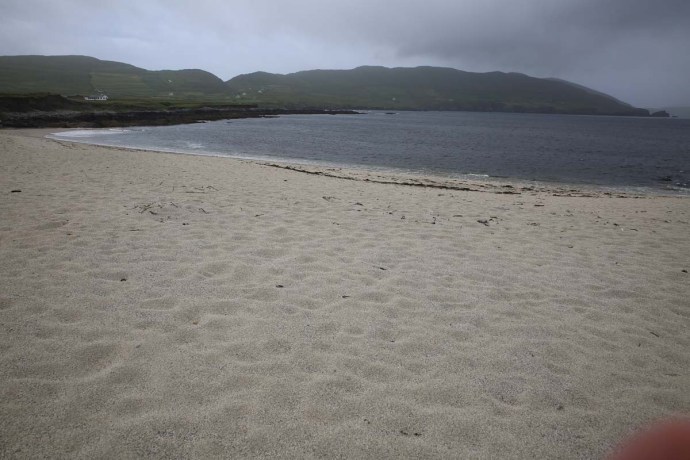
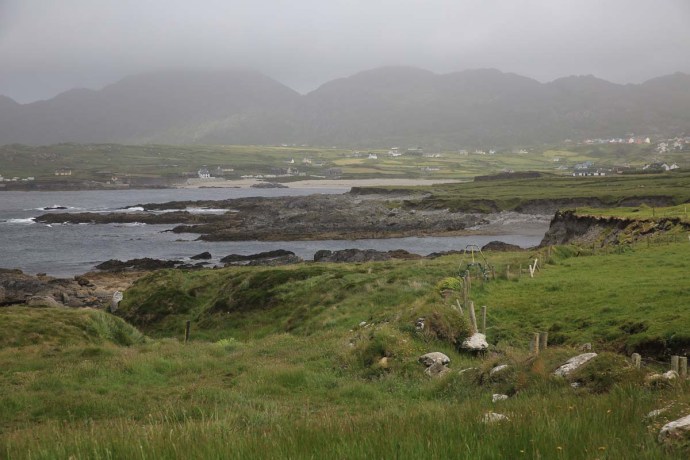
The beach is a surprise.  It seems like it shouldn’t be there. The whole coastline here is rugged and rocky and apparently too wild for sand to accumulate.  And yet there it is, an extensive thick accumulation of golden sand in a protected inlet.

IG3C4147

The inlet at Ballydonegan with the Allihies Beach, the village in the background and the Caha Mountains

IG3C4028

A glorious setting and safe.

IG3C4138

Sand, water, rocks and sky

A close look however shows all is not what it seems.

The sand is very coarse.  It is also very uniform in size and it only comprises fragments of quartz and shale.  There are no organic bits or shell fragments as you would expect.  In fact is unlike any beach sand I have seen.  There are no dunes; just a thick deposit of banded unconsolidated coarse sand.  And due to the lack of fines, it is not compacted as might be expected. It is very hard to walk on and especially hard to climb its slopes.

IG3C3970

Coarse sand.  Lots of quartz and rock fragments

IG3C4098

Thick banded sand.

So where did it come from?

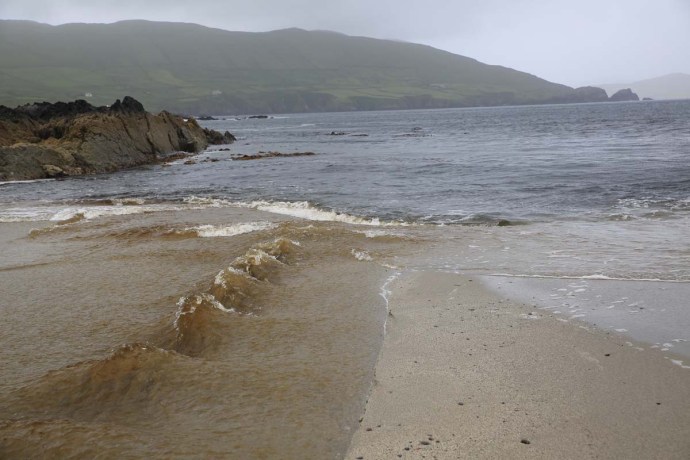
This is where the mining comes in.  Copper mining took place at Allihies for over 70 years starting in 1813.  In its day it was the largest copper production centre in Europe.   Allihies was remote and there were no environmental or safety controls and the Mine Captains pretty much did what they liked.  So rather than build an expensive dam to contain the tailings they were pumped into the local rivers that eventually found their way to the coast at Ballydonegan.  Standard practice then.  Environmental vandalism today.

IG3C4113

Tailings sand deposited among the rocks near the mouth of the river

IG3C4080

The mouth of the river.  Some unusual giant ripples.

So what are tailings?  In hard rock mining the rock containing copper minerals is brought to the surface for processing.  The total percentage of copper minerals may only be about 2-5% so over 95% of the rock mined must be disposed of.  It is crushed and then the copper minerals are separated with the remainder of the rock disposed of.   It was lucky that the processing this time didn’t involve toxic chemicals so the tailings was reasonably clean.   It accumulated at the mouth of the river and eventually the Atlantic Ocean converted it into a beach.  The vast majority of visitors are probably totally unaware that it is man-made.

It is a pretty place.  A great safe swimming beach and stunning views.  It is ironic though that in the 21st century it is one of the attractions of the area whereas two centuries ago it would have been a major blight on the landscape and that a place of such beauty exists because of man’s indifference and ignorance.

IG3C3991

Tranquil and empty.  Mid June.

IG3C4038

Not quite empty.  Holiday makers from the popular adjacent caravan park


Categories: My Journey, Real Ireland, Wild Ireland | Tags: , , , , , , , , , , , , , , , , , , , , , | Leave a comment

Blog at WordPress.com.