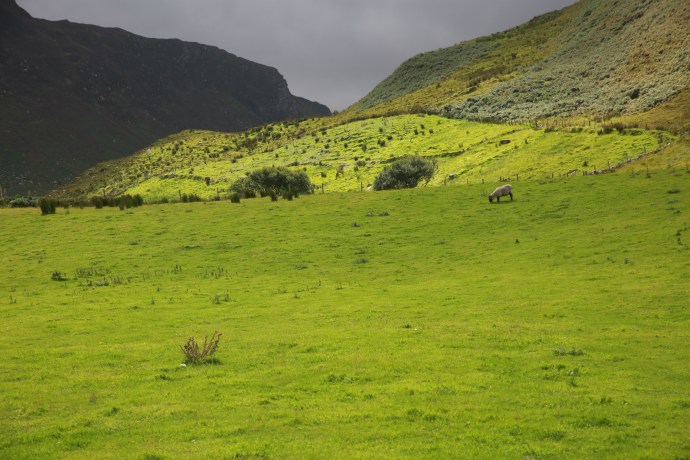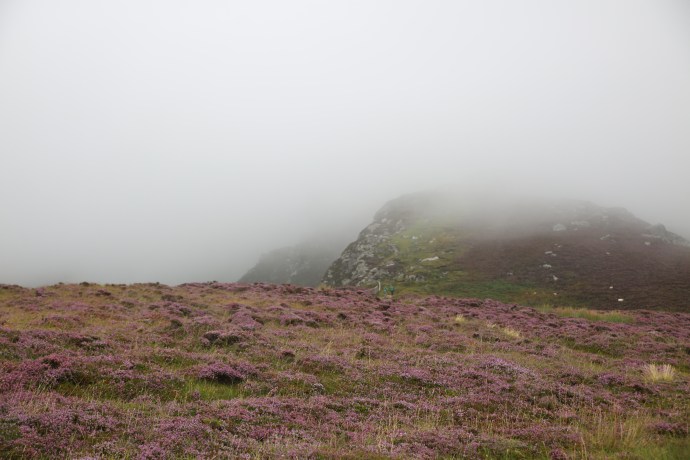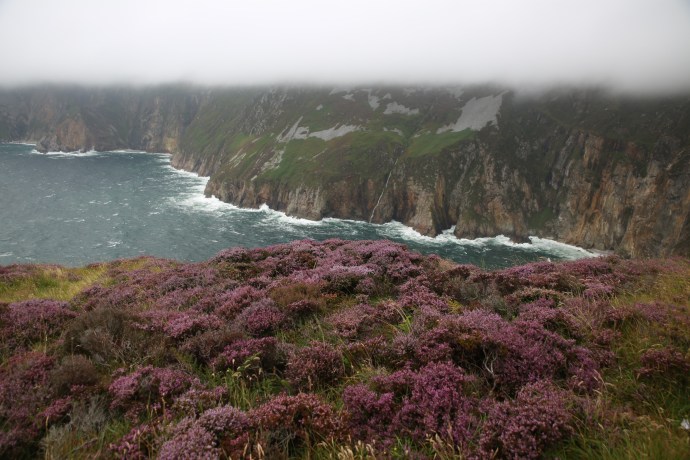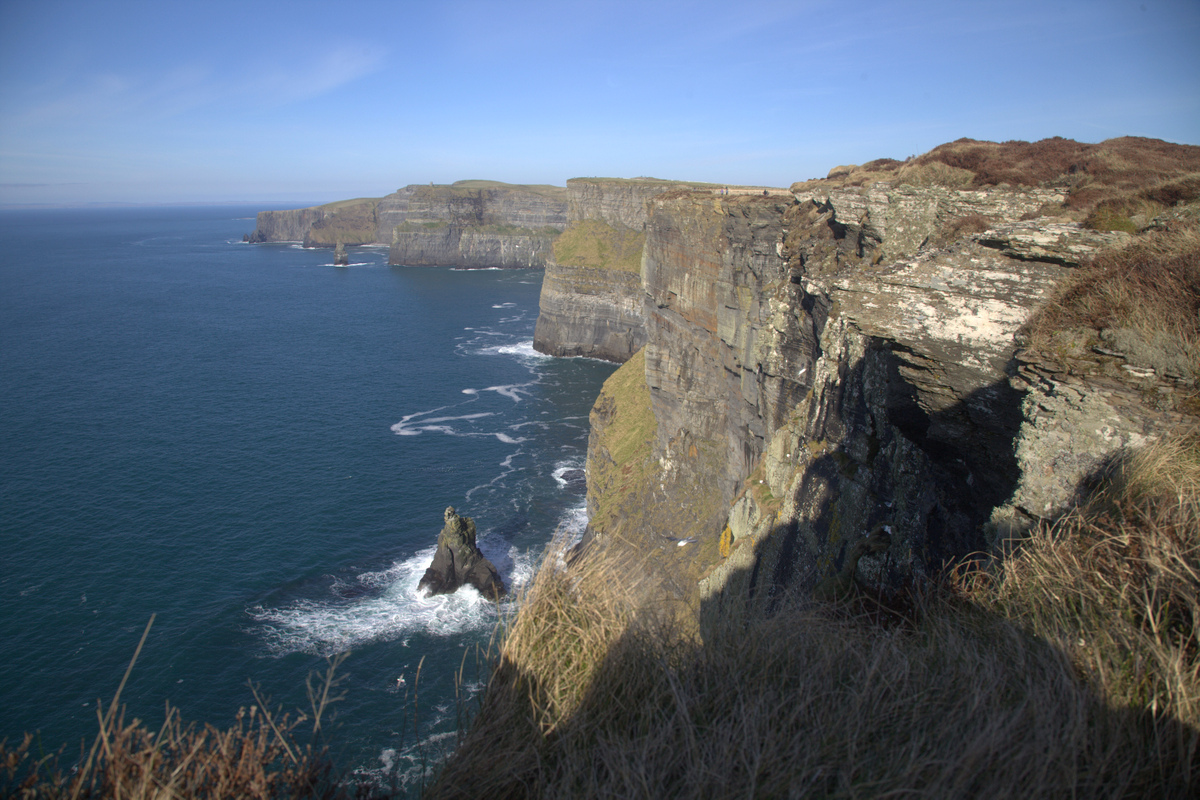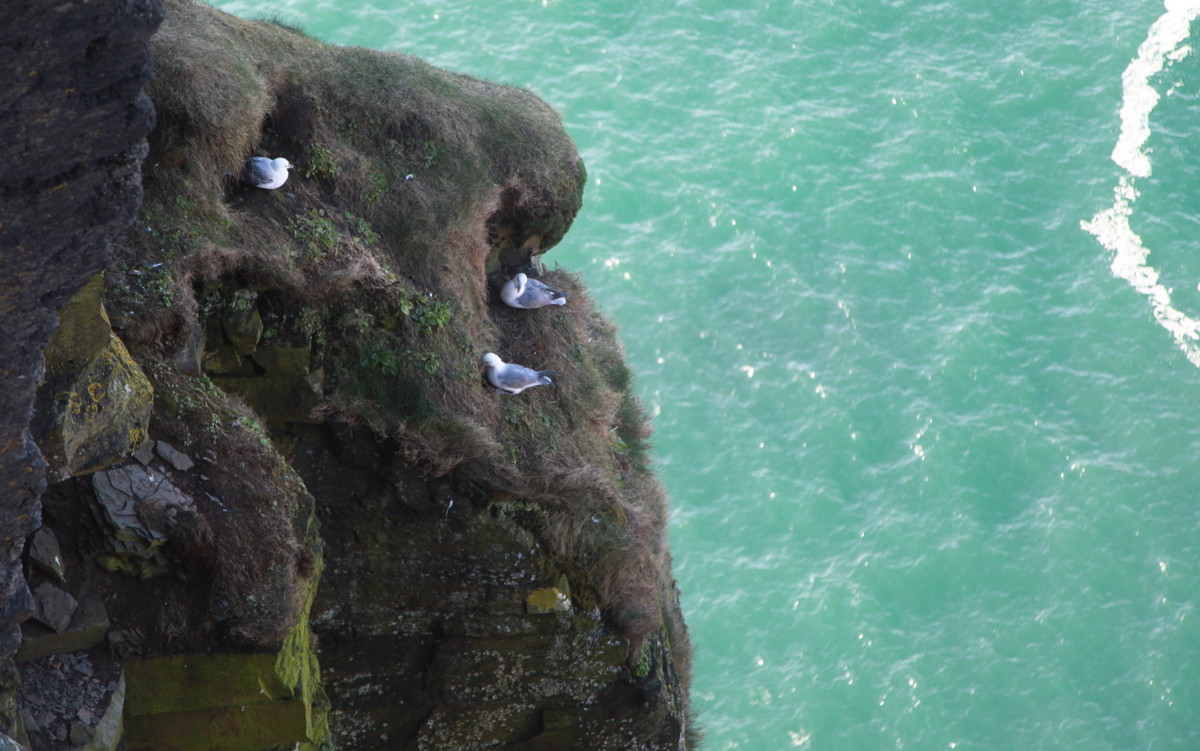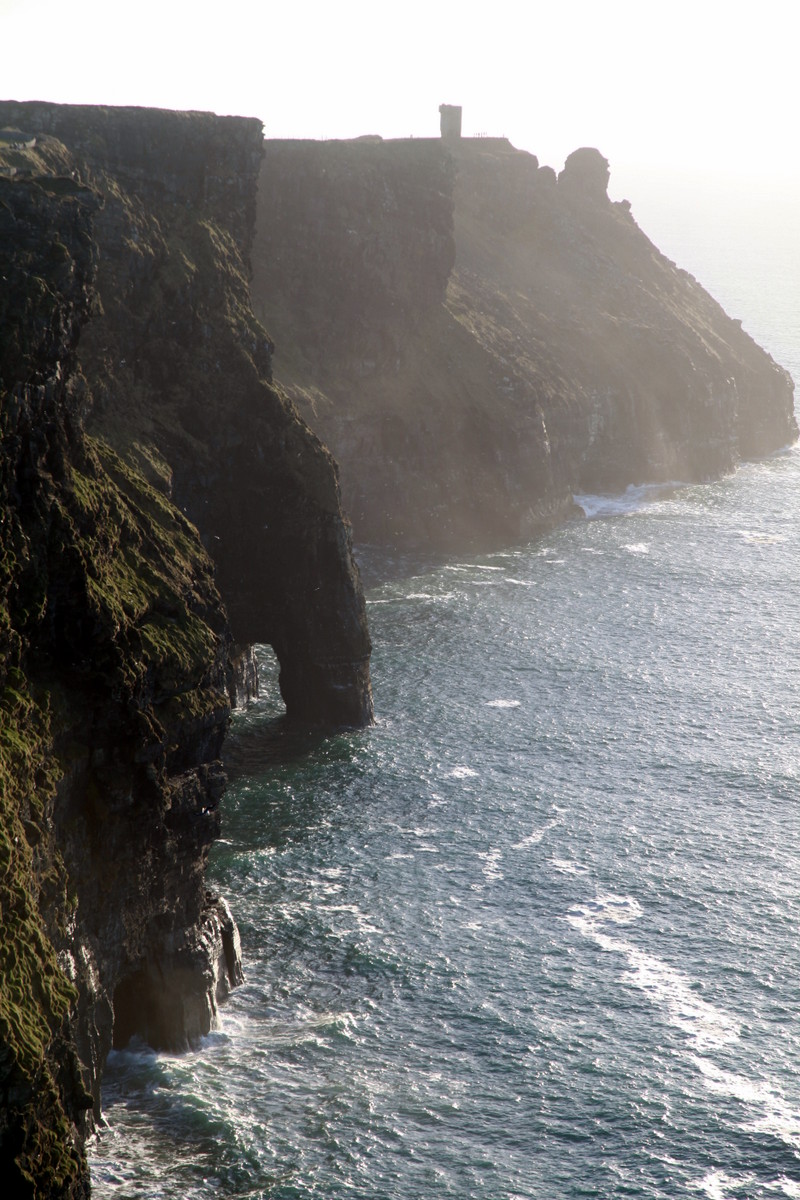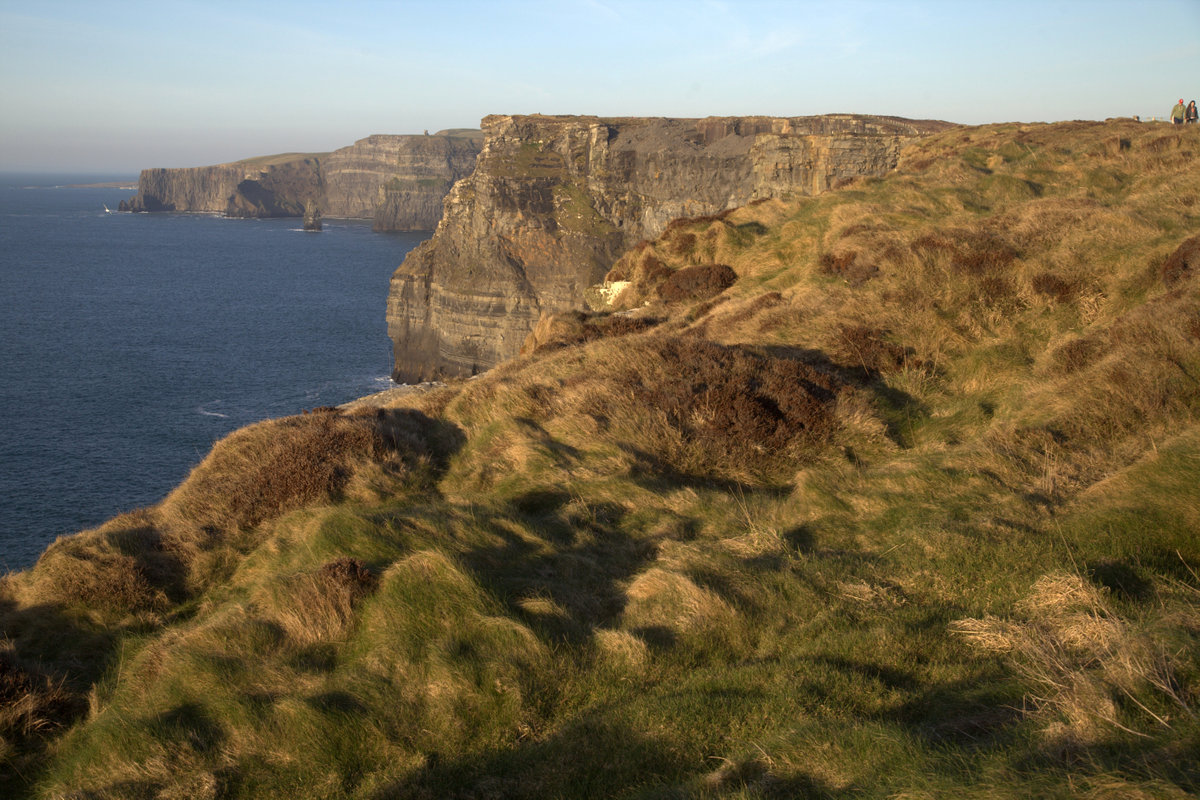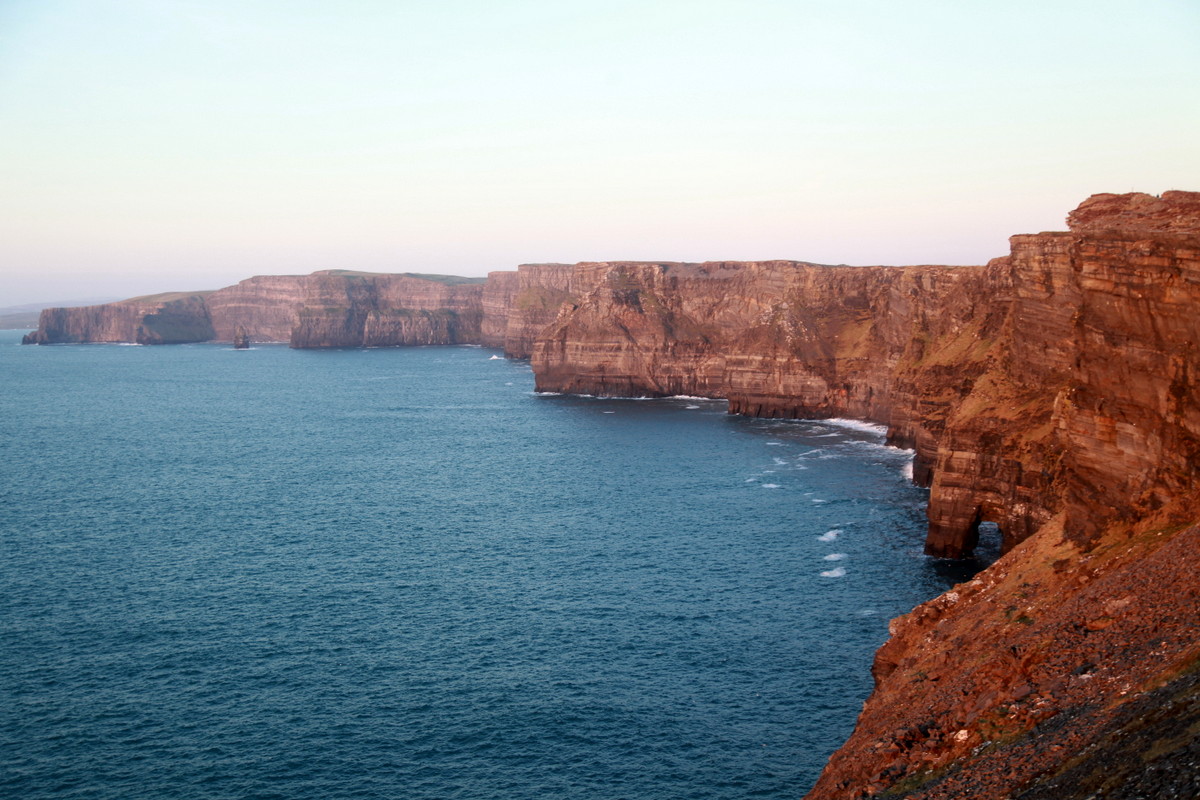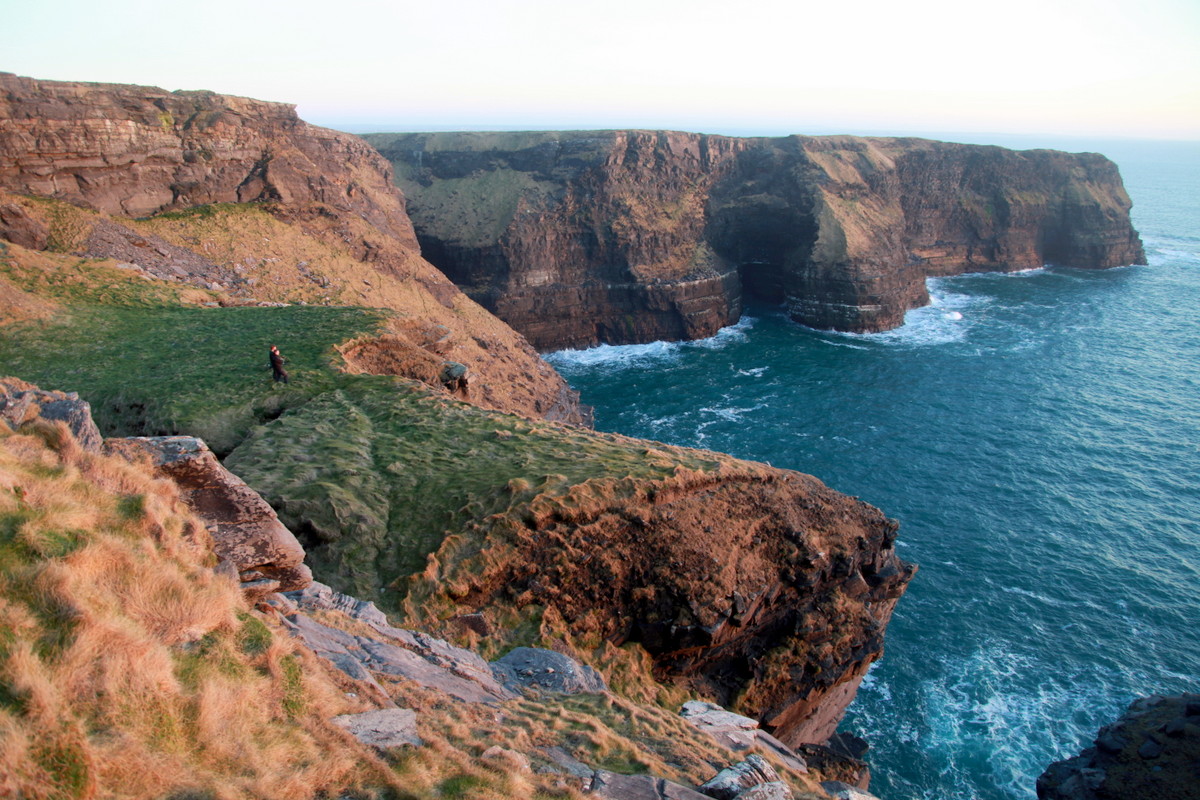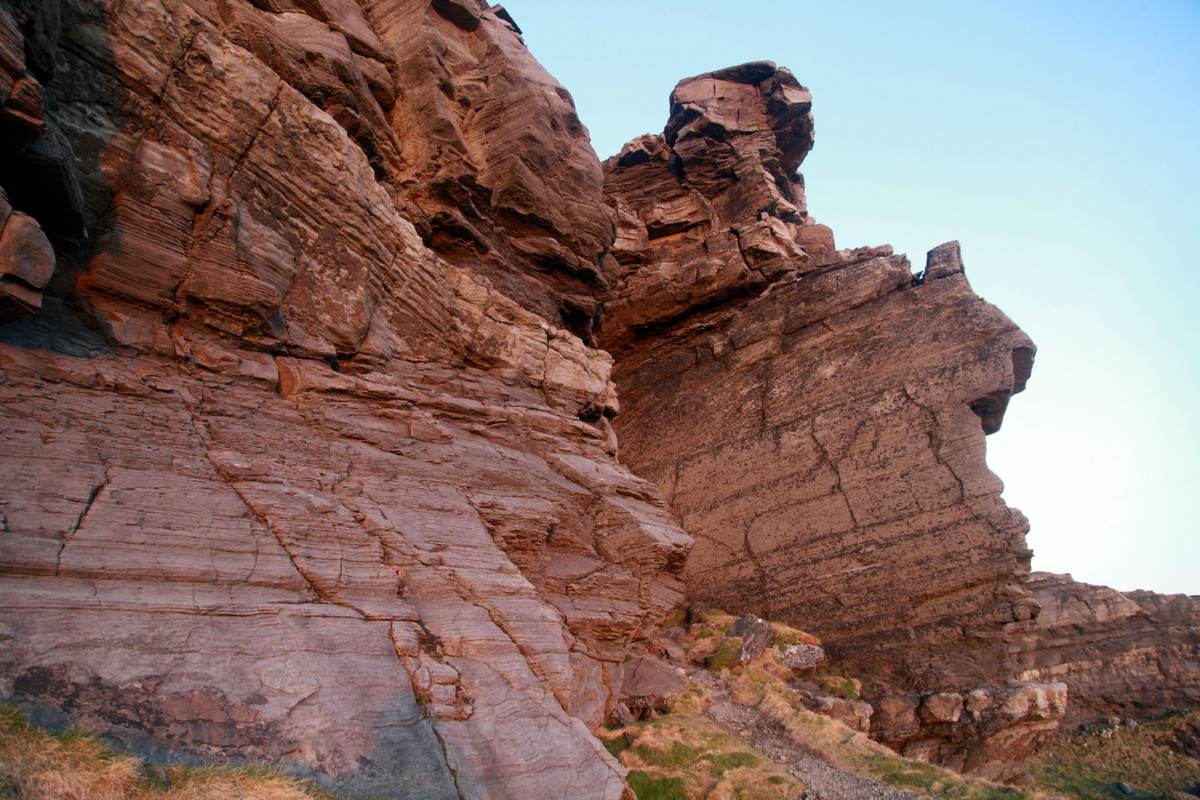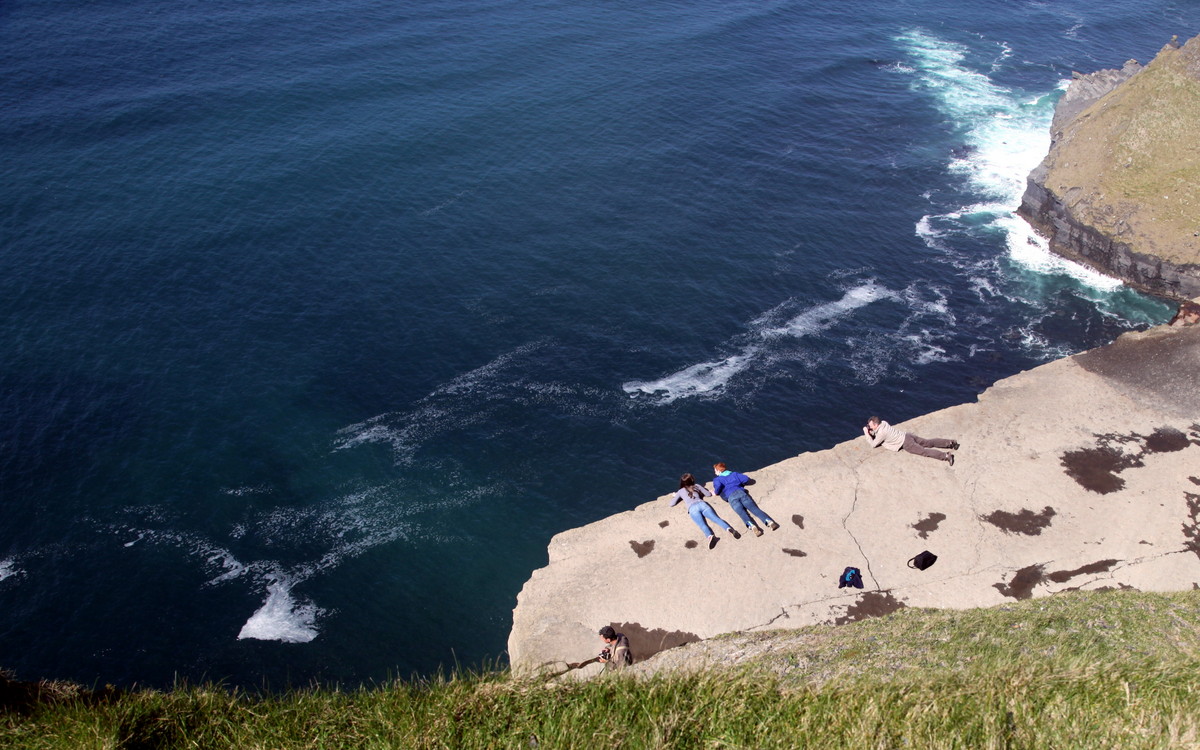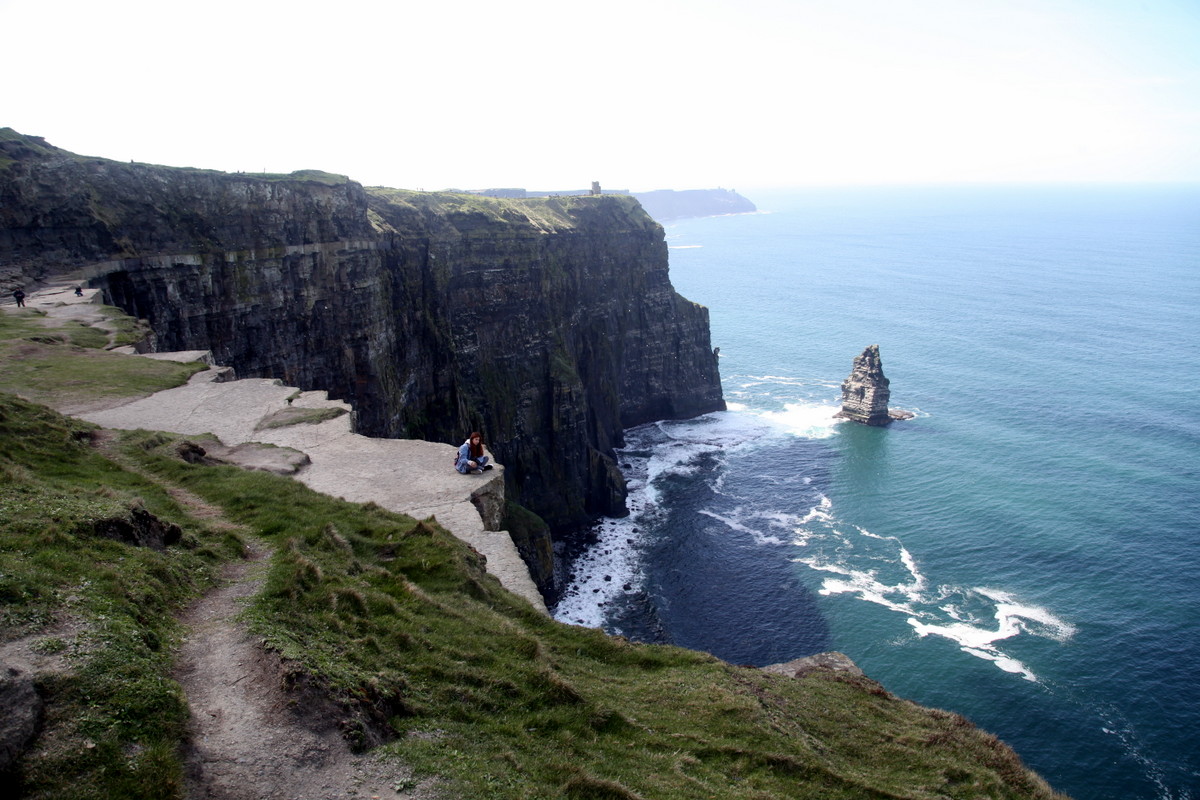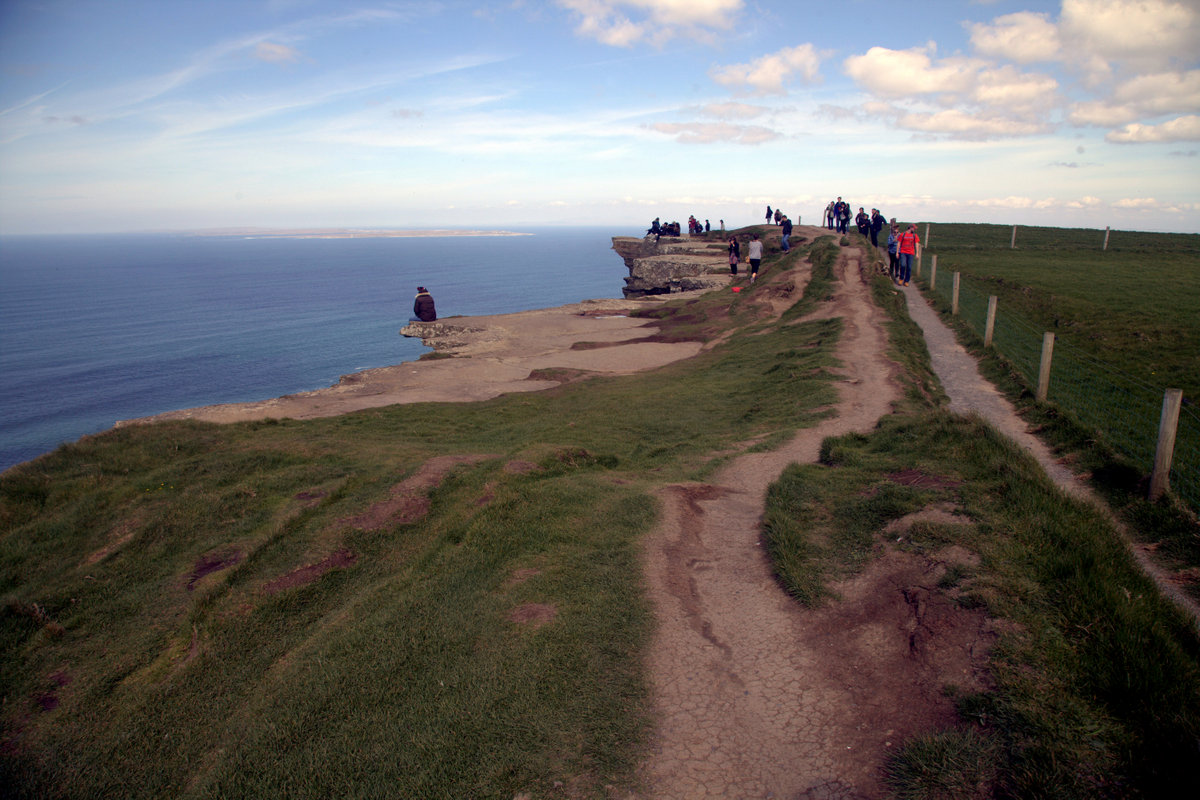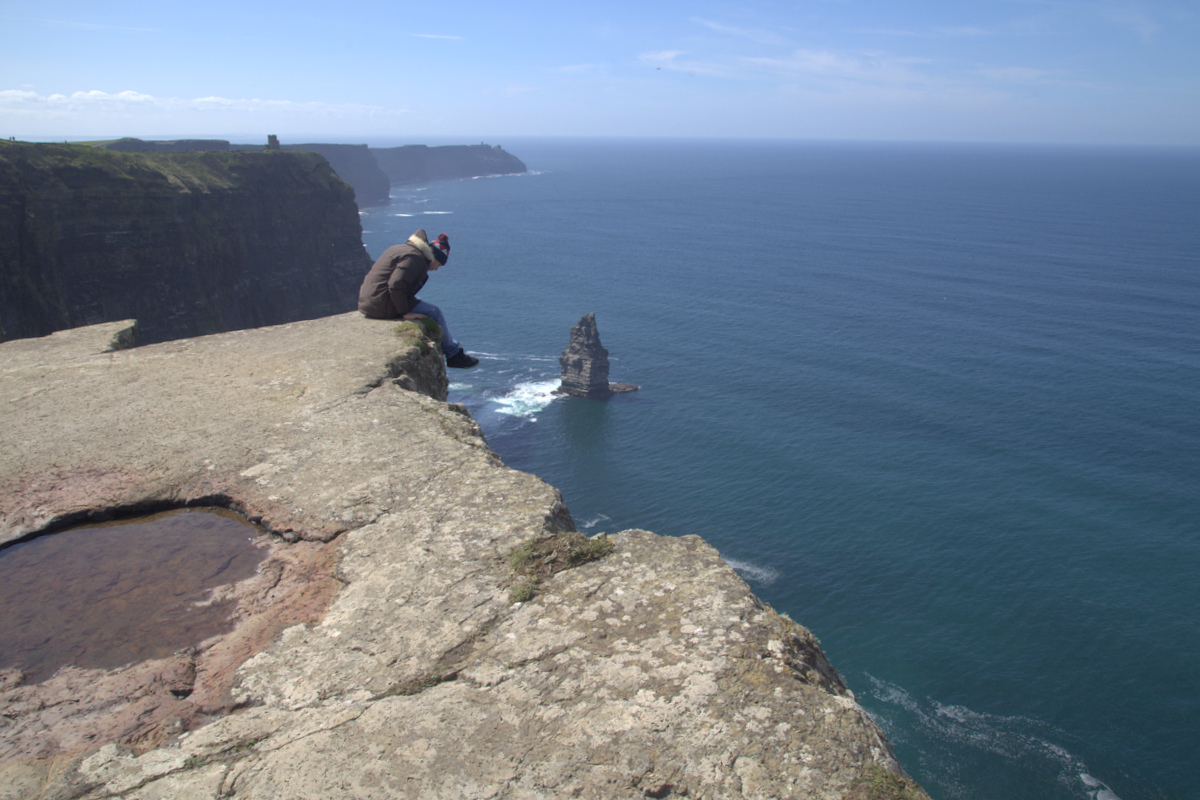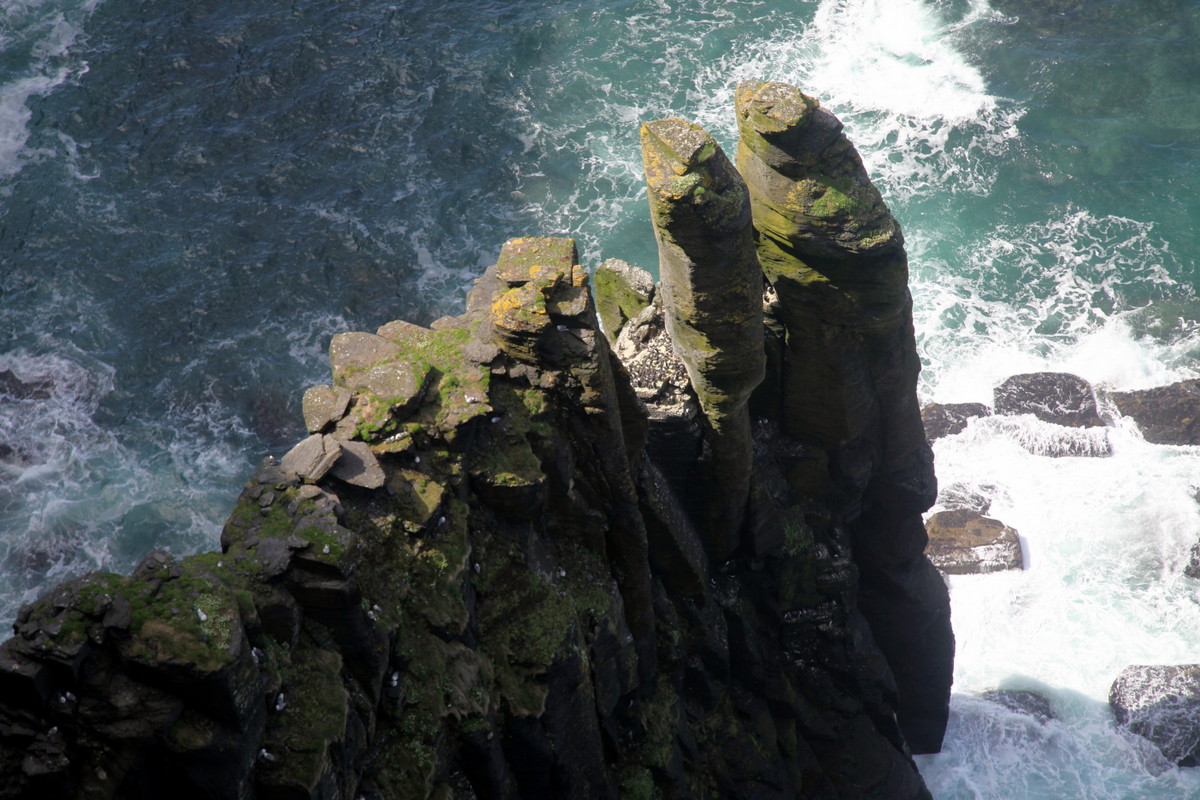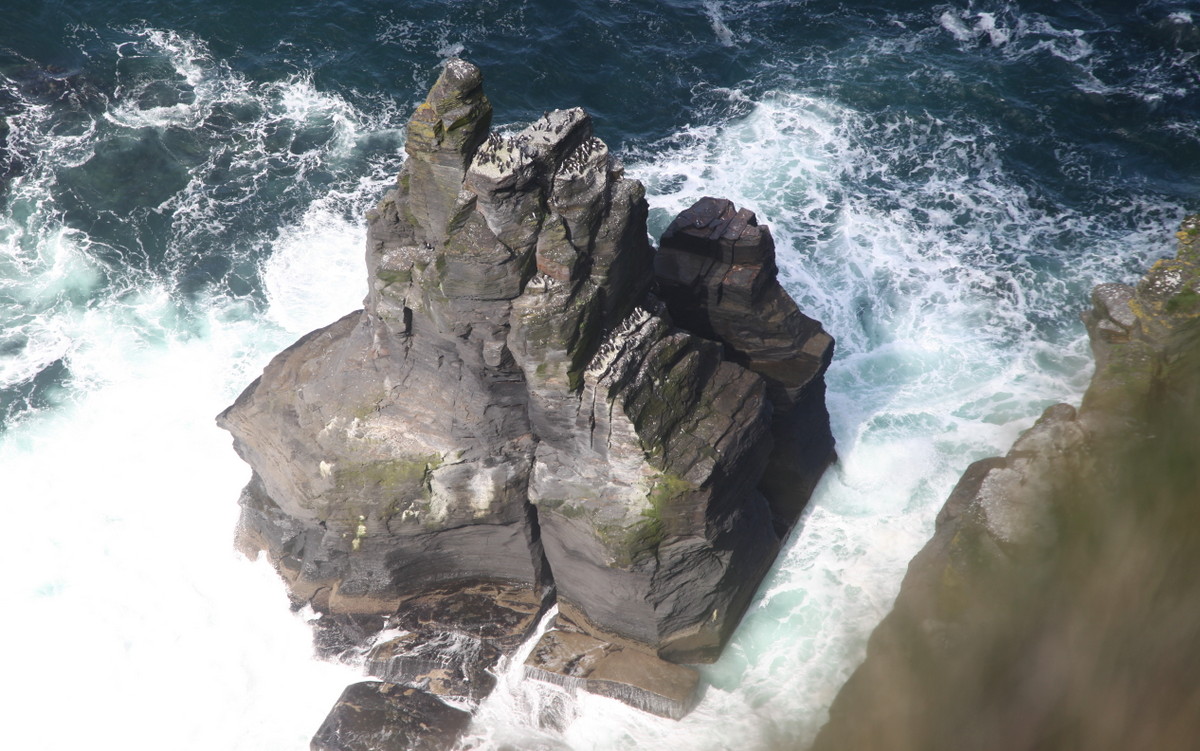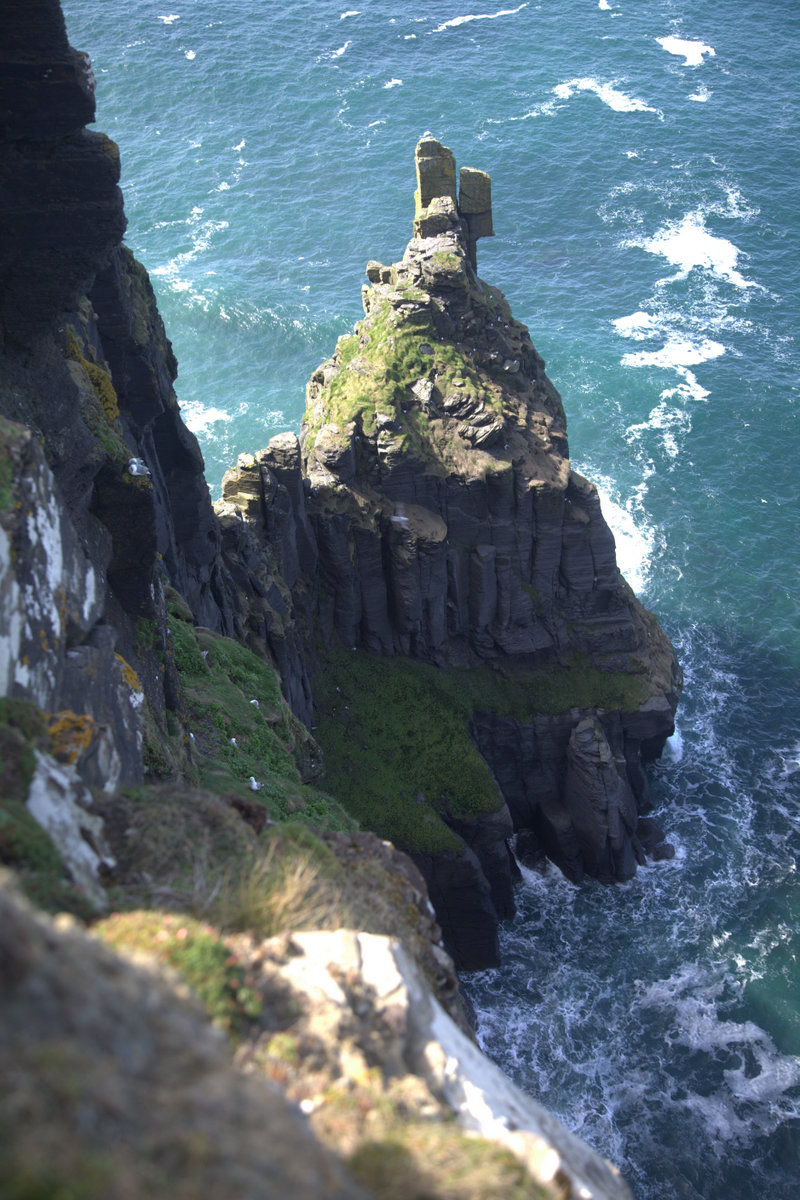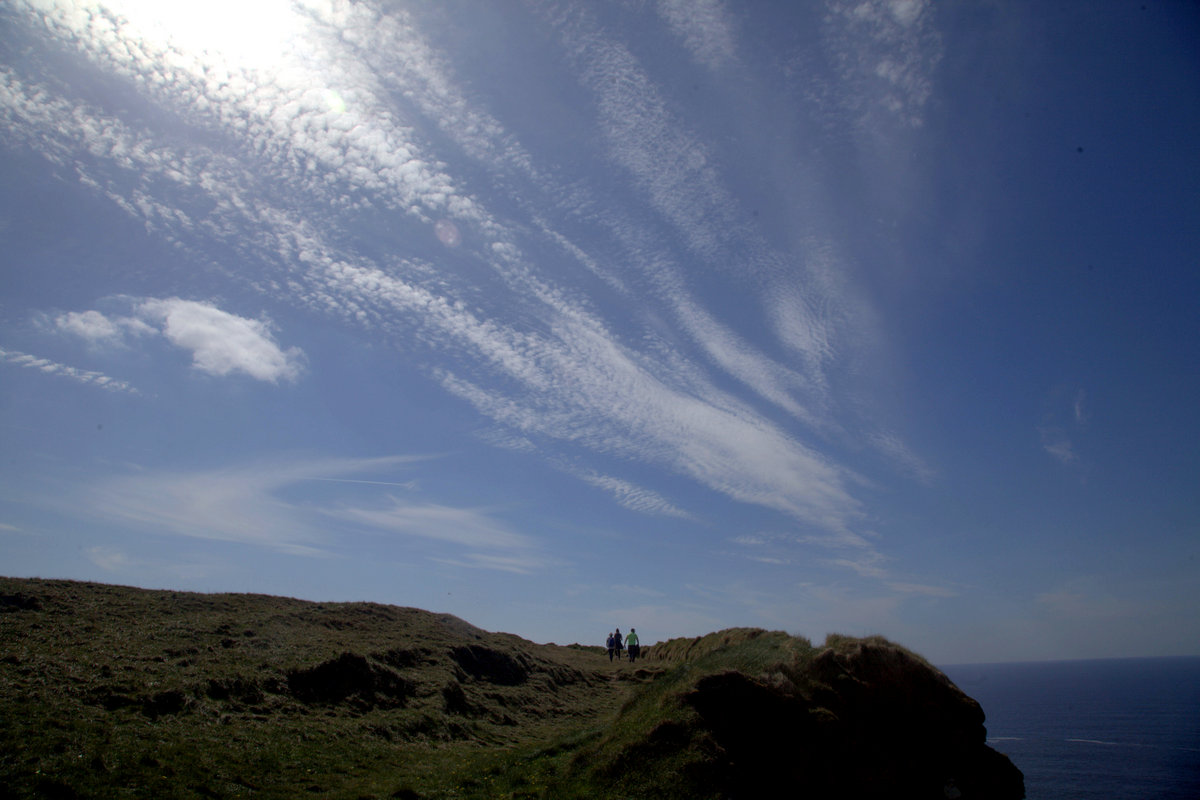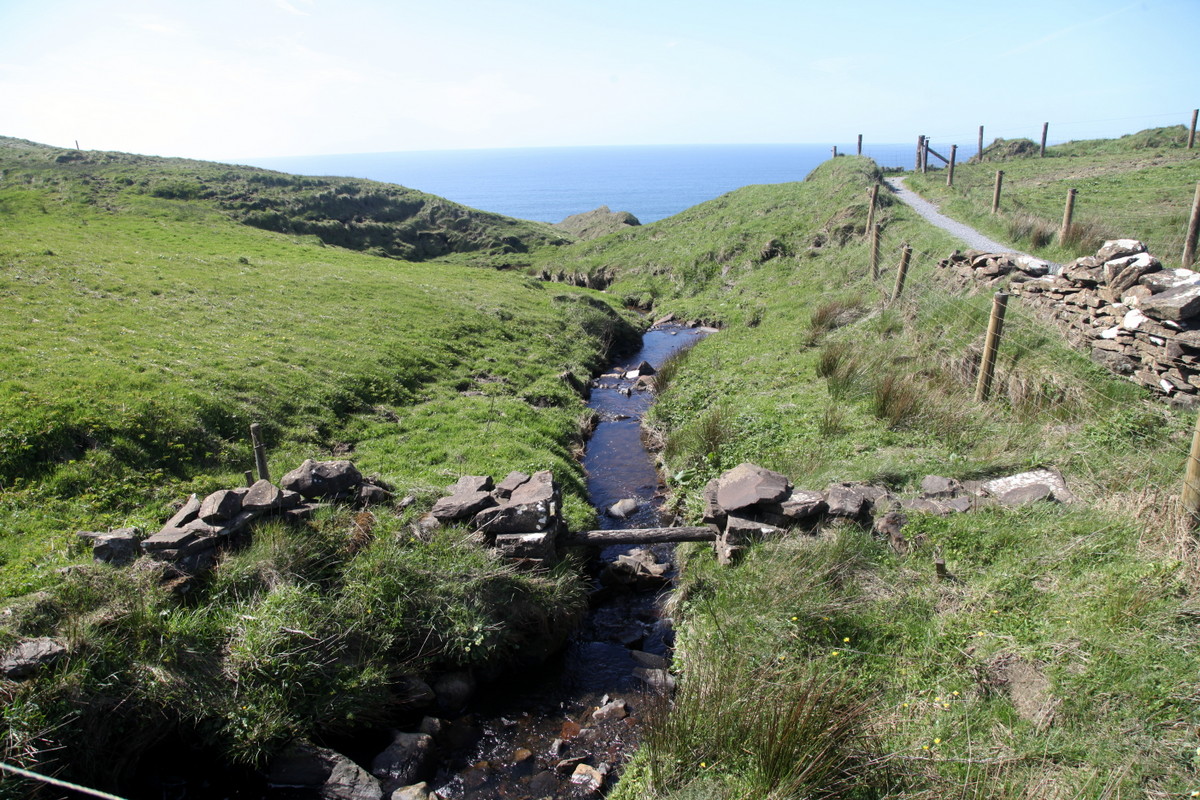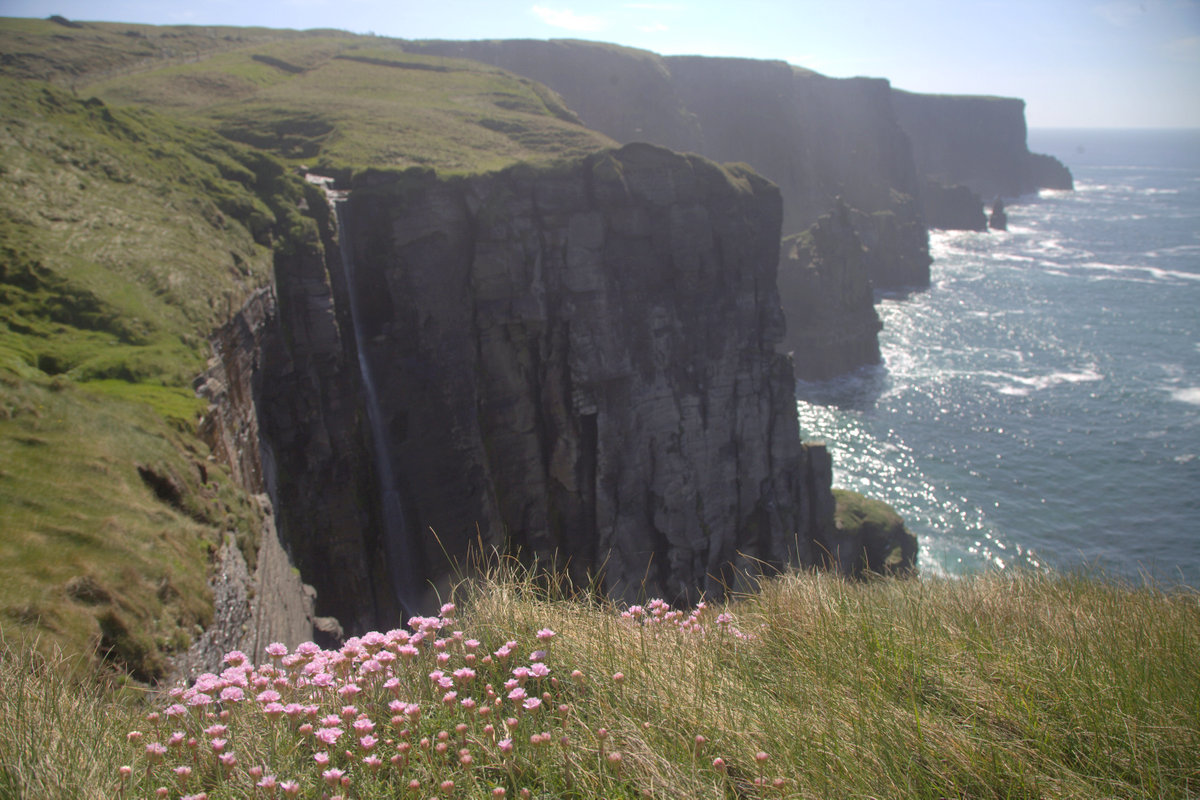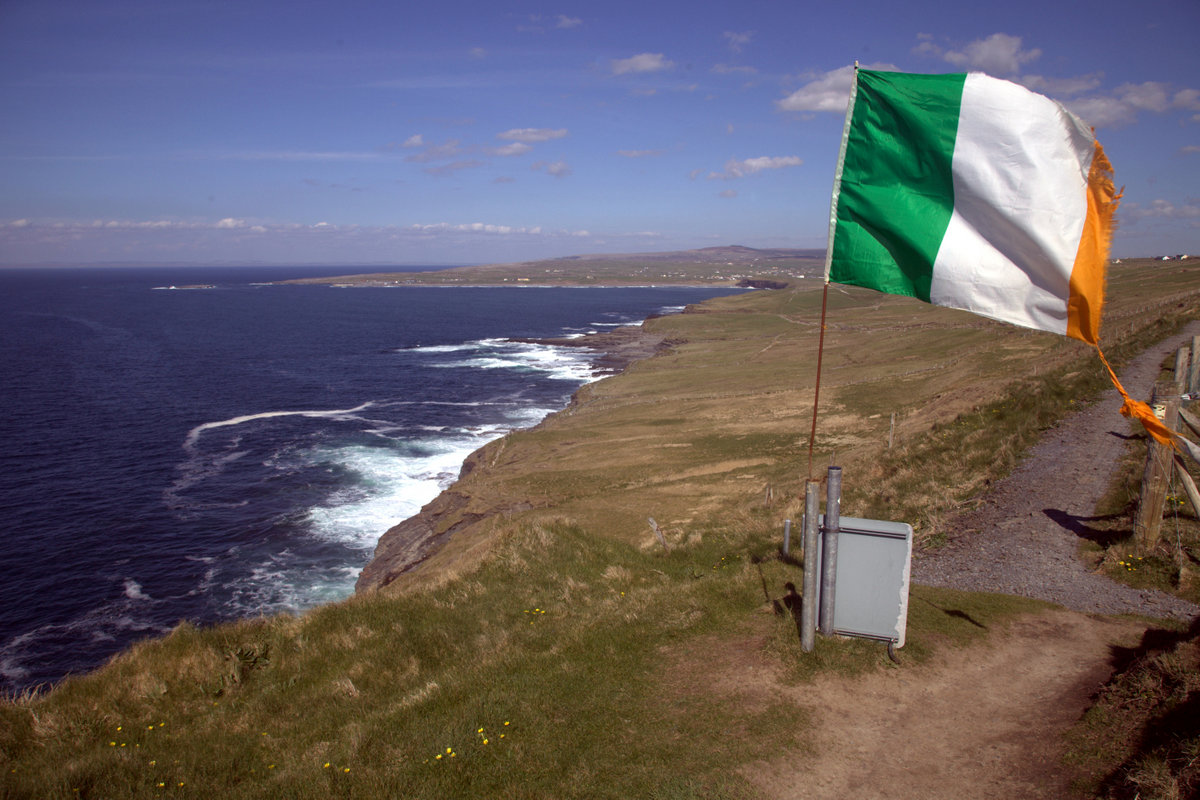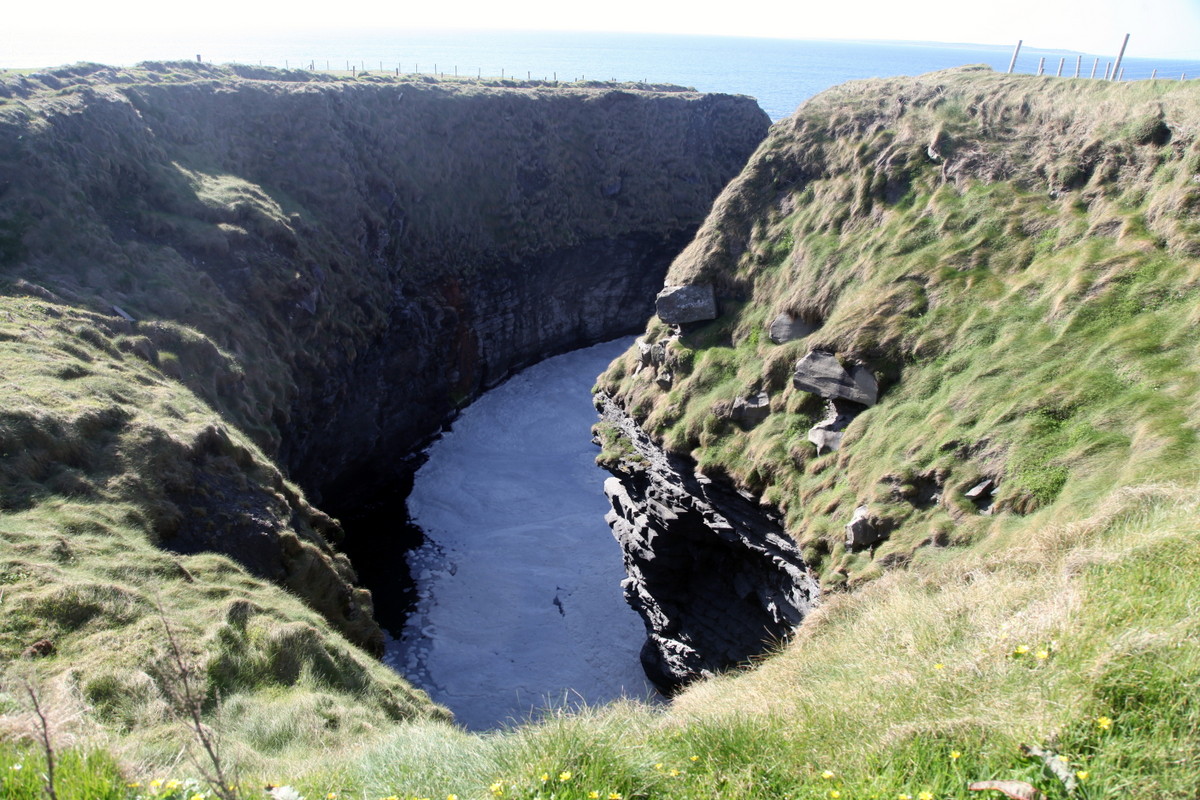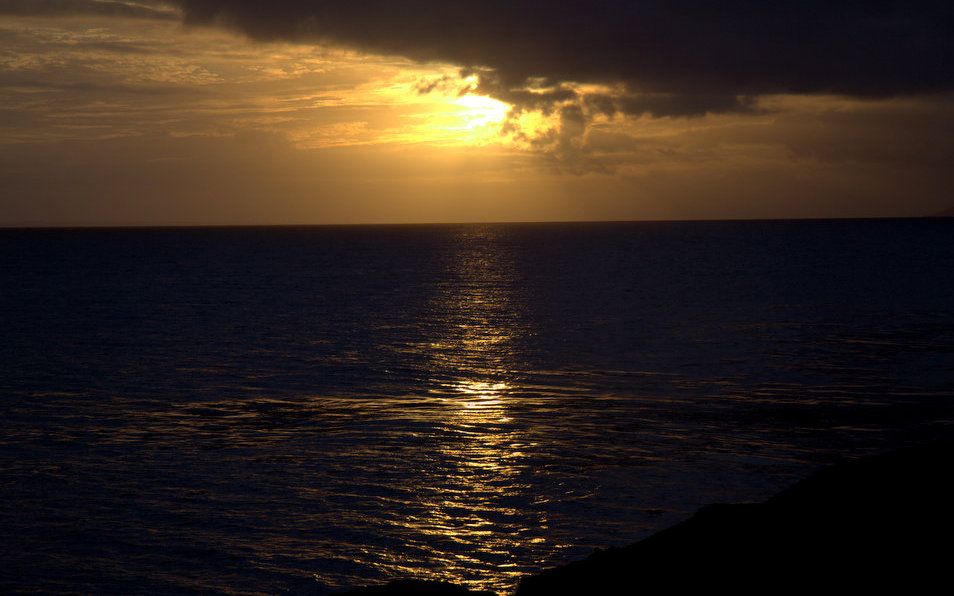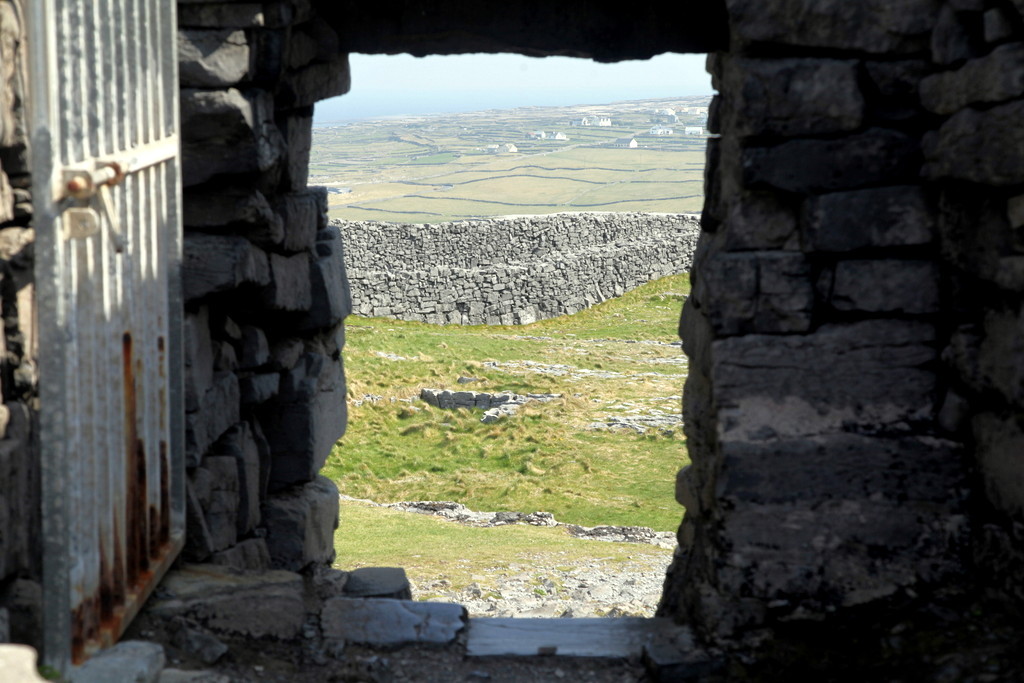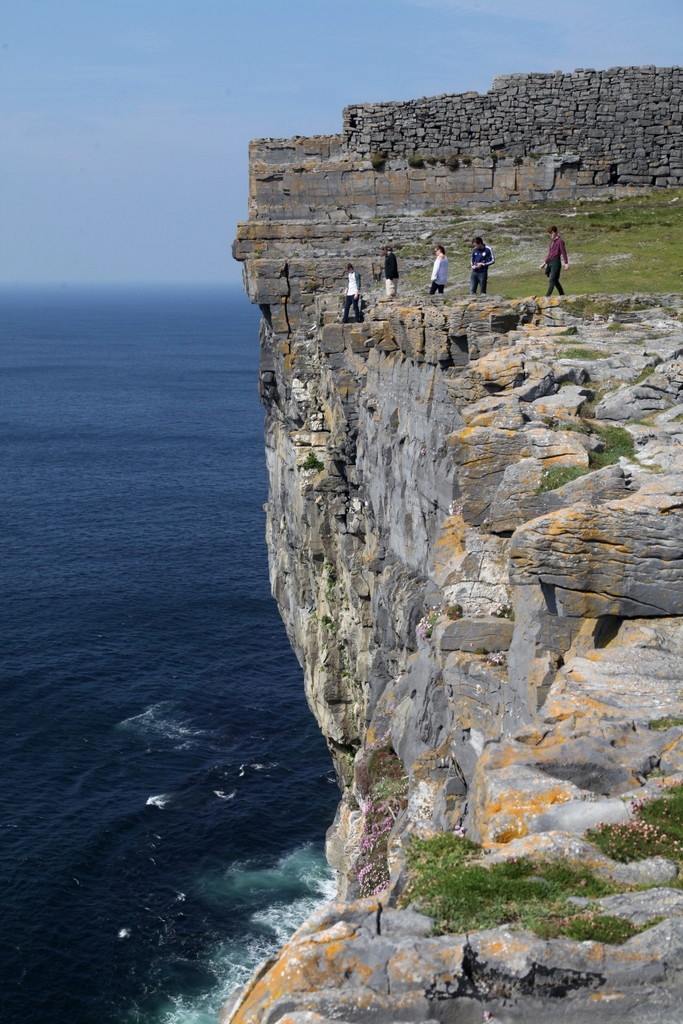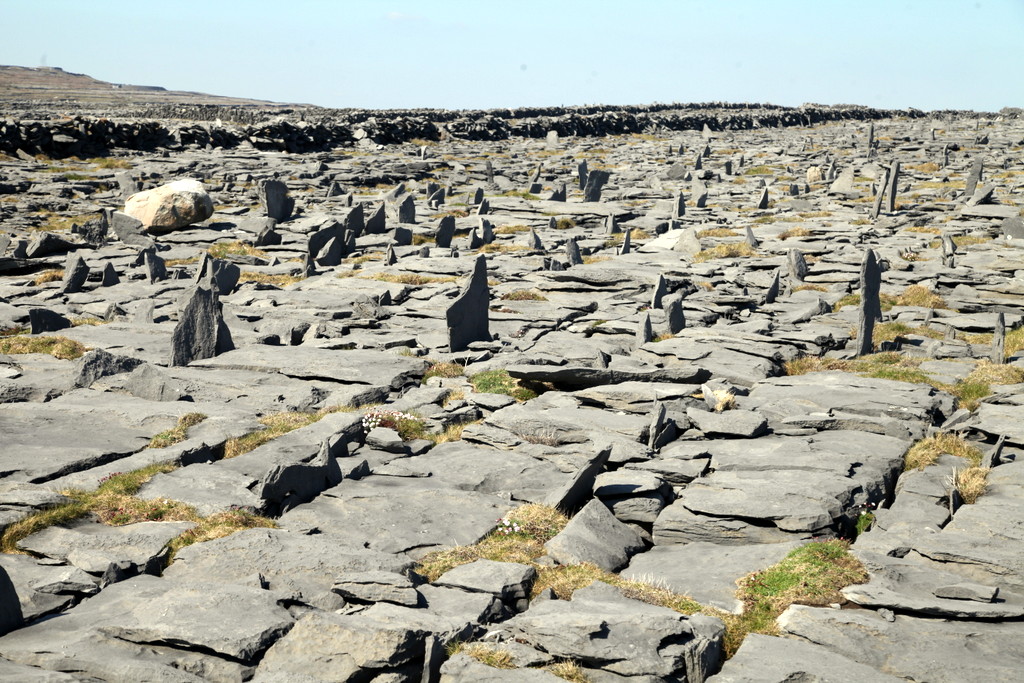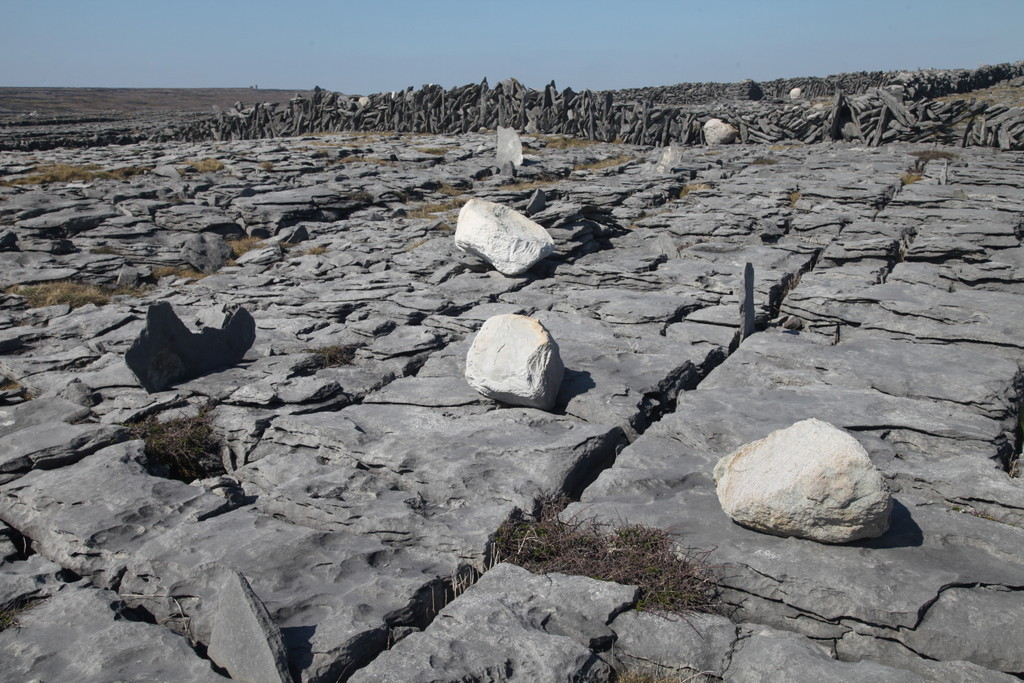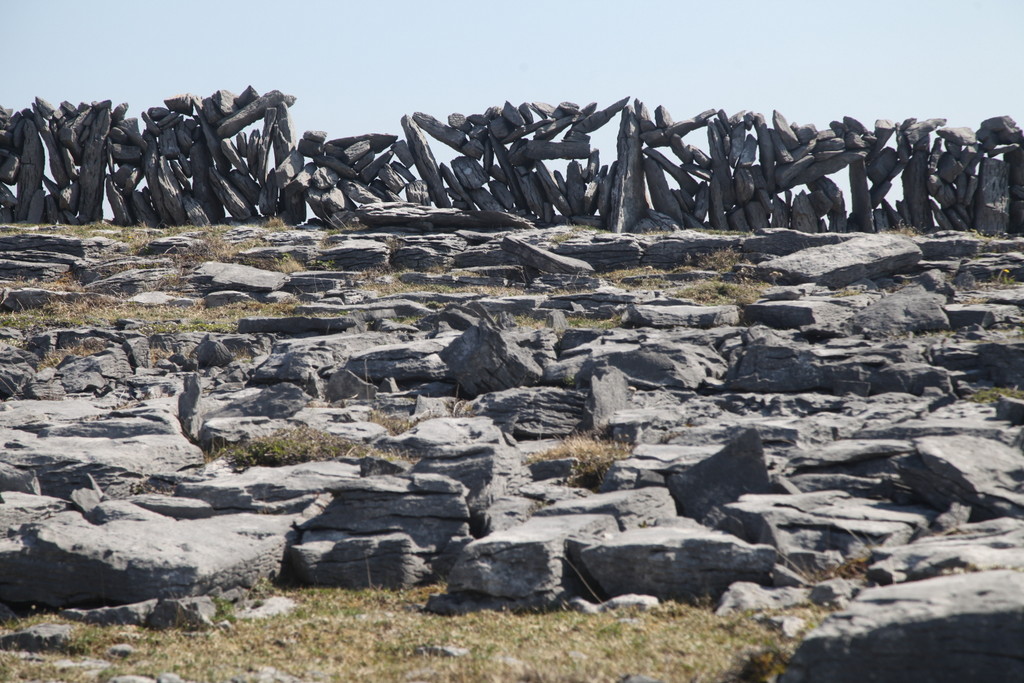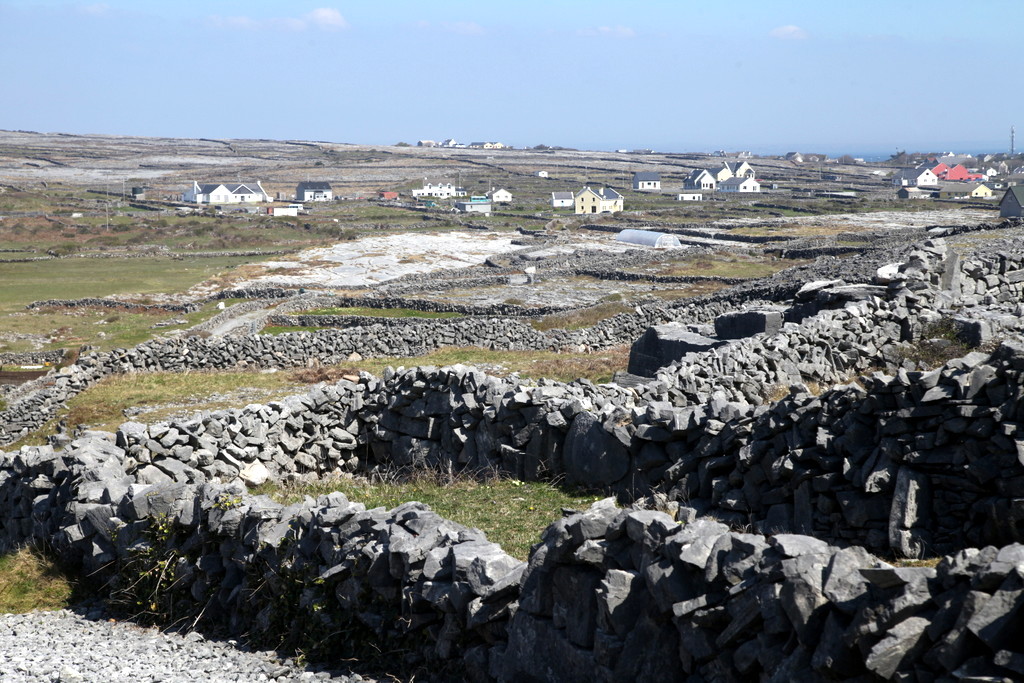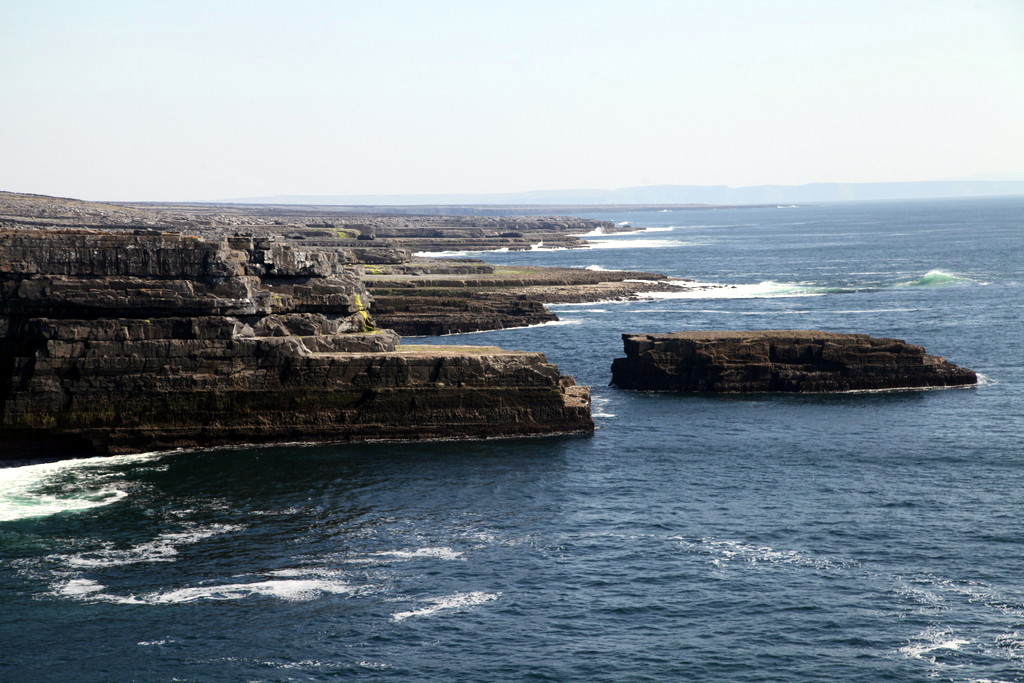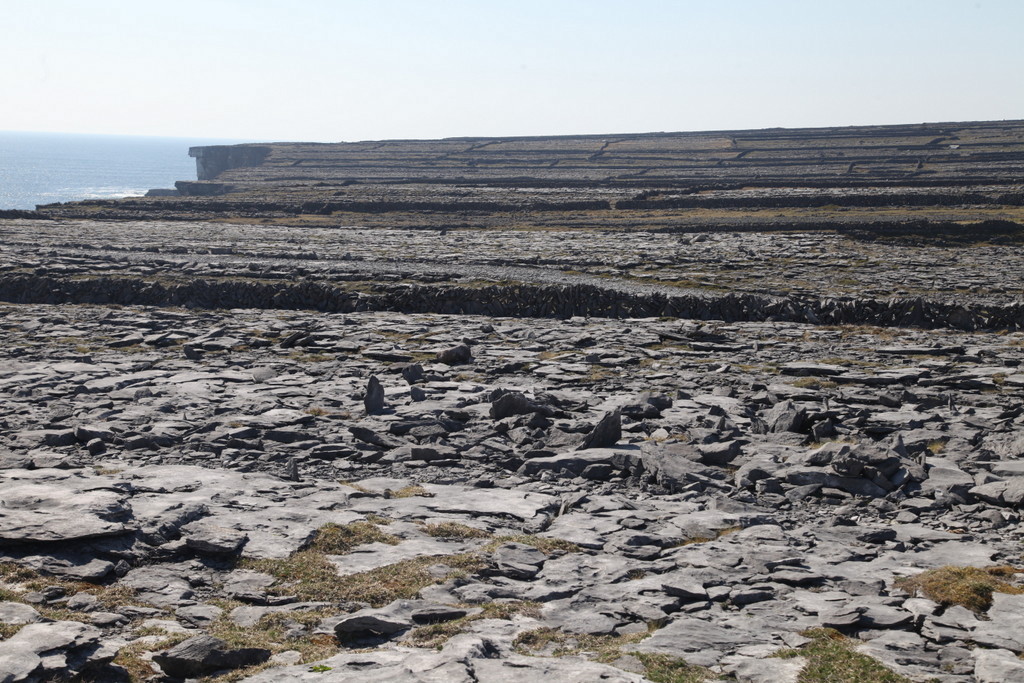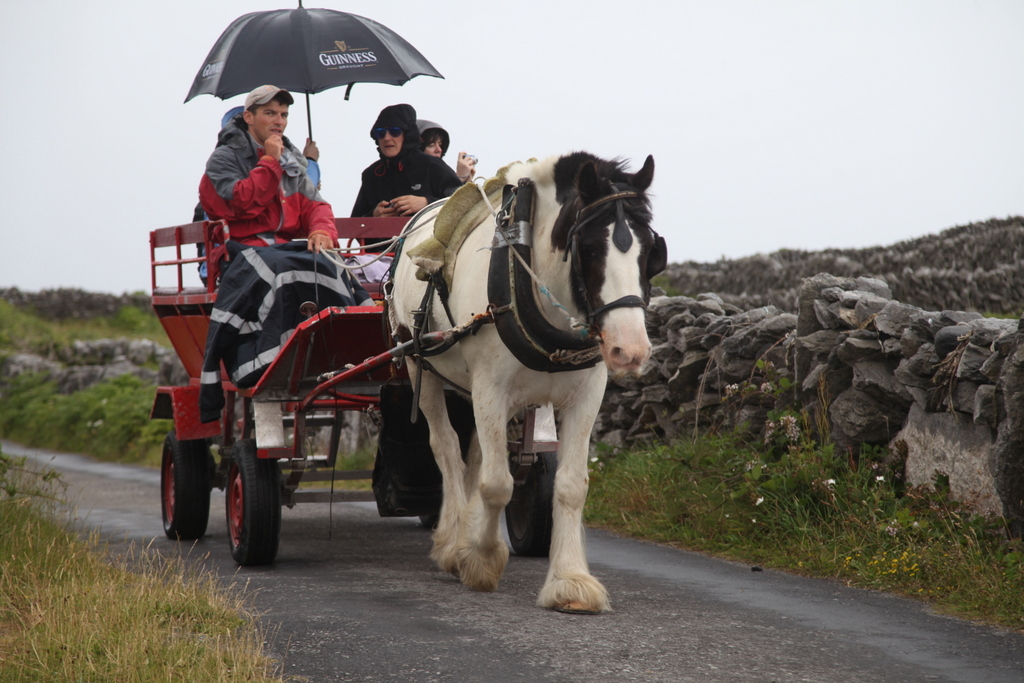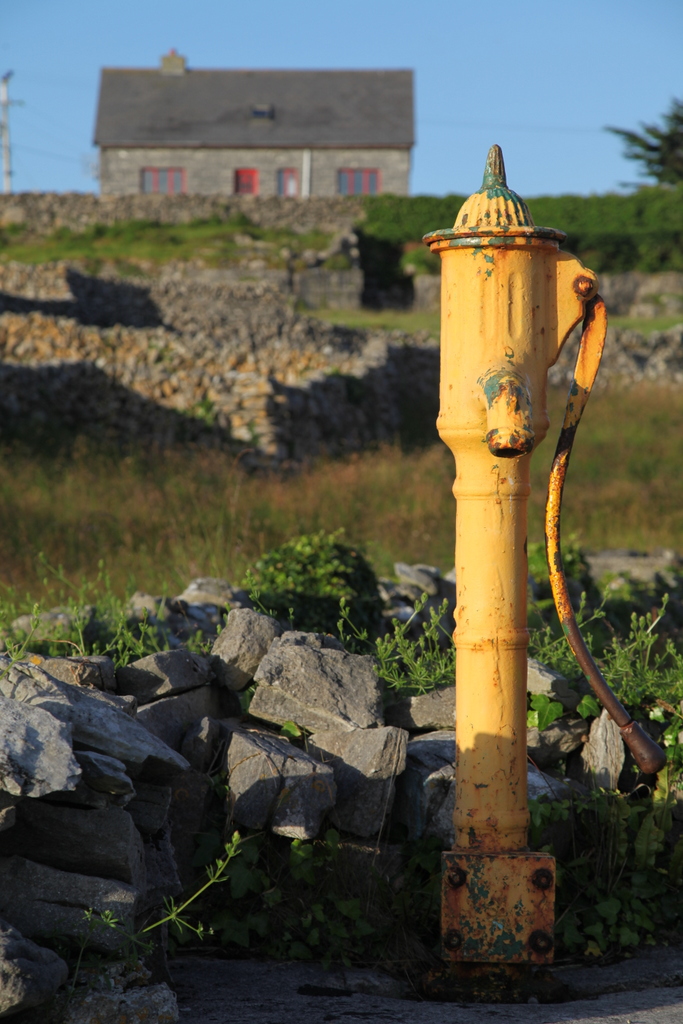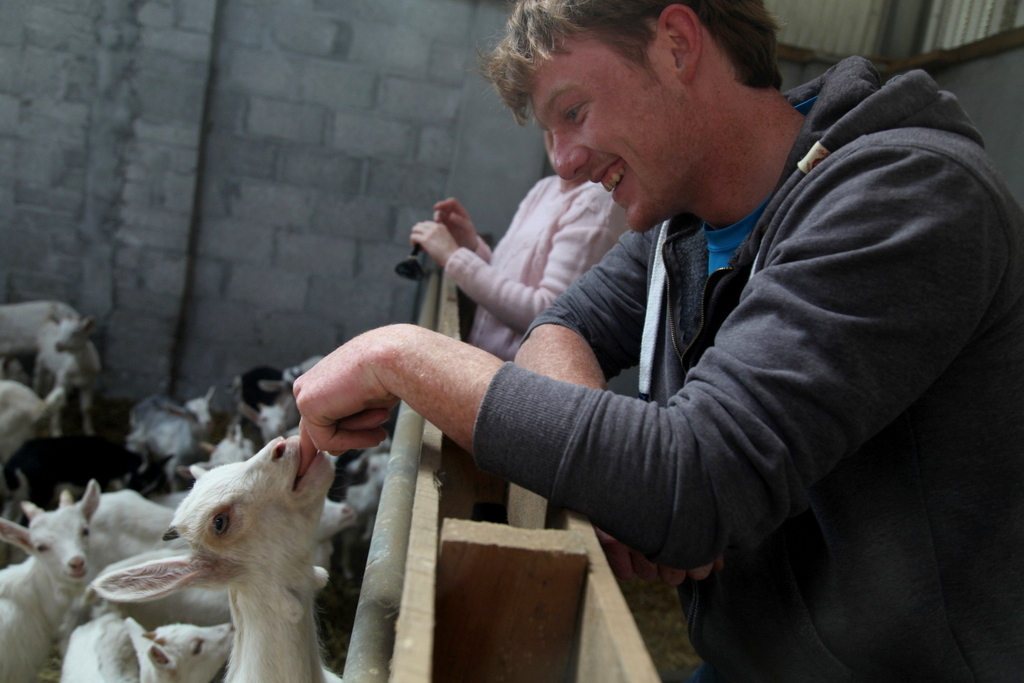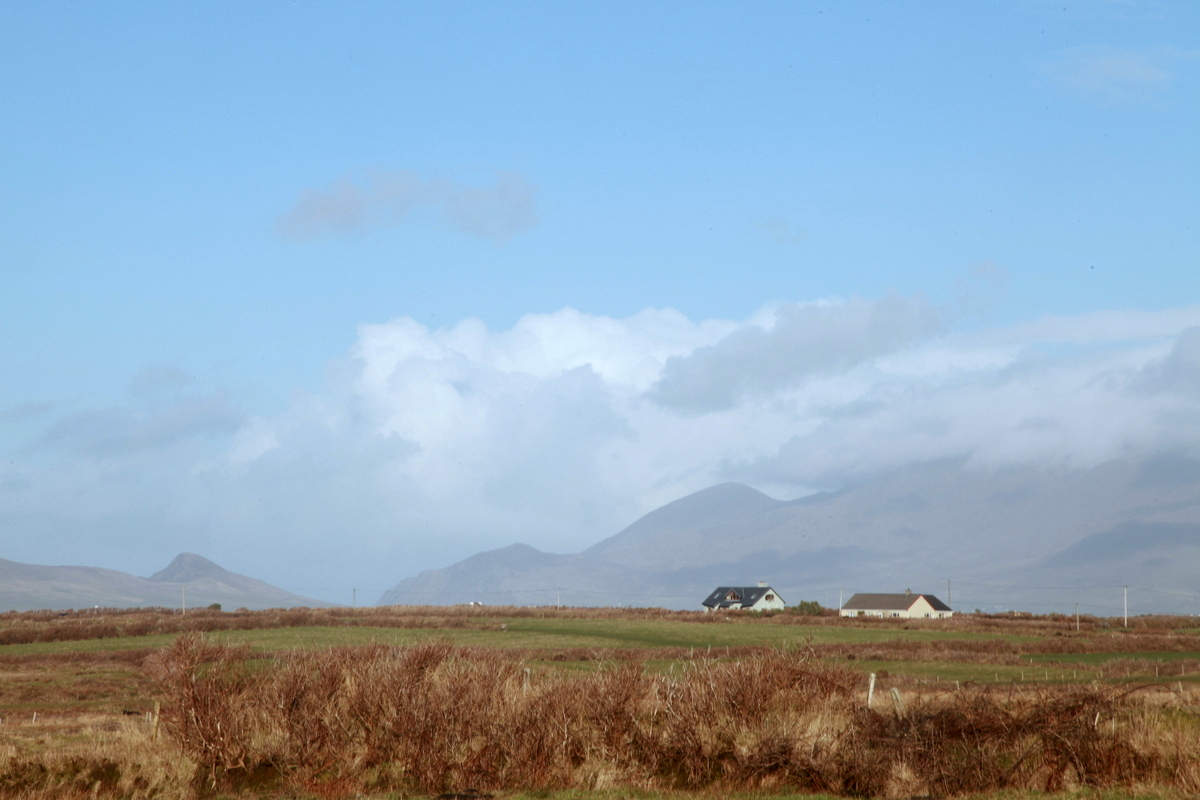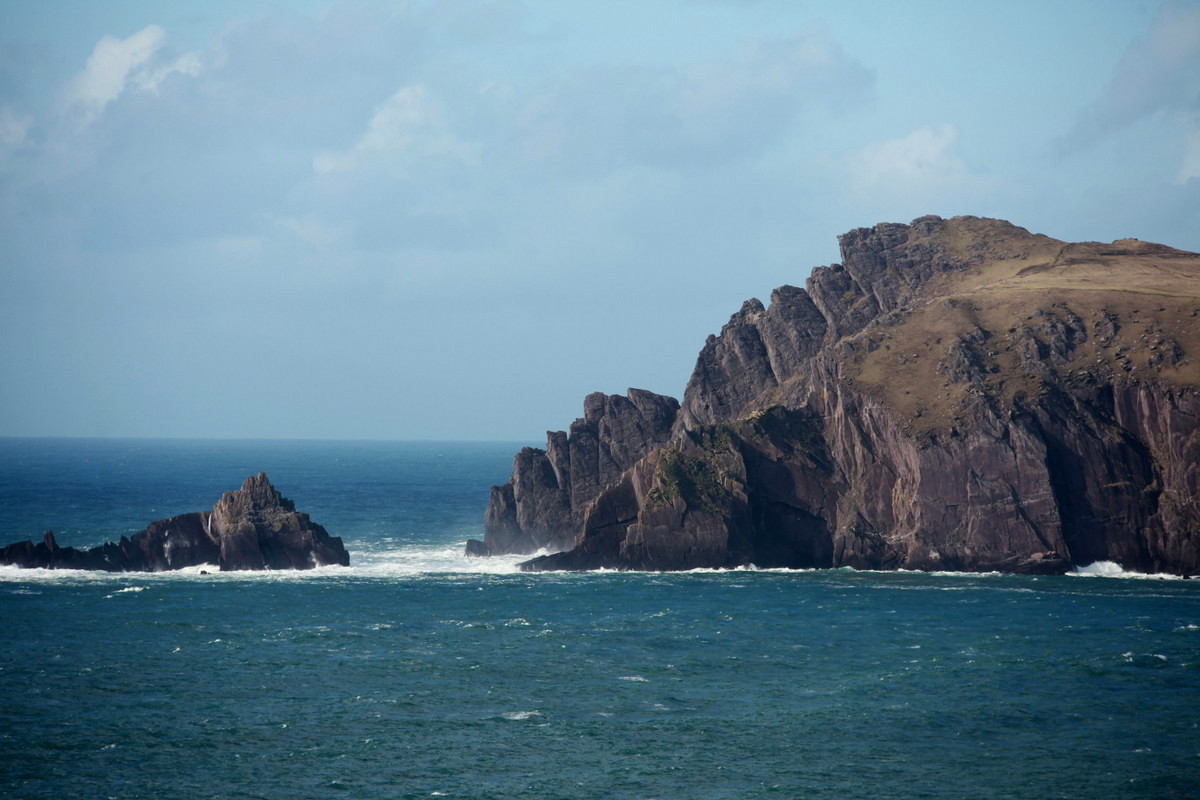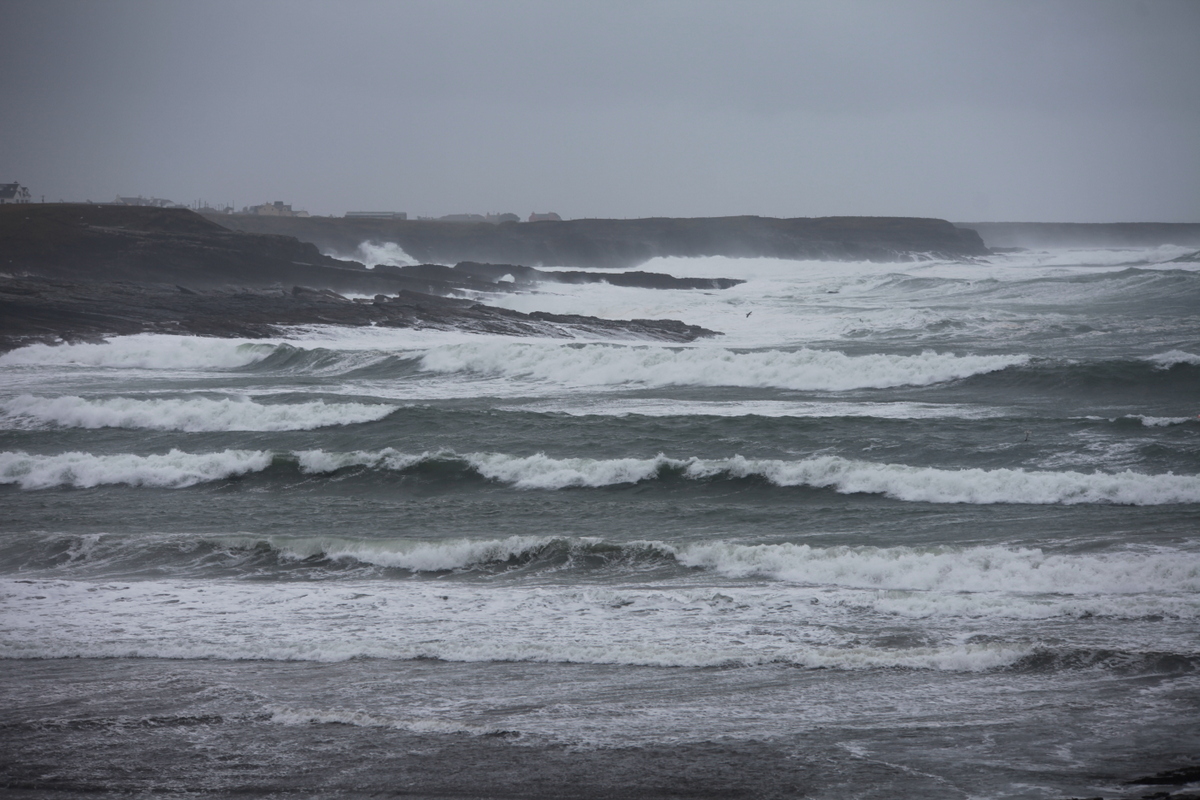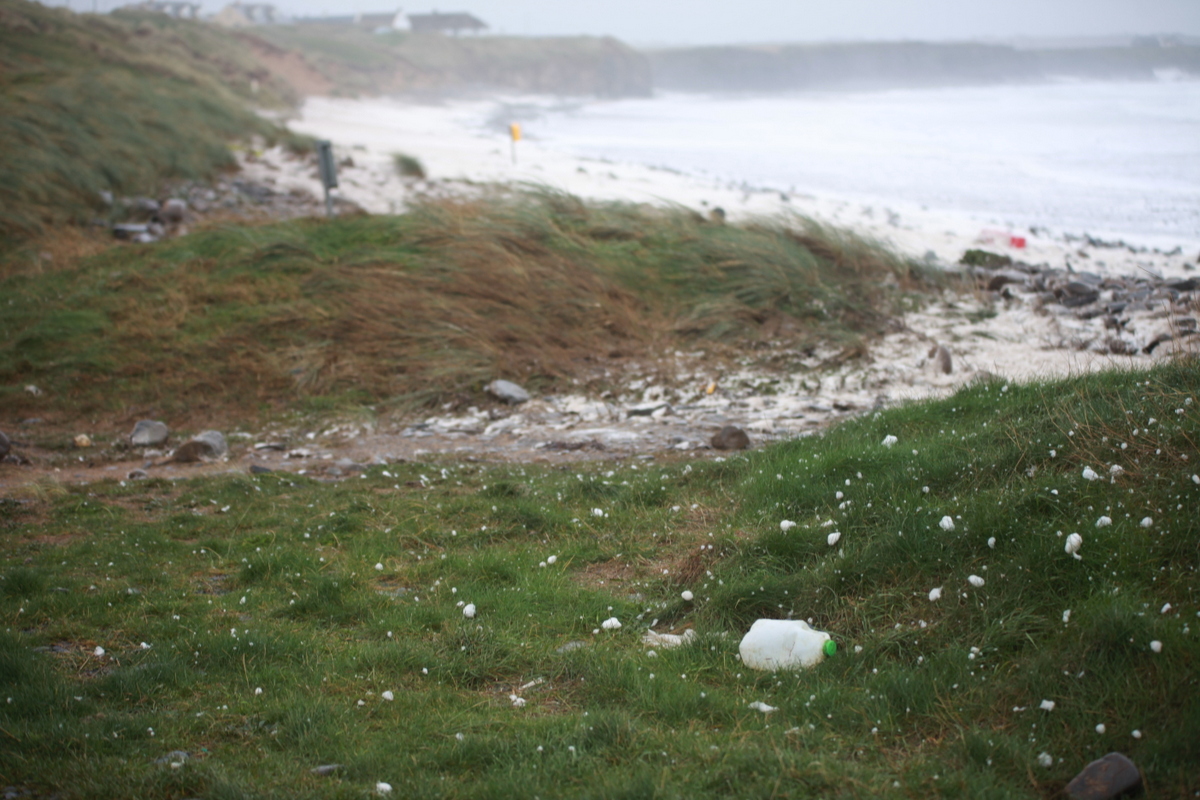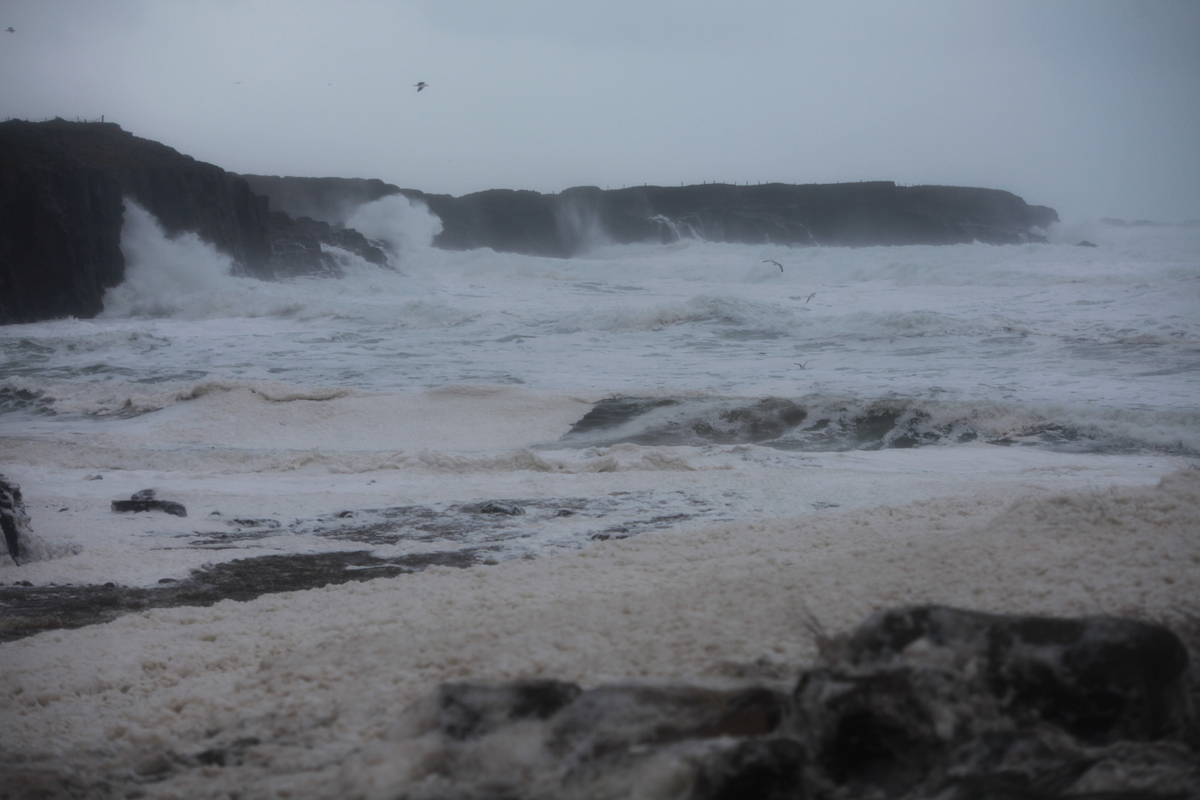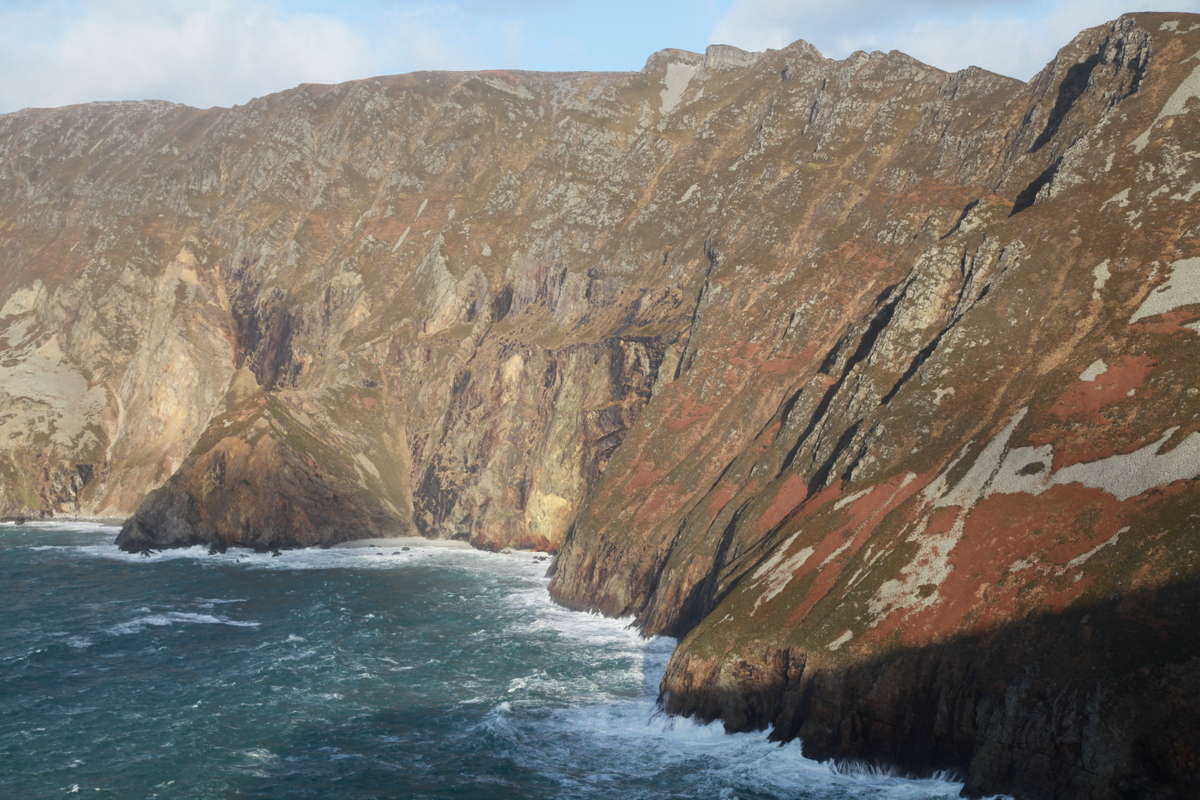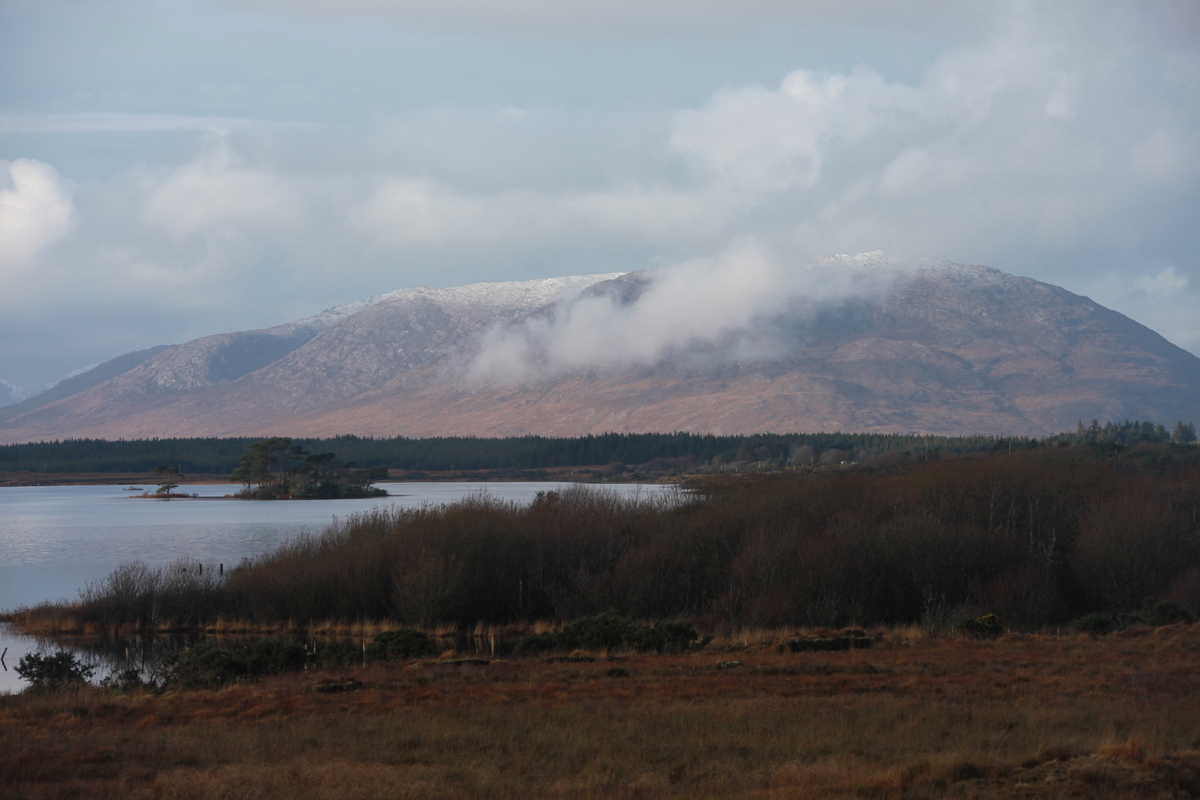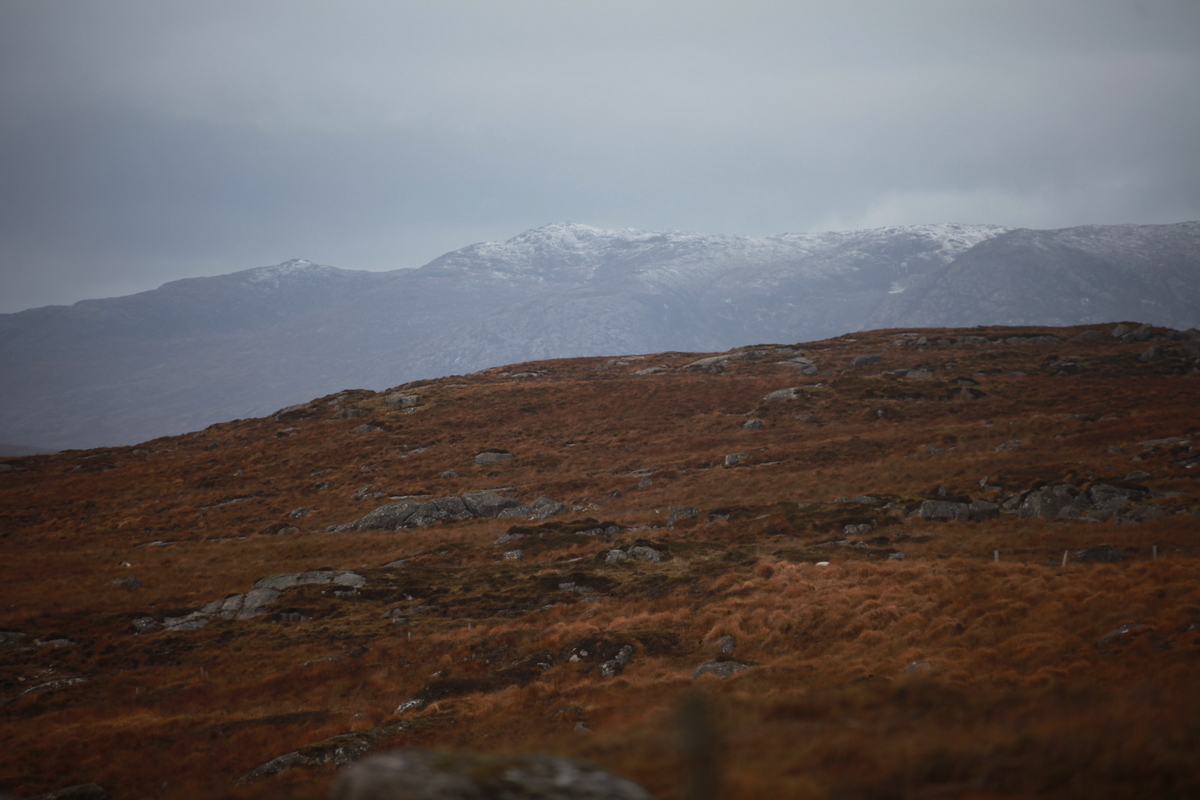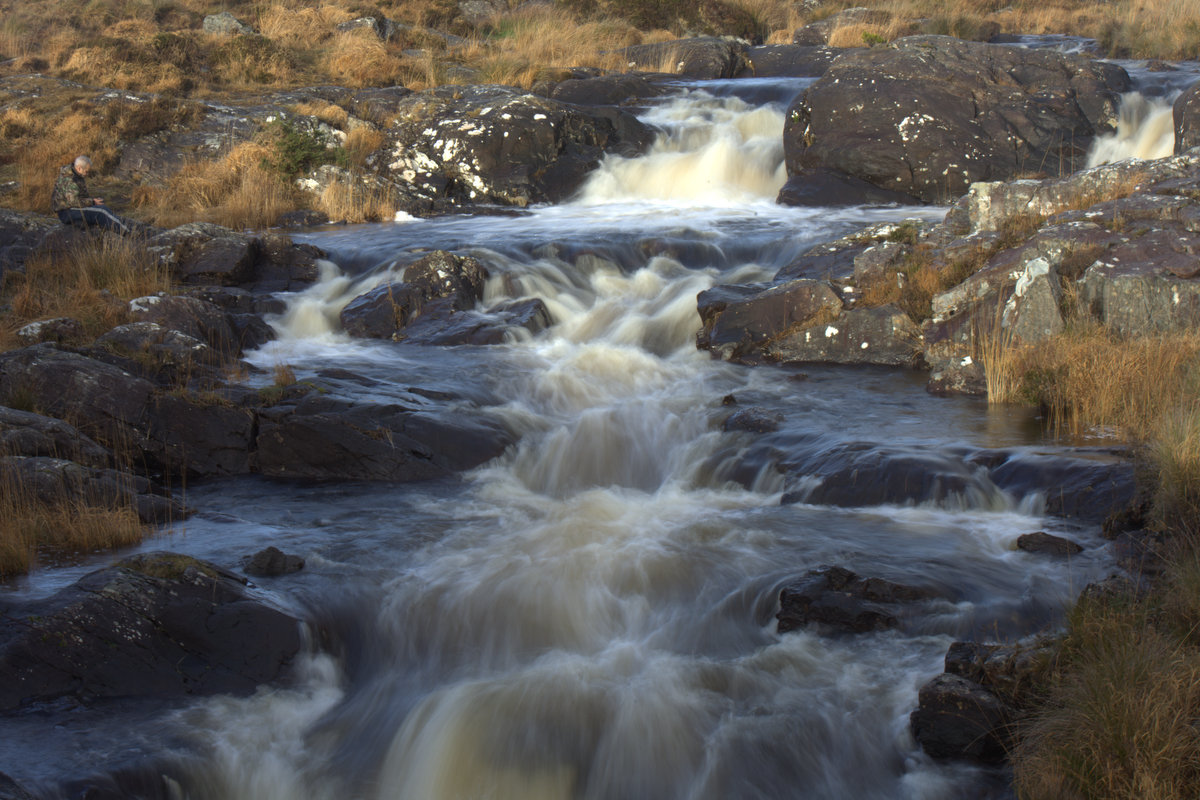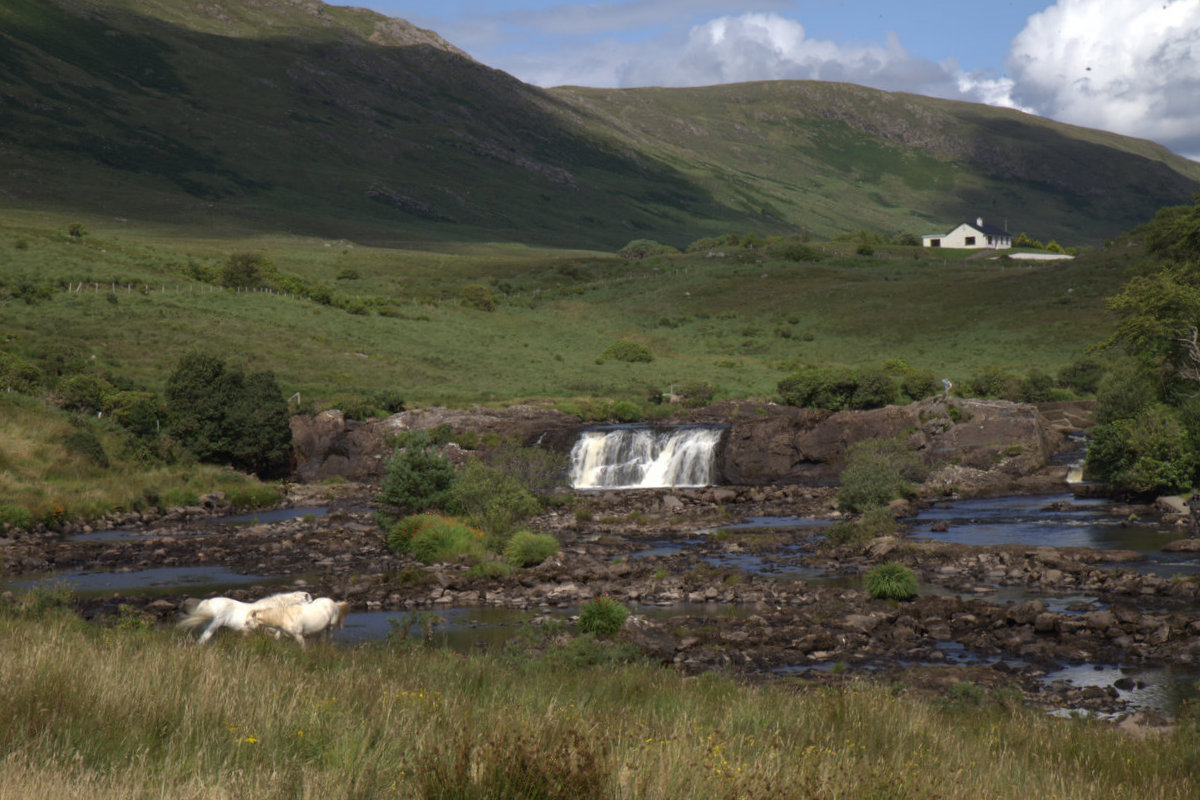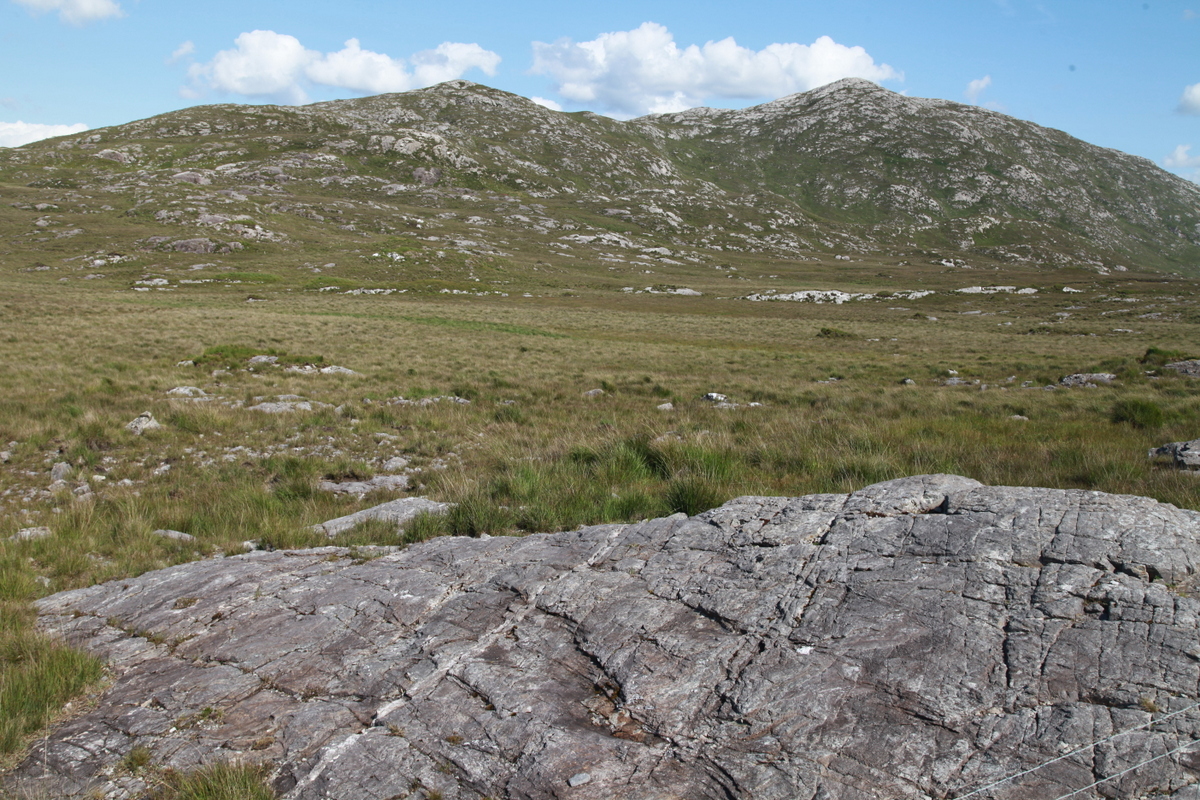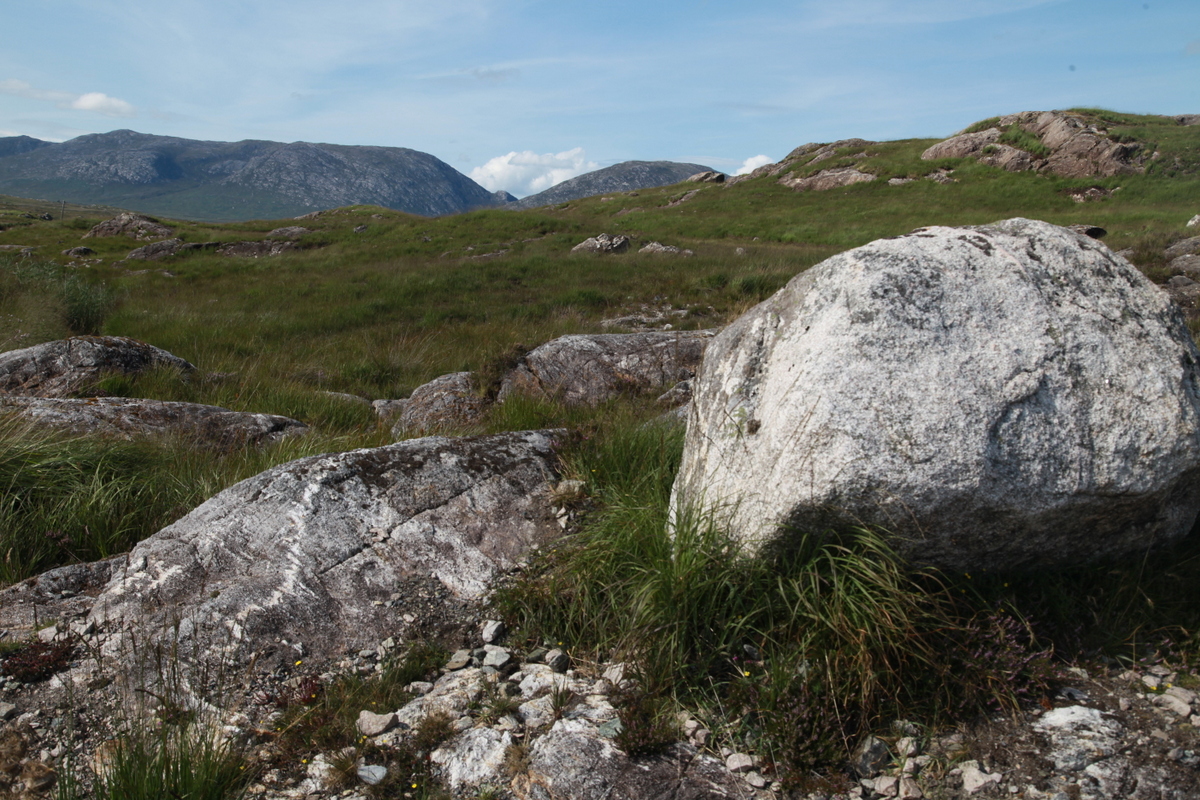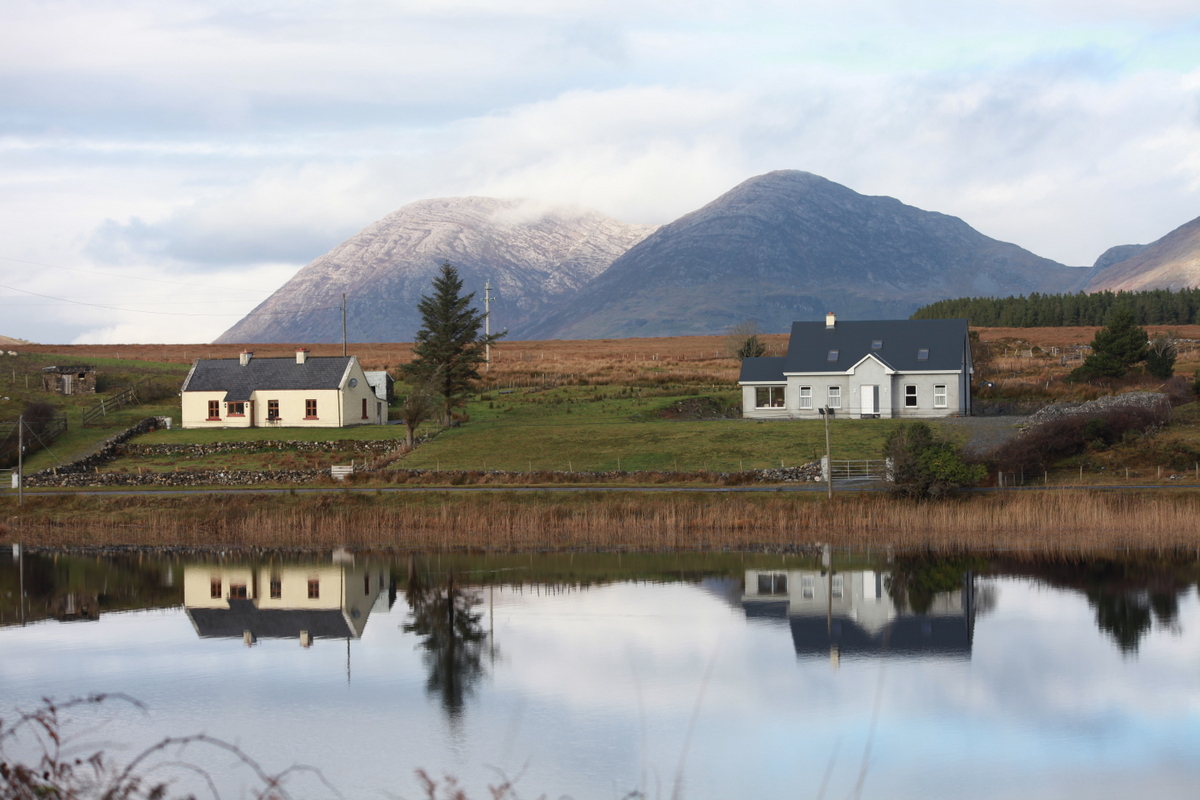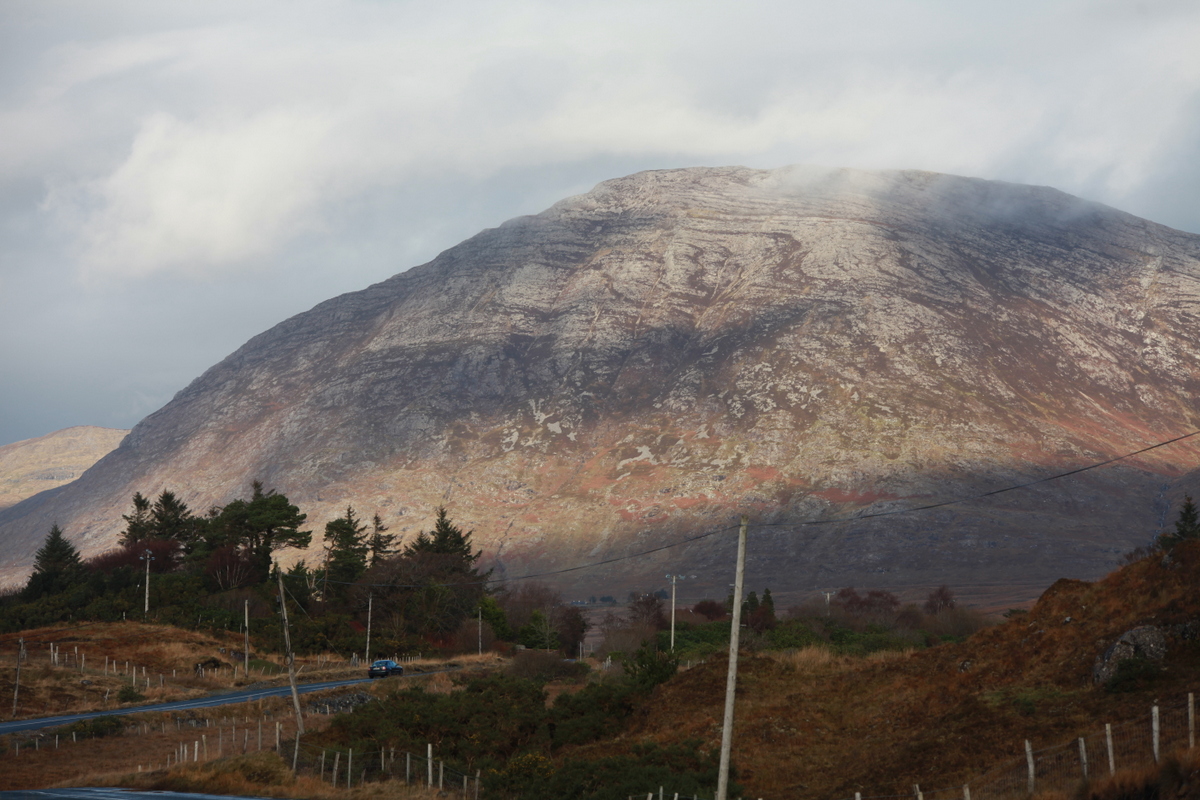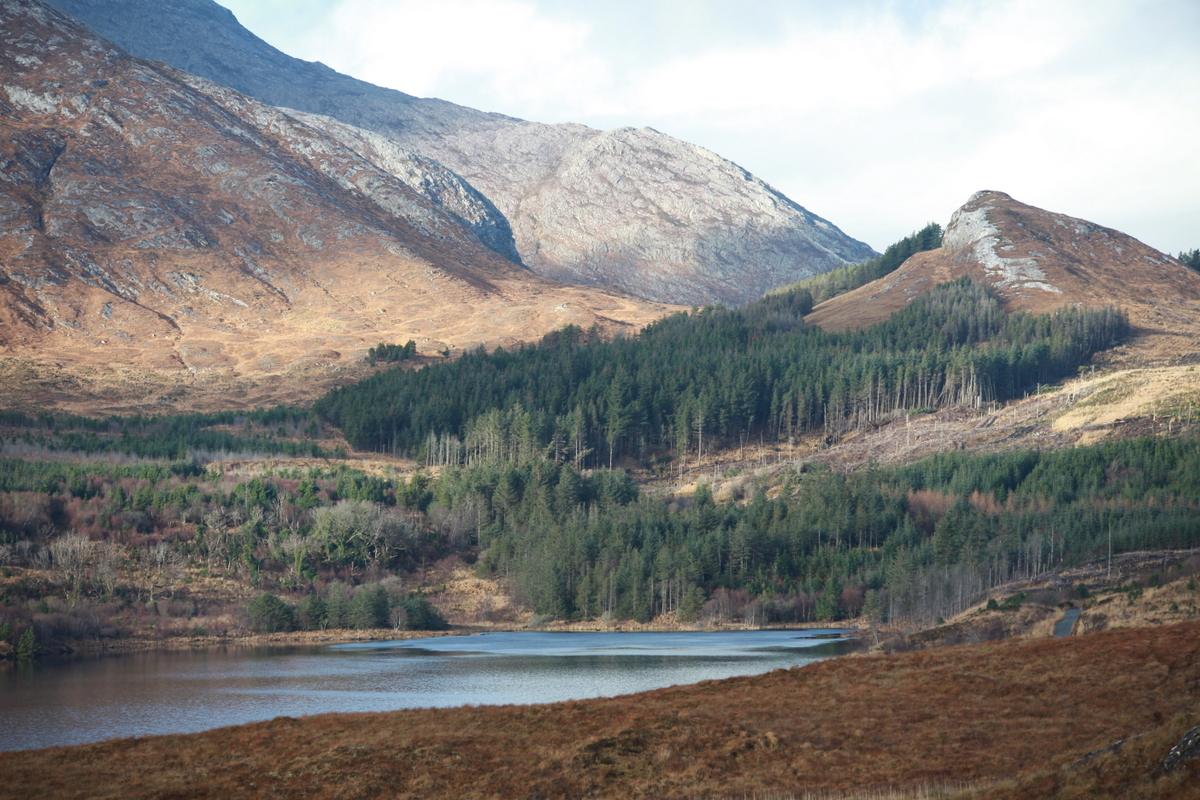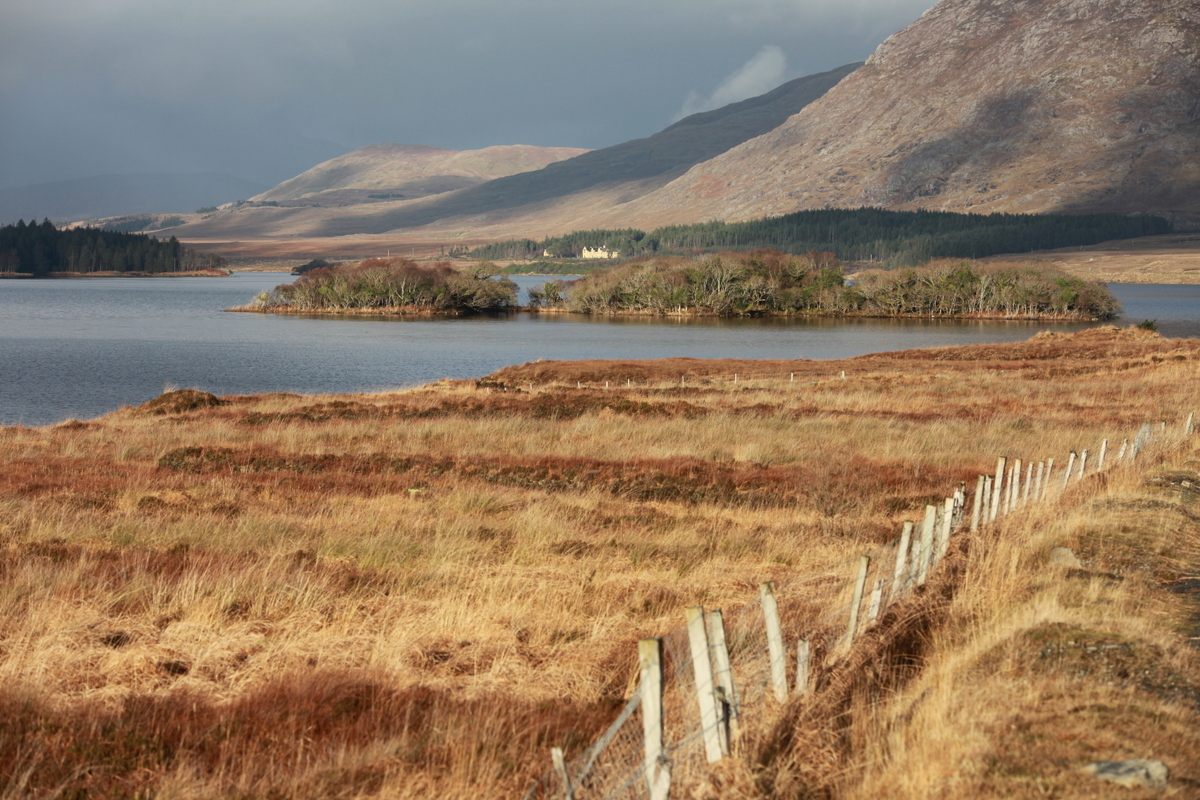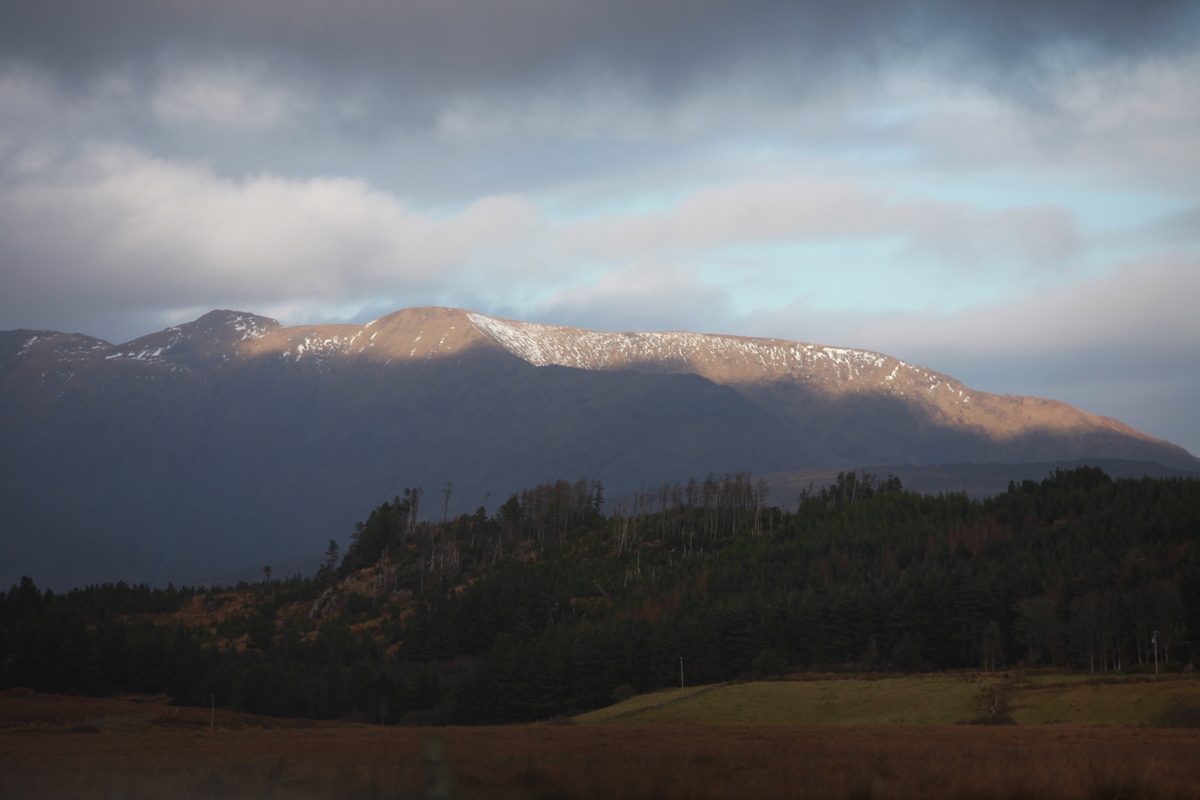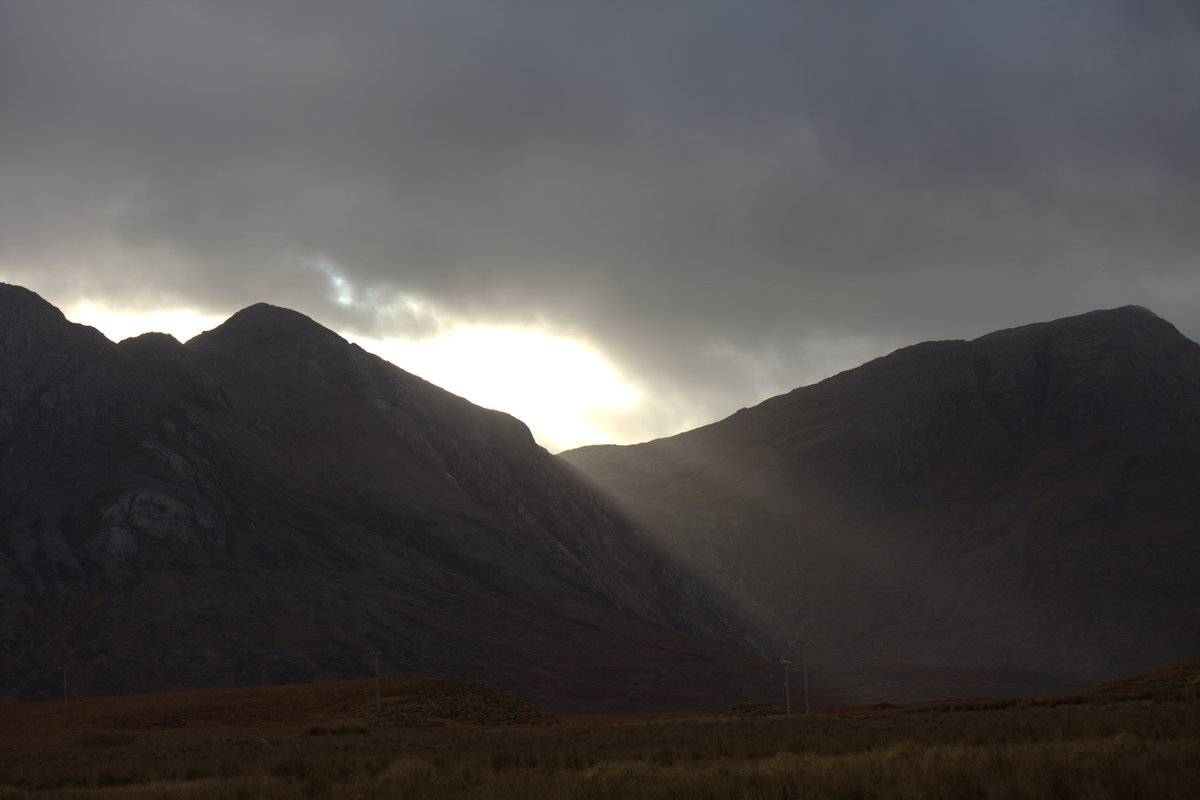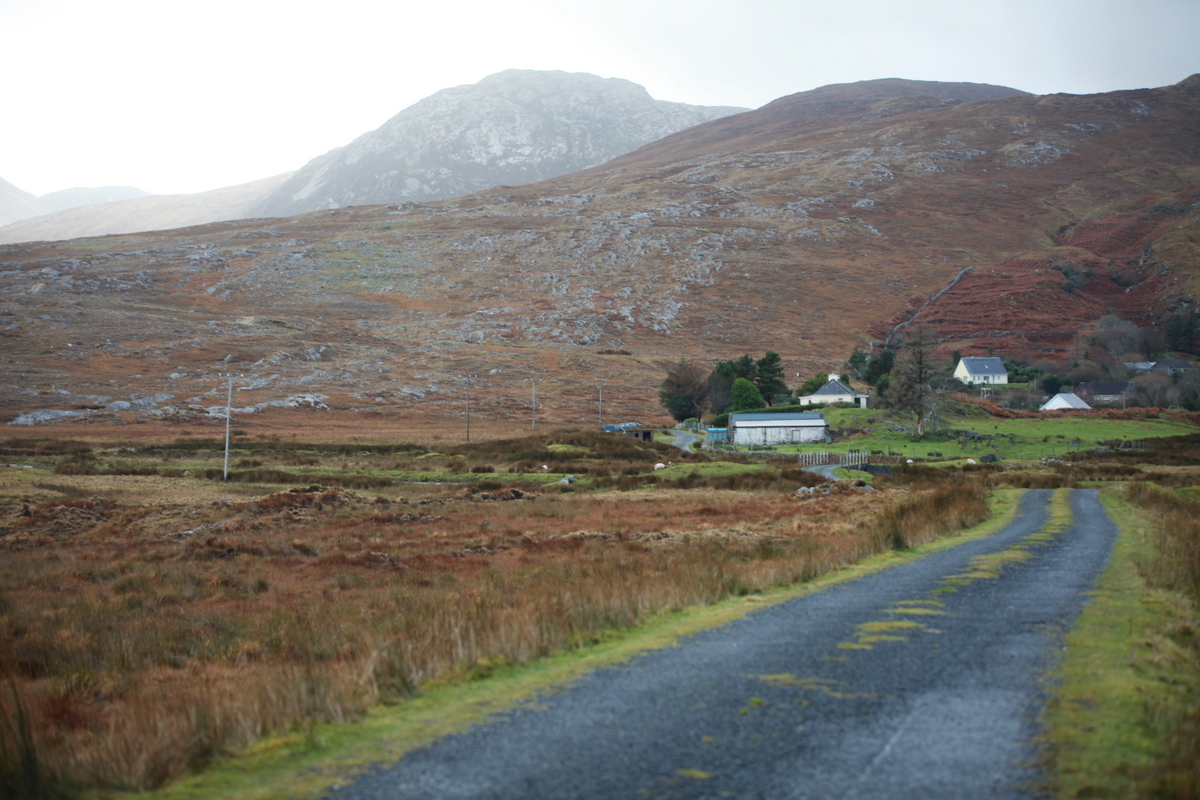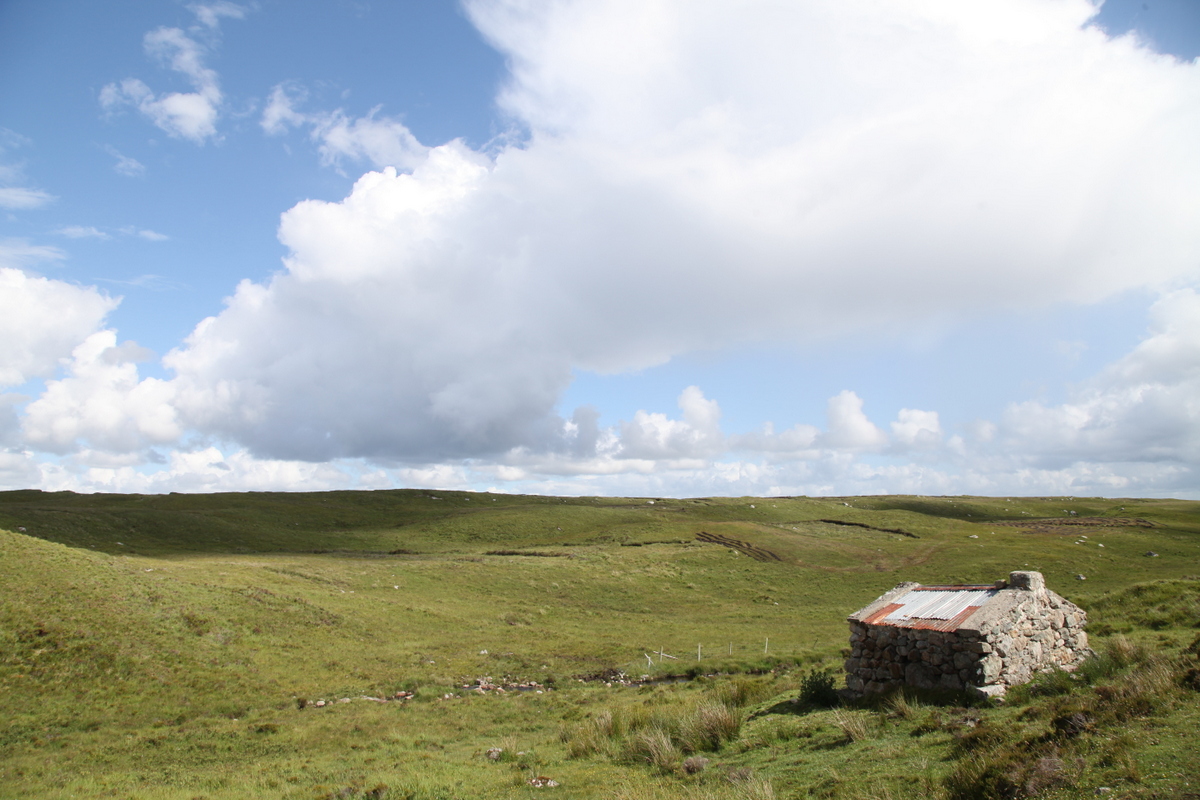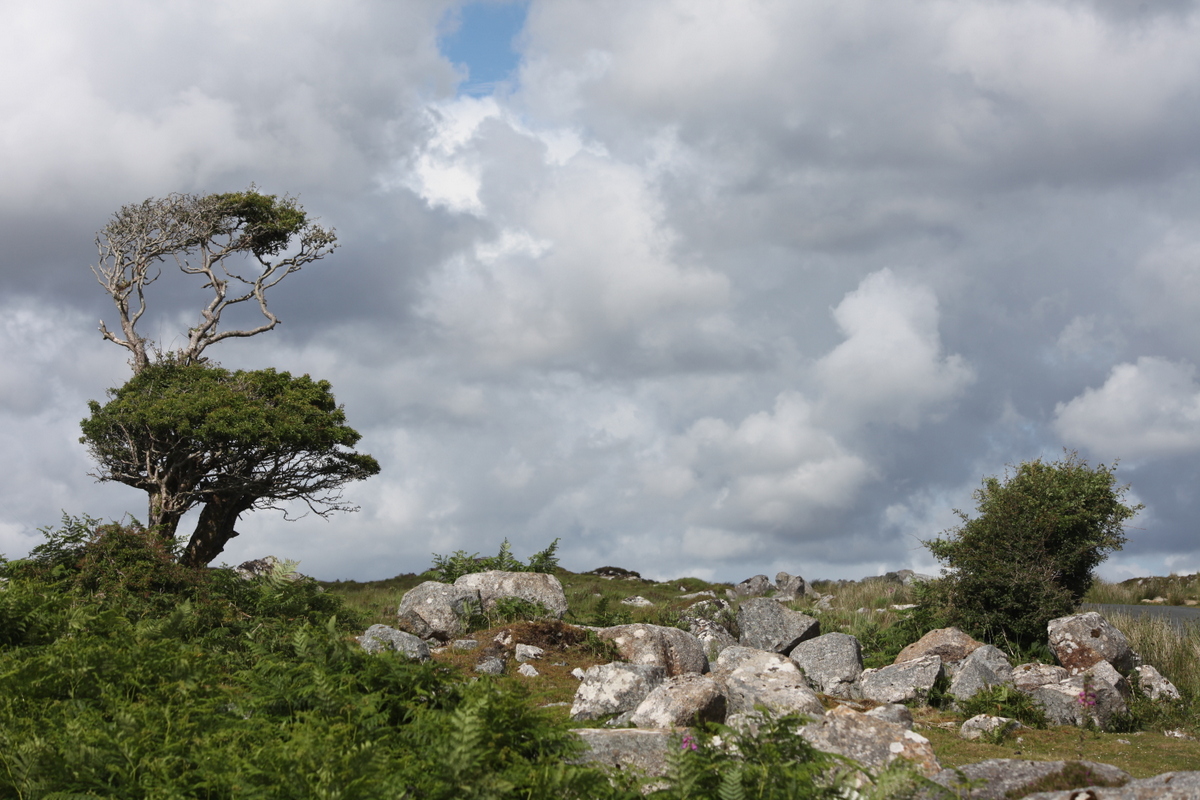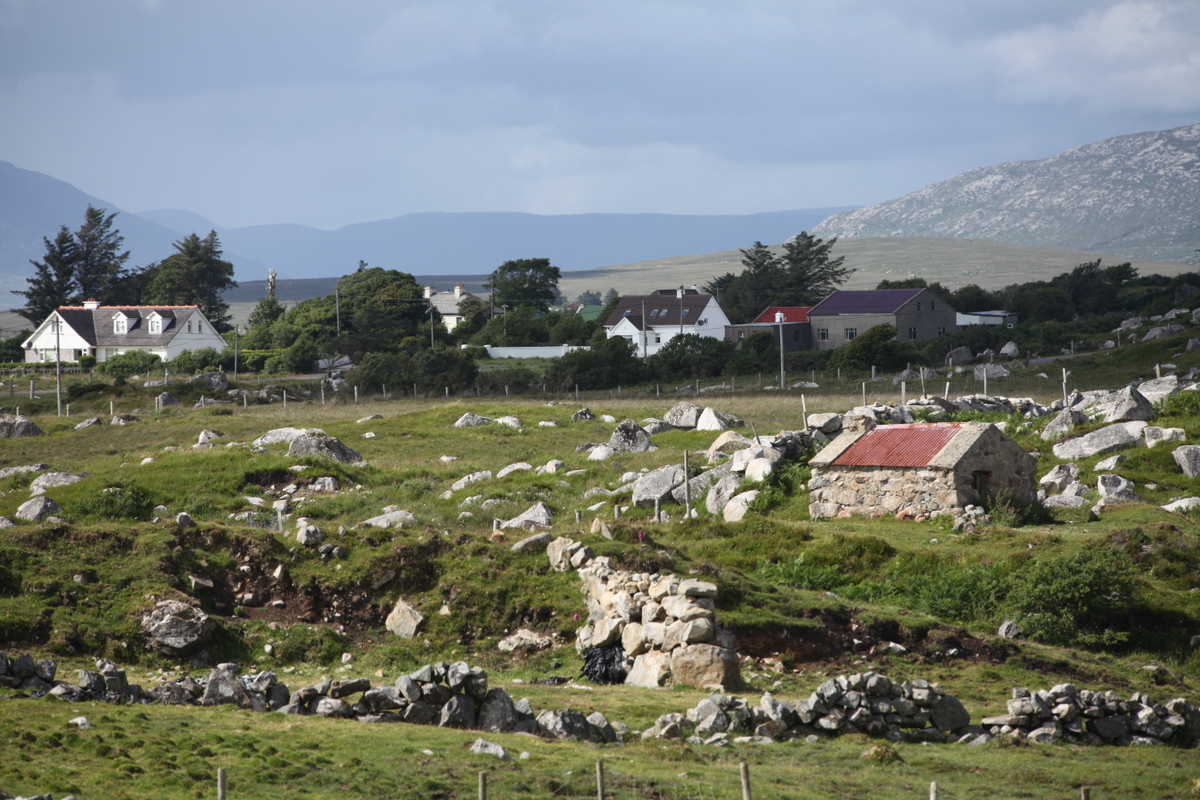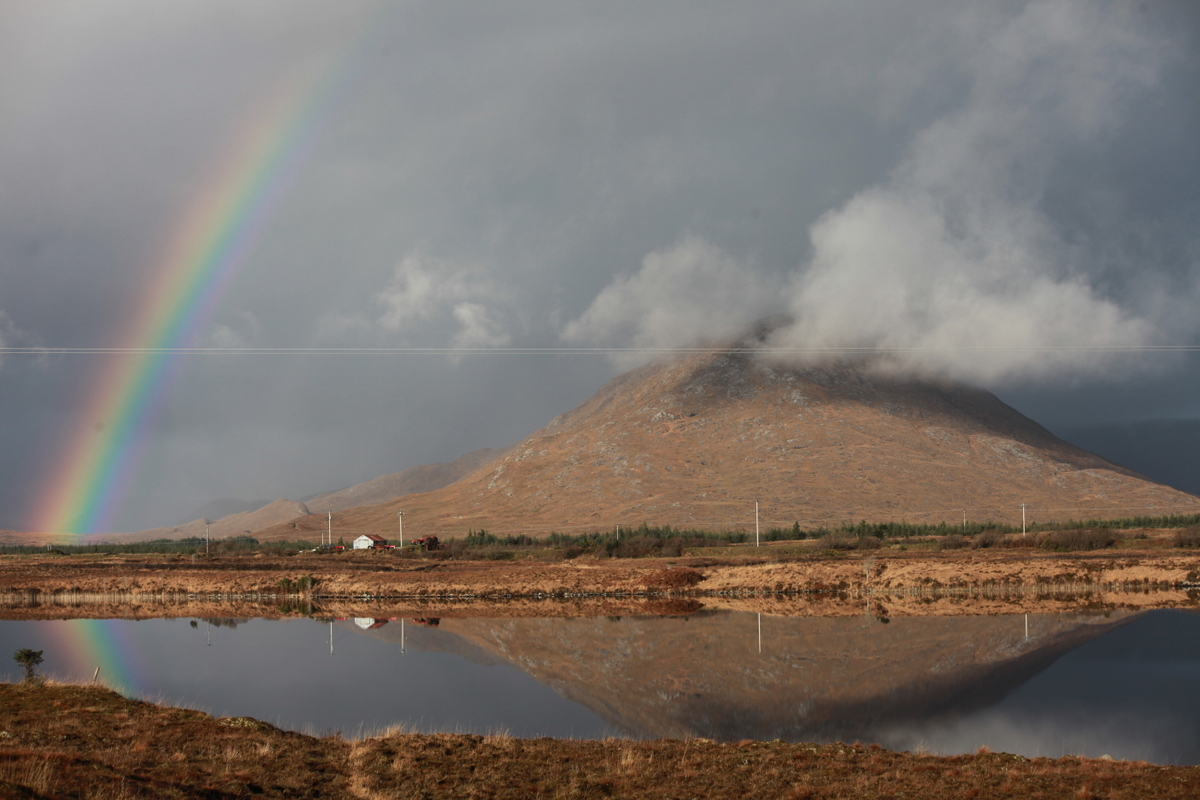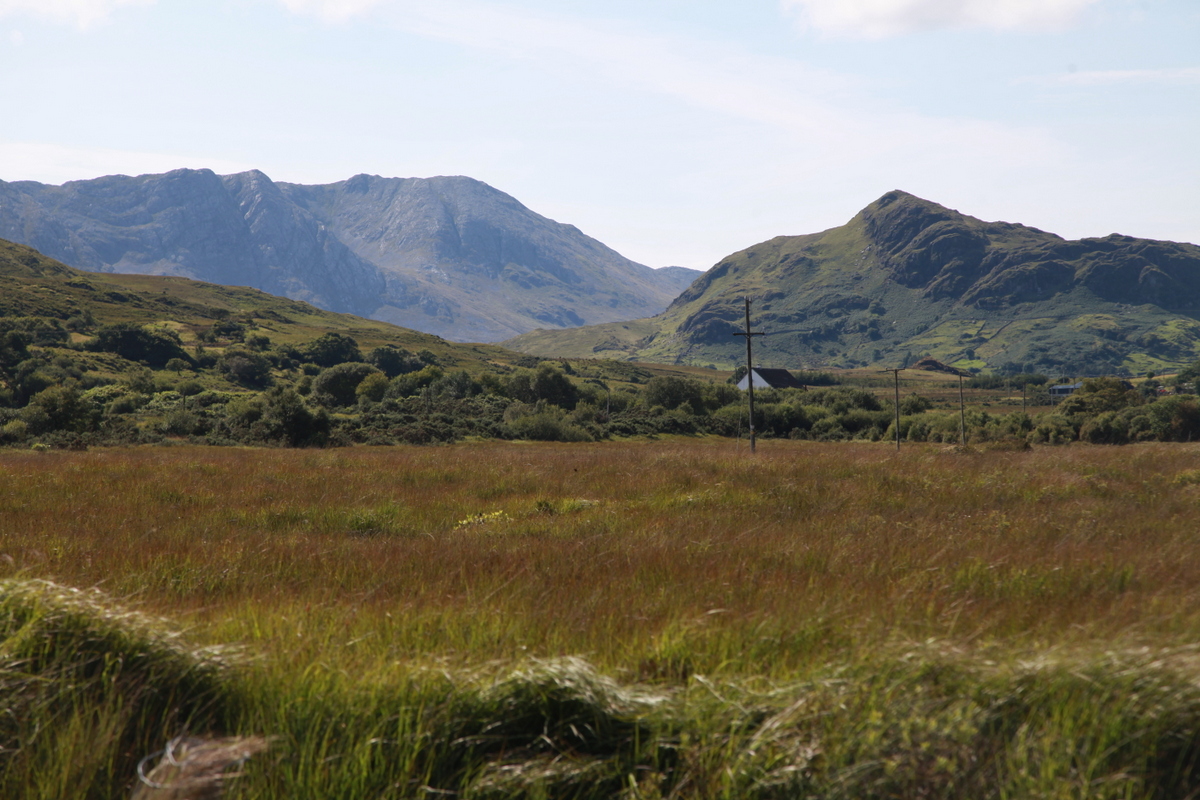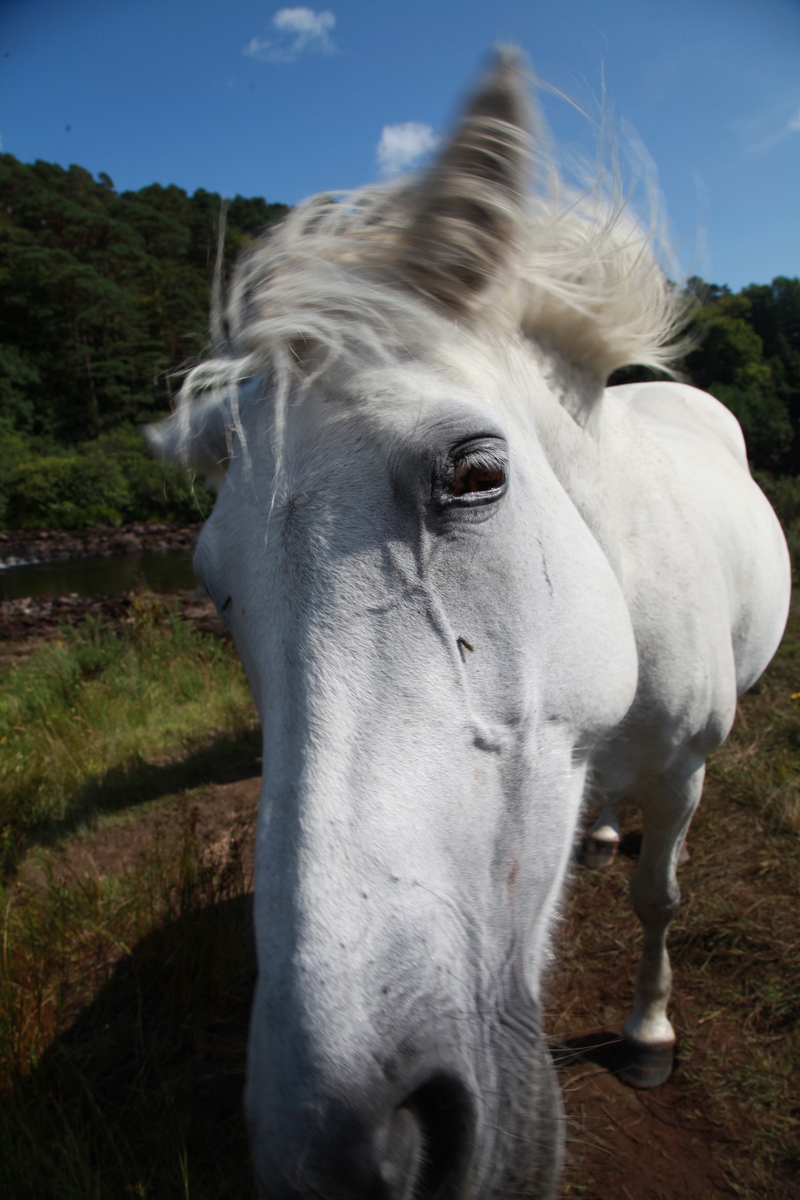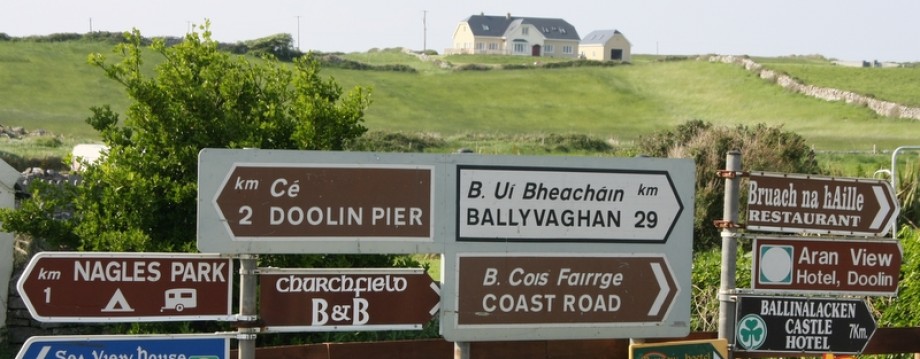
Wild Ireland

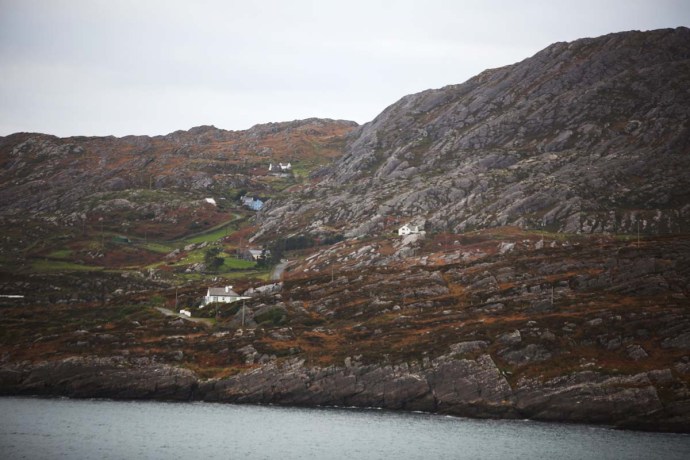
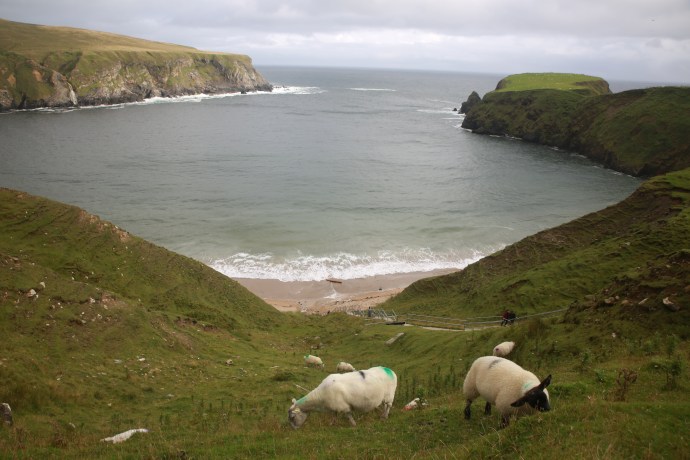
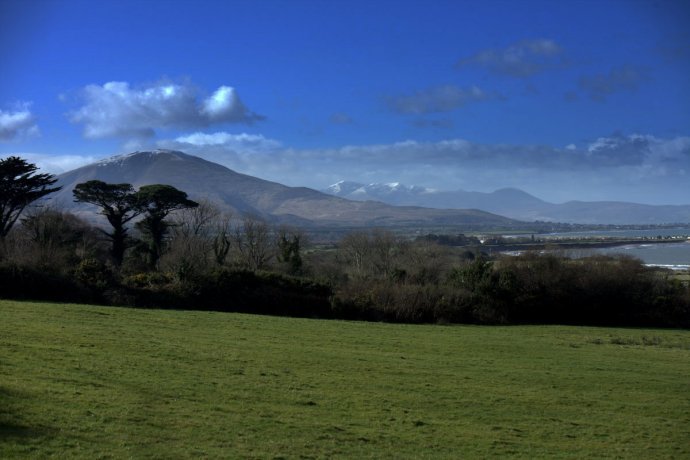
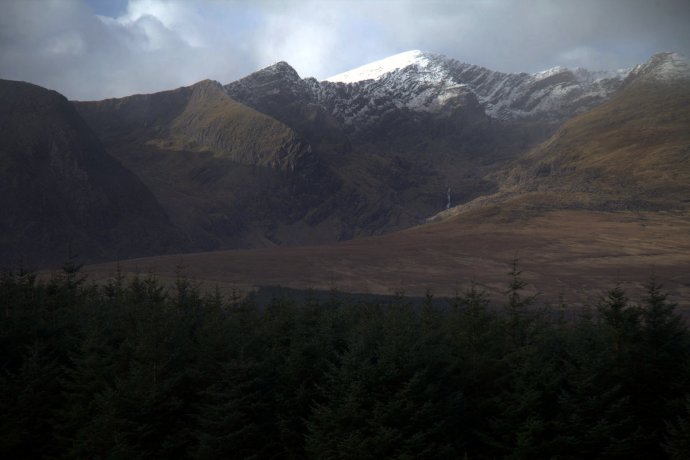
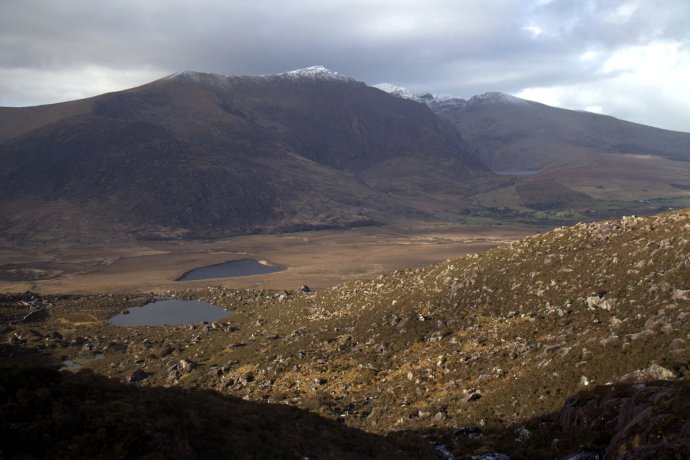
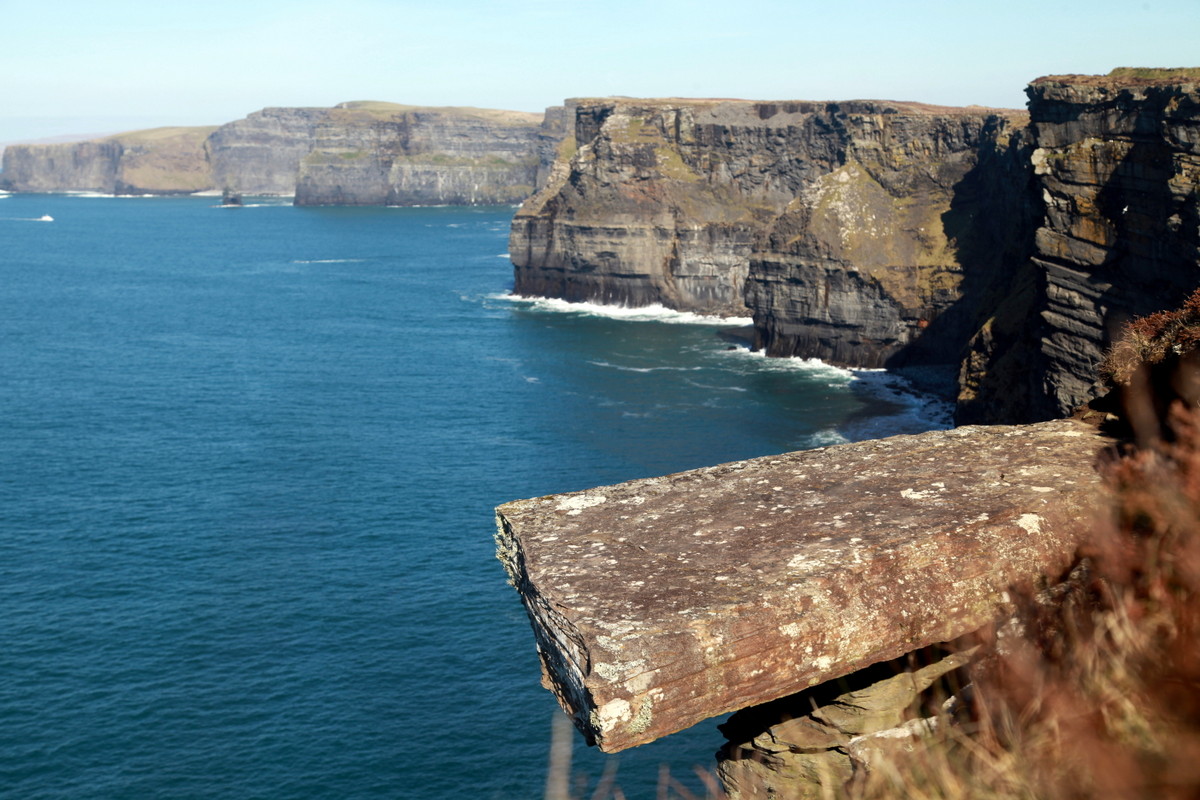
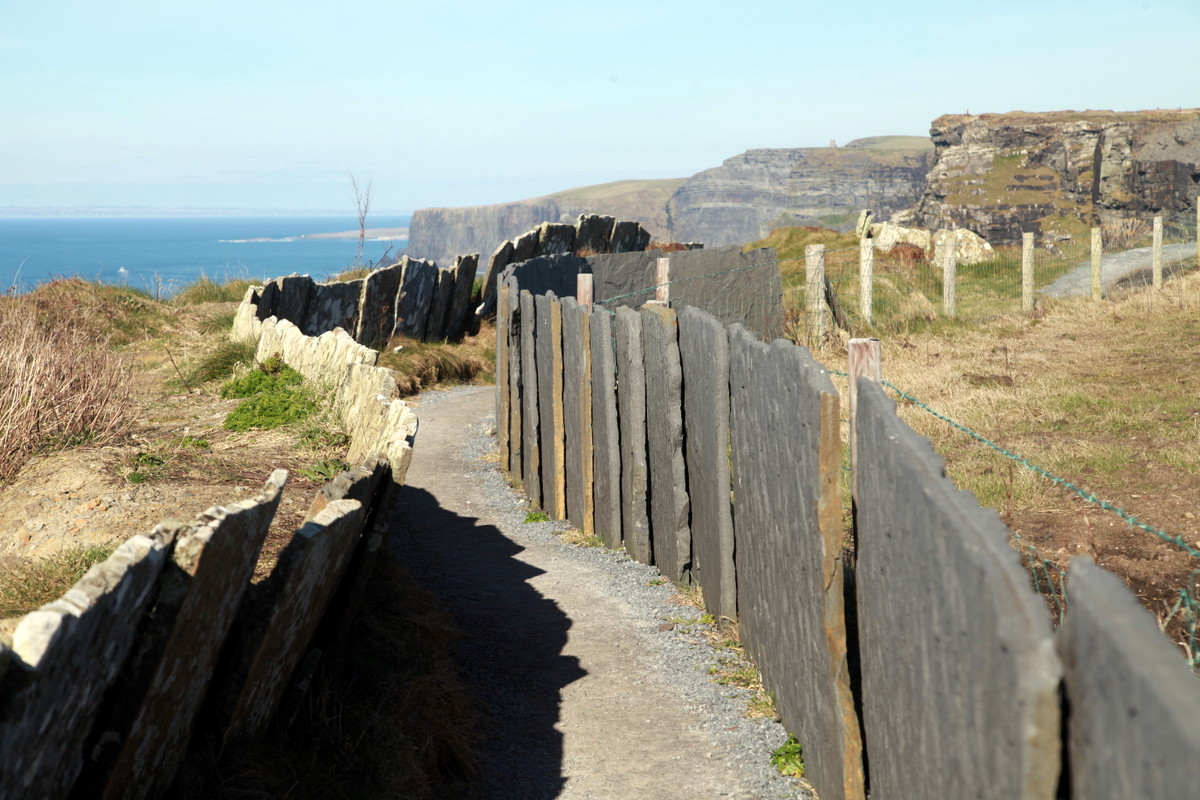
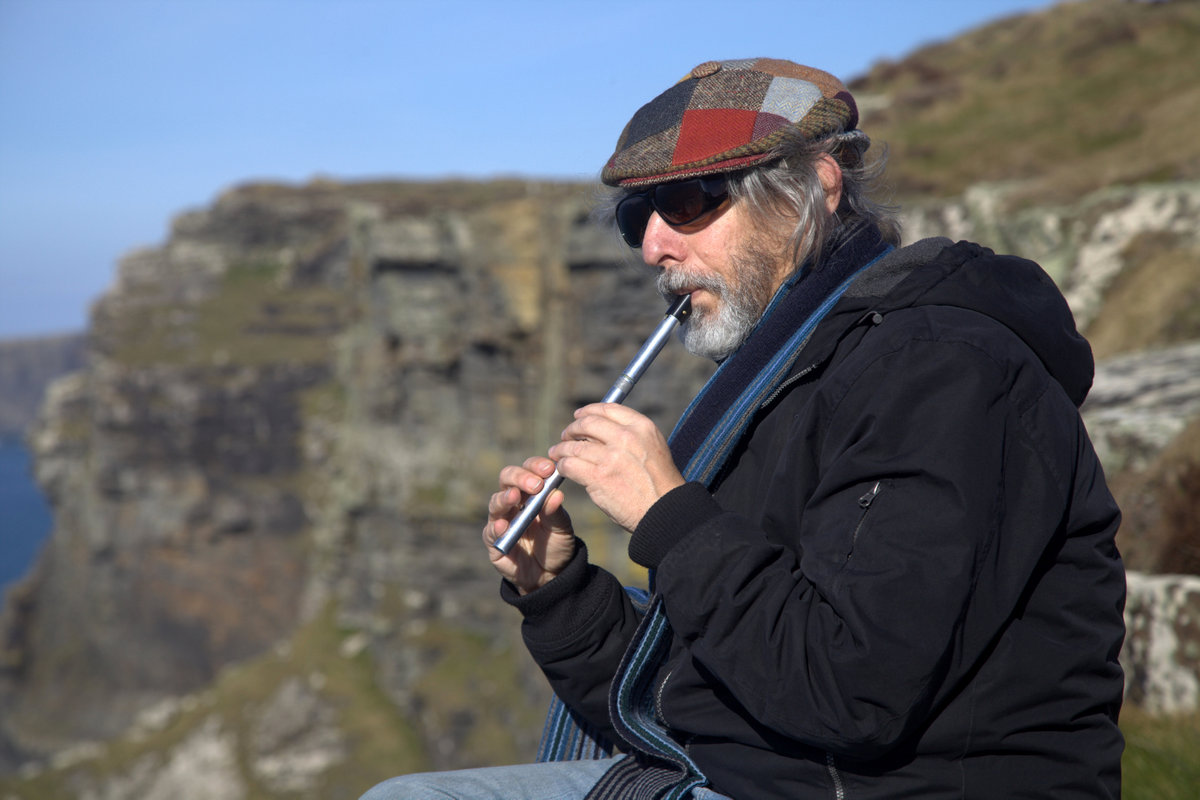
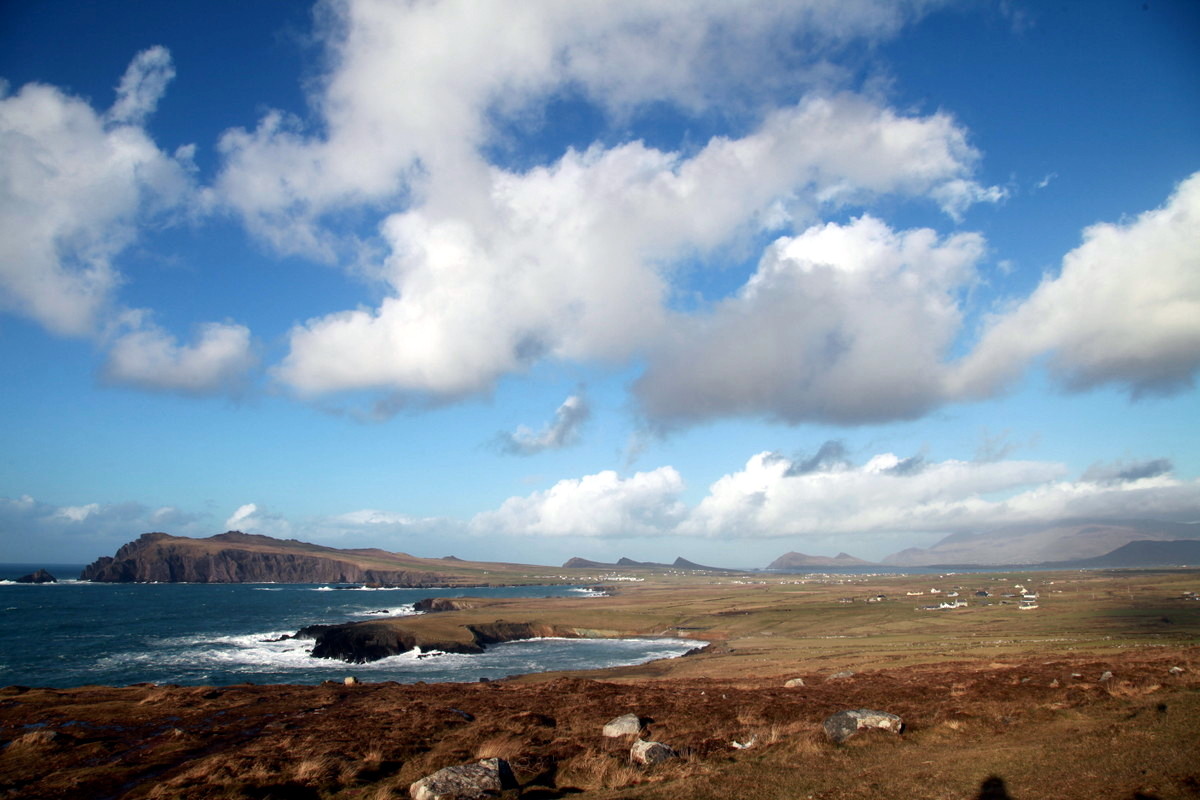
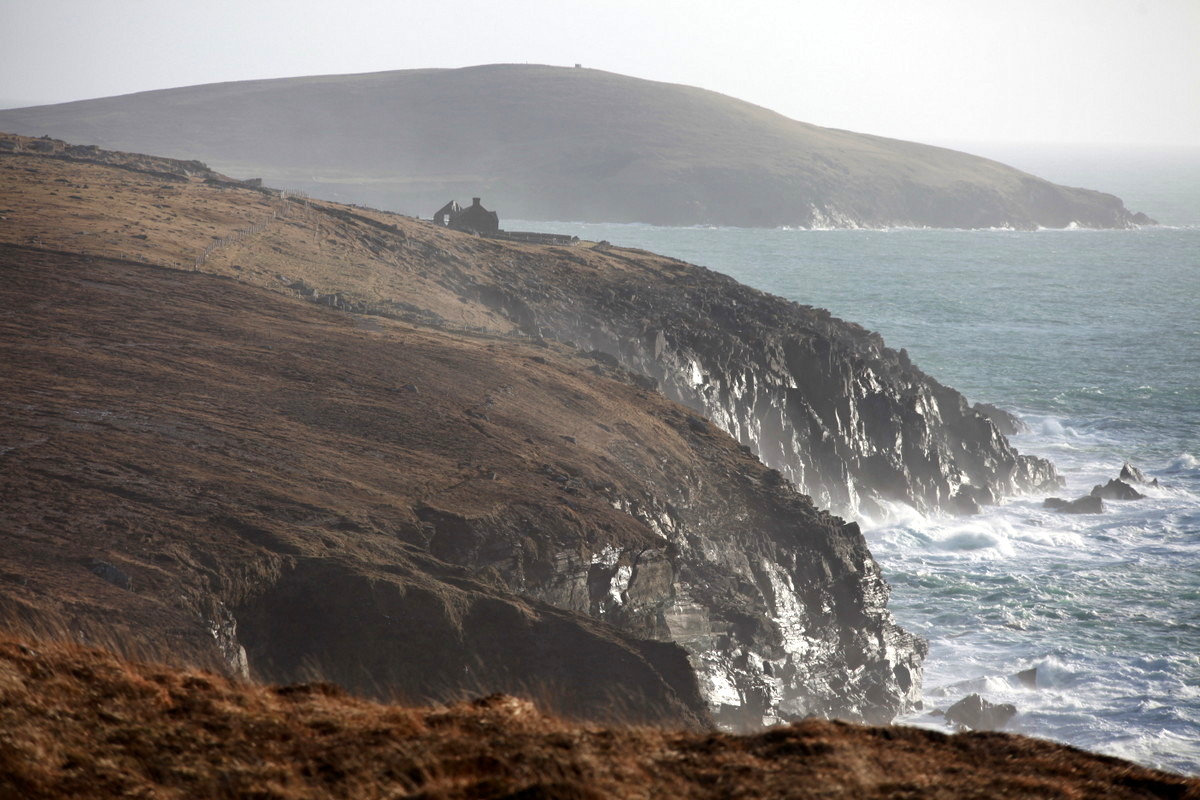
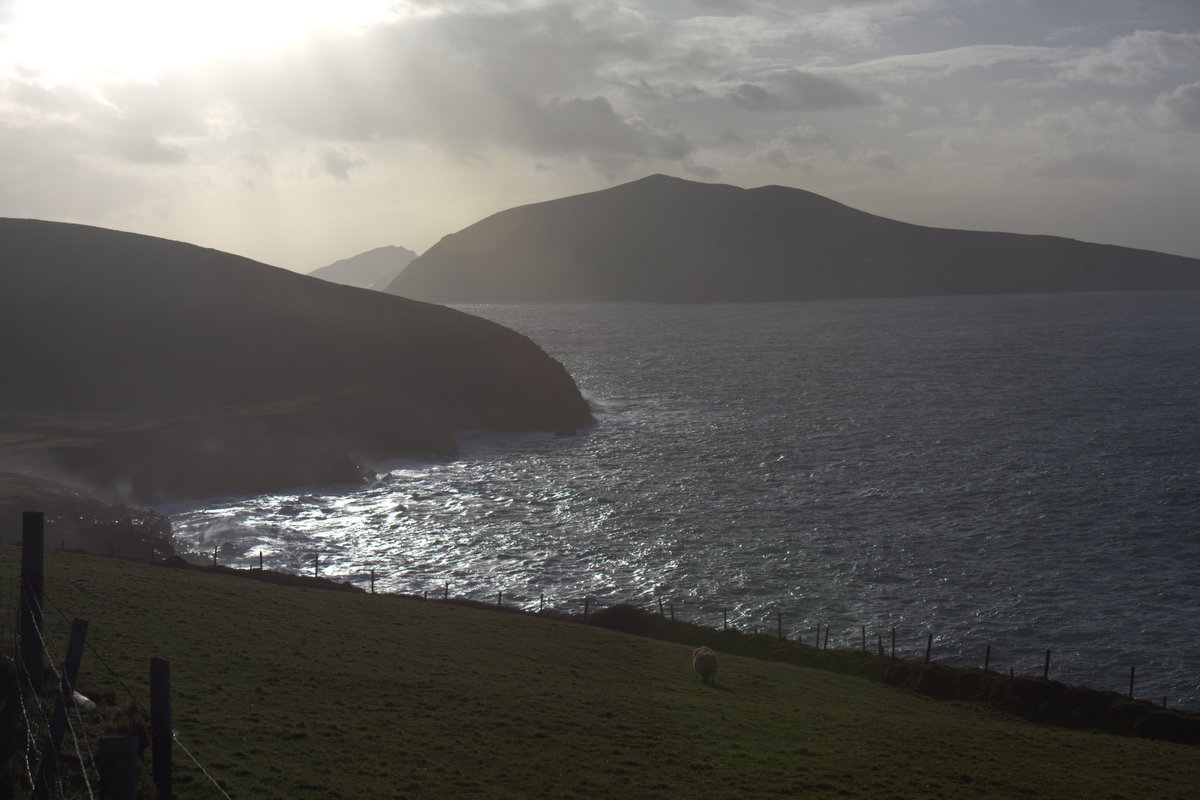
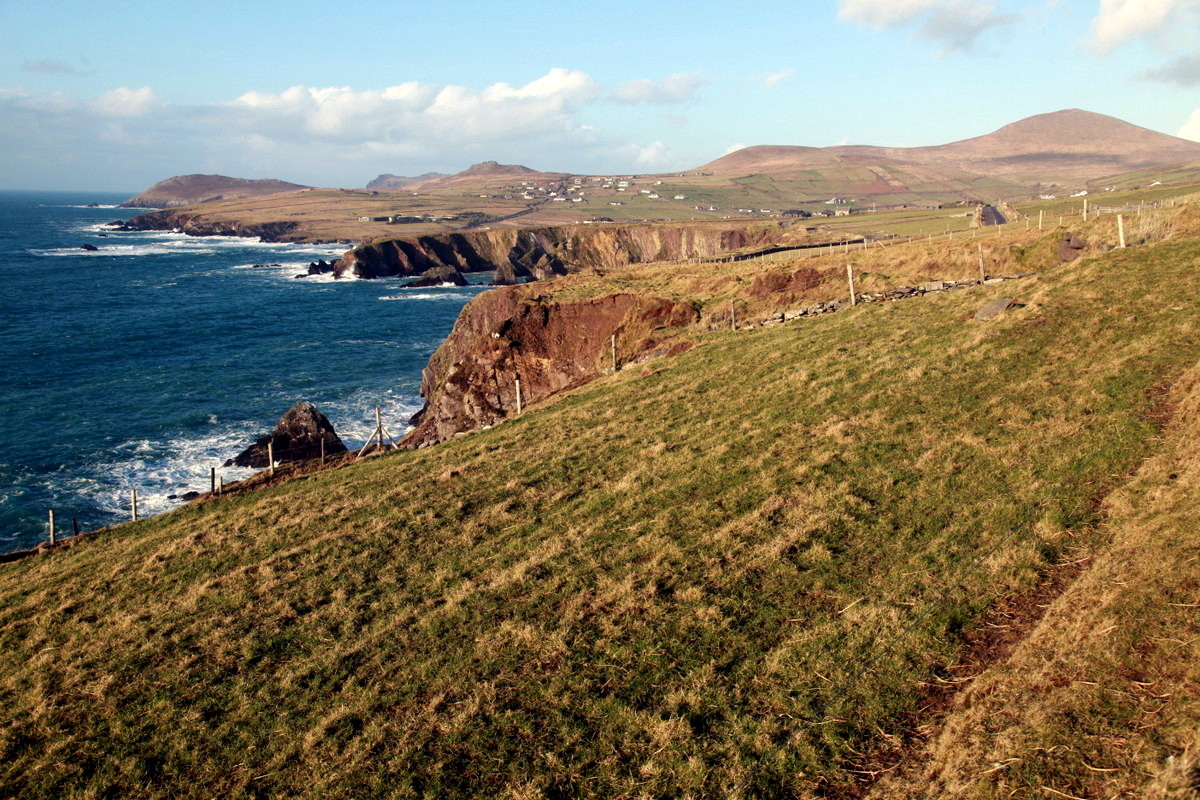
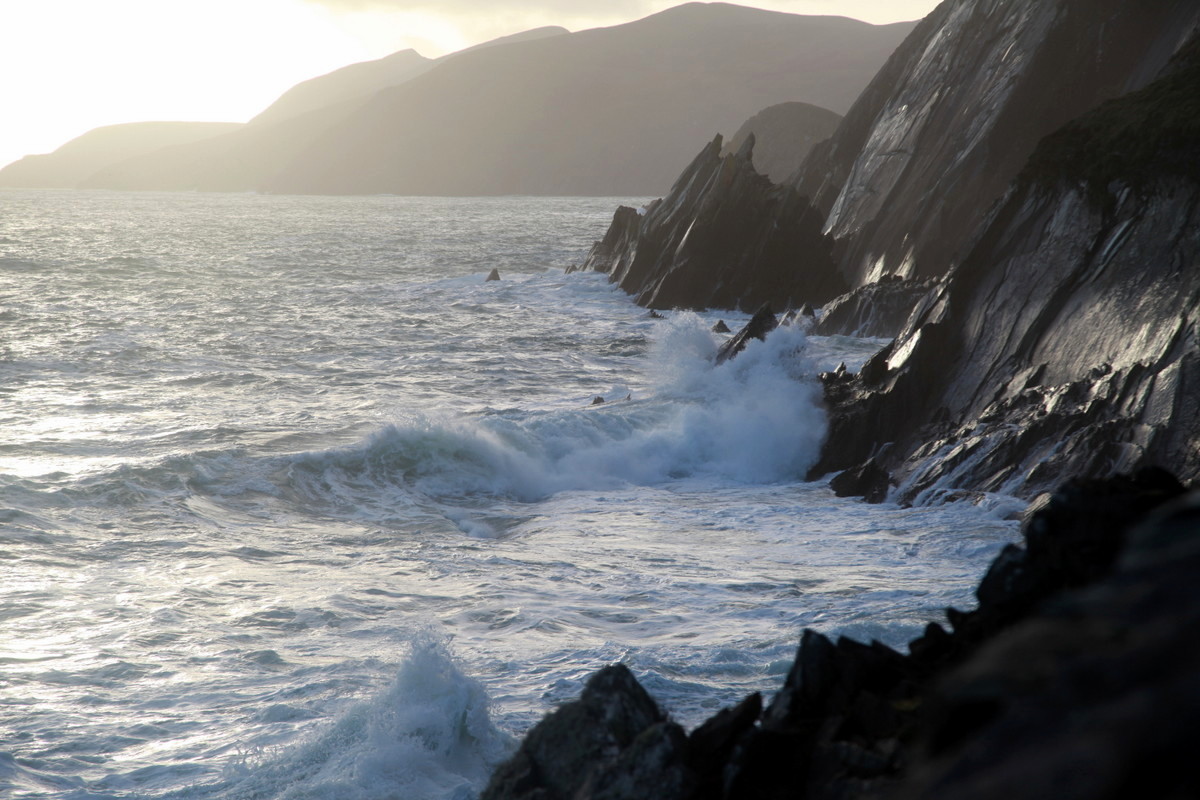
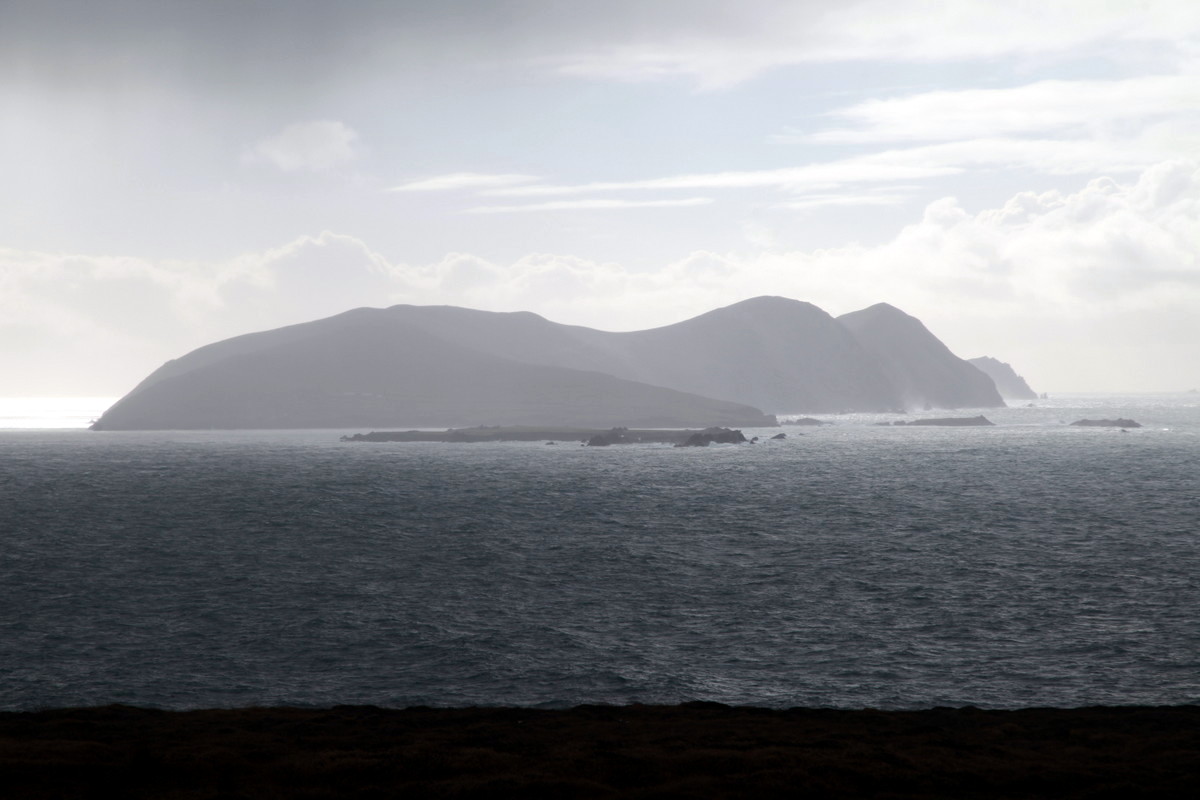
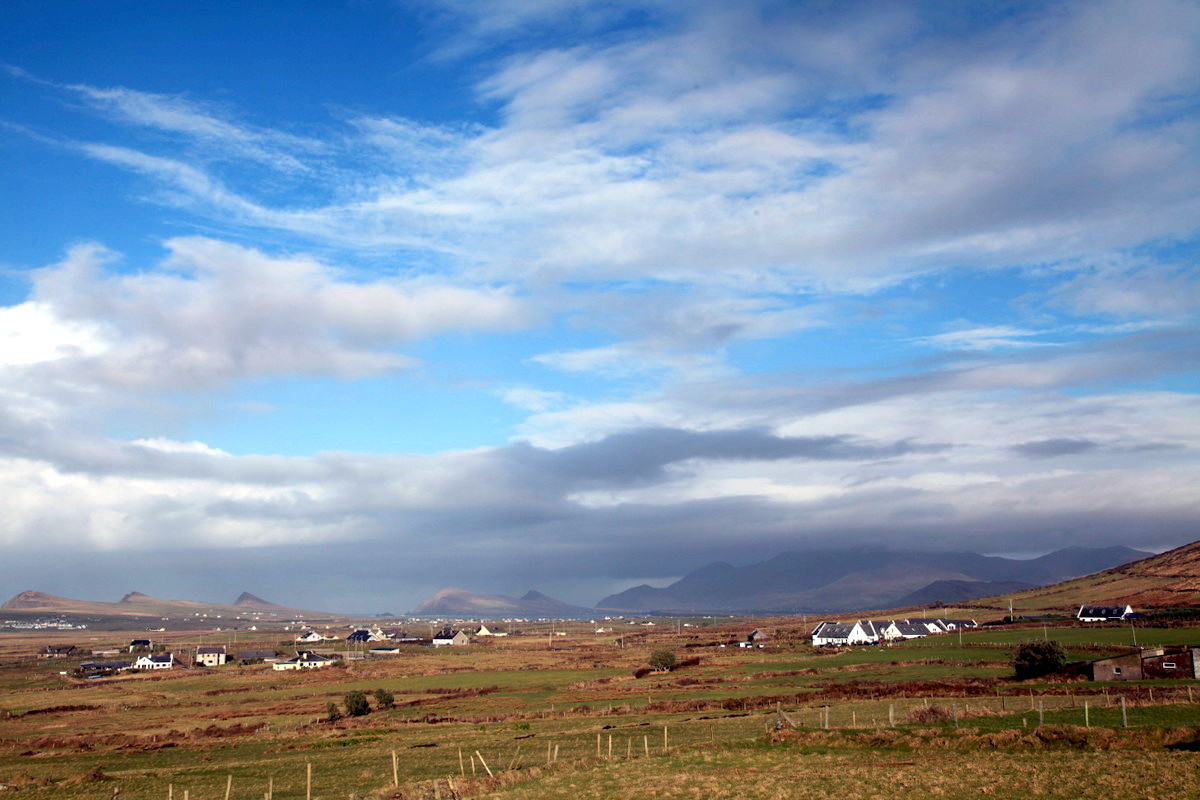
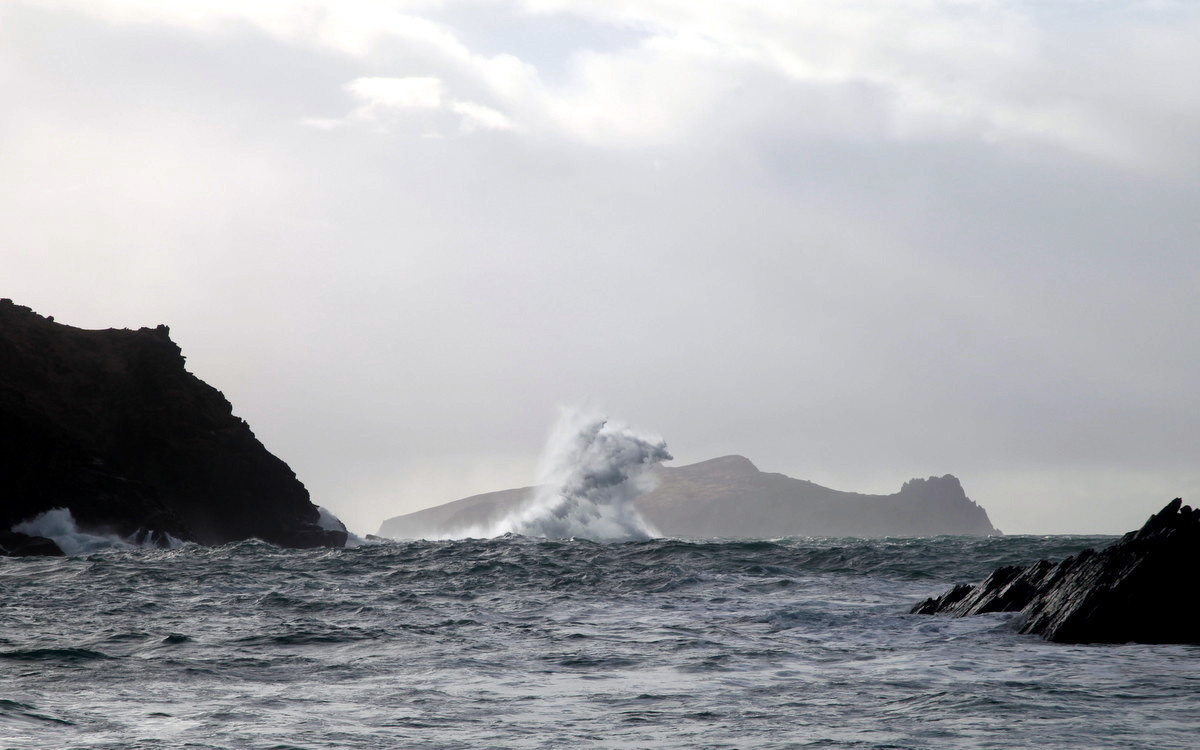
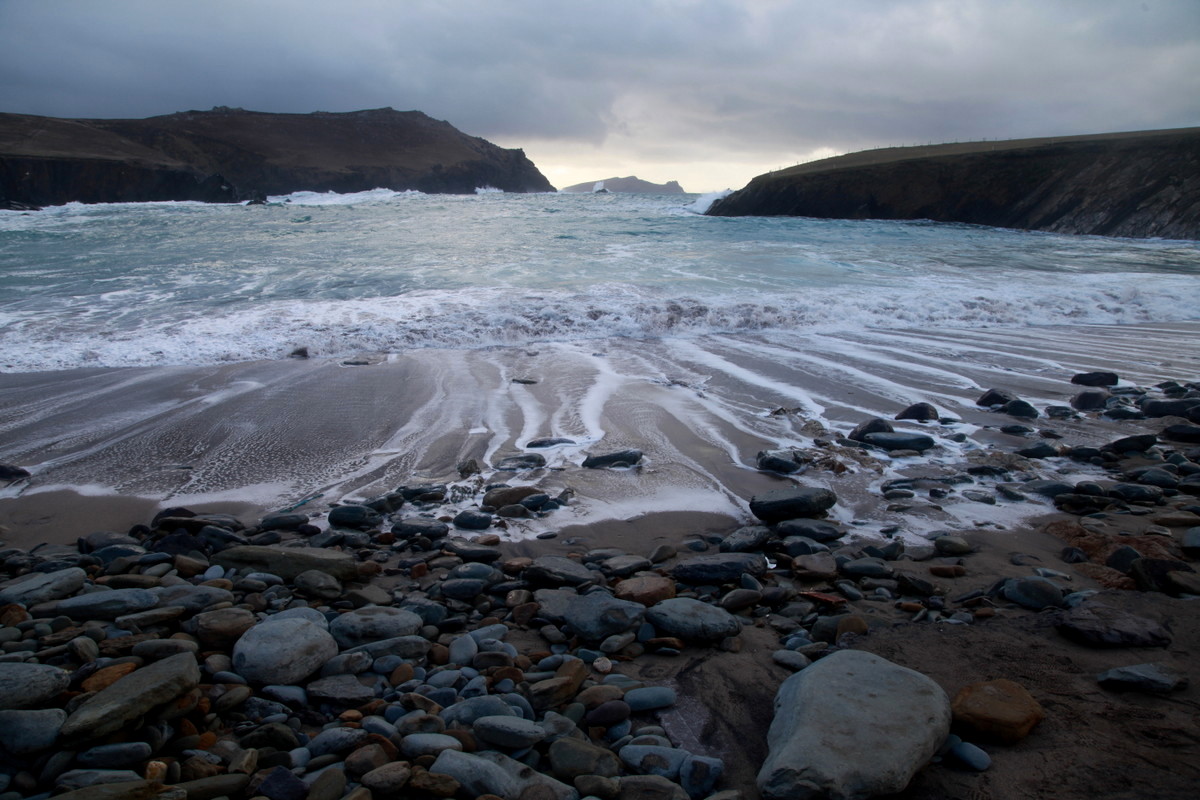
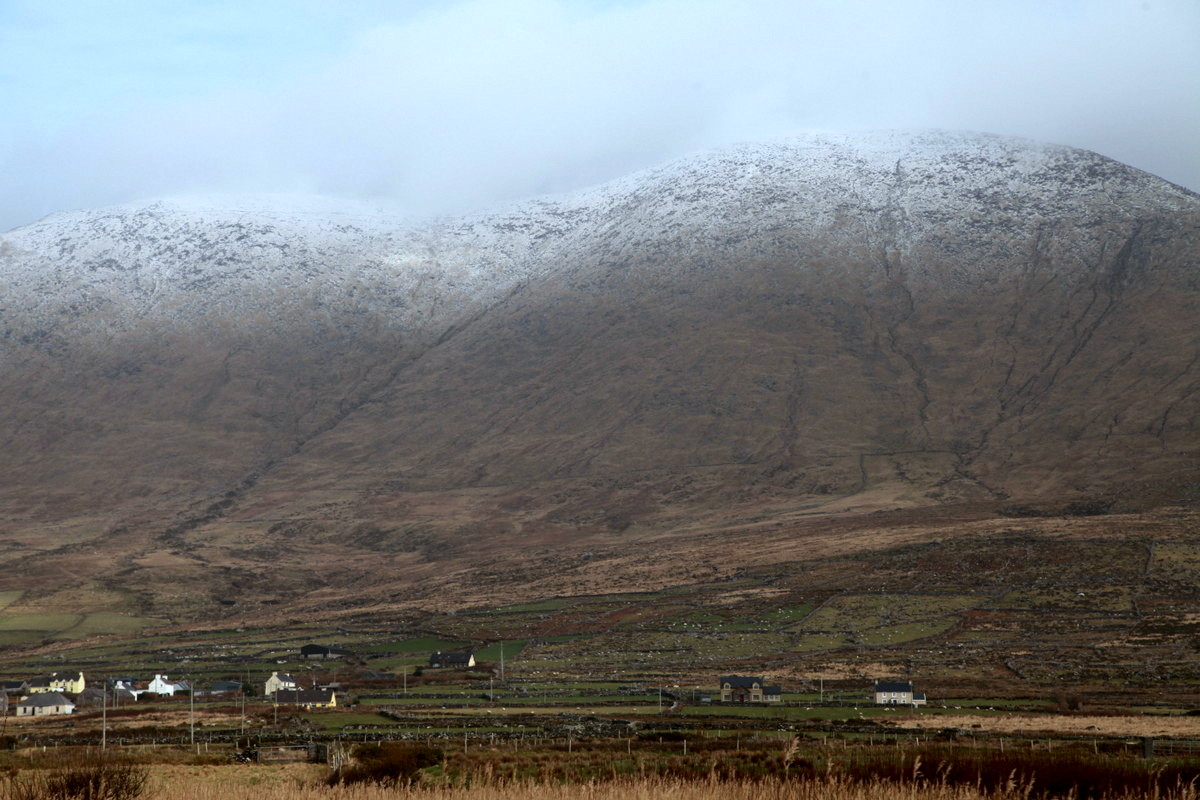
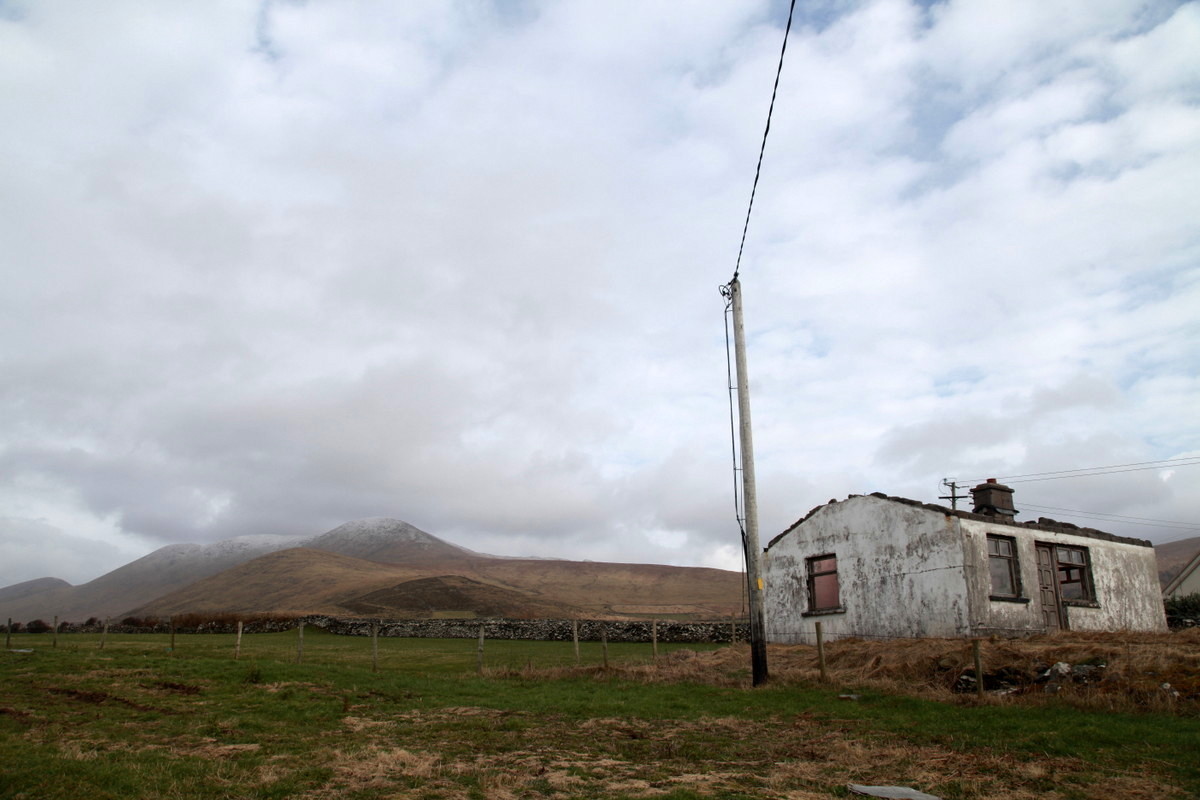
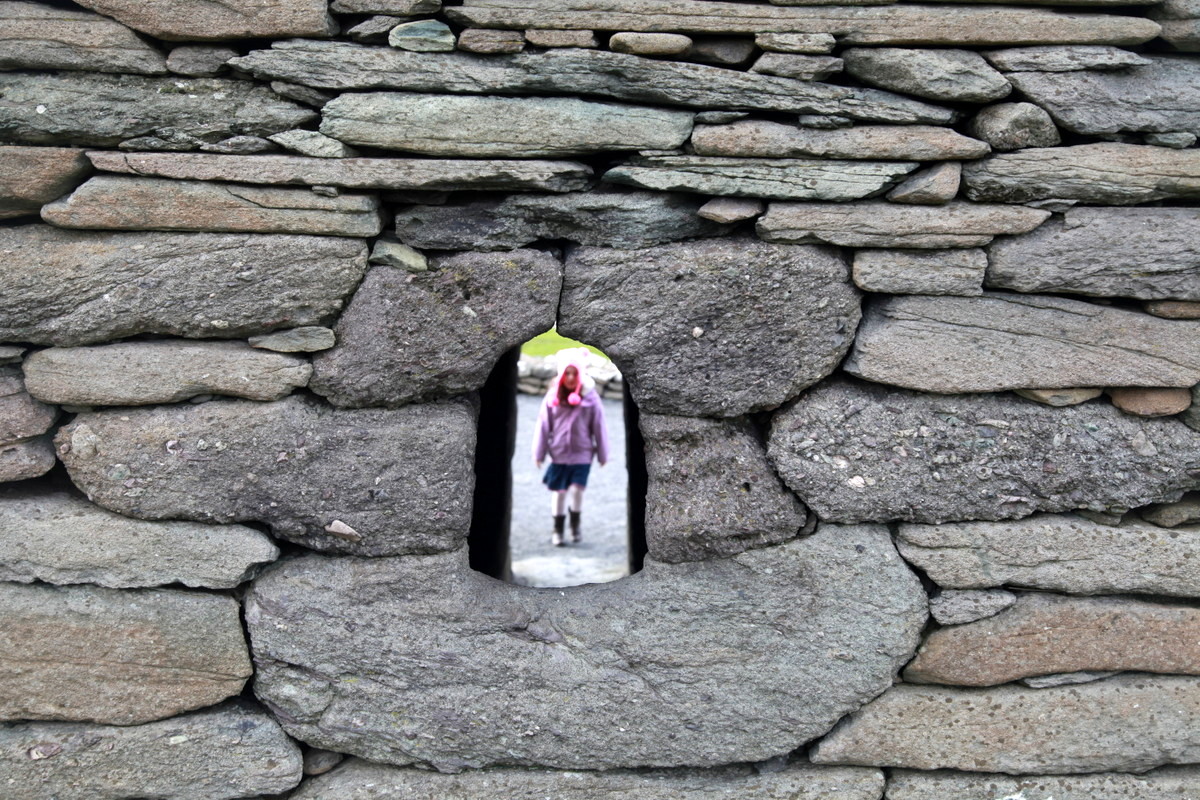
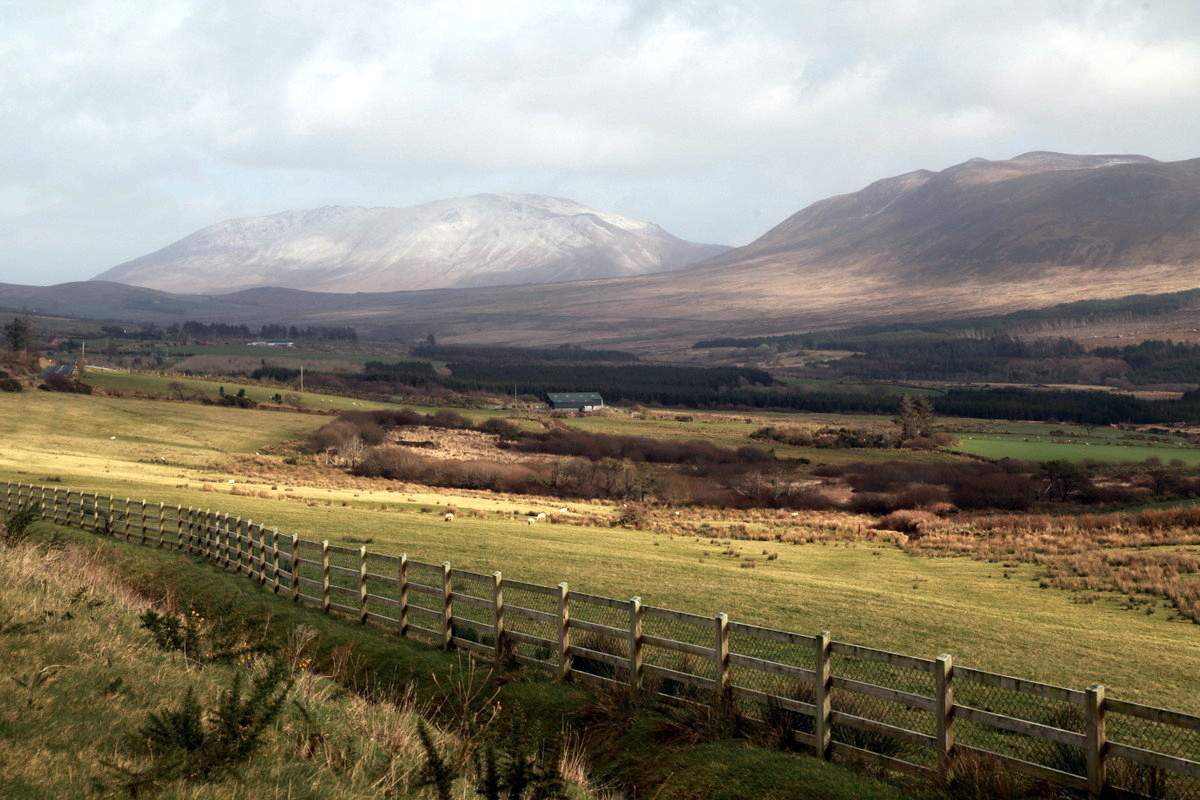
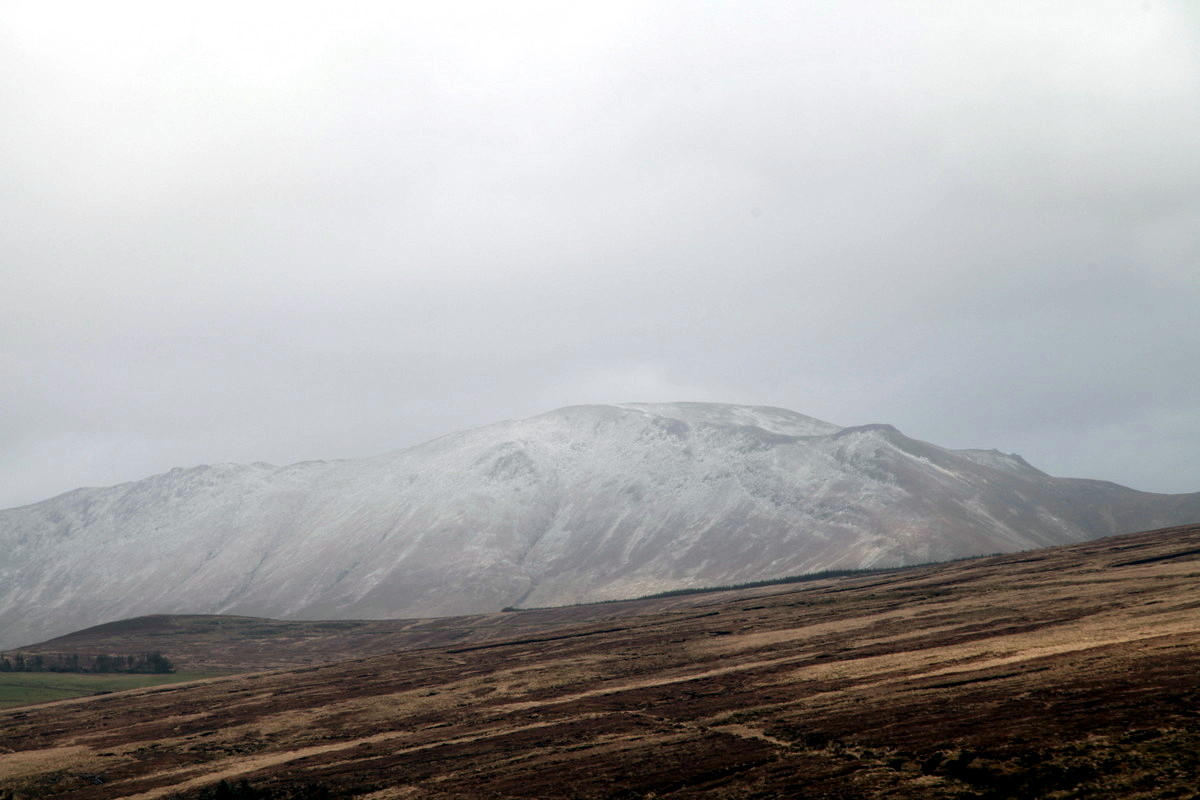
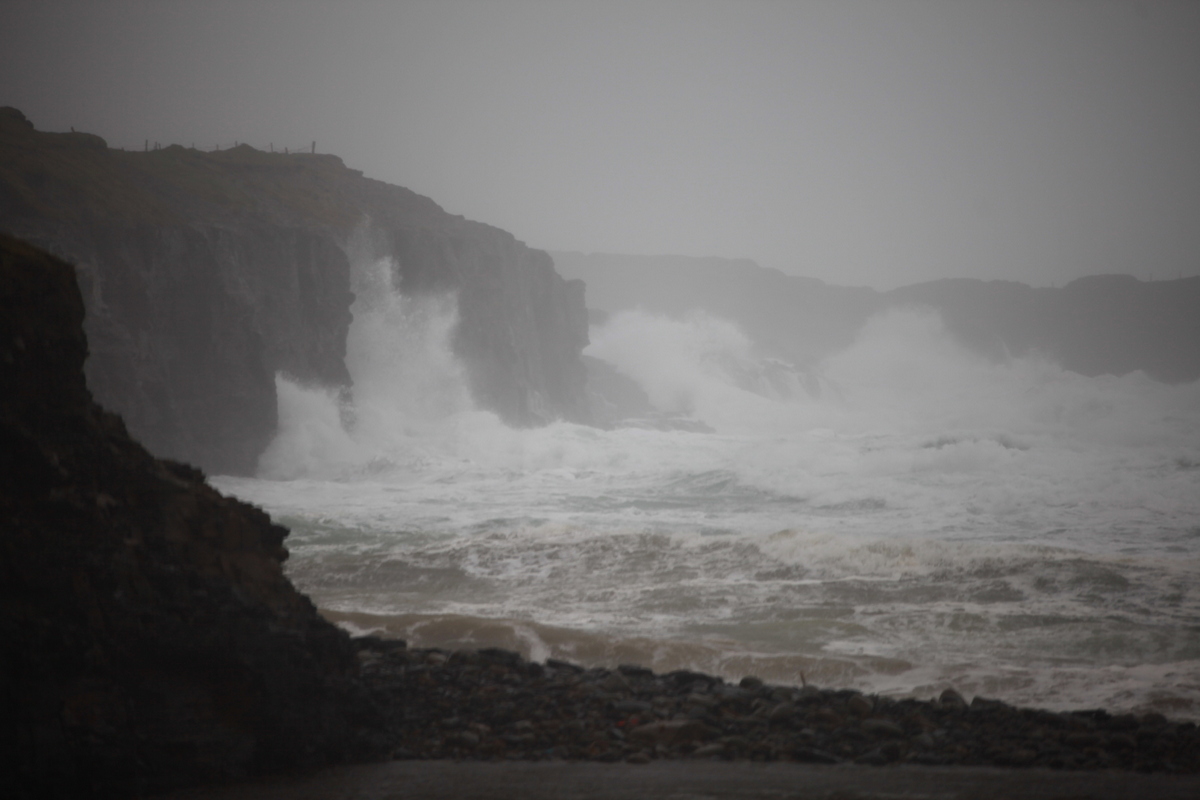
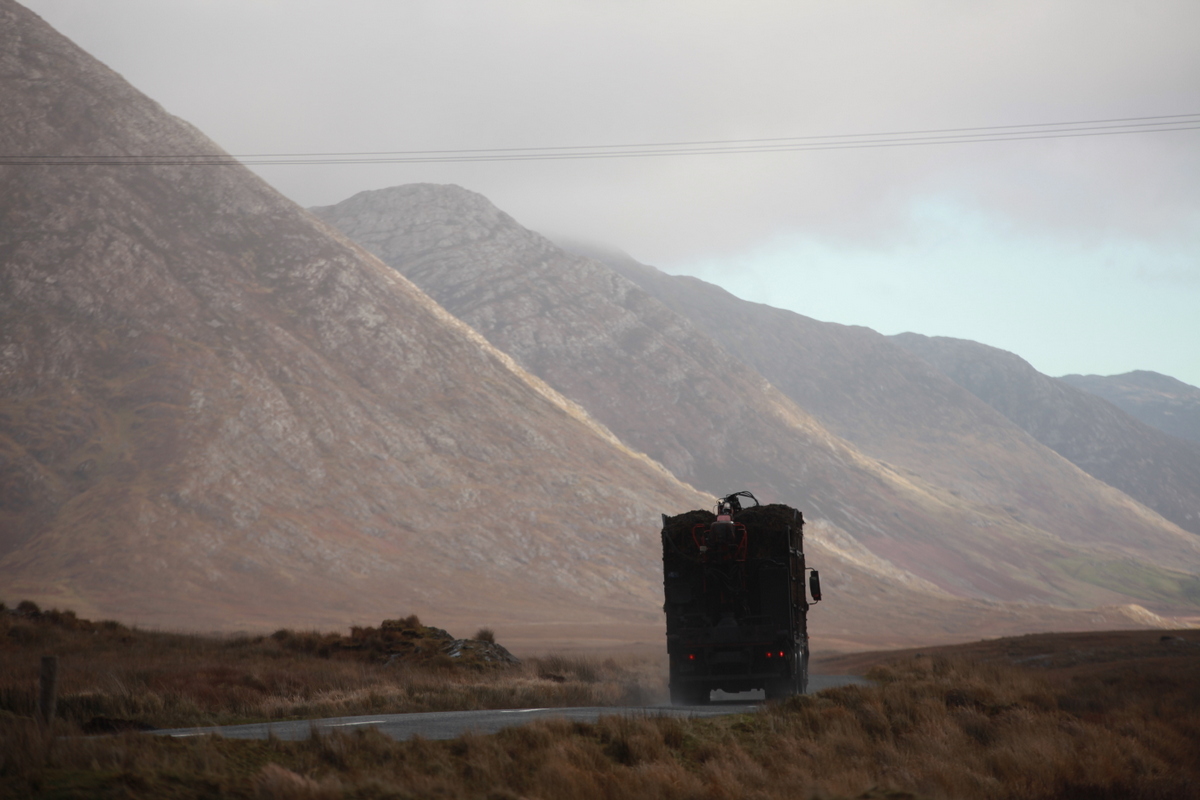
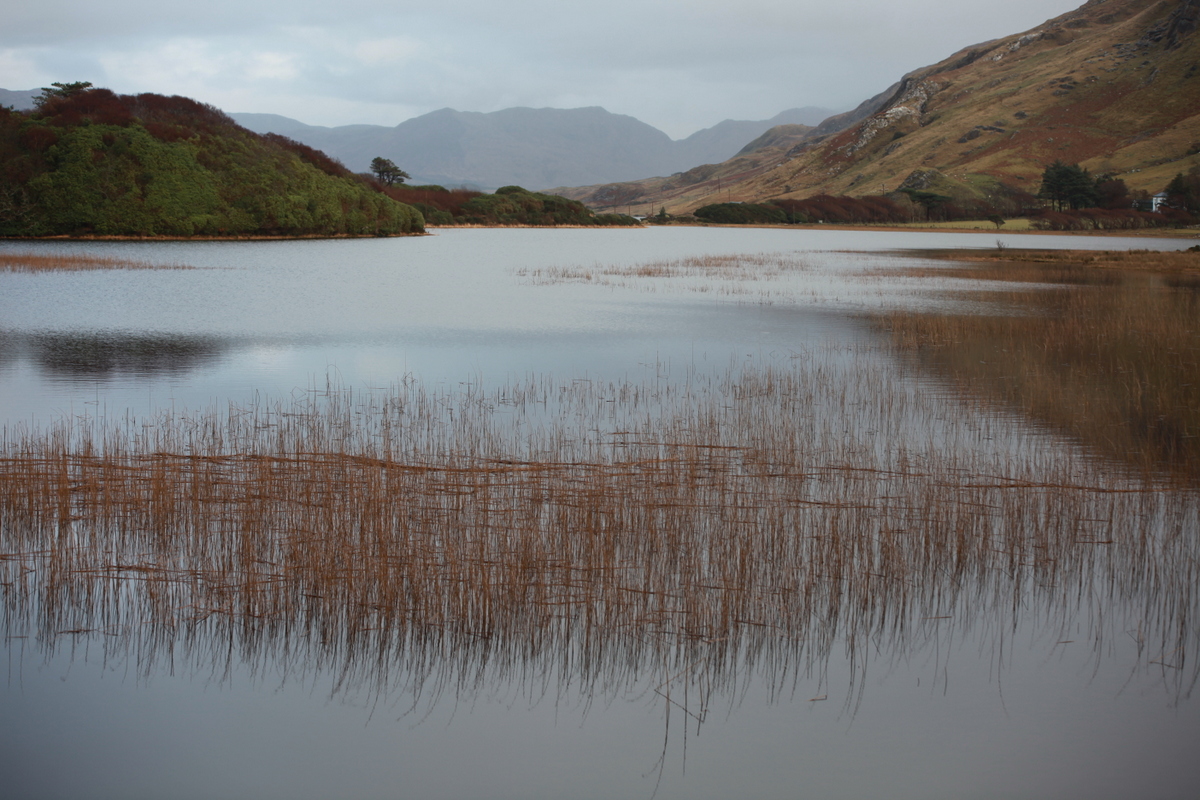
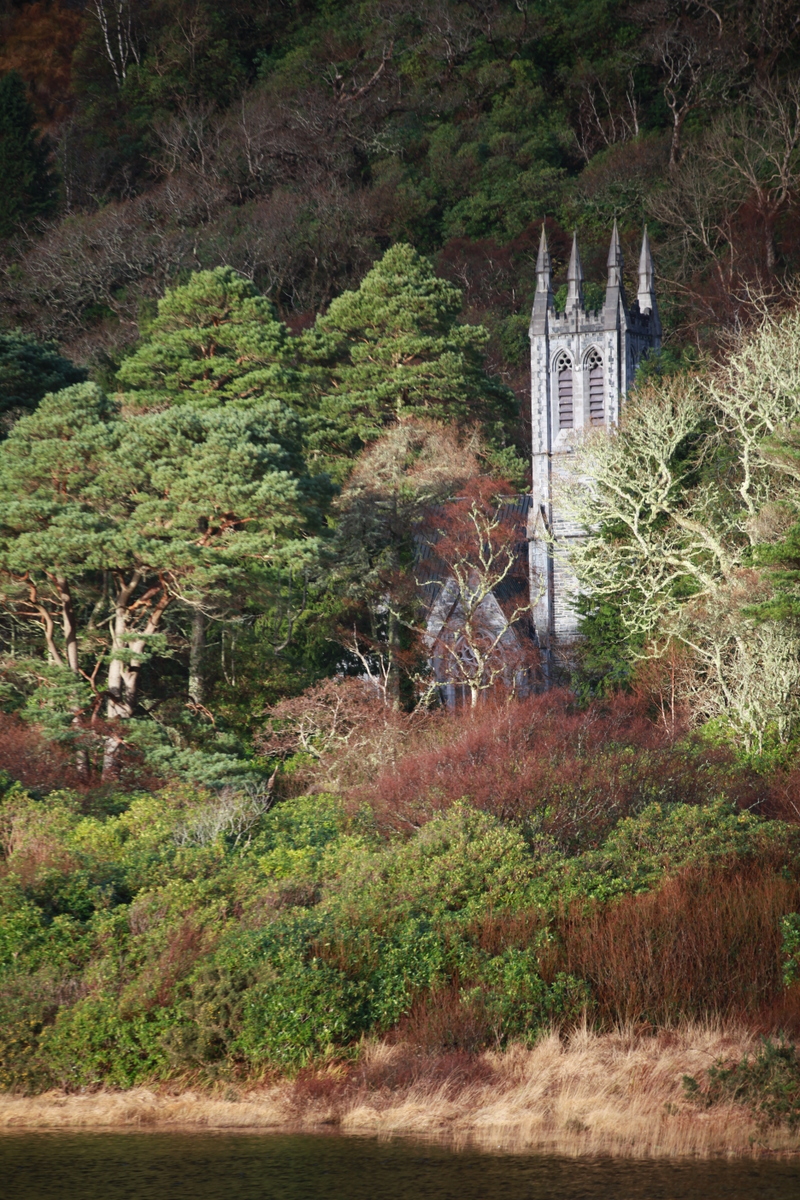
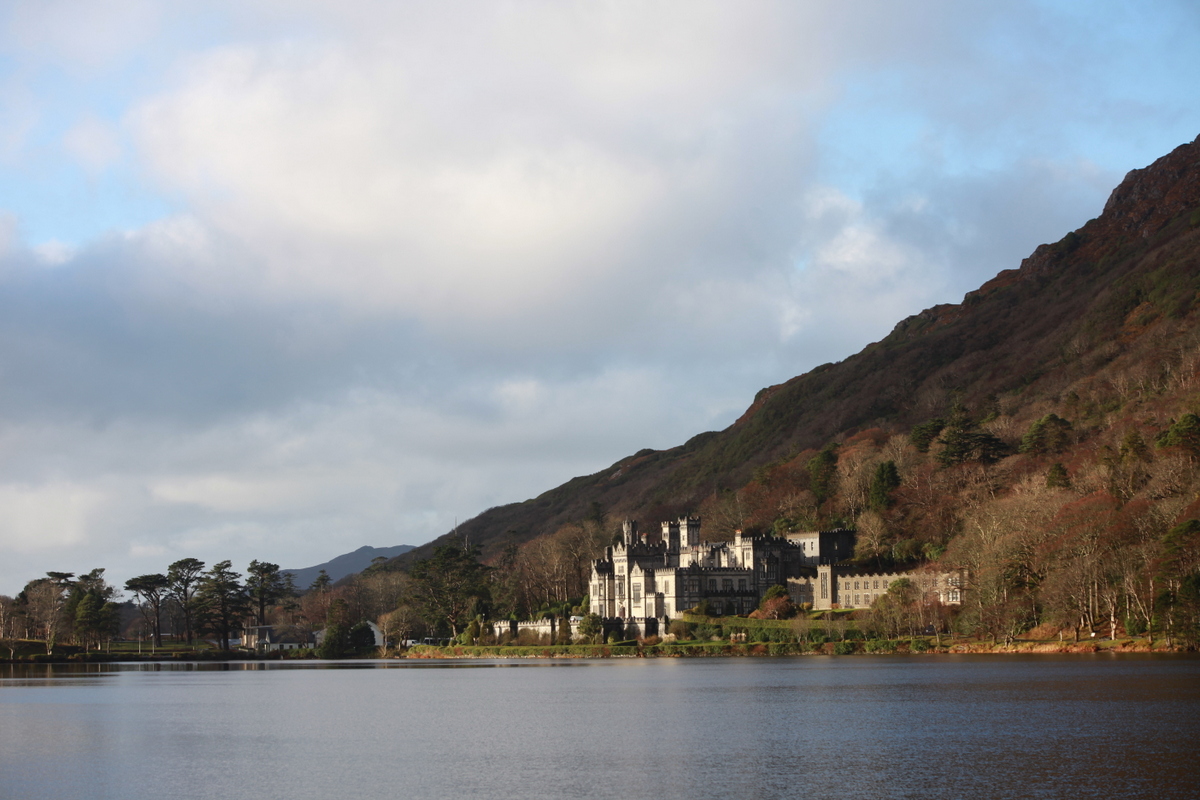
The Beara Peninsula, Co Cork. My New Favourite Place in Ireland.

I hope my blogs on Ireland aren’t getting too boring. Each time I discover or rediscover a new place I can’t stop scraping up the superlatives.  I’ve blogged recently on the magic of Glencolmcille and south west Donegal, on the spirit of Achill Island, on the beauty of Doughmore in West Clare and West Connemara and many places in between. Recently I visited the Beara Peninsula again for the first time in twenty years. And I’m sorry but I have to regale you with more resplendent words yet again.

The Beara Peninula is one of those wonderful headlands that define West Kerry and West Cork, jutting prominently into the Atlantic and adding a whole lot of extra kilometres to the Wild Atlantic Way.  Many have well known and evocative connotations. The Iveragh Peninsula, better known as the Dingle Peninsula,  and the famous Ring of Kerry are the prime destinations for visitors and do not fail to disappoint. Less well known are the Beara Peninsula, Sheep’s Head and the spectacular Mizen Head.

The attractions of the Beara Peninsula are however becoming better known and I am told by the locals that this summer it was crowded with visitors. I chose to visit in late October. The weather was good (in Irish-speak that translates to ‘no rain’) and it has to be the perfect time. At the western end, the roads are almost deserted and you feel you have this magnificent landscape to yourself.

An obvious draw of this place is that it is more compact than the Ring of Kerry but there is so much variety, so much of interest and so much to fill the shortening autumn days that it was hard to leave.

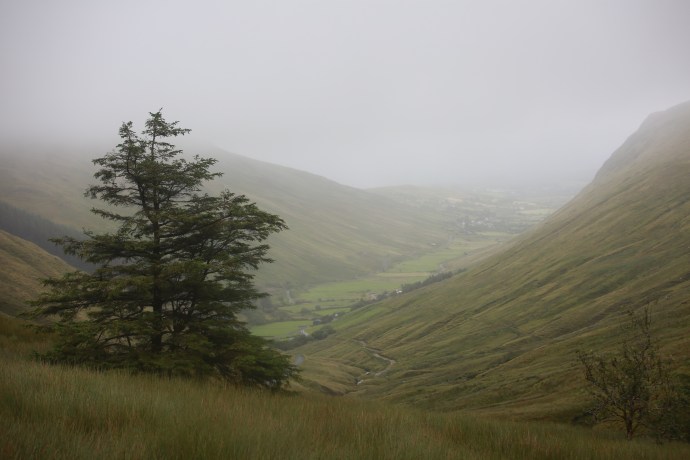
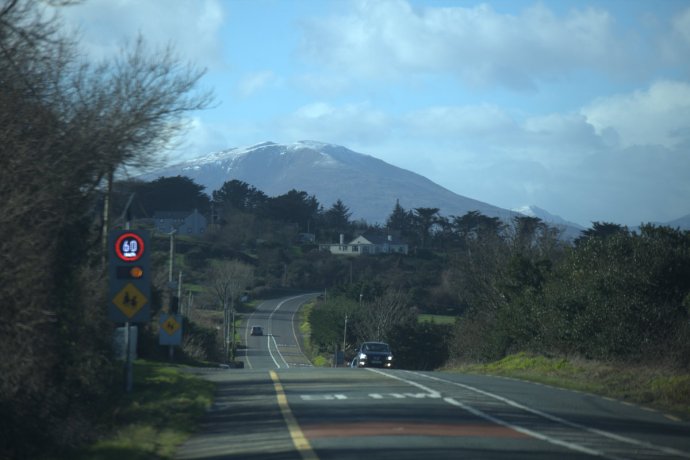
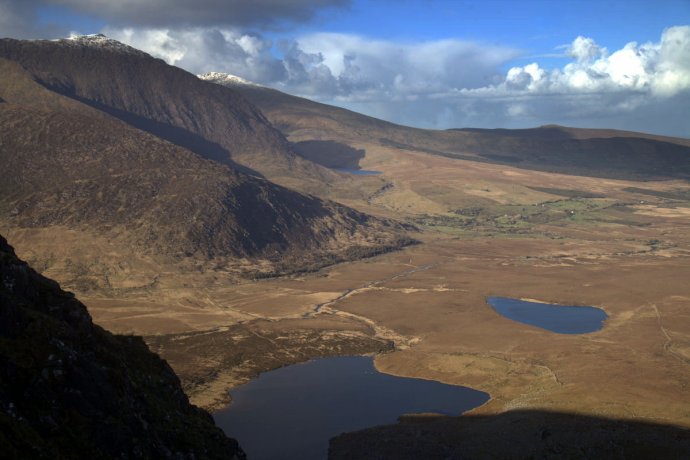
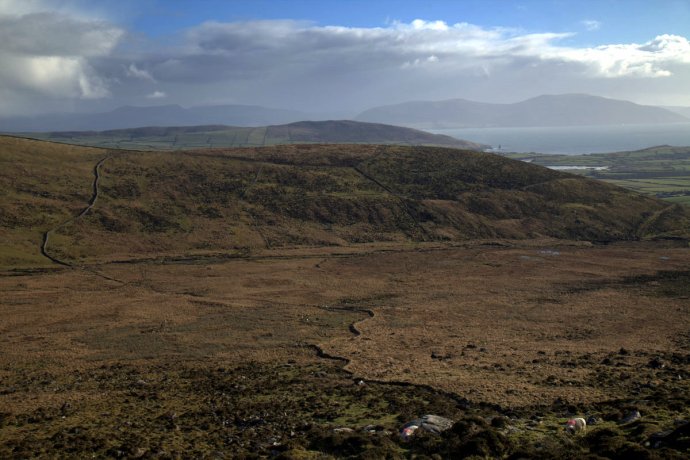
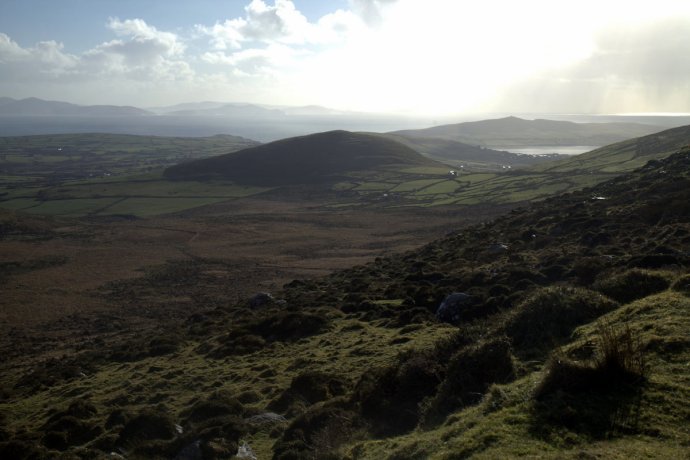
So what does this little treasure offer?  For a start magnificent vistas are around every corner. You can approach from the Northern Road or the Southern Road but my strong recommendation is you find time to do both.

panorama-beara-3

ig3c3378aig3c3484ig3c3436ig3c3681ig3c3706a

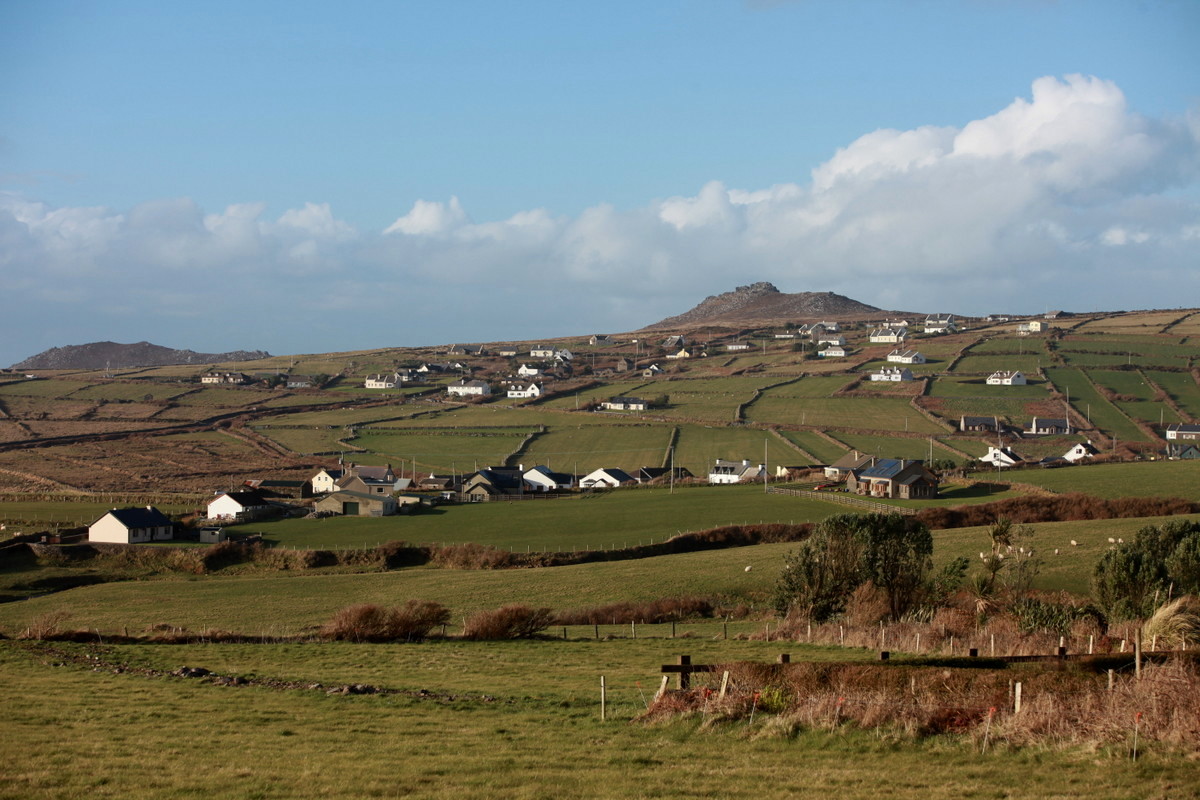
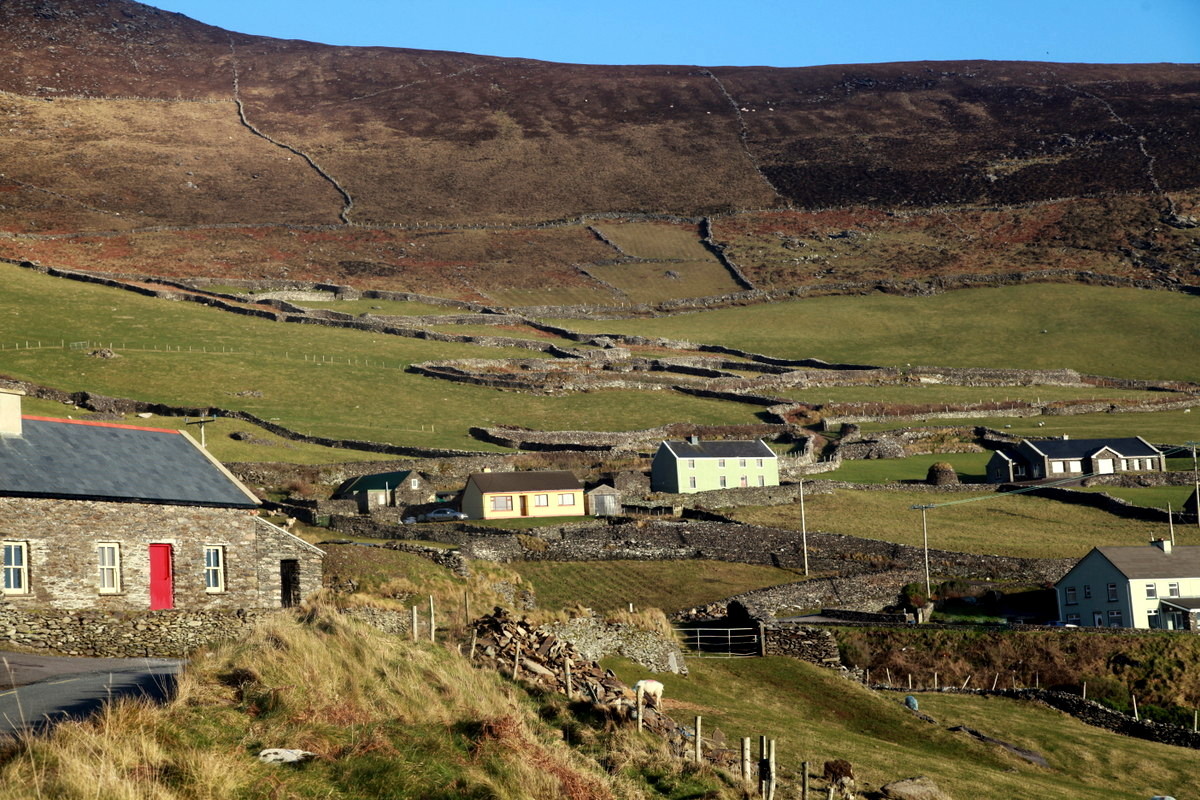
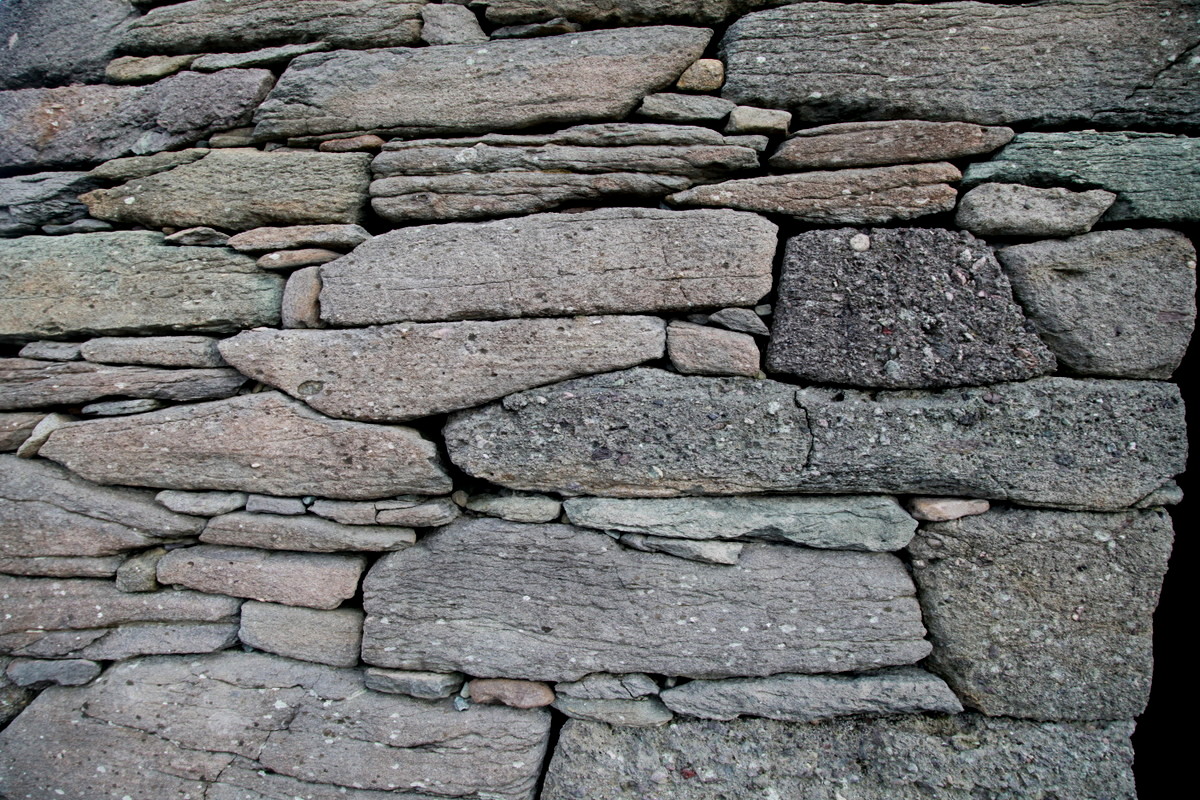
And sometimes you see something that you know could not be replicated anywhere else in the world.  The patchwork quilt and stone walls that say Ireland, Ireland, Ireland.
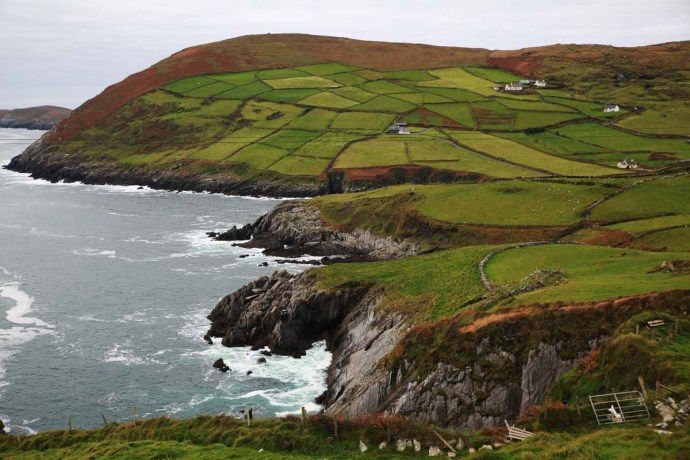
ig3c4109aig3c4224aig3c4066

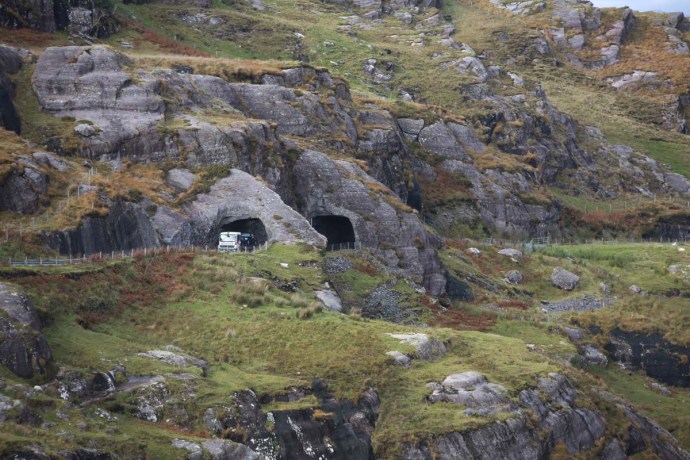
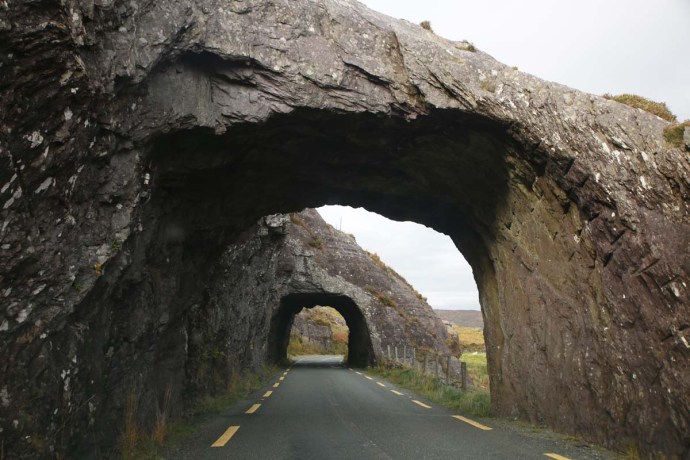
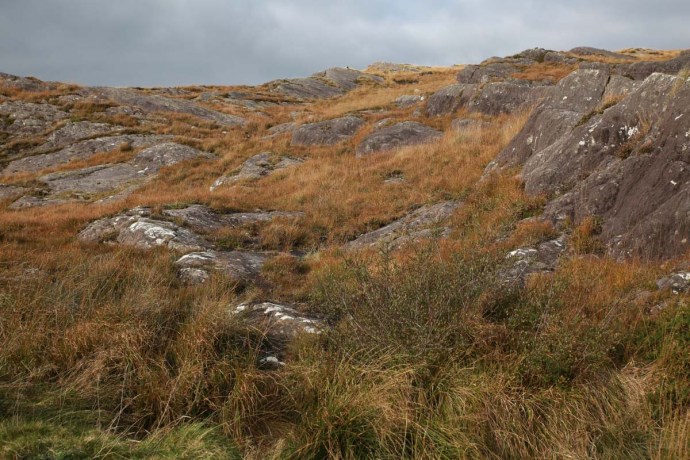
There are a number of mountainous rocky passes. I explored the Caha Pass this time, which links Kenmare with Glengariff. Here there is stunning scenery and four remarkable tunnels (known as Turner’s Rock Tunnels) built in the 1840s when they decided to go through the rock rather than over it. Quite an engineering feat for its day and very unique for road construction as most tunnels in Ireland were built for railways. Indeed the railway construction boom did not start until the 1840s so these tunnels predate any rail tunnel in Ireland.   From this impressive road there are craggy mountains, magnificent pasture and grasslands, and sweeping panoramas. Next time I will do the Healy Pass.
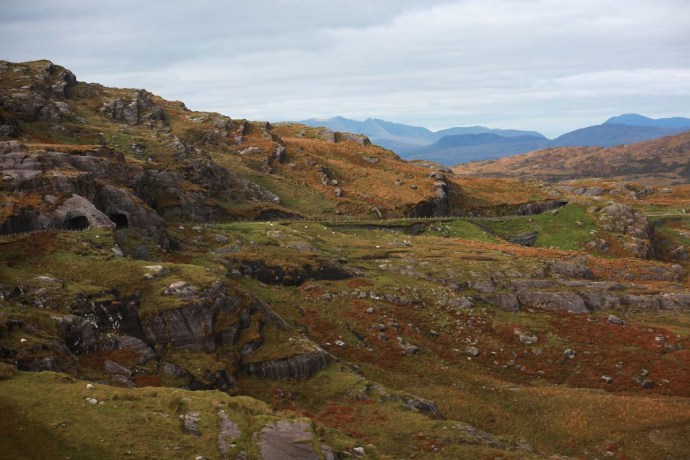
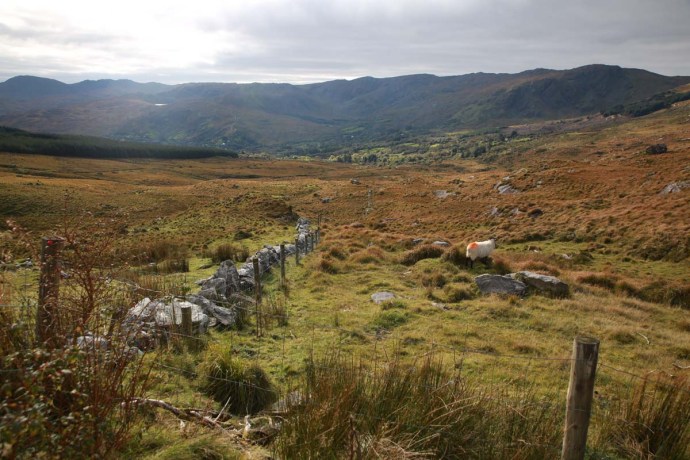
ig3c4805aig3c4741ig3c4801ig3c4826aig3c4731

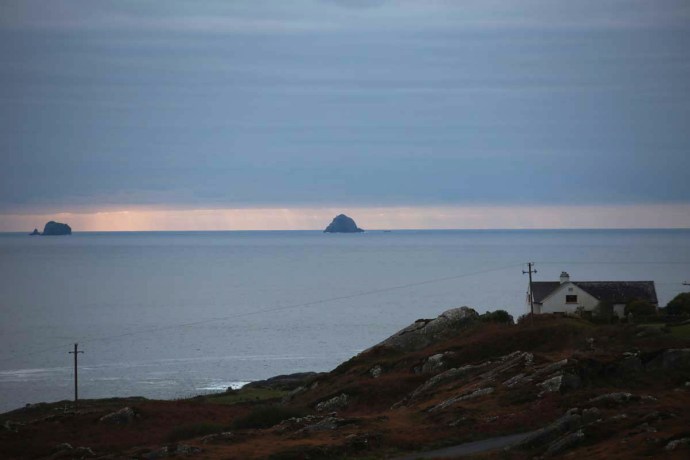
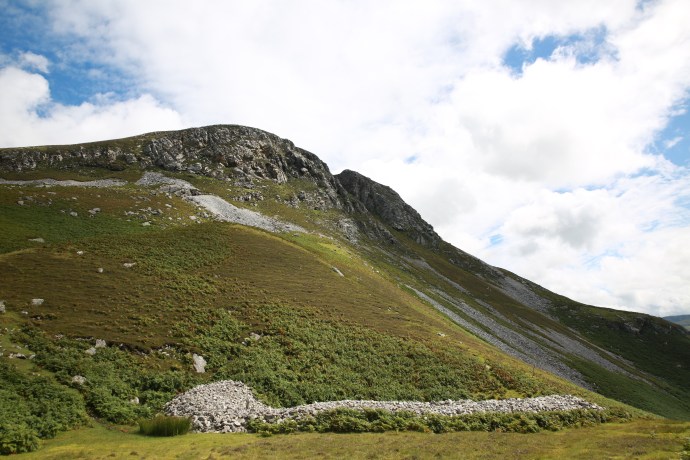
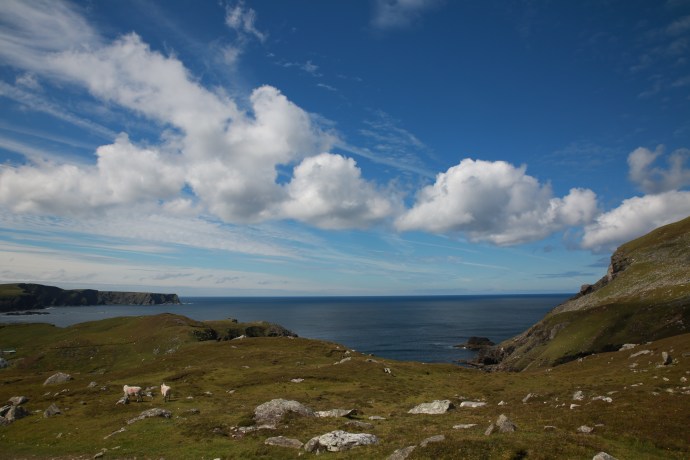
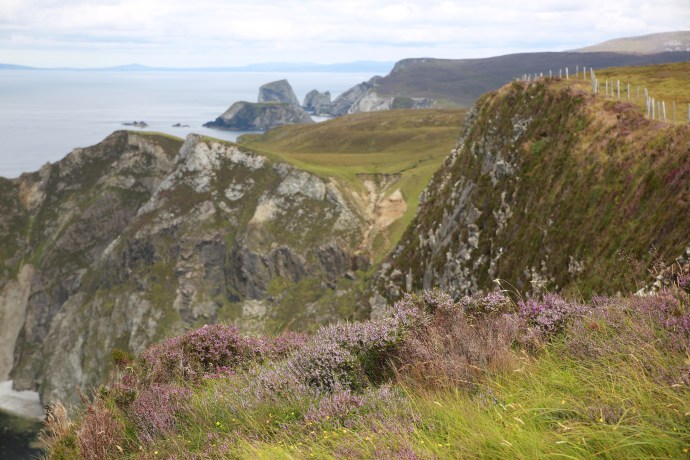
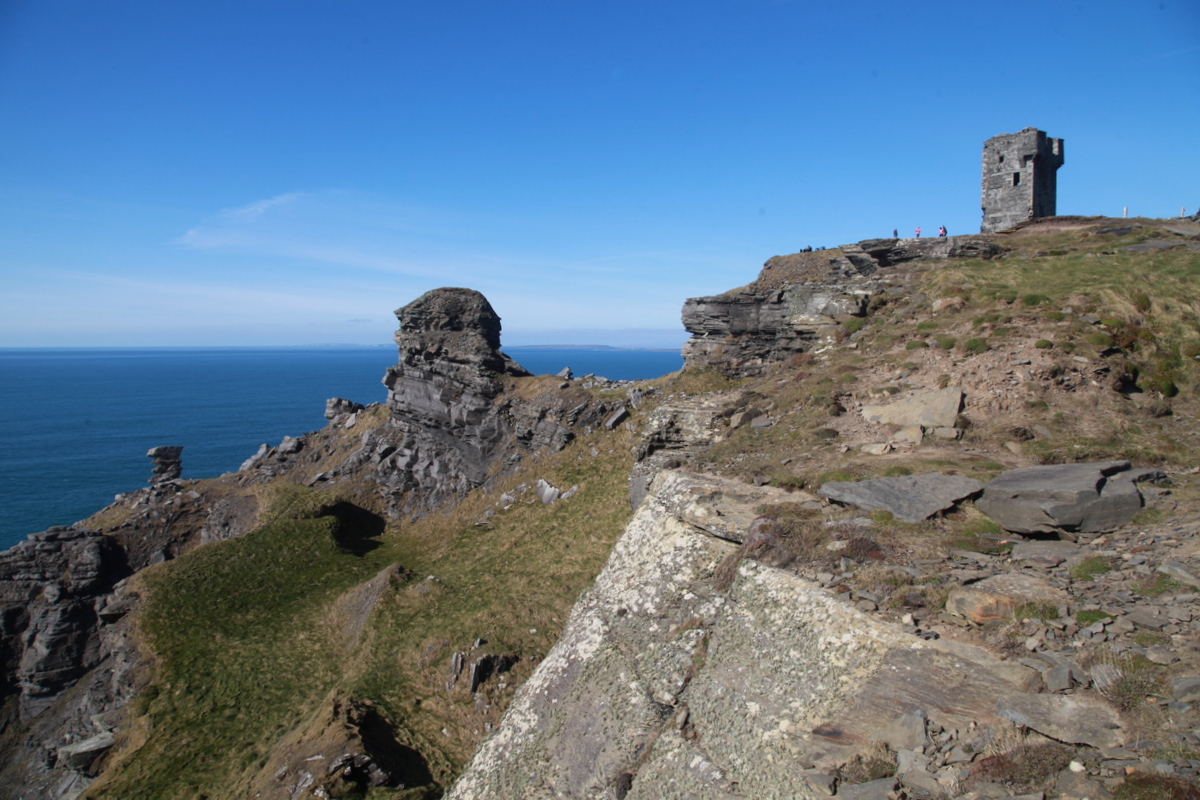
Elsewhere you will see wild, coastal panoramas, verdant forests, jagged islands or houses perched on grassy knolls with staggering views or nestled into rugged rocky cliffs.

panorama-beara-4ig3c3780ig3c3820

ig3c3635a

ig3c3716ig3c3493

ig3c3916aig3c3841a

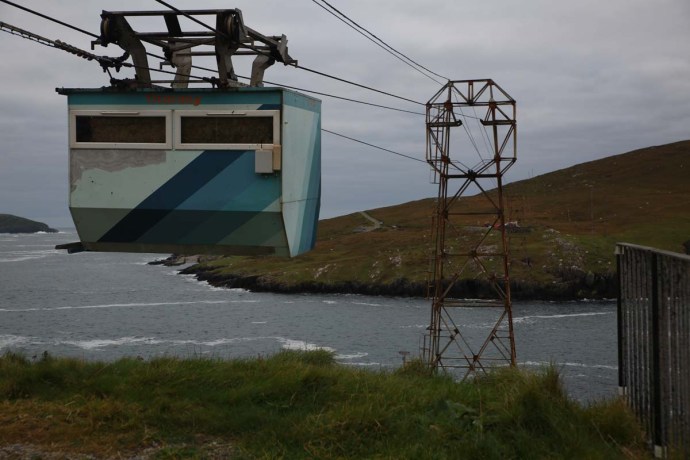
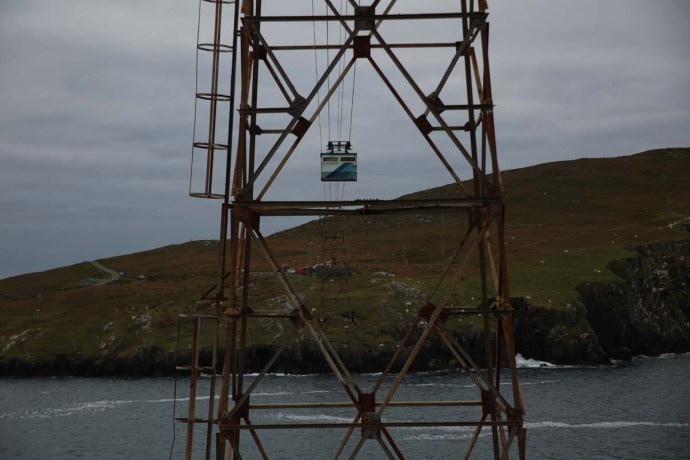
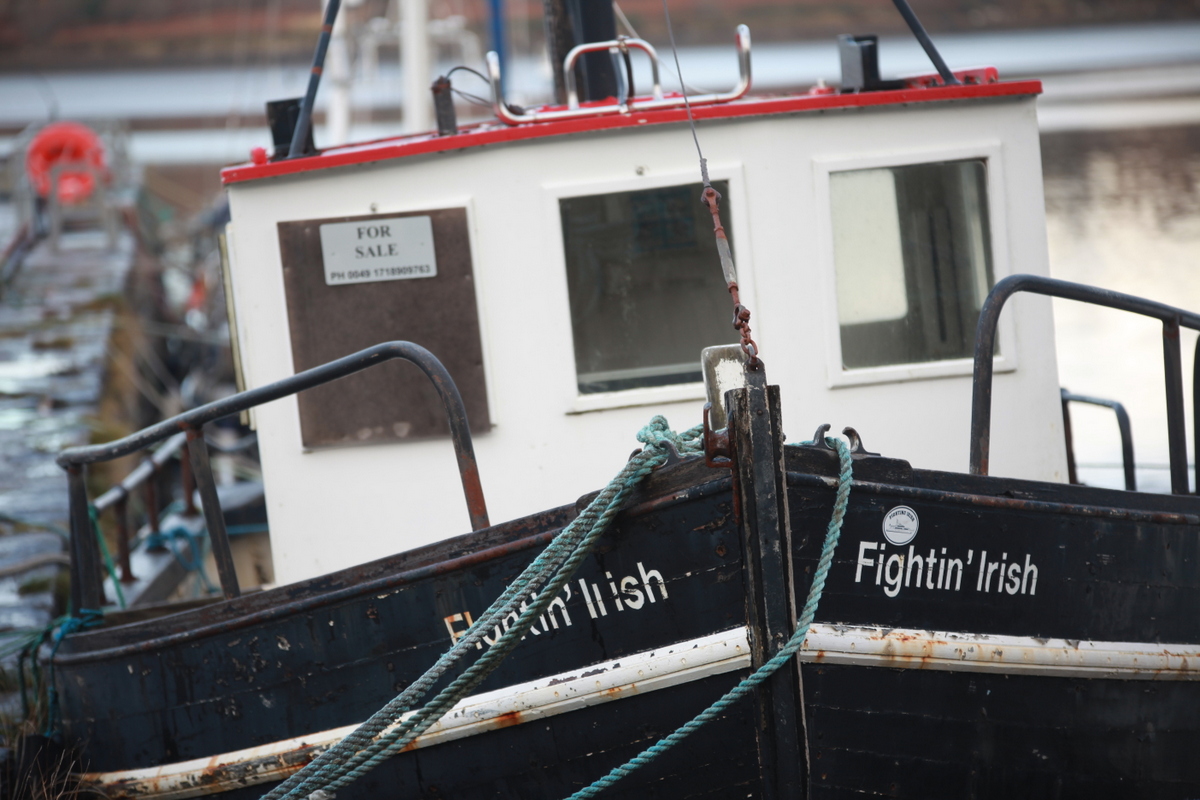
The drive to the end of the Peninsula and Dursey Island is not to be missed. But be prepared for perhaps a little disappointment. Ireland’s only cable car which links the island to the mainland and at this time of the year only runs between 9.30am and 11am was ‘fully booked’ and not operating for transport of people. It was being used for the day by the local farmers to transport hay across the narrow channel. Where else would tourists be turned away, some mind you who had travelled especially, in favour of bales of hay? Only in Ireland. But somehow it didn’t matter, there was so much else to do and it will be there (possibly) next time. You’ve got to admire the ingenuity of the farmers here. I saw an old ‘retired’ cable car in a yard being used as a chook house. Love it.  And love the little insect houses thoughtfully provided by one farmer.

ig3c4000ig3c4016ig3c4034

Then there is the colourful palette of the charming village of Allihies, which single-handed may be responsible for keeping alive the paint pigment industry in Ireland. Purples, pinks, indigo and every other colour merged harmoniously into the greys, greens and reds of its rocky backdrop.
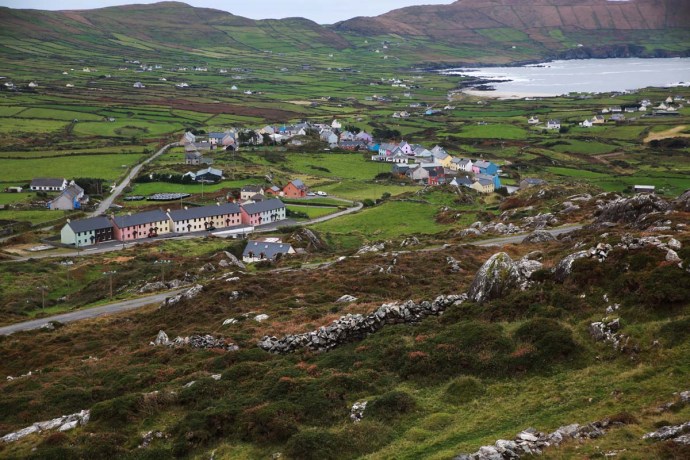
ig3c4383a

ig3c4264a

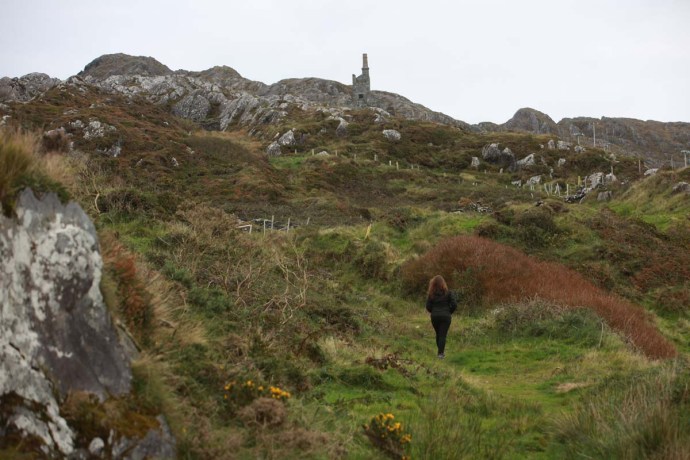
And towering over the town is the architectural masterpiece of the Engine House of the Mountain Copper Mine built around 1810. Maybe you think masterpiece too strong a word  but it is at least the equal from a heritage perspective of the megalithic ruins or the monastic abbeys that populate the tourist guide books.   This is the finest example of an historical mine building I have seen in this remarkable condition. It speaks of the confidence and wealth that the mine brought to this remote outpost as it became one of the jewels of European copper mining during its heyday from 1810 to its closure in the 1920s. There are plenty of reminders of the mining period; old shafts and adits, mine workings, two other engine house ruins, stone walls and in places the tell-tale green and blue staining of copper carbonates.

ig3c4369a

Mountain Mine engine house

ig3c4362ig3c4290ig3c4275

ig3c4321

Chasing the copper


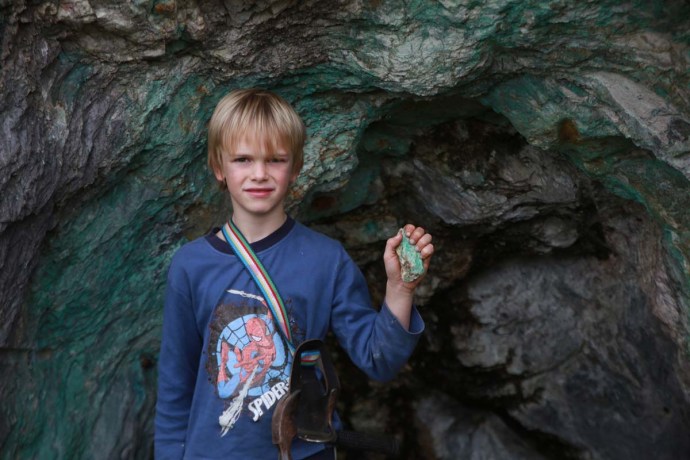
There is a museum which gives a very good account of the mining story but unfortunately it is a bit expensive which turns some away. All aspects of the story are covered including the geology, mining technology and social impact.   As a geologist it was of course fascinating. And even more so for me having met the next generation of miner there, young J and his mum Frances, locals who had come to see if they could find any copper. As it happened I had seen some workings with strong copper on the way up the hill, so I offered to show them and took them there. J’s wide eyed fascination and enthusiasm was enough reward.  Maybe I have helped kick start another geologist’s career.

ig3c4394ig3c4389

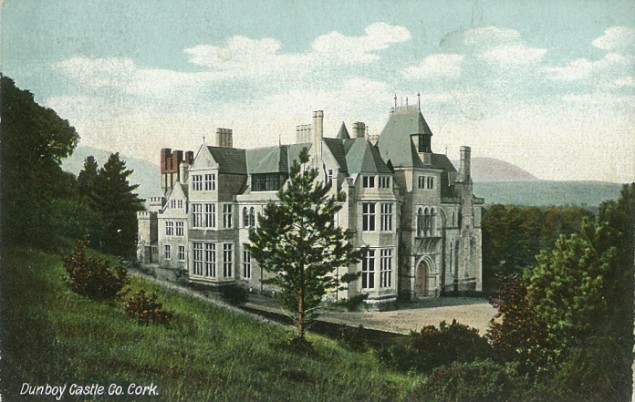
Still on copper, I stopped at Puxley Manor near Castletownbere. Actually the site of the mansion is right near the ruins of Dunboy Castle but more on that later. It would seem that the location is well cursed having witnessed a number of tragedies over the past 4oo+ years.
24_ctb_ah-635x402

Puxley Manor around 1910

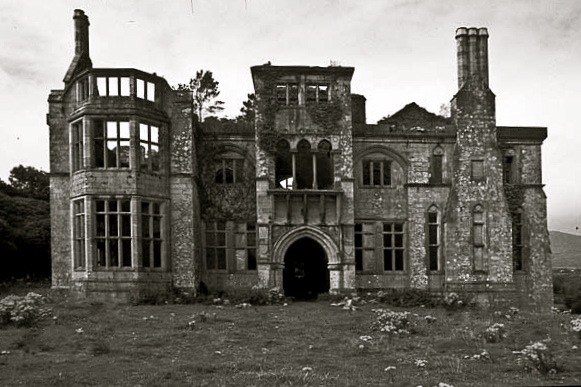
When I first saw the Puxley mansion it was 20 years ago it was a shell of a ruin. It had been the home of the Puxley family since the 1700s. They pretty much owned the copper mining industry here and ended up fabulously wealthy.  As the industry declined so did the Puxley wealth and when his wife died in childbirth Henry Puxley, the last owner, abandoned the castle. Worried that the British Army would take over the abandoned house, the IRA torched it in 1921, destroying it and its contents. The shell was sold at auction in 1927 but remained a forlorn ruin as this photo shows.
b-and-white-puxley

Puxley Manor in the 1990s

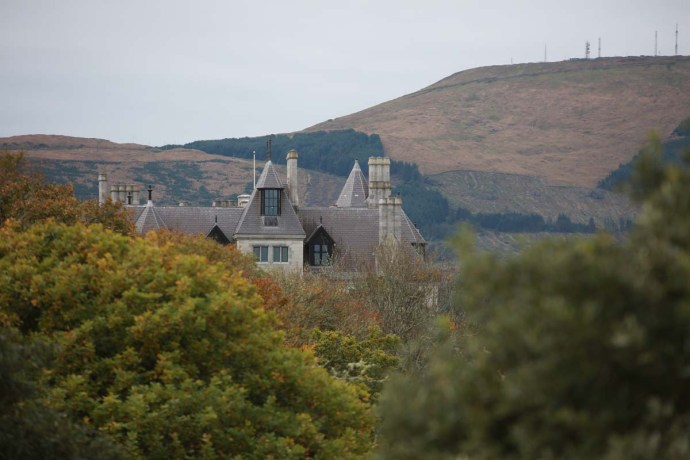
This is what it looked like when I saw it in 1996. It was sold to a developer in 1999 and the Celtic Tiger roared. It was to be transformed into a luxury 6-star resort hotel, the only one in Ireland. Massive restoration and conservation work was carried out and all progressed swimmingly with a soft opening in 2007. That was until the money dried up in 2008 with the GFC. By 2010 the project was abandoned and a mesh fence erected. The bats returned but not the visitors.  This is how it appears today. The rotting hull of a large boat sits in the harbour as if to reinforce the tragedy.  Such a grand vision. The restoration did not however extend to the gate house which stands impressively ruinous.
ig3c4651

Puxley Manor.  restored but empty

ig3c4532a

Puxley Manor

ig3c4496

Gatehouse.  Puxley Manor


I said earlier that Dunboy Castle remains were nearby. This was the ancestral home of Donal Cam O’Sullivan, last of the Gaelic chieftains and a thorn in the side of Elizabeth I during the nine years war which started in 1594.  In 1602 she sent a large battalion of troops to destroy O’Sullivan and the 143 men, who tried to defend the castle, could not withstand the British canon. Surrender was not an option after an emissary sent to discuss terms was hung in full view of the defenders. This ultimate fate awaited all those remaining once the British destroyed it and the castle was never lived in again.

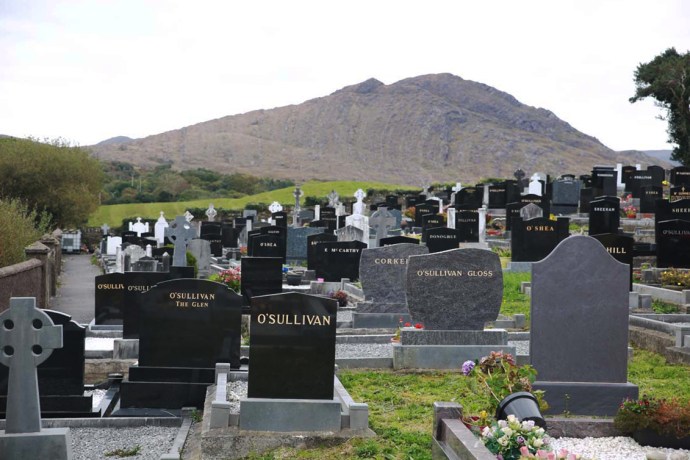
The name O’Sullivan however is everywhere on the peninsula.  You can’t avoid it.
ig3c3538

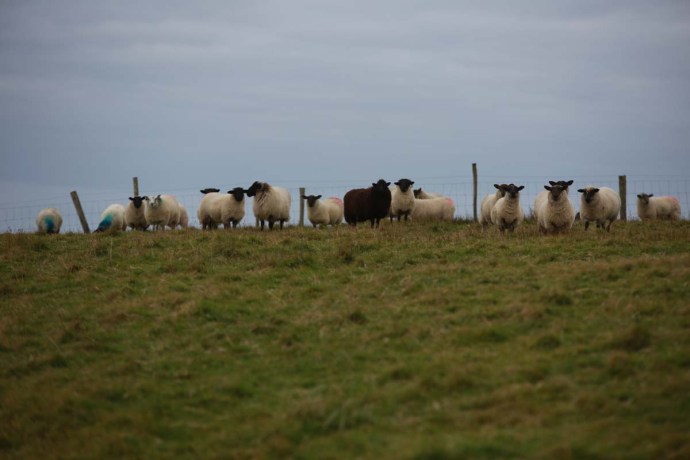
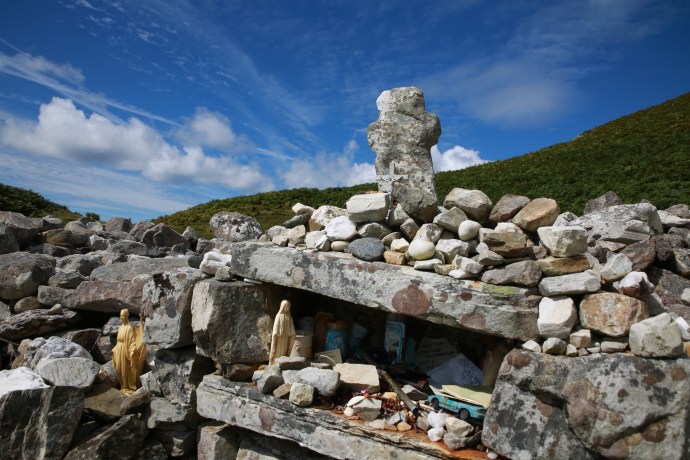
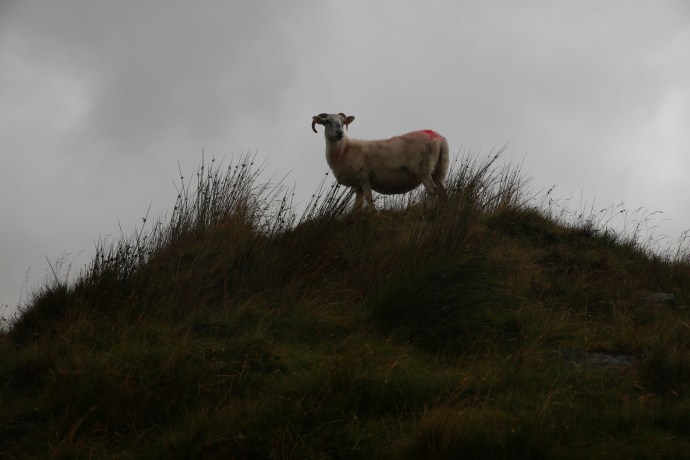
This little enclave of Cork is truly a gem and you could spend a week here or even a lifetime. There are plenty of stone circles, forts, monuments, holy places (such as the Mass Rock) and extraordinary natural wonders to explore and discover.  Oh, and sheep.  And there’s Dursey Island, if the cable car is running.  And if you’re up for it you can walk it all on the Beara Way.

panorama-beara-6

Ring fort

ig3c3756

Mass rock

ig3c4147

The black sheep in the flock

ig3c3540

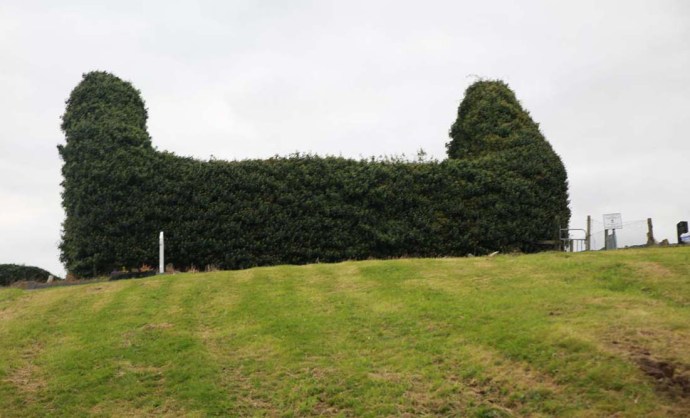
There once was a church

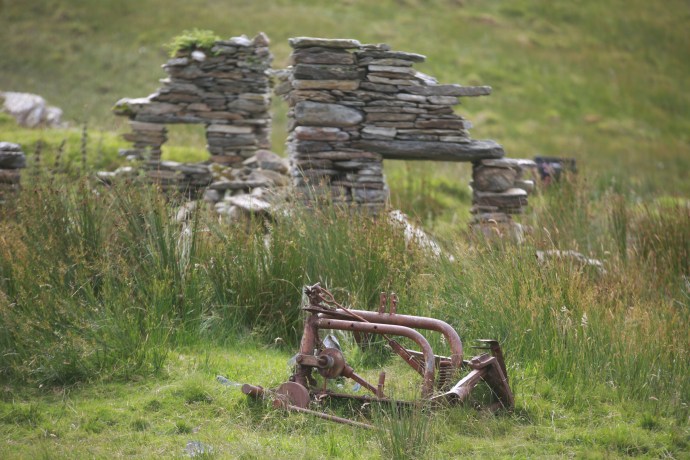
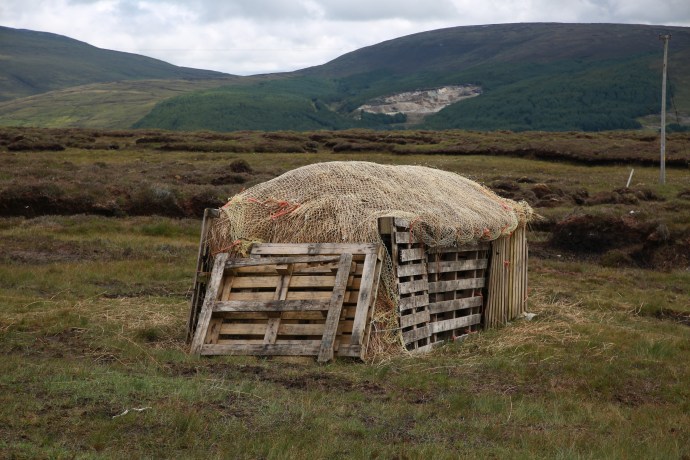
The beauty though is not just in the grand vistas but in a host of other details for me that capture the personality of a place.  Here are a few photos that speak loudly about the struggle for life for both nature and man.
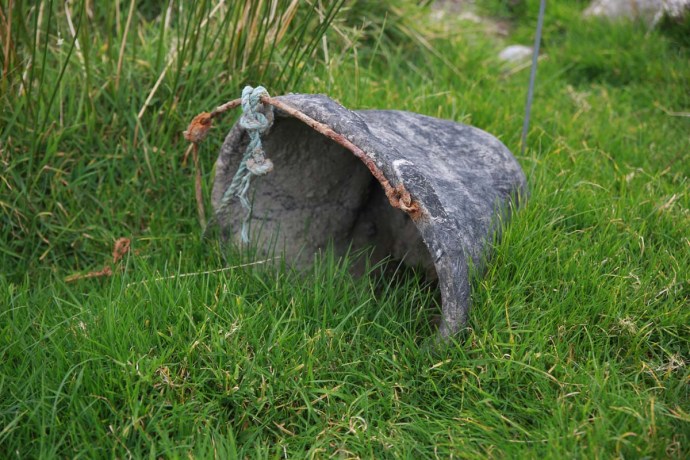
ig3c4151

Abandoned bucket near a well.

ig3c3769

Perfect bonsai tree growing wild.


ig3c4080

Window treatment

ig3c4404

Ingenuity

ig3c3556

Maintenance can be a problem

ig3c3519a

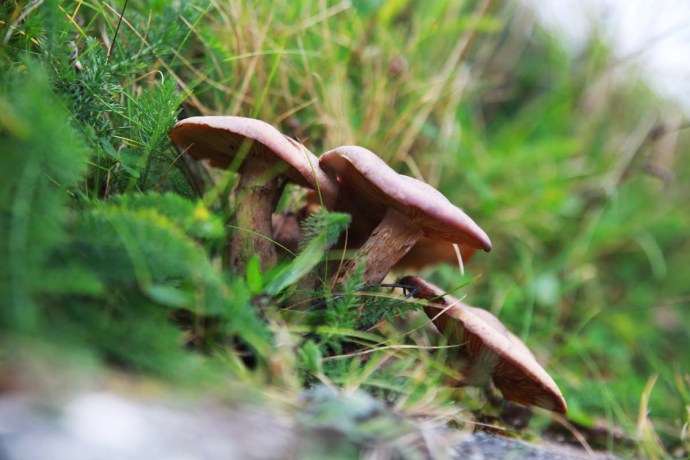
Fantastically fertile for funghi


ig3c3434

Life hangs on


ig3c4692

True love

ig3c4547a

Faded hope

ig3c4505

Was this to avoid the window tax?

So that’s it.    I’ll be back and very soon.
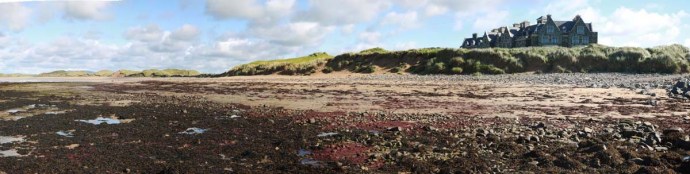
Categories: My Journey, Real Ireland, Wild Ireland | Tags: , , , , , , , , , , , , , , , , , , , , , | 9 Comments

Doughmore Beach, Co Clare. Walls, Donald Trump, drowned forests and a Man o’ War.

paanorama-doonbeg-1

It was Saturday and I was going to stay home and practice fiddle but  when I looked out the window I saw blue sky. And you have to take advantage of every such day with the Winter SADS not far away.  With Donald Trump on my mind after reading some anlysis of the debate (why do I do this to myself?) I thought I would go and have another look at where he wants to build his new Irish wall.

Doughmore is the location of Donald Trumps Doonbeg Golf resort, It is about ten minutes drive south of my little cottage near Quilty. So you see it’s pretty much my backyard.  You follow the signs with the blue squiggly line because the Wild Atlantic Way actually diverts to the beach.

Trump bought the impressive resort and golf course at a knockdown price of $12 million when the then owners were in difficulty.  An astute purchase?  Of course.

panorama-doonbeg-5

Doonbeg Resort.  Golf course tucked behind the dunes


ig3c0118

Doonbeg resort complex


For those who are not aware, he now wants to tip 200,000 tonnes of rock along nearly 3 km of the beach (that’s a public beach mind you) to build a massive wall up to 4.5m high to stop erosion of the dunes to protect his golf links.   A little bit of science.  Erosion of dunes during a storm surge is a natural event. The event that scared Mr Trump happened in February 2014 and the dunes were cut back around 10m. This was a once in a lifetime happening that caused millions of euros of damage all along the Clare, Kerry and Cork coasts. But hey, erosion of dunes is essential for the replenishment of the sand to the beach. It is temporary as the sand returns to the dunes through wind. That’s how the dunes got there in the first place.  The Dutch understand this and monitor the normal movement of dunes as a natural barrier to inundation of the lowlands. A rock wall will destroy this continuum. Trump proposes to spend millions to save a couple of greens. Well stiff I say. Spend the euros on new greens and fairways. Leave the beach alone.

ig3c0200

Doughmore Beach.  Eroded sand dunes.  Note rapid partial regeneration.

ig3c0321

Doughmore Beach.  200,000 tonnes of rock planned to be tipped against these dunes.


So my visit this day is to see what’s at stake. And see it before it disappeared under a pile of rock.

Oh, and did I say that these dunes are classified as a Special Area of Conservation by the EU.

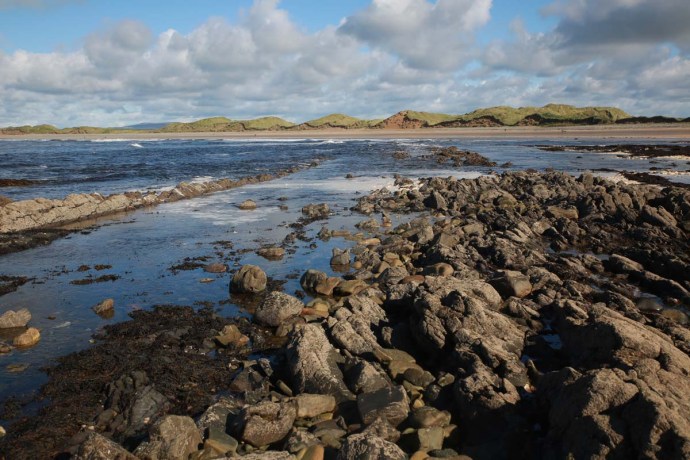
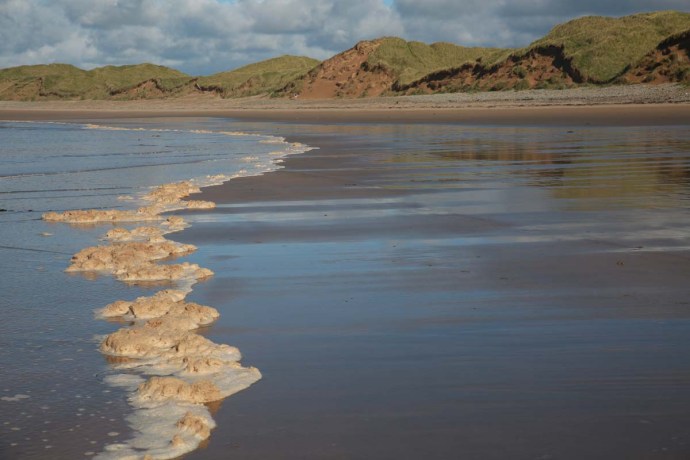
I was struck immediately by the relatively unspoilt nature of the beach. At the southern end where the resort complex is located is a rock platform, unusual because the shales are steeply dipping unlike most of the Clare coast where the strata is flat lying.  From here a beautiful sandy beach stretches around the bay for about 3 km. In the bright sunshine it is stunning.  The resort stands proud of course but the golf links is tucked away out of sight.  The impression is of pristine wilderness.   I found plenty of reasons to leave the beach as it is.

ig3c0163

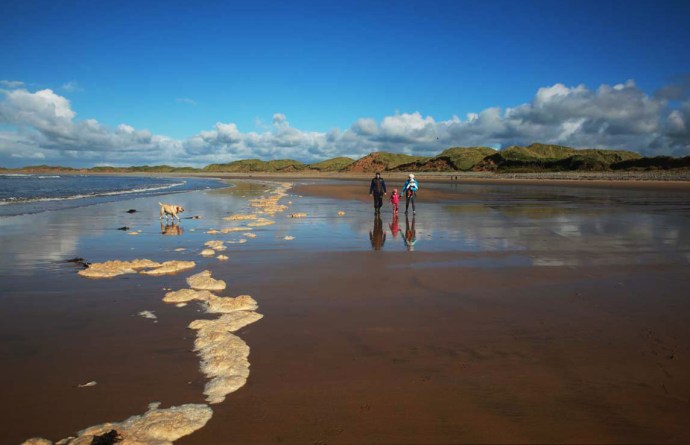
Doughmore Beach.  Wide sandy beach at low tide.


ig3c0015

Doughmore Beach.  View towards the north.


ig3c0185

Doughmore Beach.  Another view.


It is very wide and predominantly sandy with only a narrow zone of boulders at the base of the dunes as distinct from many beaches in the part of the world which are boulder rich. This day there were many using the beach but paradoxically it seemed empty.  Most were just Irish families not people from the resort. I  spoke to quite a few. There was a family walking their Labrador, which, by the way, was having the time of his life. Another family, home from Australia, building a sand castle, people walking, jogging and just sitting and staring towards the Cliffs of Moher, visible as clear as a bell in the distance.

ig3c0169

Doughmore Beach.  Enjoy.


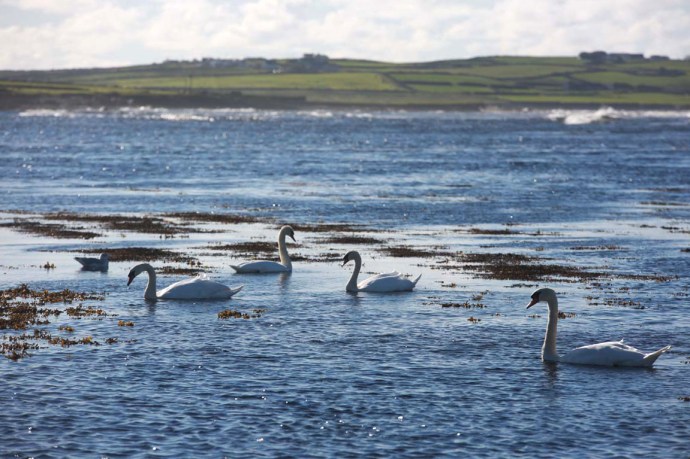
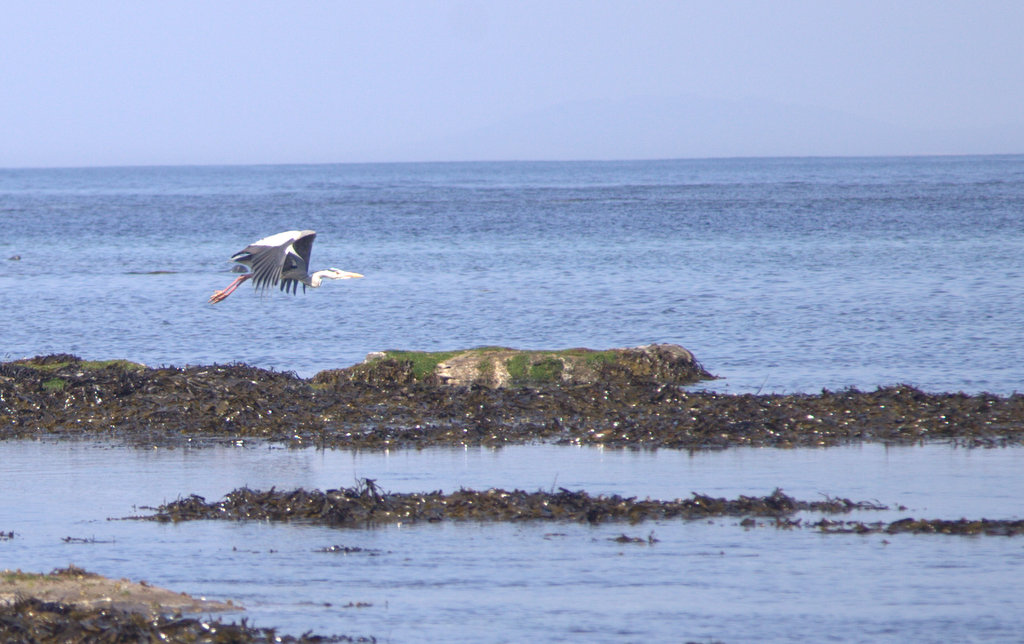
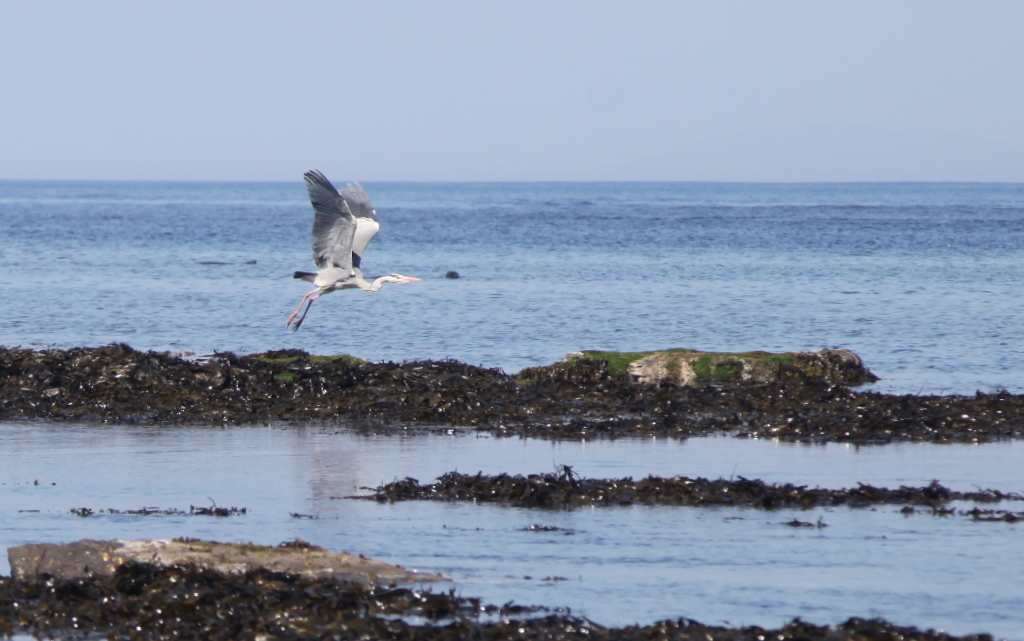
There was plenty of bird life. I saw a pair of Oyster Catchers going about their business along the shoreline, there was a Grey Heron and a flock of Mute Swans, really a surprise to see them on the ocean. Could have watched them for hours. A bit of Tchaikovsky would have been perfect.  Perfect synchronicity from one pair as they performed a pas de duex for me.


ig3c0273a

Doughmore Beach.  A pair of Oyster Catchers.  Looking towards Liscannor and the Cliffs of Moher.


ig3c0715

Doughmore Beach.  A Grey Heron with the Cliffs in the distance.


ig3c0663

Doughmore Beach.  Part of a flock of Mute Swans.


Some kind folk pointed out to me a Portuguese Man o’ War washed up on the beach. Alive mind you.  A very rare occurrence as they are usually found in warm water in open ocean. A few have been spotted recently along the west coast of Ireland. So there is a bit of an alert out for them. They are related to the famous Australian blue bottle which though not as deadly as the Man o War, stings upwards of 10,000 people on Australian beaches every year. They are a beautiful and fascinating creature. Not actually a jellyfish, they are a colony made up of a number of different specialised individual animals (called zooids or polyps). They are attached to each other and to a bladder which is inflatable. The bladder, which is filled with gas, has intricate patterns etched in pink and the polyps and tentacle are shades of purple and cobalt blue. They have extremely long and venomous tentacles which is for gathering food and defending itself. They are at the mercy of the ocean currents and travel in schools of over 1,000. So keep a lookout. And don’t touch.

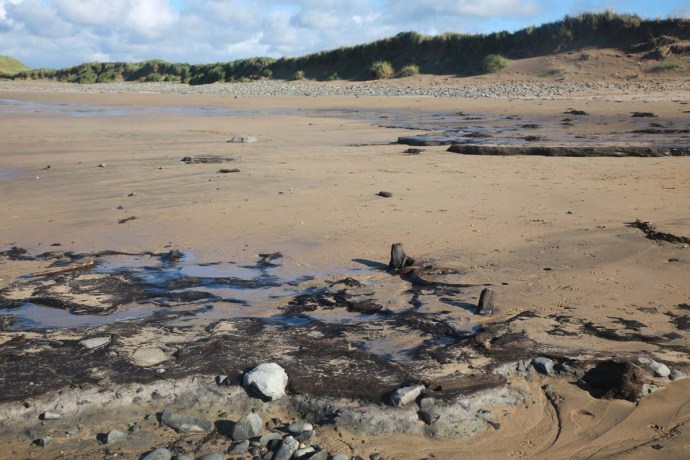
I noticed a small patch of peat exposed on the beach. This part of the beach is littered with old timber and tree stumps and roots. Part of an ancient drowned forest such as was revealed near Spiddal after the February 2014 storms. I’ve seen this before also at Caherush, though that one is now covered over again. Here there is very little of the peat exposed and it is is very narrow (less than a foot thick) and is clearly eroding fast.  It sits on a bed of quite soft mudstone which was the original forest soil layer. The stumps with roots attached many in situ and upright with the roots extending into the substrata. Chances are this represents an old forest from around 4-5,000 years ago, most likely inhabited. Most of the stumps appear to have met with a natural end, but I did notice one which had a definite saw cut – evidence of timber harvesting? This is amazing; they had saws back then? I can think of no other explanation.  This is a remarkable and unheralded window into the past.  Unfortunately it won’t be around long I’m guessing.  Not Trump’s fault this one, just the forces of nature.

ig3c0502

Doughmore Beach.  Part of submerged forest and remains of peat layer.  Grey rock underneath the peat is original soil layer of the forest.


ig3c0532a

Large stump, showing roots.


ig3c0504

Doughmore Beach.  Ancient tree stump and roots.  Peat all washed away.


I have to go back to that accursed wall. This is not his first attempt. Trump began to dump boulders along the beach soon after purchasing it, without any permits, before Clare County Council intervened and forced him to stop the work. Then he came up with a relatively benign solution which had the support of environmental groups. No this was too namby-pamby. He changed his mind, sacked the very experienced consultant and hired another who would support his now much more drastic proposal. It is currently before Council. Trump firstly applied to bypass the council and declare it a project of national importance (the nerve!). This failed and Clare Council to its credit has initially rejected the application and is seeking more information on 51 questions. This will take many months. Trump’s bullying tactics have so far not helped. We will watch with interest.

I urge everyone who reads this to go visit Doughmore and see for themselves. If you live overseas and intend to visit Ireland, it is a short drive from the Cliffs of Moher and is on the way to the Kilkee cliffs and Loop Head anyway (which should be on your list of must-see places). Hopefully it will all still be there when you come.

ig3c0060

Intricate flow patterns of sea grass on an exposed rock platform


Categories: My Journey, Real Ireland, Wild Ireland | Tags: , , , , , , , , , , , , , , , , , , , , | 3 Comments

Glencolmcille, Donegal. Fiddles in the Glen. And Much Much More.

First I should apologise to my blog followers. I have been travelling and attending many festivals over the last two months so I have neglected you.  It has been an amazing Summer with visits to Festivals in Dungarvan, Doolin, Spiddal, Miltown Malbay, Tubbercurry, Drumshanbo, Achill Island, Glencolmcille and Feakle.  I have many stories and photos and I will try and bring my readers up to date over the next little while.

IG3C6934

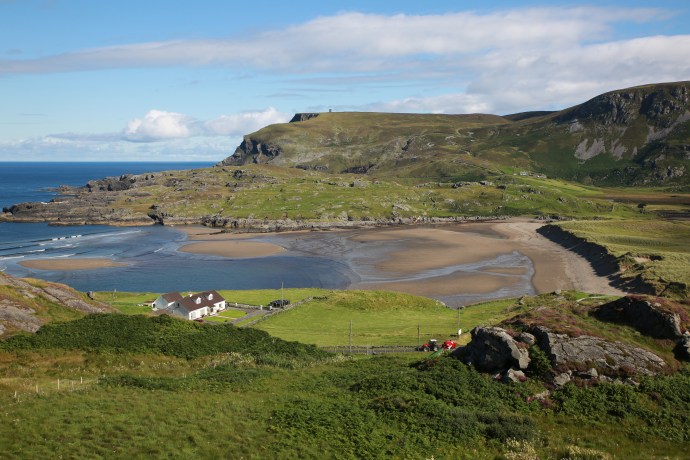
In the first week of August I went to Glencolmcille in the south west of Donegal. There is a Fiddle Festival there which I had yet to attend, but not only that it is a place of remarkable beauty.

I had been there before but it was the depths of winter and it was so cold with biting wind and lashing rain and I had a cold and the memory is generally not a pleasant one. I should add also that it was the first place in Ireland that I missed playing music. January 2nd 2015. After almost eight months.

I had driven up from Achill and the most glorious weather welcomed us on the Monday. I had a carload from Italy, France and Spain that were also visiting the Festival. The first thing that struck me about this place was the awesome grandeur and beauty. It was just too beautiful. I didn’t know where to start exploring it. It’s rather like turning up to a session with a dozen great fiddlers and you leave your fiddle in the case, because you don’t know where to start. It’s just too intimidating and daunting.

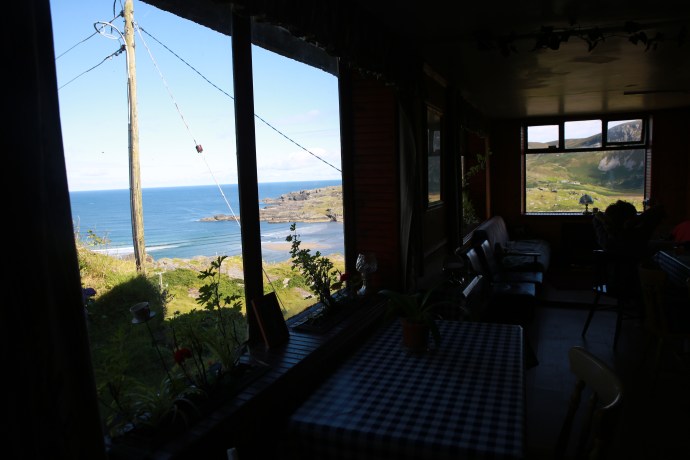
I was originally booked into a Bed and Breakfast but a friend convinced me to give the Dooey Hostel a go. I have shied away from hostels because I never sleep, with snorers and tossers-and-turners and people coming in late and getting up early, but I went along with it. It is truly a unique place. It is built into the hill with the natural rock being one wall and the other side giving magnificent views over the strand and the bay one way and the glacially scoured valley the other way. There is a crazy paved floor as you would have out on the patio and ivy and all sorts of plants growing up the walls. The walls are damp with the natural seepage and there is piping to take away the water when it rains, which gives the sound of an ever present waterfall. It is on many levels with four dormitories each with their own shower toilet and kitchen, another generous kitchen, some private rooms and a gorgeous common room that overlooks the bay. There is plenty of eccentric and eclectic memorabilia and trinkets everywhere. 


IG3C6948

Dooey Hostel, Glencolmcille

IG3C6943


IG3C6962

The view from the Common Room of Dooey Hostel


Miraculously I didn’t have a snorer in my dorm so I slept brilliantly.

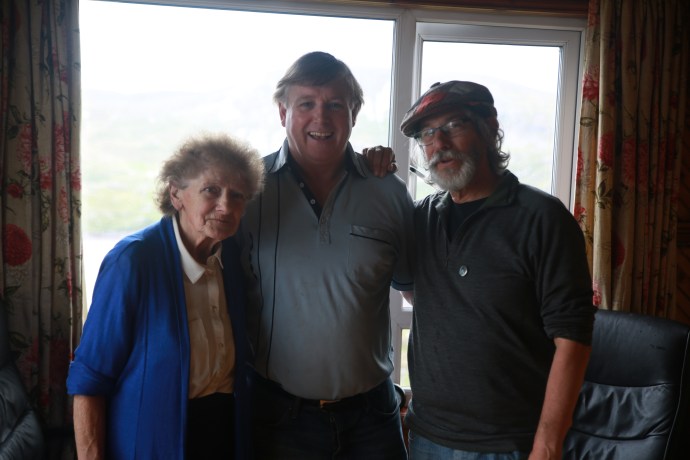
The hostess is Mary, quite an institution in this part of the world. And mad as a March hare. You can’t really describe her but she is as wild as the Atlantic and had us in stitches much of the time. “I just compost people who fall out of their bunks”, she says. The residents were an interesting lot too. Many there for the fiddles but many just travellers. By a country mile, the majority were from France. Some spoke exclusively French which was a bit annoying for me but it was a diverse bunch with many interesting stories. I met of course loads of new friends and I could not help but become part of the craic.

IG3C9052IG3C7478IG3C9088IG3C9097

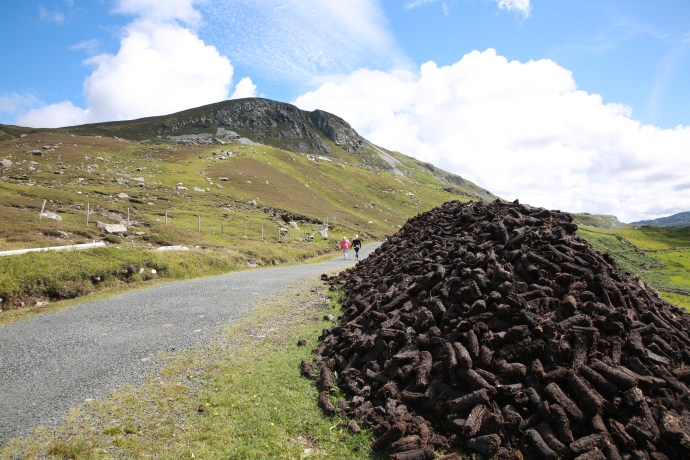
I decided not to do the classes and Monday was so beautiful I had to get out and about. I was told of a lovely beach called Port, so that’s where I headed. Google Maps misled me though (I have to blame someone) and I ended up high on a remote bog.   As I was sinking deeper and deeper into the unsealed road I decided to retreat. A 21- point turn executed with fear of my wheels leaving the road and of getting stuck in the ditch. But there’s always a reason for things happening in Ireland and I spent a lovely hour exploring photographic possibilities in this remote part of Donegal.

IG3C7001IG3C7078IG3C7085

IG3C6995IG3C7022

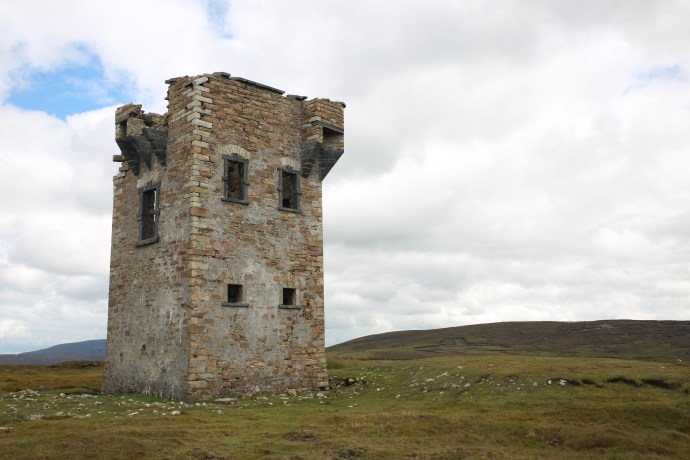
On returning to Glen I found myself following some road signs to the Holy Well of St Columbcille. This was not what I expected as after quite a walk I discovered the well site protected by a massive Donald Trump style wall. Continuing the walk I ended up at the Tower, which was built to keep a lookout for Napoleon and the invading French. One would have to say it was unsuccessful as the French continue to invade! The views from the top are impressive though.

IG3C7235

St Columbcille’s Well

IG3C7216


IG3C7154IG3C7163IG3C7121IG3C7130IG3C7256IG3C7289IG3C7321IG3C7333

IG3C7356

View towards Port Beach

IG3C7402IG3C7414


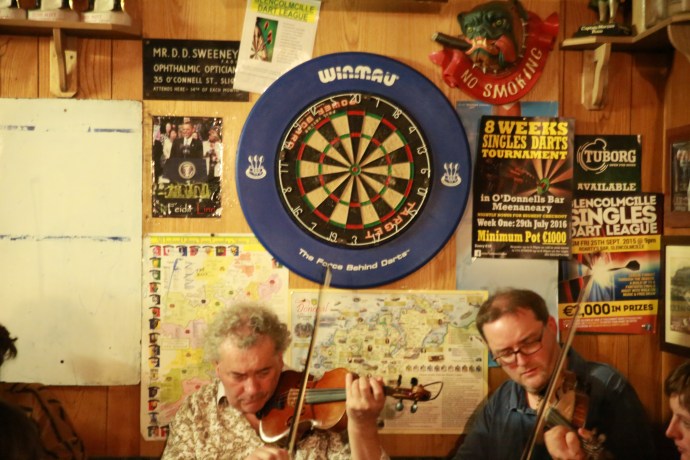
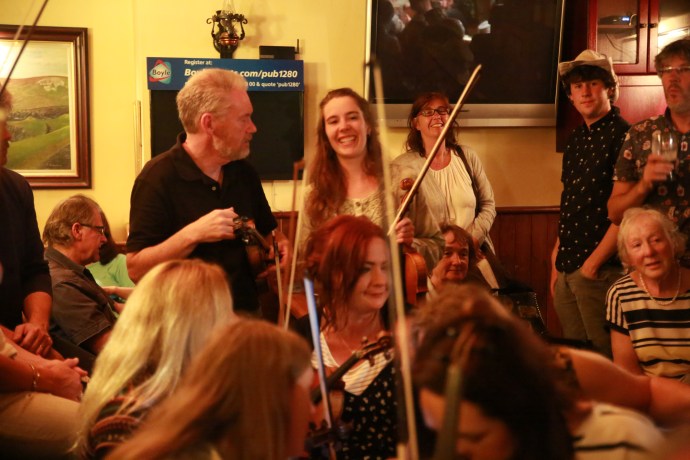
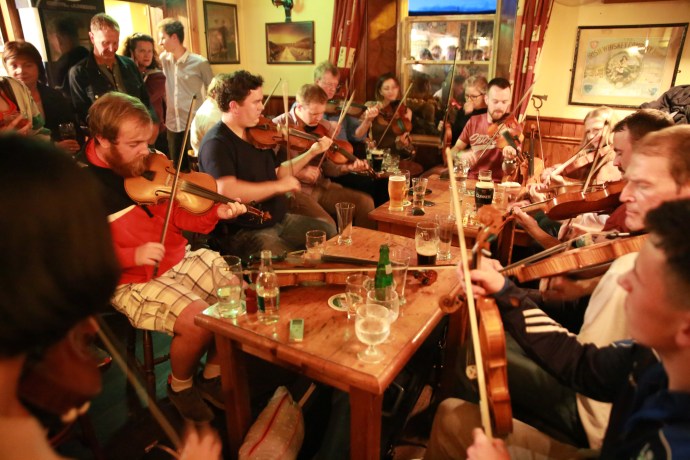
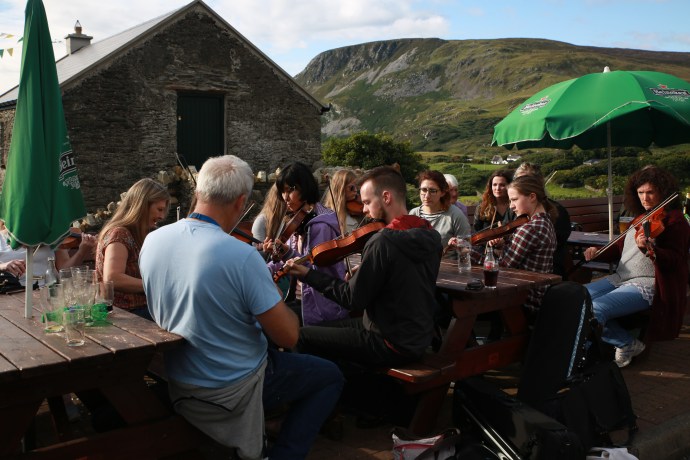
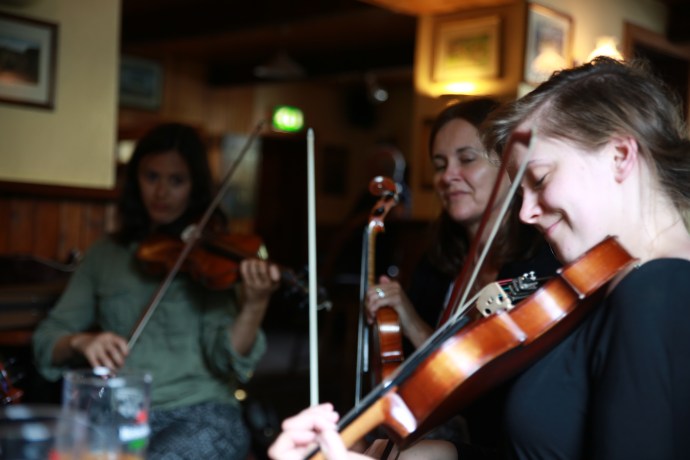
As far as the music goes this festival or school is completely different. First it is fiddle only. Second it is Donegal style and tunes only. It is classes morning and afternoon so if you don’t do the classes the place is pretty deserted except for the tourists. It is pot luck after that. There are only two pubs so it is hard to miss a session. After about 9 pm it kicks off. Roarty’s was the spot and on the Monday night there was a session there with 45 fiddles. For a brief time there was a single guitar. It was a unique sound. Not to everyone’s taste, I know but how often do you get to hear that in Ireland. I recognised about 10% of the tunes, but played along where I could. A who’s-who of Donegal fiddling was there. Mairéad Ní Mhaonaigh, Martin McGinley, Ciarán Ó Maonaigh,  Conor Caldwell, Danny Meehan.  But it was hard to get a seat so I did a lot of listening.  The tunes are infectious and probably easy to learn but the fiddling is not my style with its sawing bowing.  But it was great to be there.  Some of the best sessions though were in the Common Room of the hostel or outside overlooking the bay.

IG3C7558IG3C7527IG3C7522IG3C7518

IG3C7463

Fiddlers in the Glen

IG3C7455IG3C7446


IG3C7606IG3C7625

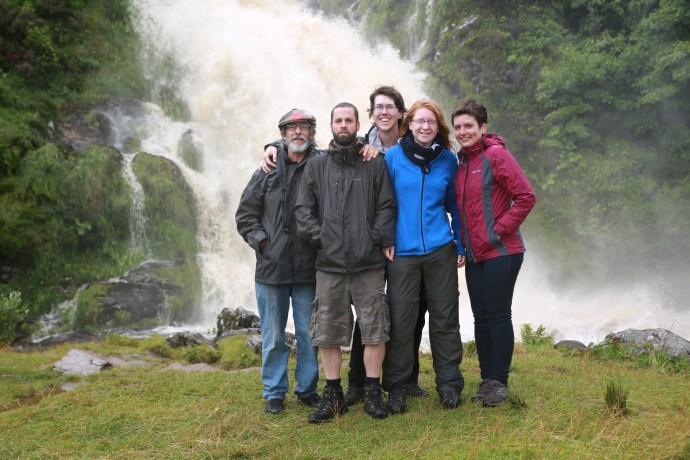
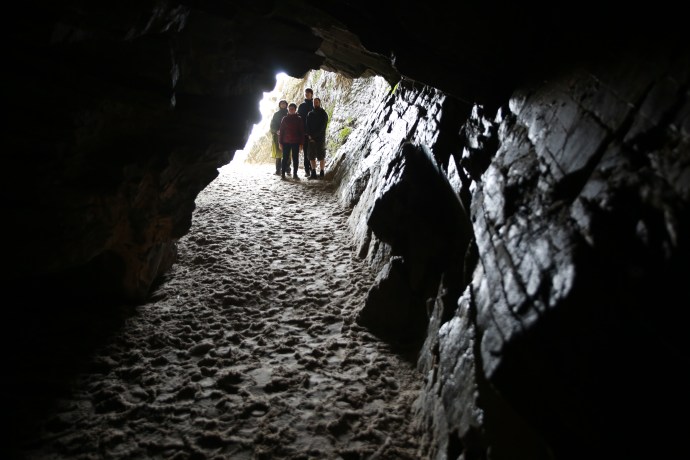
The bad weather closed in (well it is Ireland and it is summer) and Wednesday started out very unpromisingly. But it looked to be brightening up so I decided to go to Maghera Caves of which I had heard a bit about. When I announced my intention at the Hostel I immediately had half a dozen takers to come with me. In the end  I was accompanied by Blandine from France, Alex from Italy (the Great Bastoni! but that’s another story), Tall Paul from Holland and People Katherina from Germany, a 20 year old on her first solo overseas trip who, the day before, had walked 27km with her 20kg pack in the driving rain.

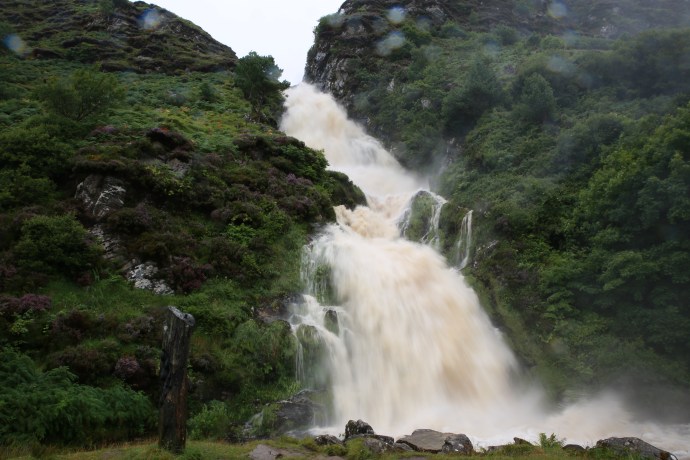
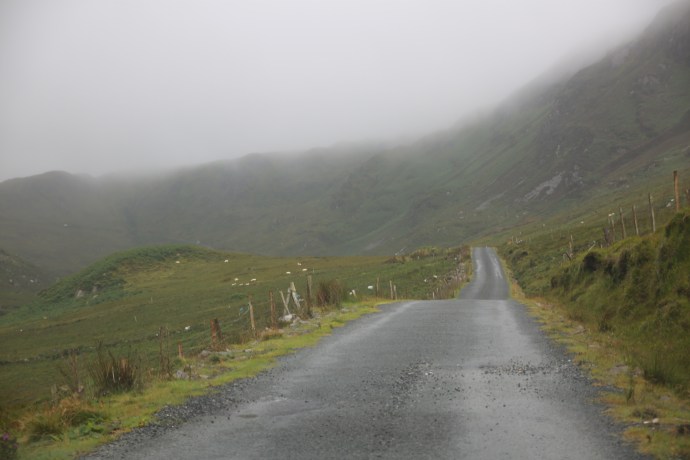
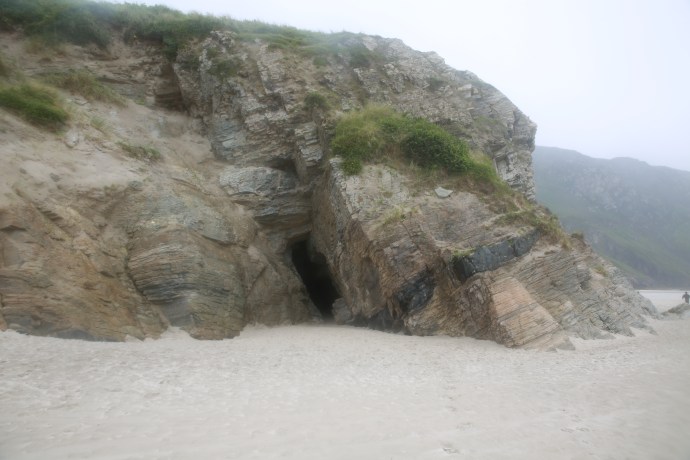
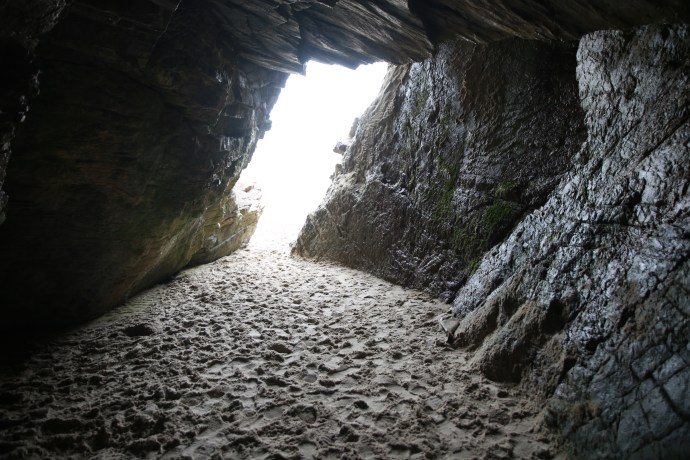
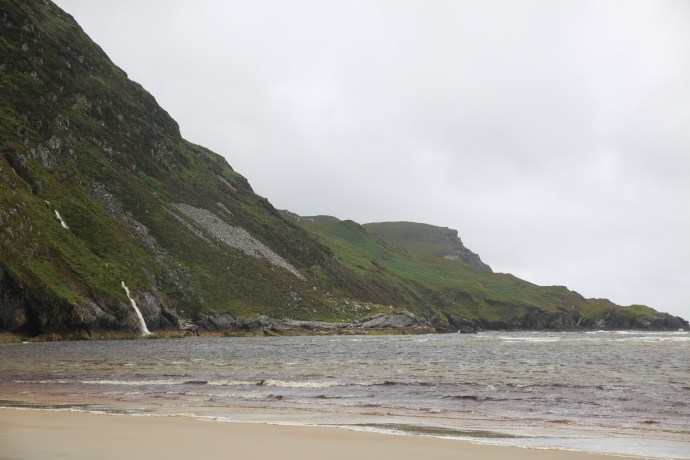
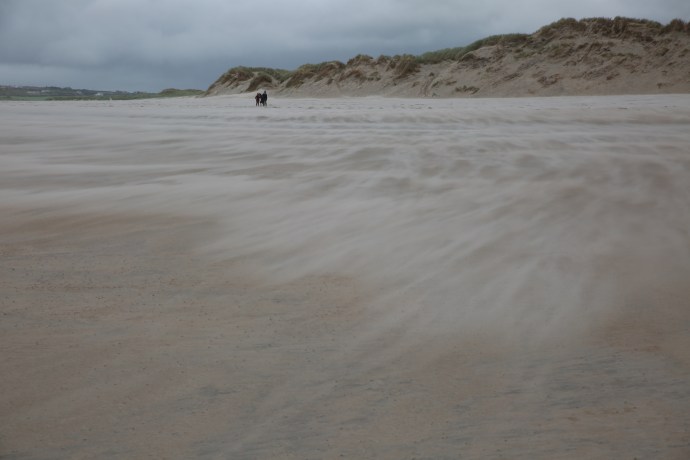
The weather did not ease up. The rain came and went with and without wind and we had in total 15 seconds of sunshine. The caves were not what I expected. They are only accessible at low tide which luckily it was, They seem to be caused by erosion along faults associated with dolerite dykes and sills in very siliceous sediment. They are right on a really wide beach. Stunning. The wind at times whipped the sand along creating and eerie landscape.  And there was a labyrinth, similar to the one on Keel Beach on Achill.  Someone put a lot of work into it but I can only guess how long it will be there before the sea subsumes it.  On the way there was Assaranca Falls: a ferocious waterfall fed by the heavy rain at the time. Unfortunately photographing it was tough in the weather. We went cross country then to the majestic Slieve League cliffs. Conditions were attrocious with the mist descending, sometimes to a complete whiteout. I loved it though; when the clouds parted to reveal the rugged landscape for a few moments and then closed in. Thee was no pattern to it but it provided everchanging vistas and light. Then a visit to the gorgeous beach at Malin Beg which I have to say would rival Keem Strand on Achill for a place nearthe top of the list of best Irish beaches I’ve seen.

IG3C7781IG3C7840IG3C7848

IG3C7868

Assaranca Falls

IG3C7909IG3C7942


IG3C7964

Near Ardara

IG3C7972

The road to Maghera

IG3C8014


IG3C8060IG3C8105

IG3C8130

Cave at Maghera Beach.  One of 27

IG3C8151

Dolerite sill and later crosscutting dyke.

IG3C8189

Sheared dolerite dyke and cave.

IG3C8296

IG3C8326

even the water is green!

IG3C8363

IG3C8398

Maghera Strand.  A wicked wind!

IG3C8413

Maghera Strand.  Another view

IG3C8485

Labyrinth at Maghera Strand 

IG3C8591

Have you seen green like this?


IG3C8654

Heather on the Moor.  Slieve League

IG3C8682

Slieve League

IG3C8731

A few minutes later.  The clouds descend

IG3C8735

Try standing up!

IG3C8784

A soft day at Slieve League


IG3C8804

Malin Beg

IG3C8944

Malin Beg

IG3C8931

IG3C8902

Malin Beg

IG3C8874

Weathering bands in schist.  With sandhopper


I enjoyed this place so much that only playing a few tunes in the evening didn’t seem to matter. We sat up chatting in the Hostel till about 4am and the sweet Katherina, full of self doubt about travelling Ireland on her own yet so confident to walk such huge distances could not contain herself. Every few minutes saying “I am so happy”. In fact she held on from going to the toilet for an hour because she was worried we would go to bed and the night would end.

IG3C8623

Monarch of the Glen

IG3C8643


The Festival overlaps with Feakle Festival which is one of my favourites so on Thursday I headed off back to Clare.

I will definitely return to Donegal. Maybe next time I’ll get to Port Beach without getting lost……..

Categories: Real Ireland, The Fiddle, Trad Irish Music, Uncategorized, Wild Ireland | Tags: , , , , , , , , , , , , , , | 4 Comments

Trip to Ballyferriter. Over the Conor Pass.

I had  been to the Dingle Peninsular three times before and each time the weather was so bad I was warned off crossing Conor Pass.  Not this time.  I am off to a music festival in Ballyferriter and as I crossed the water to Kerry via the ferry from Kilimer there was glorious sunshine.  And then there was rain.  And then sunshine.

I could see the Slieve Mish mountains and they were snow-capped and so enticing I decided to risk the Conor Pass.   I pulled into a garage to fuel up and the guy behind the counter in a rich Kerry brogue says,  “So where are you headed?”  “Dingle”.  “Ahh.  You’ll be going over the mountain then.” I could only agree.

IMG_8555IMG_8561IMG_8607IMG_8628IMG_8635

The Pass is the highest in Ireland.  It is a winding,  often single lane road and  buses are banned.  At one point the road climbs continuously for over five kilometres.

It didn’t take long for the cloud to descend and by the time I reached the Pass it was snowing.  Just light wonderful flakes drifting hither (and thither).  Not enough to settle.  My fingers were numb but I clicked away furiously.  It was around 1oC but I was charmed by the beauty.    The landscape had been scoured by glaciers in the most recent Ice Age and all the features I had learnt about at Rock School were there.  U-shaped valleys, tarns (or as they are known here corrie lochs), a string of them in fact (called a paternoster) and moraines and deposits of glacial till.  One corrie sits well above the valley floor in a perched valley (cirque).  There was a perfect glacial pavement with striations caused by the scraping of rocks carried along the bottom of the glacier.   Check the photos. Aside from being a geological wonderland it was a place of extraordinary beauty.  The one lane road crept up the mountain to the top of the pass where to the north I could see Castlegregory and across to the Blaskets and to the south Dingle stretched before me.

IMG_8668

Conor Pass.  Glacial moraine in the foreground.

IMG_8676IMG_8732

IMG_8775

Glacial pavement with striations, Conor Pass

IMG_8809

Corrie lakes, U shaped valley, cirques.  Conor Pass

IMG_8834

Top of Conor Pass

IMG_8874

How hard is it to build a straight wall?

IMG_8887

View towards Dingle from the top of the Conor Pass


On to Ballyferriter and I was greeted by an intense hailstorm .  Just a couple of minutes but enough to create a temporary whiteout.  Four seasons in one day.  Was I in Melbourne?

I will talk about the music festival that took me to Ballyferriter in my next blog.

Categories: My Journey, Wild Ireland | Tags: , , , , , , , , , | Leave a comment

The Cliff Walk. Cliffs of Moher

On two separate days in March and April 2015 I completed the Moher Cliff Walk. There and back was too much for one day so I did the southern half (Liscannor to the Visitor’s Centre and back) (12km) on 22nd March and the northern half  one way from the Visitor’s Centre to Doolin (8km) on 16th April. On both days we were blessed with glorious sunshine. Considering how many people visit the Cliffs – it was surprisingly quiet and you could go for kilometres without seeing anyone once you were away from the Visitors Centre.

They scare a lot of people away I think with descriptions on their web site such as “a remote, challenging and demanding trail with no barriers, handrails or seaward fencing”; “exposed cliff top path, steep ascents and descents and narrow and/or steep flagstone steps” and “The trail is suitable only for experienced walkers with a reasonable fitness level”

Hell. It really wasn’t that bad as I managed it easily, though I was totally exhausted at the end of both days.

There is not really much to say as it has to be experienced. It is breathtaking. If you can’t get there soon I have taken some photos to whet the appetite.

By the way if you walk it you should hang around until the sun sets. The cliffs change colour from the dull grey/purple of daytime to fiery reds and oranges to match the sky.

IMG_0212 IMG_0273 IMG_0285 IMG_0305 IMG_0323 IMG_0372 IMG_0381 IMG_0493 IMG_0514 IMG_0539-001 IMG_0555 IMG_0566 IMG_0576 IMG_0582 IMG_0599 IMG_0698 IMG_0736 IMG_0756 IMG_0762 IMG_0851-001 IMG_0969-001 IMG_1023 IMG_1026 IMG_1111-001 IMG_1181 IMG_4343 IMG_4345 IMG_4354 IMG_4362 IMG_4390 IMG_4415 IMG_4440 IMG_4455 IMG_4461 IMG_4469 IMG_4473 IMG_4538 IMG_4583 IMG_4595 IMG_4612 IMG_4618 IMG_4625 IMG_4665 IMG_4682 IMG_4685 IMG_4761 IMG_4894 IMG_4927 IMG_4928 IMG_4947 IMG_4957

Categories: My Journey, Wild Ireland | Tags: , , , , , , , , | 1 Comment

Man of Aran

What is it about islands? Why do they have such appeal to us? All around the world they are treasured as special. Sometimes the residents are fiercely protective. In Australia we have many that hold a singular place and I was lucky enough to live on one such of these – Magnetic Island on Australia’s Great Barrier Reef. There are others though; Rottnest Island, where you can’t live but it is still very dear to the heart of Perth people, or Kangaroo Island off South Australia, or the beautiful Lord Howe Island among them. Ireland has a few too, such as Tory, Achill, Skellig and of course the Aran Islands.

Mention the Aran Islands and you immediately have my attention. The place has a mysterious lure. Despite knowing little about it (except that it is where the Clancy Brothers got their jumpers from and one of the most omnipresent tunes in sessions around the world is named after one of the Islands) it was a place I felt I must visit. I have been on two separate occasions. First, on a freezing summer’s day in July 2014, to Inisheer for an overnight stay; and more recently over three glorious sunny, warm days in April 2015. That’s Irish weather for you – freezing in Summer and hot in Spring!

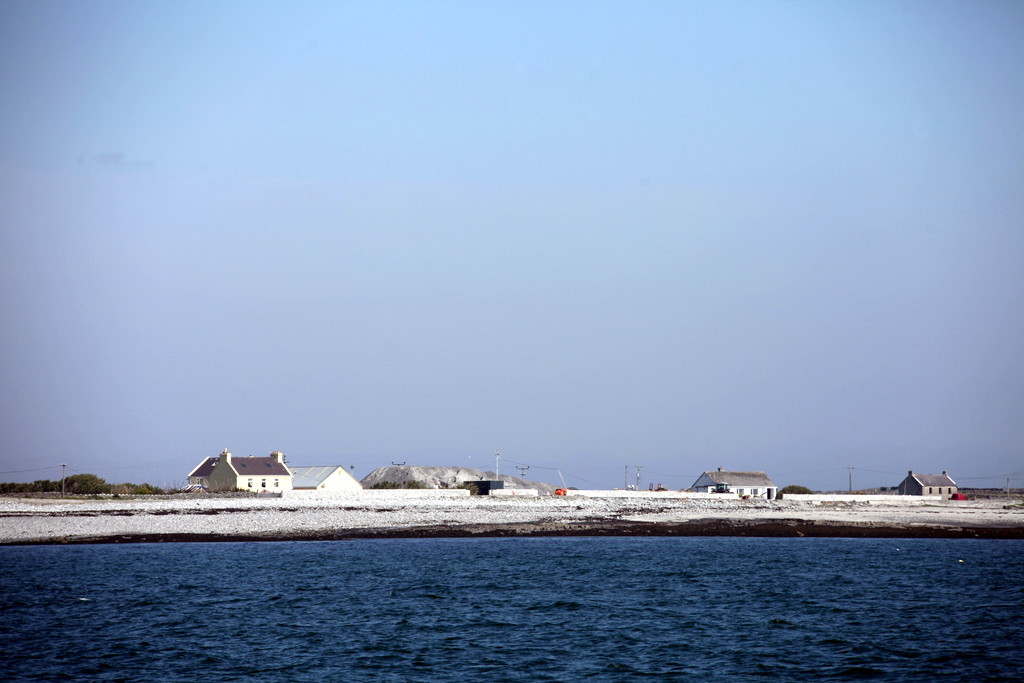
The Islands are accessed either from Galway or Doolin, in my case for both trips I took the boat from Doolin, half an hour from my home in Caherush. My first visit was a spontaneous decision based on the fact there was blue sky in the morning. Of course by the time the boat left the weather had turned and the squally rain and howling wind off the Atlantic made for a very rough half hour crossing which took over an hour as we were buffeted by giant waves. At one point we stopped in the middle of the ocean in a futile attempt to retrieve a feral buoy. This was in contrast to my trip to Inis Mór when the sea was mirror calm with not a ripple. So I saw the islands in its various moods.

Ferry to Inisheer.  Rough seas with Cliffs of Moher in the background Arriving Inis Mor

Inisheer SunriseHarbour at Kilronan.  Inis Mor

Inisheer Inisheer.  Early morning sky

Technically the islands are part of Galway, but geographically, geologically and culturally they belong to Clare as the three Aran Islands are an extension of the Burren.  They all have that wild inspiring landscape that I found so enriching in north Clare and that I have blogged about before. https://singersongblog.wordpress.com/2014/06/20/the-burren/

https://singersongblog.wordpress.com/2014/08/29/the-burren-again/

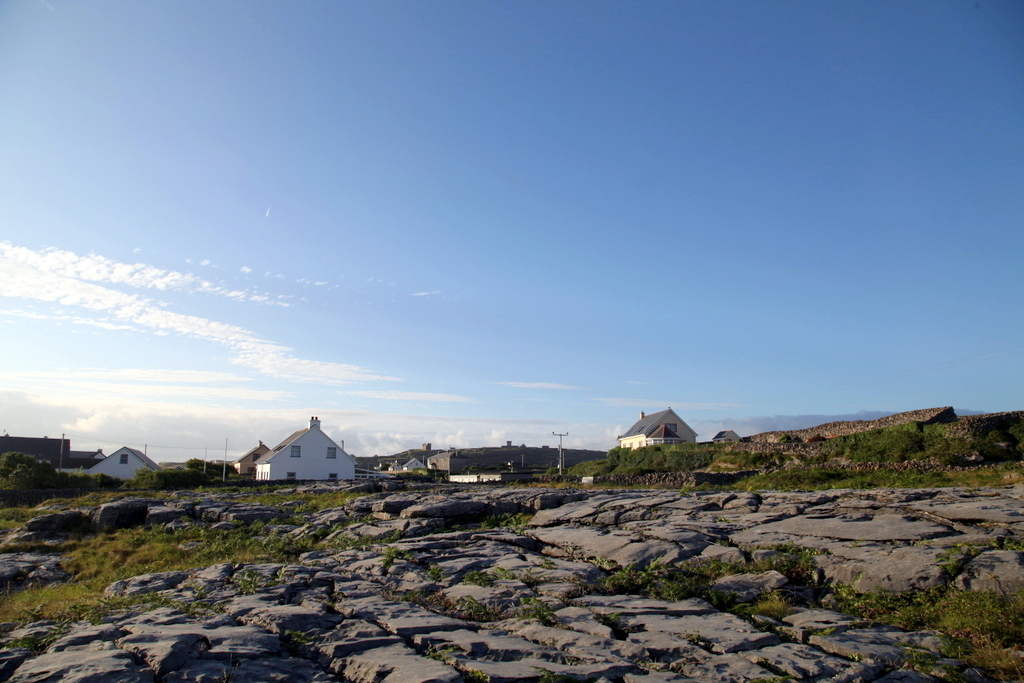
All the features of the Burren are there. Sometimes better exposed than on the mainland: clints, grykes, rillenkarren, dolines, kamenitzas, glacial erratics, fossil shells and corals, limestone pavements, but with the ever present Atlantic around almost every corner.

So back to my first question. With the Aran Islands, is it that inconvenience mixed with expectation that getting there involves that makes it attractive to visitors? Or that feeling that once there you are completely cut off (well maybe not now with smartphones).   Or the slower pace? How would it be to actually live there?

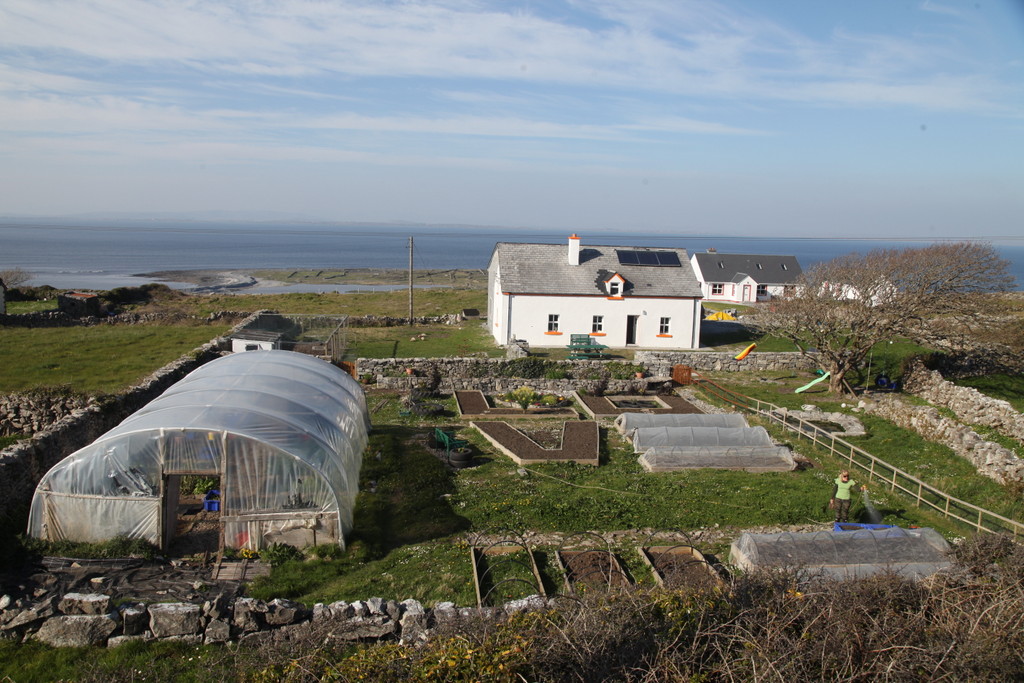
Of course many do and Melissa and Johnny Gillan and their five children are among them.  Melissa is from Maine and married an Irishman from Aran who after their second child convinced her to leave the States and start a new life on Inis Mór. Melissa tells the story way better than I could on her blog (which is how we met) http://thearanartisan.com/2014/11/08/i-live-in-aran/.  I have never seen anyone happier. She now has five kids and an enviable lifestyle where she has created a paradise – a garden that sustains her family within this harsh environment and is moving towards her dream of starting a business based on this. The whole family is involved, with the kids nurturing the garden and animals with a sense of pride. Her philosophy is captured by the layout of the garden beds which spell the word LOVE and which was revealed with delight by her kids after an enthusiastic guided tour. I was invited to dinner there one night, which comprised razor clams gathered on the shore, a tuna steak from a fish caught by Johnny’s brother off the coast, potatoes, carrots, kale, rhubarb crumble and a parsnip cake. All from the garden and made with skill and affection. The kids embrace the lifestyle. I was reminded a little of the zest for living my own kids had on Magnetic Island for the three years we lived there. Melissa and Johnny may not be your typical Aran family, I don’t know, but I also met Cóil and Grainne, both young islanders who gave up their day to show me around their island with an obvious pride. I was greeted with nothing but warmth and hospitality.

Melissa Gillan's grarden Inis MorThe Gillan family.  Inis Mor

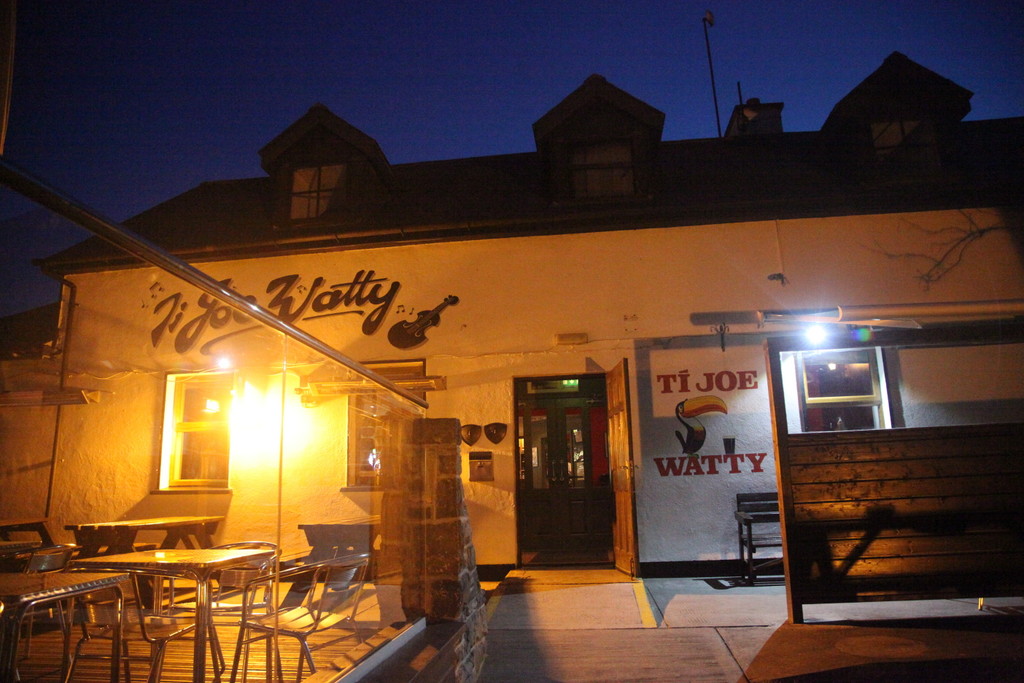
Both the Islands I visited seem to have somewhat different characters. Inis Mór (the Big Island) has sweeping landscapes with hardly a tree; massive limestone pavements and steep cliffs. It doesn’t seem heavily populated but there are about 900 people spread across the entire island. Inis Oírr is smaller with about a third of that but the houses are more concentrated around the main settlement of Inveragh and the fields as defined by the stone walls seem smaller. Both have the same sparse pasture, lush in places barren in others.  Inis Mór has more tourists and a lot more bicycles but it is easy to avoid the day trippers by starting early. The evenings everywhere are gloriously empty of people except for the inevitable craic behind the walls of Ti Whatty or Rory’s.

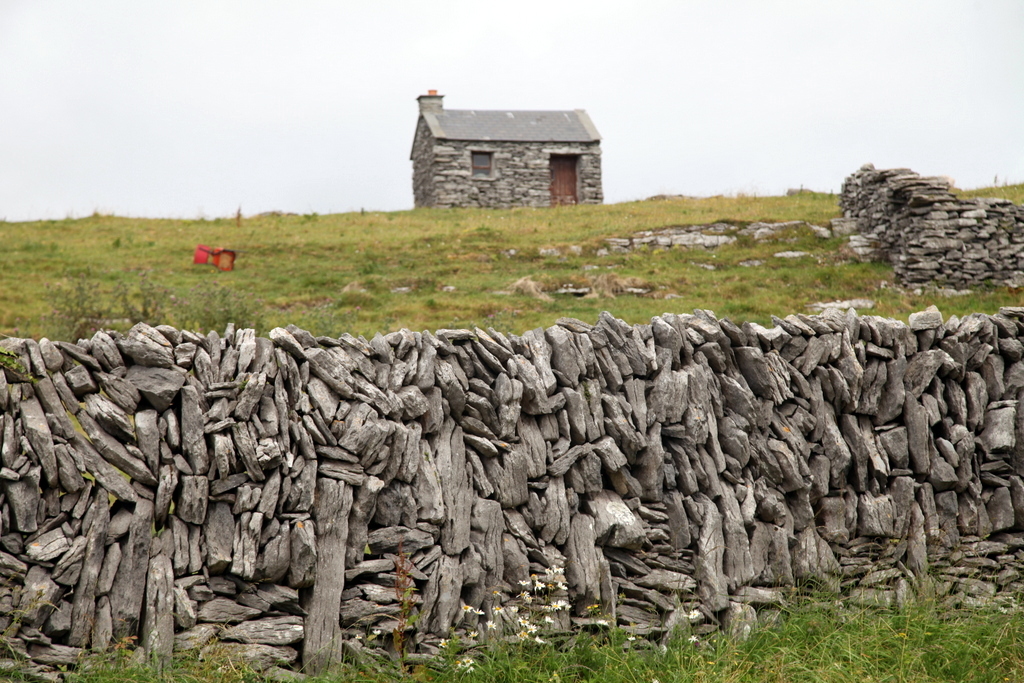
Inisheer.  Stone fields

Inisheer. Stone walls and fields

Inisheer

Inisheer. Drystone walls and one room cottage

Inisheer

Inisheer in the morning light

Inisheer

Inisheer

Inisheer

Inisheer.  Off to fiddle lesson?

Inis Mor. Coping with the elements

Inis Mor. Coping with the elements

Inis Mor.

Inis Mor.

Inis MOr

Inis Mor.

IMG_5709

Inis Mor

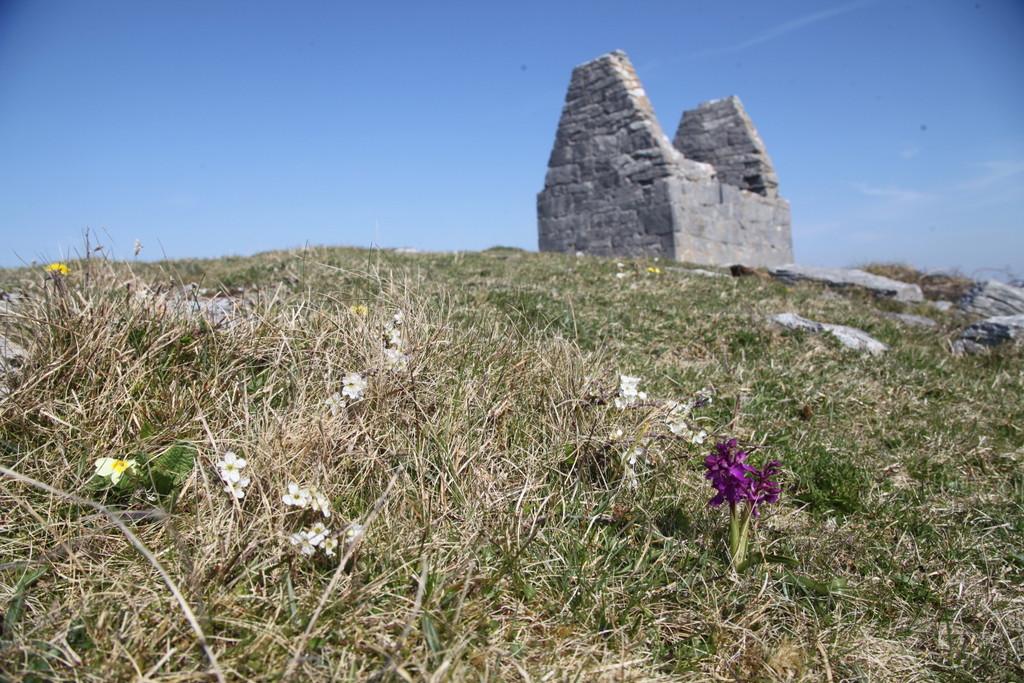
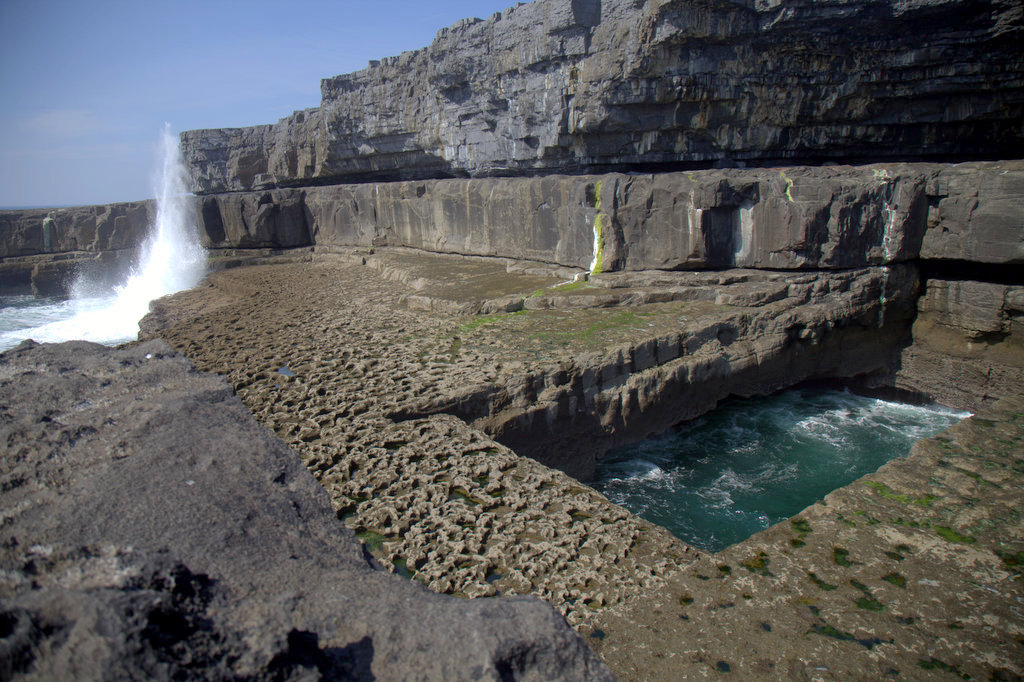
There is plenty for the tourist. On Inis Mór, bike hire is popular and the circuit to the Dún Aonghasa fort is a well-worn trail. But off the beaten track are some amazing sites such as the Black Fort, the Seven Churches and Teampull Bheanáin, reputedly the smallest church in the world measuring around 3m x 2m.  This unusual church can be seen from all around the island and was the best location I found for viewing the unique Burren flora.  Then there is the spectacular Worm Hole or Poll na bPeist. It is a hole in the rock platform that looks like it has been sliced out by the hand of Fin McCool himself. There is a more prosaic explanation that relates to erosion along mutually orthogonal jointing but let’s stick with Fin McCool, I think! Connected with this is a blow hole where the back pressure from the hole causes the sea to shoot up periodically  higher than the cliff.  This is an awe-inspiring place that has been put on the tourist map by the Red Bull people who have filmed one of their diving videos here.

Inis Mor. Teampull Bheanáin

Inis Mor. Teampull Bheanáin

Inis Mor. Teampull Bheanáin

Inis Mor. Teampull Bheanáin

Inis Mor. Teampull Bheanáin

Inis Mor. Teampull Bheanáin

Inis Mor. Teampull Bheanáin

Inis Mor. Blowhole at the Worm Hole. Poll na bPeist

Inis Mor. Blowhole at the Worm Hole. Poll na bPeist

Inis Mor. Blowhole at the Worm Hole. Poll na bPeist

Inis Mor. Blowhole at the Worm Hole. Poll na bPeist

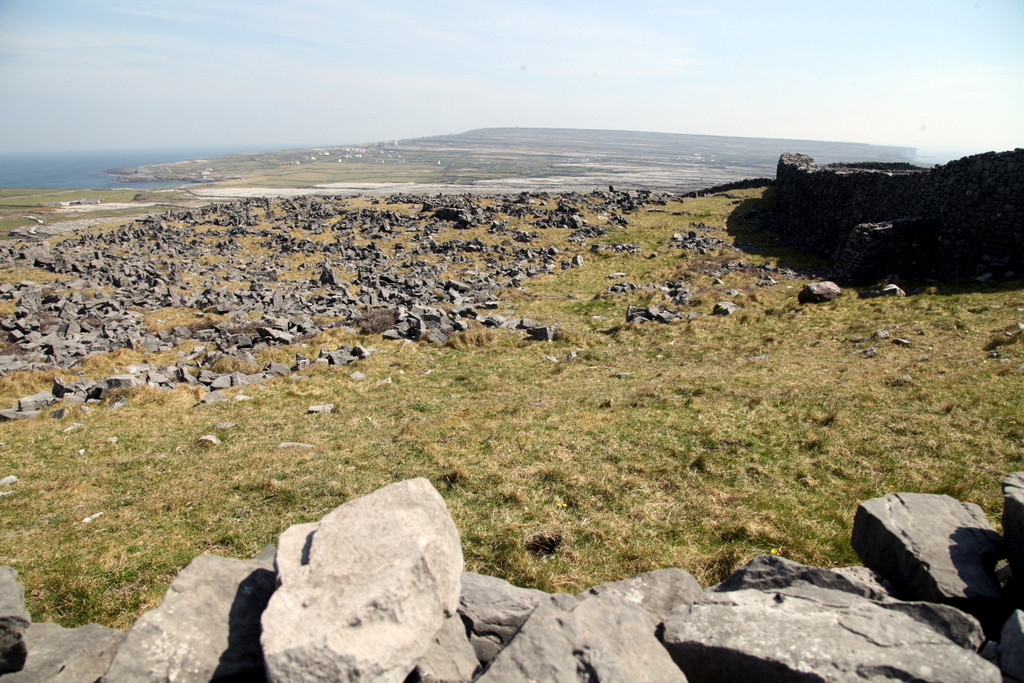
The Islands, and in particular Inis Mór is well known for the excellent preservation of their megalithic circle forts. Dún Aonghasa gets the most attention, but others such as Black Fort are just as interesting and much quieter. These forts are fascinating and here on Aran occupy a coastal positon where the cliffs are used as one line of defence and a semicircular stone rampart as the other enclosing a headland within which was a settlement. There were also a number of outer walls in some cases and unique and spectacularly well preserved examples of chevaux de frise. These are fields of sharp limestone lugged into place and designed to make cavalry or foot progress difficult and retreat impossible. They were placed about 30m away from the wall as this was the range of hand thrown projectiles of the time. The original structures at Dún Aonghasa appear to date from around 1000 BC which places them near the end of the Bronze Age. The famous portal tomb at Poulnabrone on the mainland is much older (3,800BC) as are other tombs on Aran which date to 1850 BC.  This first period of settlement at Dún Aonghasa ended about 700BC but then the site was added to and inhabited during medieval times and later. I spent hours at these forts mesmerised by the ambience and the anicientness (if that is a word!)

Inis Mor. Dun Aengus fort

Inis Mor. Dun Aengus fort

Inis Mor. Dun Aengus fort. Cheval de frise

Inis Mor. Dun Aengus fort. Cheval de frise

Inis Mor. Dun Aengus fort

Inis Mor. Dun Aengus fort

Inis Mor.  Rock platform Dun Aengus fort

Inis Mor. Rock platform Dun Aengus fort

IMG_6641

Inis Mor. Inside the inner wall Dun Aengas

Inis Mor. Inner wall. Dun Aengus fort

Inis Mor. Inner wall. Dun Aengus fort, showing remarkable stone work

Inis Mor. Dun Aengus fort

Inis Mor. Dun Aengus fort. Stone was quarried from the steep face near the wall.  Note the crack!

Inis Mor.  Black Fort. Cheval de frise with glacial erratic

Inis Mor. Black Fort. Cheval de frise with glacial erratic

Inis Mor.  Black Fort showing walls of medieval houses

Inis Mor. Black Fort showing walls of medieval houses

Inis Mor.  Black Fort

Inis Mor. Black Fort from inside the enclosure

Inis Mor.  Black Fort and cheval de frise

Inis Mor. Black Fort and cheval de fries

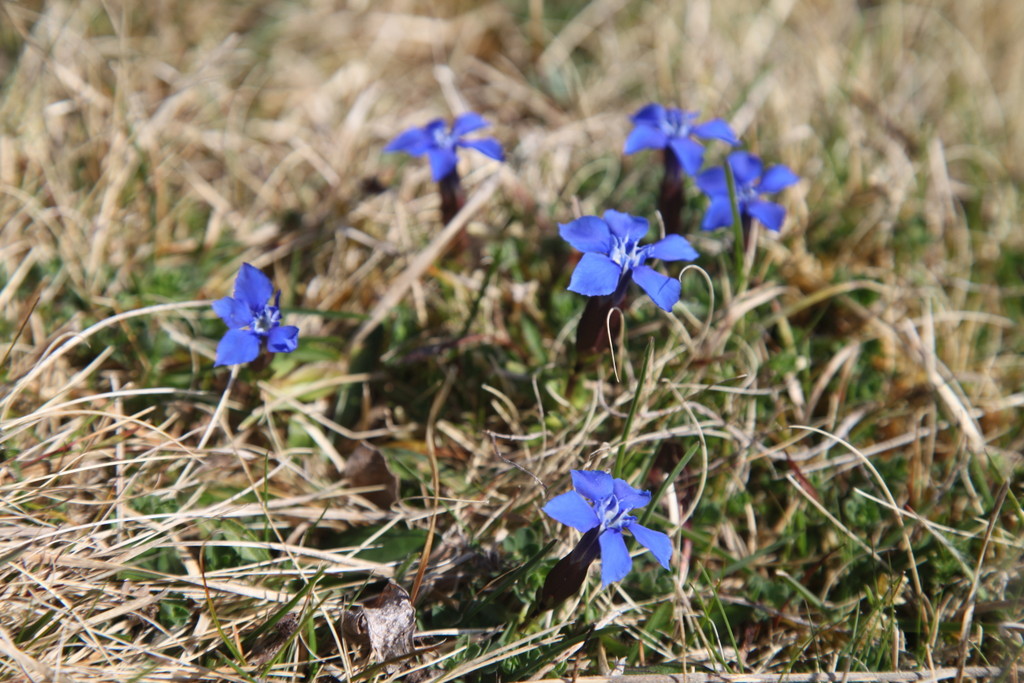
The landscape helps make this a unique world. I have talked here and elsewhere about the typical Burren landforms, but I should mention the widespread glacial erratics, dropped by melting glaciers. Well that is the scientific explanation. Local legend has it that they were left by giants who were throwing stones at each other (Fin McCool again!) Doesn’t this make sense? How else could boulders of granite from Connemara get onto the Aran Islands? The Burren is known world wide for its flora with its rare combination of alpine and Mediterranean plants.  Spring is the best time to see it and in the three days I was on Inis Mor I witnessed an explosion of life with the spring gentians and orchids bursting into flower. The wildlife does not disappoint either with seals, water birds, birds of prey and dolphins all on show at various times.

Inis Mor.  Glacial erratics near Black Fort

Inis Mor. Glacial erratics near Black Fort

Limeston Pavement Inis Mor

Limestone Pavement Inis Mor

Inis Mor.  Burren landscape

Inis Mor. Burren landscape

Inis Mor

Inis Mor. Typical Burren stone wall. How does it stay up?

Inis Mor.  Near Black Fort

Inis Mor. Near Black Fort. Crumbling coastline

Beach near Kilronan.  Inis Mor

Beach near Kilronan. Inis Mor

Inis Mor Inis Mor. View from Black Fort Inis Mor. Burren landscape.

Inisheer.  The Burren limestone Inis Mor. Inis Mor. Inis Mor. Seal colony Inis Mor. Seal colony Inis Mor. Wild duck's nest Inis Mor. Teampull Bheanáin.  Spring gentian Inis Mor.  Spring in the Burren

IMG_6126

On each of my visits to Aran I was resigned to having nights without music but on each occasion I discovered the craic. On Inis Oírr I met Mícheál O’hÁlmháin, the leading musical identity on the Island and members of his family and we played in the hotel until the small hours and on Inis Mór I met three French guys, Alex, Mathieu and Victor who turned out to be amazing guitarists and with Michelle, Lea and Rom from Switzerland we had two nights of Celtic meets Gypsy Jazz meets 70s rock meets Europop!  On Inis Oírr I also stumbled onto an Irish language summer camp. It was held in the hall and I was drawn by the distinctive sound of irish dancing. The front door was open but what I saw was not what I expected. It was full with teenagers maybe 150 of them having the time of their lives. They were playing a game of musical statues to the recorded music of a ceili band. I stayed and watched as they threw themselves into a succession of musical and dance numbers including a country and western song about Connemara in Irish, some updated versions of set dances, line dancing and some pop songs. I was impressed that here was a camp dedicated to preserving the Irish language and culture but prepared to do it in a modern way that was relevant to today’s youth but still respectful of the heritage.  And then to top all that while on Inis Mór  and thanks to an invitation from Melissa I played with the local Island kids at the regular Comhaltas gathering with Galway Bay as a backdrop.

Inis Mor.  For the craic.IMG_7588

IMG_6285 IMG_6188 IMG_6331

Inis Mor.  A regular gathering of the local Comhaltas group.

There is a lot more I could say about these Islands but by now I think I have probably lost all my readers (If you have read this far please let me know – it would be nice to know if anyone reads beyond the first paragraph!), so I will let the pictures talk from here.  Just a few more images that give a taste of these islands that I am sure I will return to regularly.

Inisheer.  Fisherman returns escorted by dolphin

v

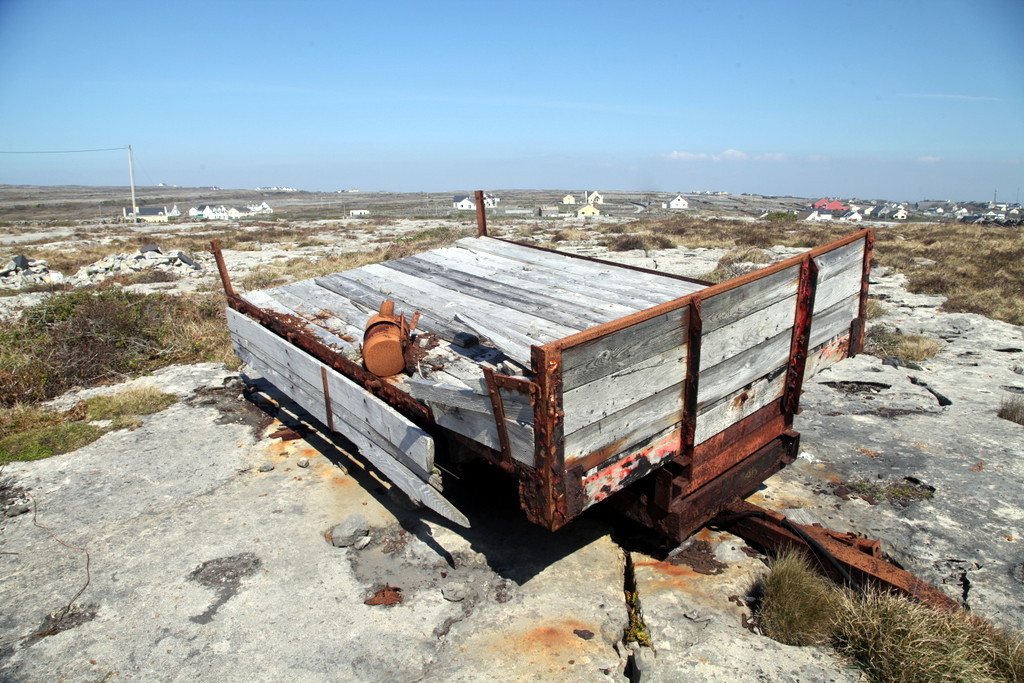
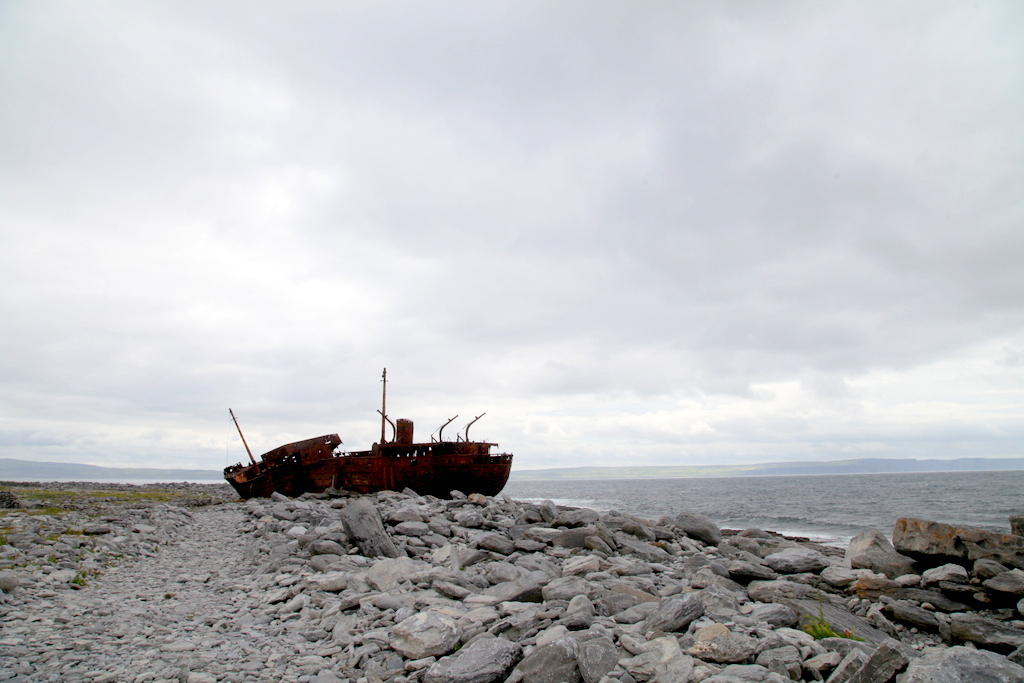
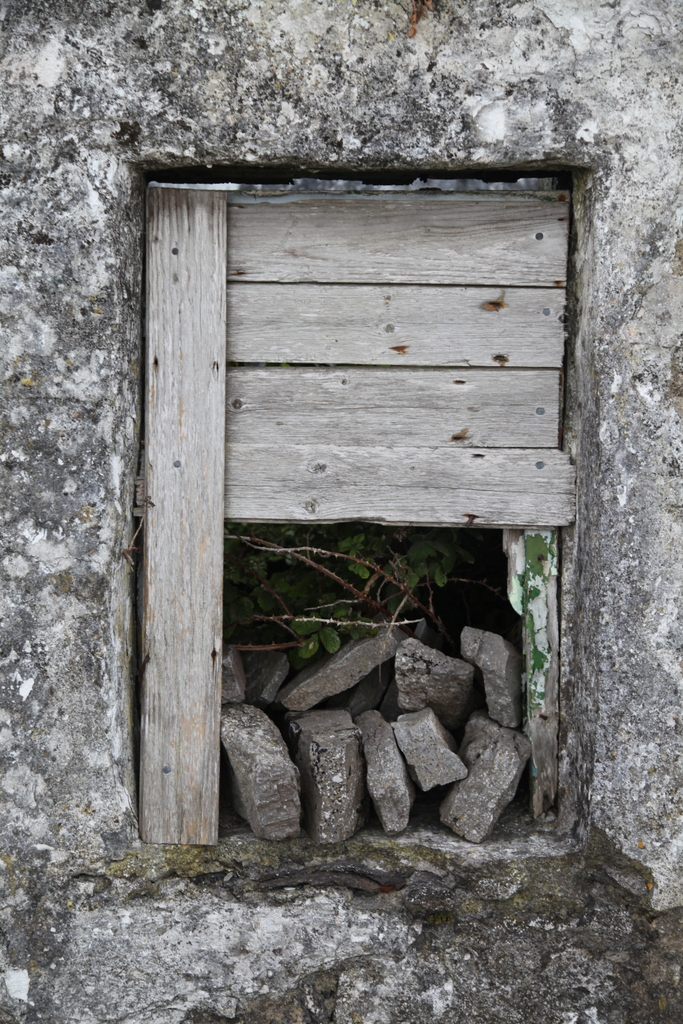
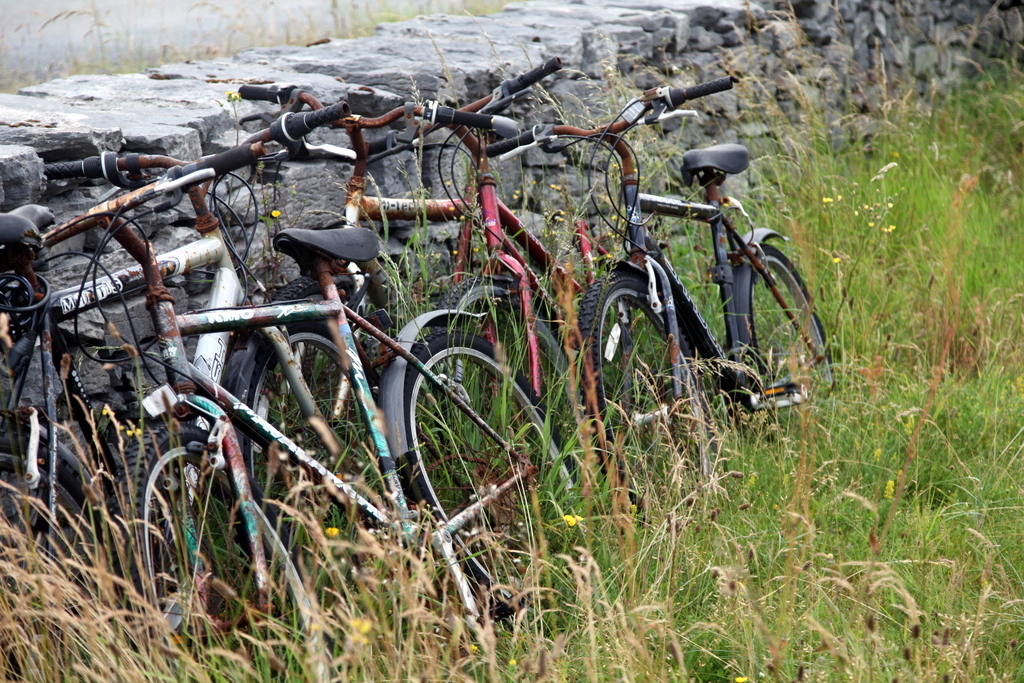
Inisheer Inisheer.  Wreck of the Plassey Inisheer.  Wreck of the Plassey Abandoned house InisheerInis Mor.  Atlantic on a calm day Rusted bikes, Inisheer Inisheer Inisheer.  Fining pots Inisheer.  Limestone outcrops glowing in the morning sun Inisheer.  Curragh and ruins Inis Mor. Goat farm Inis Mor. Goat farm Inis Mor. Abandoned house

Inis Mor.  Site where Curragh was re-tarred

Inis Mor.  Stairway to Heaven?

Inis Mor. Stairway to Heaven?

Categories: Real Ireland, Wild Ireland | Tags: , , , , , , , , , , , , , , , | 4 Comments

Solar Eclipse in Co. Clare

I dutifully set the alarm for 8 am after the usual late night playing tunes, so that I could see the much hyped total eclipse of the sun.  Well it’s not actually total where we are but it was to be pretty damn close. I didn’t have high hopes as there was a thick blanket of fog when I drove home last night at 1 am. Sure enough I looked out the window at as the alarm sounded to a complete whiteout and promptly rolled back over to sleep.

Something woke me up an hour later and made me look out the window again This was what I saw peeking through the haze.

IMG_0001

First glimpse of the eclipse March 20 2015

I madly grabbed the camera put the telephoto on and, while mindful of all the dire warnings that I would lose my sight, pointed it in the general direction and fired away. Of course I didn’t have a sun filter so the first shots were completely blown out but the fog was working in my favour and as the slowly diminishing sun peeped in and out I kept clicking. For the technically minded I shot on my Canon 5D Mark 2 at the lowest ISO and on  programmed automatic stopped down between 1 and 1 2/3 stops to cut the light. I only had a 200m lens so couldn’t get in that close.

It was an amazing experience as I watched the light fade. As we reached near “total” the fog closed in and there wasn’t enough light from  the sun to get a shot. So I turned my attention to the rocks and the sea. It was deathly quiet. Eerily so. I think the word ‘eerie’ must have been coined during a total eclipse of the sun.  It was not as dark as I expected but it was the quietness and stillness that struck me.  Not even familiar sounds like the birds, which are my constant companions, or the lowing of cows, which only minutes earlier had welcomed the dawn.  The only sound was the restless sea and even it was unusually quiet. It lasted about ten minutes as the light gradually returned and I heard the first quack of a wild duck heralding the new dawn.

For a moment the fog thinned and I saw the sun emerge on the other side of the moon.  Just for a moment.  Long enough to take one last photo.  Then as the sun became bright enough to penetrate the haze it was impossible to photograph let alone look at.
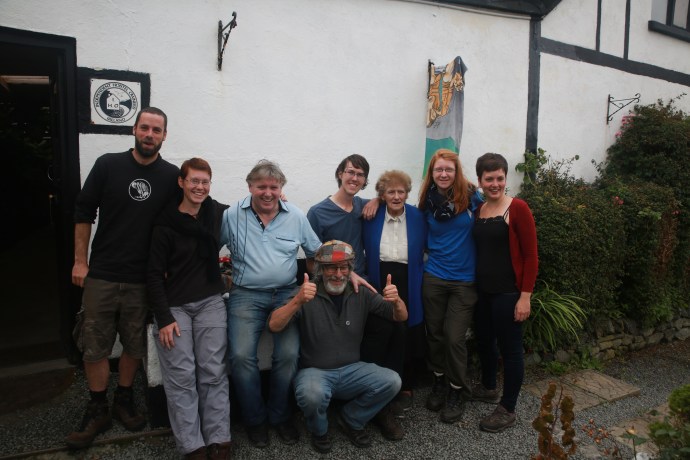
In the end I had to be grateful for the fog and cloud. It enabled me to witness something that the gods have continually conspired  to prevent me seeing.

Roll on 2024.

IMG_0078

Eclipse, Caherush March 20 2015. About 15 minutes before “total”.

IMG_0087

Eclipse over Mt Callan from Caherush March 20 2015

IMG_0125

Eclipse Caherush, March 20, 2015. Minutes before “total” and just before the cloud covered the sun.

IMG_0132

Caherush during the “total” period of the eclipse March 20 2015

IMG_0145

Eclipse, Caherush March 20 2015, Minutes after “total”, the sun emerges briefly before being covered by cloud again.


Categories: My Journey, Real Ireland, Wild Ireland | Tags: , , , , , , , , | Leave a comment

Wild Dingle, Co. Kerry

With all the festivals of late I haven’t had any time to post any pictures from the various road trips I have made in the last few weeks. So I will try and catch up slowly. This post is about the beautiful Dingle Peninsular. When at Ballyferriter (https://singersongblog.wordpress.com/2015/02/26/scoil-cheoil-an-earraigh-ballyferriter-co-kerry/) I had a couple of opportunities, with breaks in the weather, to get out and have a look at the countryside between Slea Head and Mount Brandon. I was pretty lucky but it was frustrating as well as I couldn’t help thinking she was like a heavily-veiled Turkish dancer shyly lifting her shroud to reveal the beauty within and then quickly covering up again. Tantalising me with fleeting glimpses, just as the sun peeks out before another squall or hailstorm swept in. You had to be quick with the camera to catch it. There was a snowfall the day before I arrived and another while I was there so Mt Brandon had a good dusting which, when the mist lifted, contributed to an Alpine feel.

The west Kerry landscape is so beautiful. A little more ordered than Clare (without the wildness of the Burren) but a patchwork of stone-walled verdant fields dotted with quaint villages – almost the archetypal Ireland. It has a rugged Atlantic coastline in common with West Clare and some spectacular beaches, which on this particular weekend were being pounded by some mighty waves. It is no wonder the area attracts tourists in droves along with artists, filmmakers, musicians and people seeking the ‘real’ Ireland.

Here are some photos which I think will give a taste of the extraordinary beauty of this part of Ireland.  But it is only a taste and I will return to have another look and explore further when the weather is kinder.  So expect more.

IMG_4448 IMG_4481 IMG_4485 IMG_4505 IMG_4538 IMG_4547 IMG_4548 IMG_4557 IMG_4559 IMG_4573 IMG_4616 IMG_4679 IMG_4683 IMG_4691 IMG_4696 IMG_4713 IMG_4735 IMG_4781 IMG_4810 IMG_4873 IMG_4943 IMG_4950 IMG_4984 IMG_4995 IMG_5000 IMG_5078 IMG_5188 IMG_5505 IMG_5515 IMG_5517 IMG_5527 IMG_5536 IMG_5538 IMG_5542 IMG_5545 IMG_5547 IMG_5560 IMG_5567 IMG_5597 IMG_6369 IMG_6380 IMG_6387

Categories: Wild Ireland | Tags: , , , , , , , , , | 4 Comments

Winter in Ireland !

They said I wouldn’t survive the winter.

Well it’s approaching the end of January and I am still here. But I have to say that these last few weeks I have really felt what it is that everyone has warned me about. The realisation hit as I stood on the cliffs of Sleave League in southwest Donegal trying to stand up straight enough to take a photograph, wrapped in multiple layers but still feeling that wind cut through to the bone. It was a brisk 4˚C at midday but with the wind chill it was sub-zero. It was numbingly cold but the photos I took that day look deceptively pretty, with blue skies and gorgeous colours reflecting the sun off the cliffs. The camera never lies but it doesn’t always tell the full story.

And then the other day the maximum on the mercury back home in Clare was 1˚C. It was snowing across the county, indeed all over the west, but not here at Caherush on the sea.

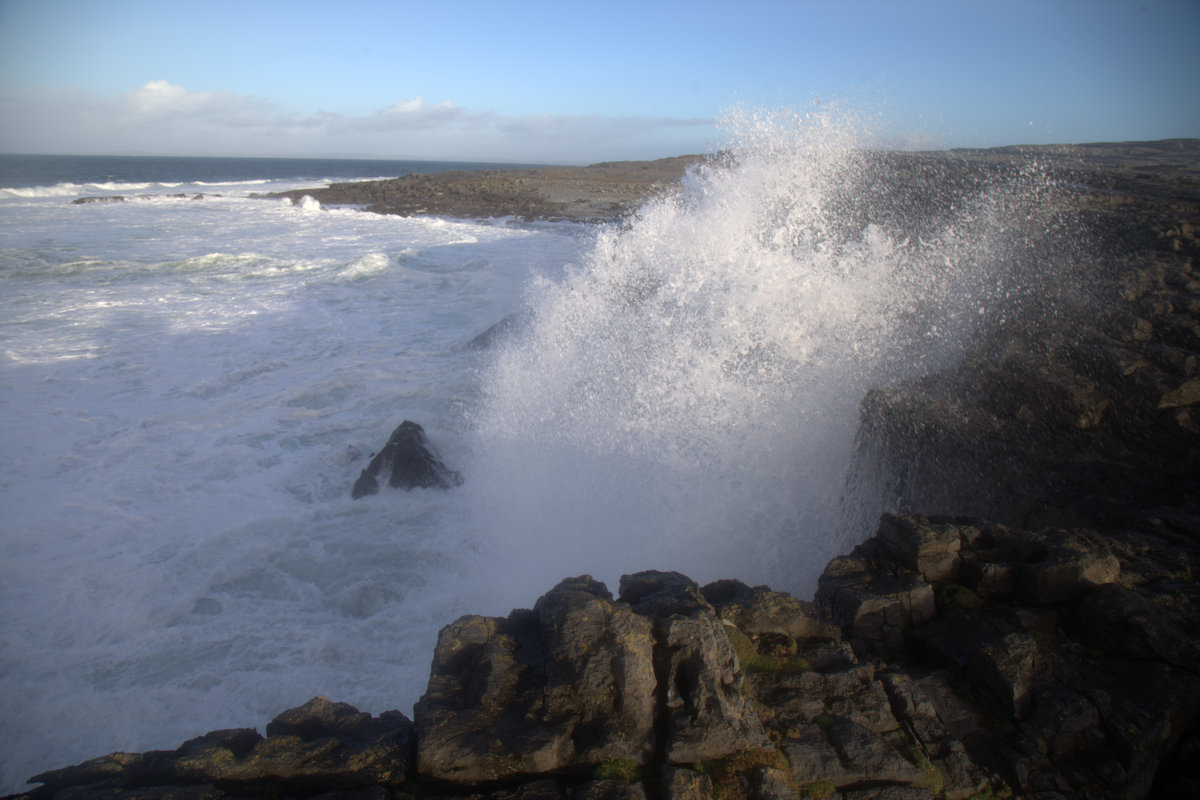
I stand outside my front door. The wind here is relentless and constant. This day you can hardly stand up as it whips the usually calm waters of the bay into a seething boiling maelstrom and further out past Mutton Island, massive waves roll in through a sea of foam and whipped up spray I can see the spray drive high over Mutton Island covering its castle as waves crash in from the west. Some intrepid gulls fight the elements to carry on with their continuous search for sustenance seemingly just hanging in the air almost enjoying the challenge as they feast on the abundant feed whipped up by the furious waters. And a handful of ducks continue to forage on the shoreline despite being buffeted hither and thither. And on the land, cattle turn their backs to the wind to provide some protection. There is no rain at the moment, in fact patches of blue appear through the clouds to tantalise and at least give an impression of warmth soon dispelled by the reality closer to the ground. I don’t stay out there long. Valdo, the farmer’s border collie runs up, stone in mouth, inviting me to play, seemingly oblivious to the unfriendliness of the elements. No walk along the shore today Valdo, that’s just a distant memory. Back inside though the house is cosy, the fire goes all day and if I’m not warm enough I sometimes turn the central heating on also. I play music. I write. I read. I watch the odd movie. And when I get bored I play some more music. My day really begins at 9pm when I head out to look for tunes, an increasingly difficult challenge.
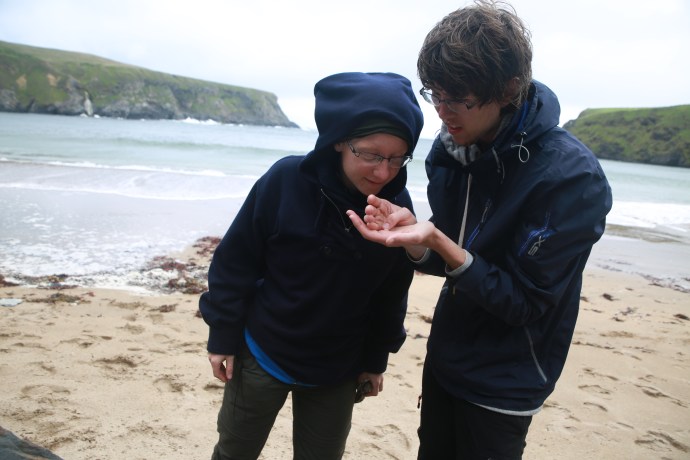
So I am still here. My adopted countrymen can’t understand this. They see the endless blue skies of a Summer Bay Utopia and a bikini-barbecue lifestyle to match and wonder why I would want to come here. They all have relatives in Perth who will never come home. And they all want to join them there in the warmth. So why don’t I feel the same way. Don’t get me wrong I love Australia (well when it is not being stuffed up by uncaring governments!) but I have had decades of it and the Australian summer holds no attraction for me anymore. Yes, day after day of blue skies, but it comes with often unbearable heat (depending where you are, and I spent a lot of my time there in 40 plus temperatures in the desert), the threat of fires, not sleeping at night, hot westerly winds. It all makes you actually crave some ‘weather’. That craving for weather is certainly satisfied here. In recent days I have seen it at its rawest – driven through a snow storm, been pelted by hailstorms, 130kph winds and 30m waves. But seriously this wild winter is a small price to pay to live in this glorious country and be surrounded by music every day. I feel blessed.

So if I go home it definitely won’t be because of the weather.

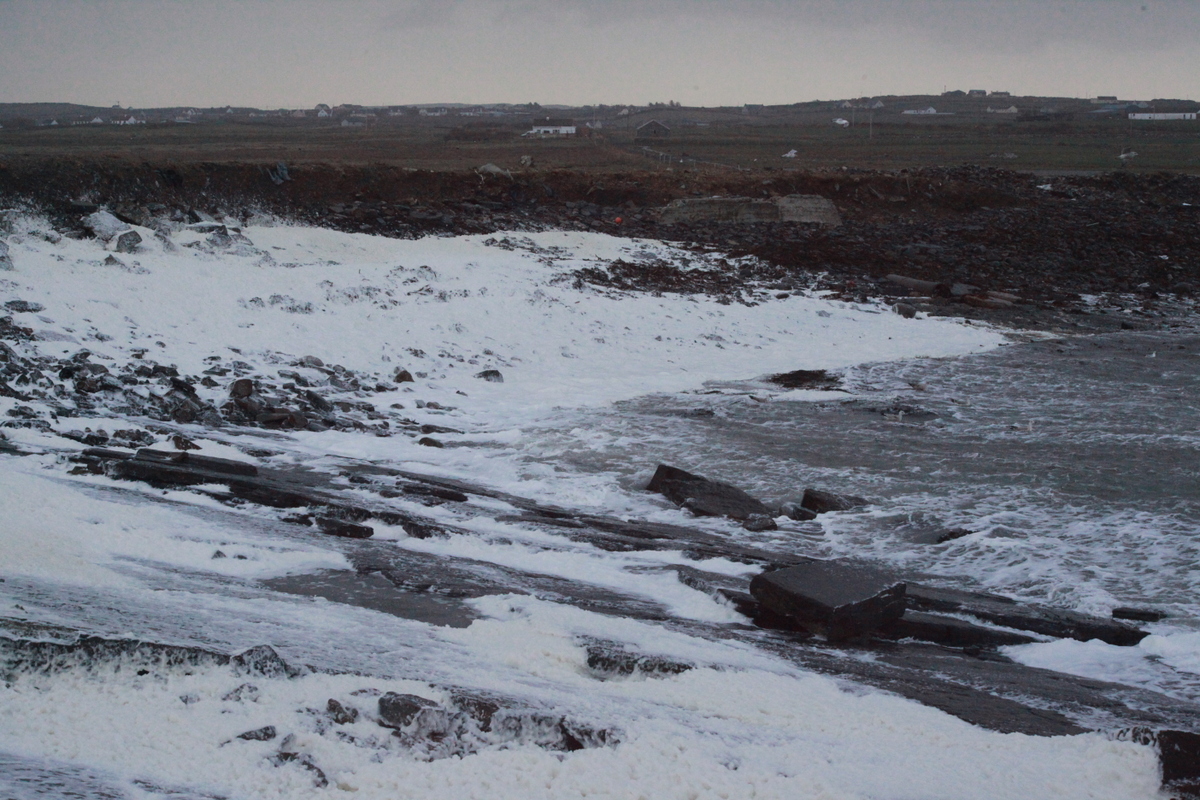
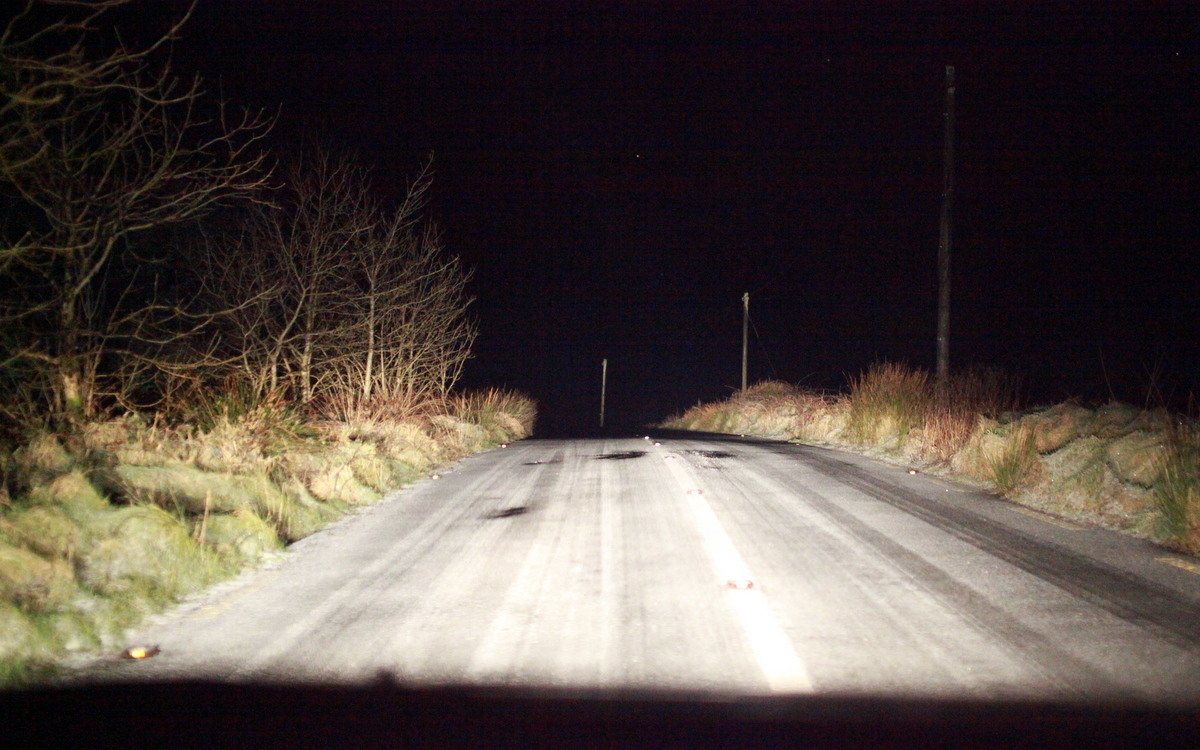
Here are some photos that say winter and Ireland to me…….

the wild Atlantic.  Spanish Point Co Clare

the wild Atlantic. Spanish Point Co Clare

Spanish Point

Spanish Point

Stating the obvious.  White Strand near Spanish Point, Co Clare

Stating the obvious. White Strand near Spanish Point, Co Clare

Cattle turn their backs to the wind.  Spanish Point, Co Clare

Cattle turn their backs to the wind. Spanish Point, Co Clare

Caherush, Co Clare

Caherush, Co Clare

wind blown foam,  Spanish Point Beach.  Co Clare

wind blown foam, Spanish Point Beach. Co Clare

Spanish Point Beach.  Covered in foam.

Spanish Point Beach. Covered in foam.

Wild Atlantic.  Spanish Point.  Co Clare

Wild Atlantic. Spanish Point. Co Clare

Sleave League, Co Donegal

Sleave League, Co Donegal

Ice.  Gweedore, Co Donegal

Ice. Gweedore, Co Donegal

Fanore Beach, Co Clare

Fanore Beach, Co Clare

Caherush Bay during a gale.

Caherush Bay during a gale.

Caherush Bay. Co Clare.

Caherush Bay. Co Clare.

Ice crystals on the windscreen.  Sixmilebridge. Co Clare

Ice crystals on the windscreen. Sixmilebridge. Co Clare

Ice on the road.  Mount Callan, Co Clare.

Ice on the road. Mount Callan, Co Clare.

Categories: Wild Ireland | Tags: , , , , , , , , , , , | 2 Comments

Wild Connemara

My last post was on my musical journey through Connemara and Galway. In this post I want to concentrate on the spectacular physical beauty of this part of Ireland.

Connemara is an ill-defined area in the west of Galway incorporating mountains, seascapes and bogs. It is hard not to talk about it without resorting to clichés – wild, rugged, unspoilt; but this is a part of Ireland that almost defies description, it is so beautiful. So I have tried to capture its beauty with the lens. A tall order.

I have visited it three times – just driving through, but on each occasion I was lucky enough to be blessed with patches of sunshine which displays the hills and lakes at their glorious best. Sometimes achingly so.

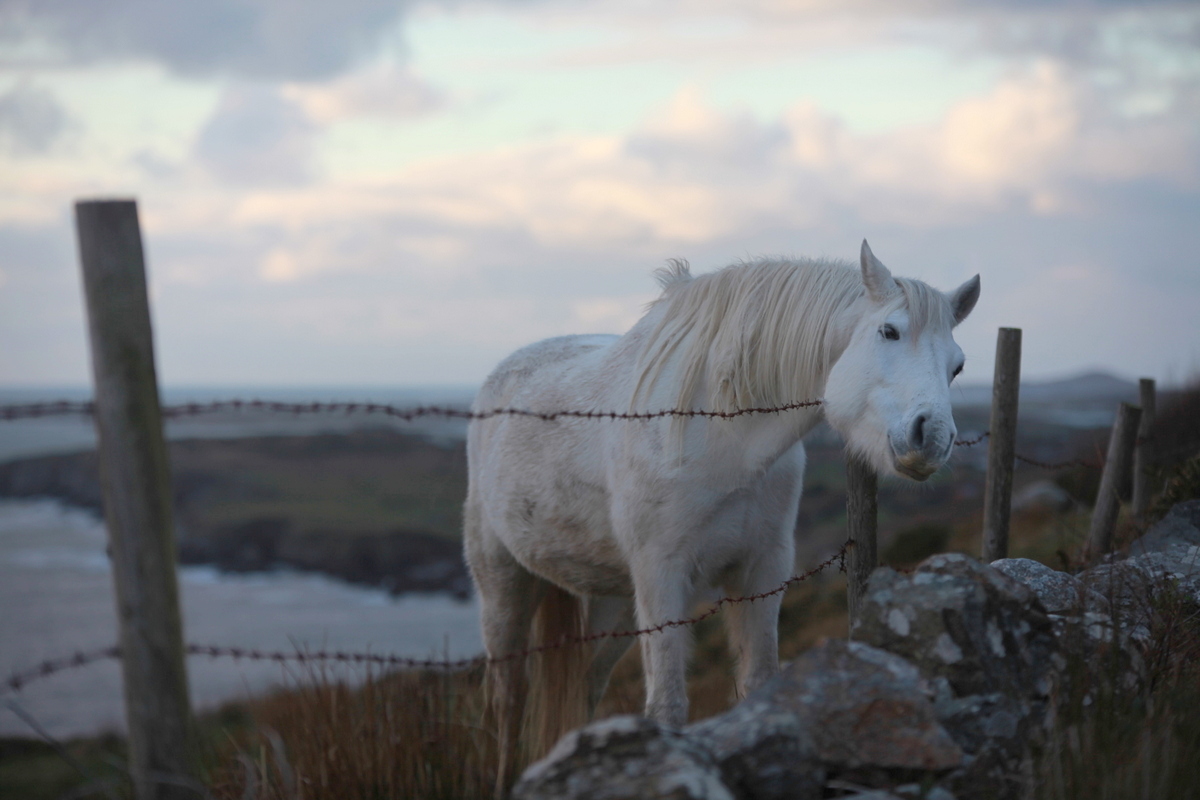
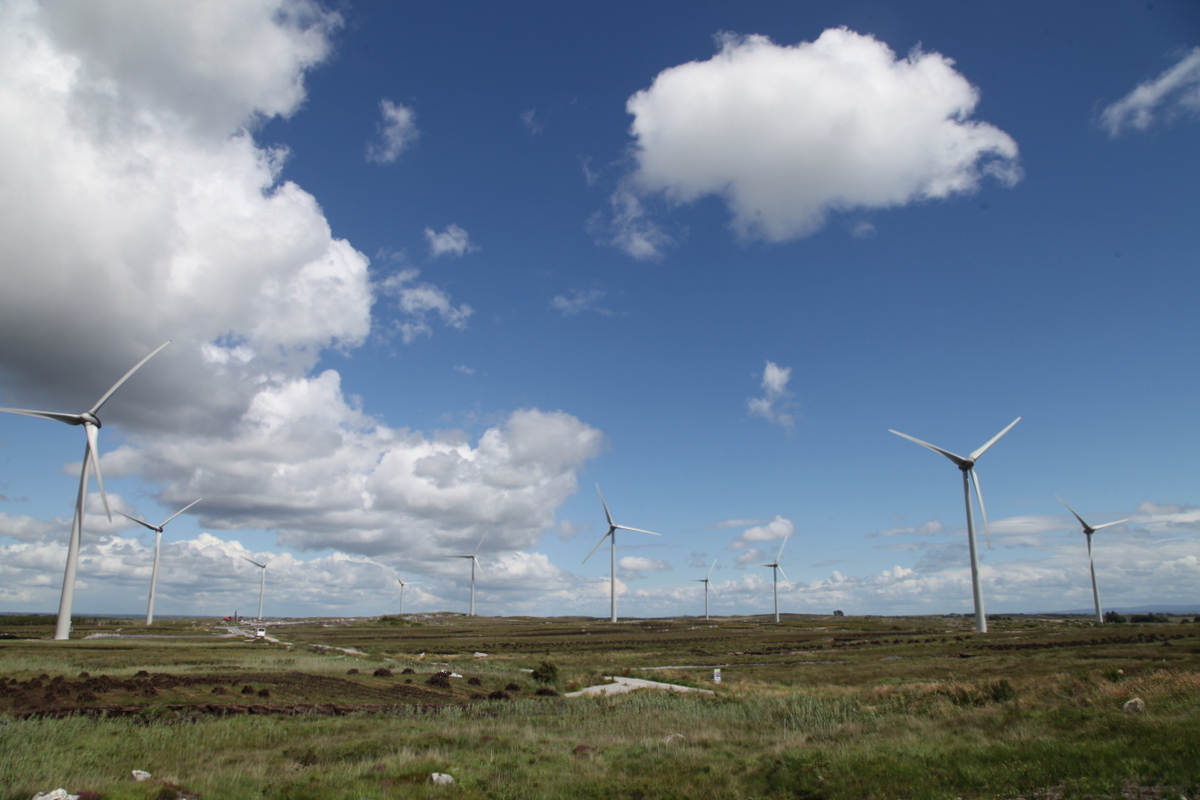
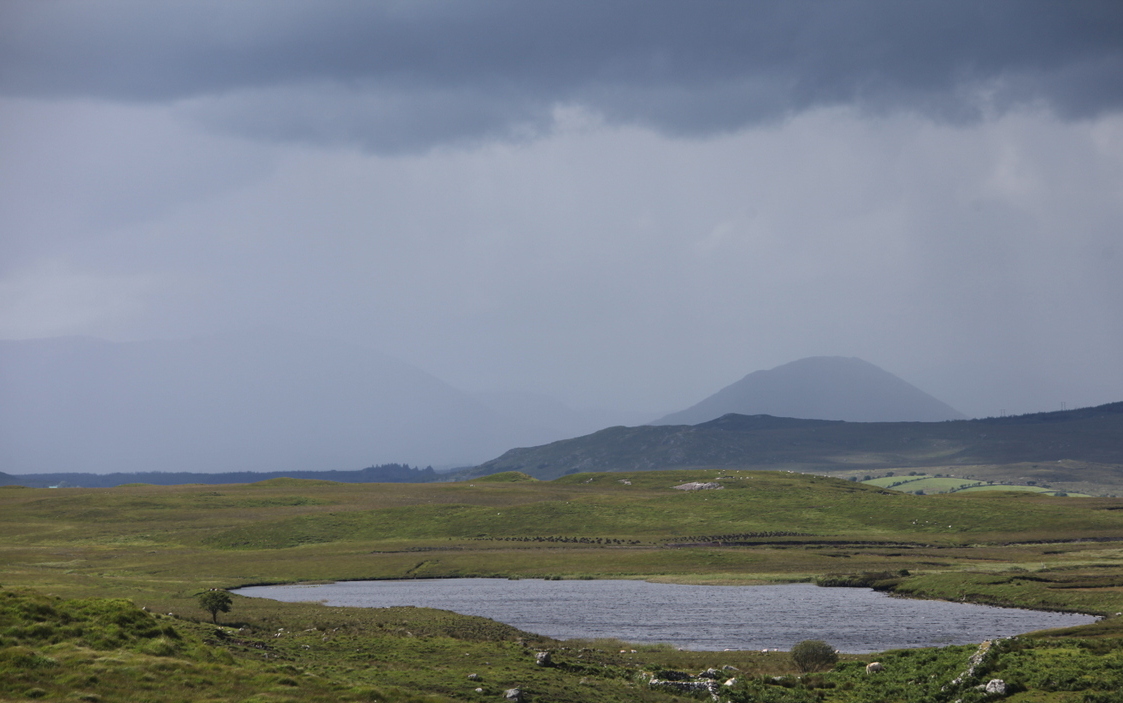
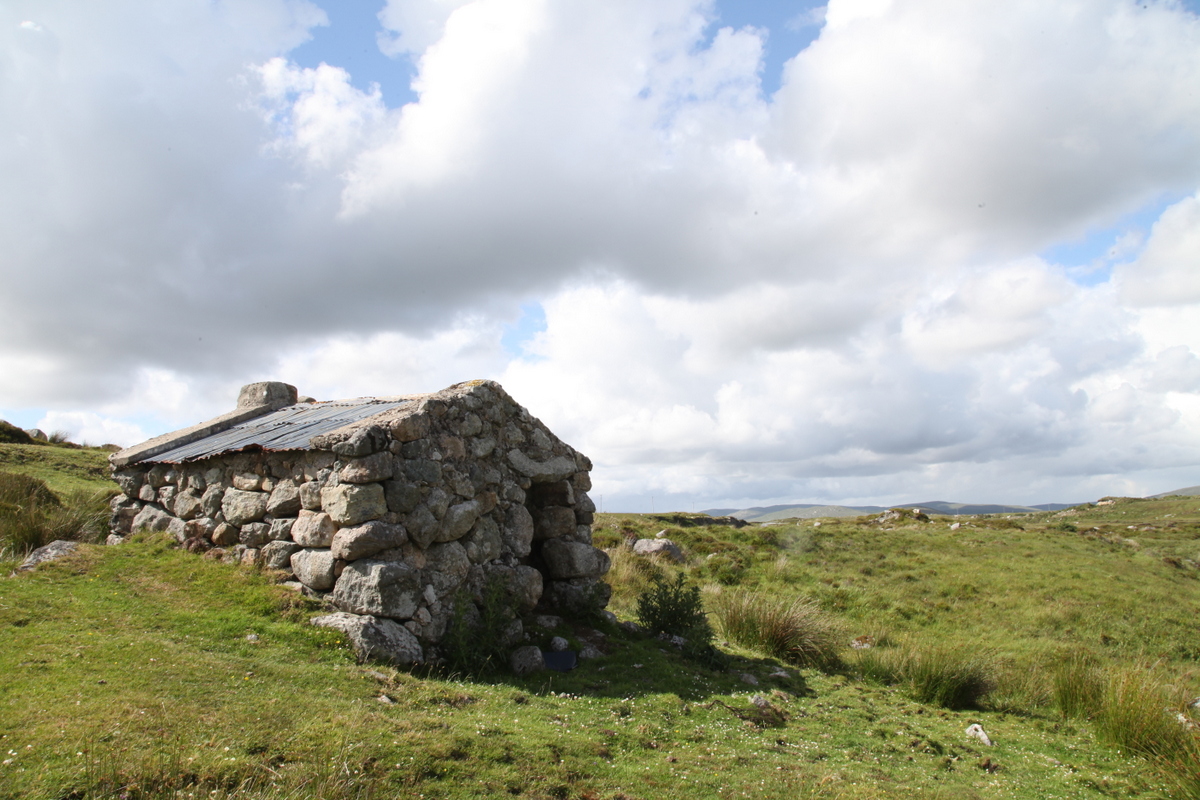
My first visit was in June in the height of summer, then again in August and most recently in December. As the mood changes with the arrival of the sun, so it changes with the seasons. In summer shades of green and grey predominate as the lush grass covers the slopes. In winter it turns to stark reds and browns but is no less beautiful. These photos (I know there’s a lot but it was hard to leave any out) I hope capture the things that make Connemara special to me – the rugged landscapes, the birds, the ponies, the placid lakes, mist, snow, rocks, bogs, turf and the built landscape, from stone walls and shepherd’s huts to Abbeys. But they also serve as a warning that we must do what we can to preserve such treasures. I was shocked to see the encroachment of wind farms into this wilderness.

I will return to Connemara.

IMG_2525 IMG_2426 IMG_2515 IMG_2662 IMG_2670 IMG_2698 IMG_2719 IMG_2723 IMG_2876 IMG_2953 IMG_2958 IMG_2964 IMG_2972 IMG_2981 IMG_2982-001 IMG_2989 IMG_2993 IMG_2996 IMG_3000 IMG_3003 IMG_3004 IMG_3013 IMG_3019 IMG_3023 IMG_3029 IMG_3035 IMG_3051 IMG_3053 IMG_3059 IMG_3065 IMG_3081 IMG_3085 IMG_3106 IMG_3113 IMG_3126 IMG_3142 IMG_3159 IMG_3162 IMG_3174 IMG_3212 IMG_3220 IMG_3245 IMG_3293 IMG_3298 IMG_8150 IMG_8152 IMG_8225 IMG_8241 IMG_8246 IMG_8301 IMG_8307 IMG_8360 IMG_8364 IMG_8387 IMG_8405 IMG_8415 IMG_8417 IMG_8421 IMG_8432 IMG_2951 IMG_2949 IMG_2948 IMG_2936 IMG_2935 IMG_2932 IMG_2931 IMG_2919 IMG_2633


Categories: Wild Ireland | Tags: , , , , , , , | 6 Comments

Blog at WordPress.com.