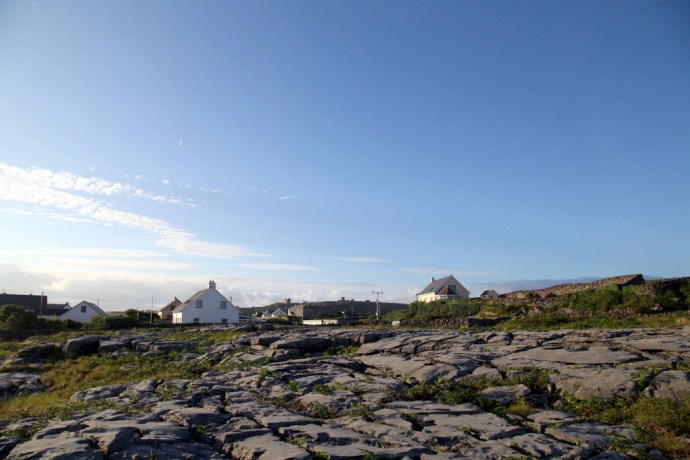
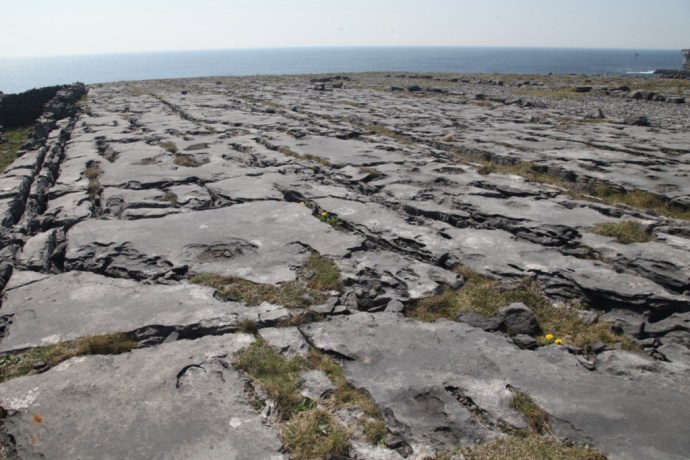
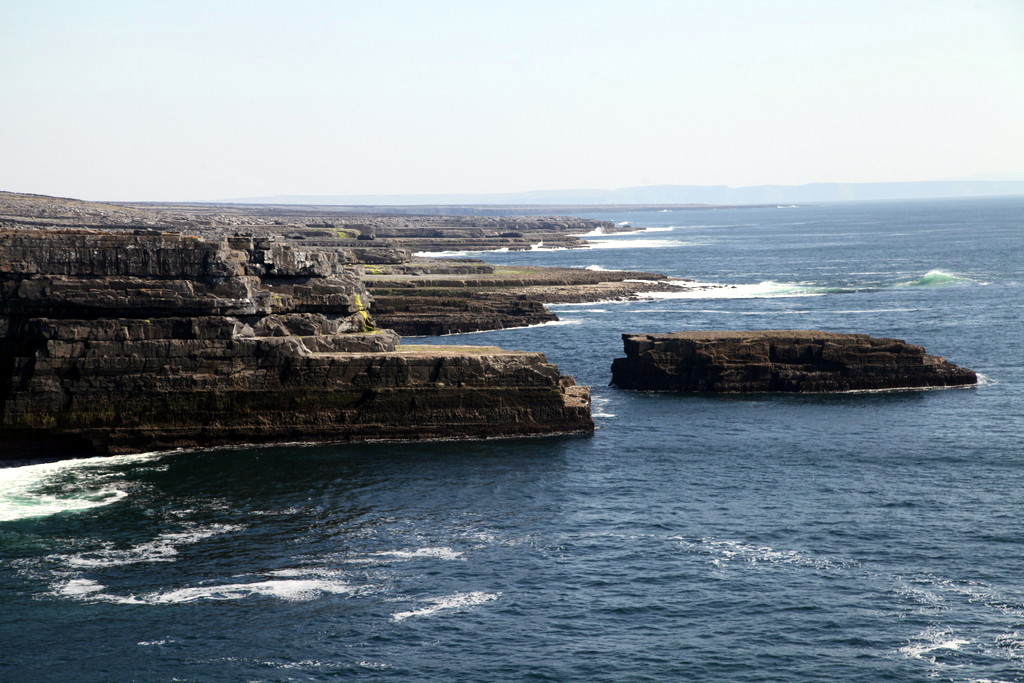
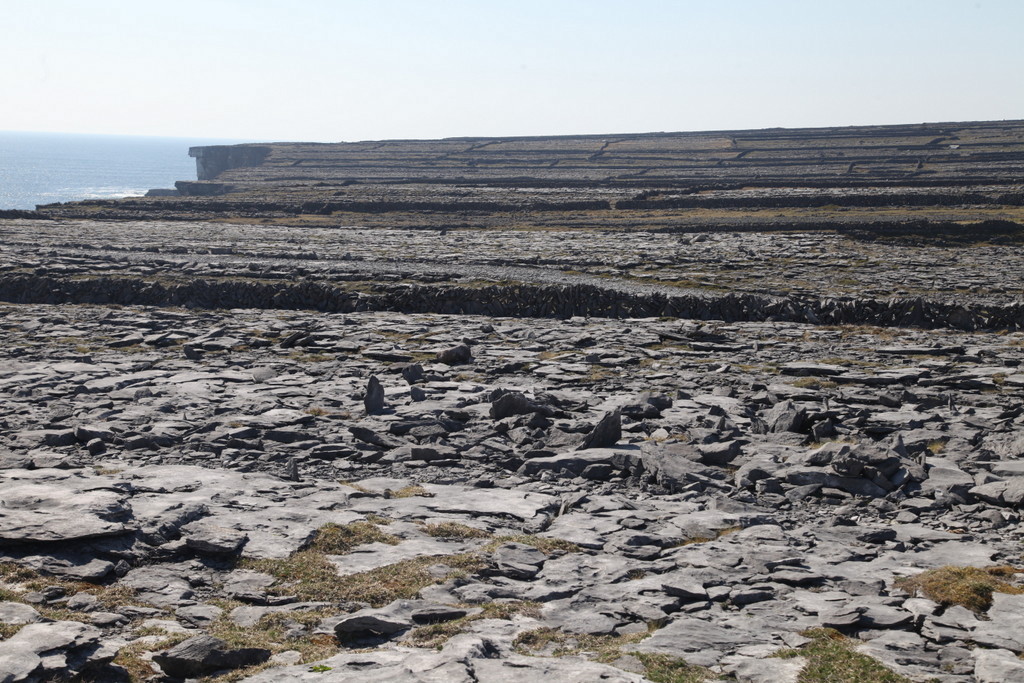
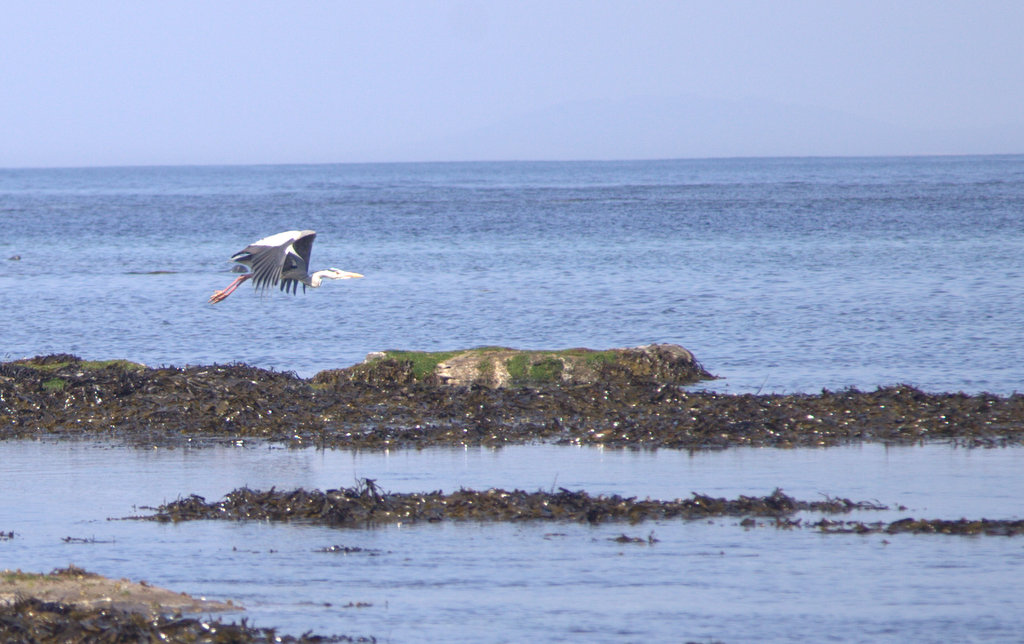
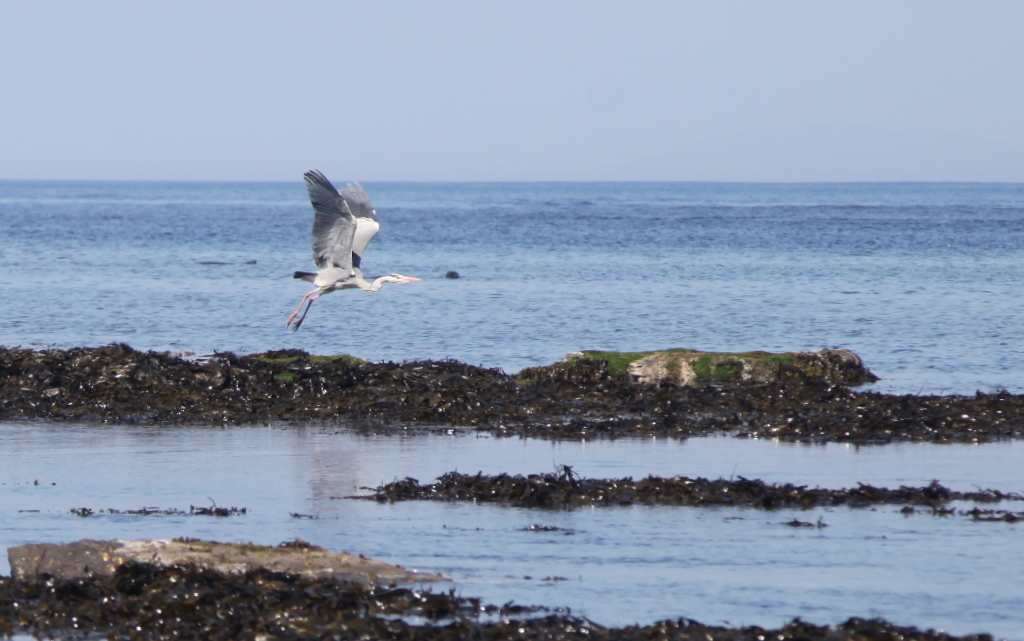
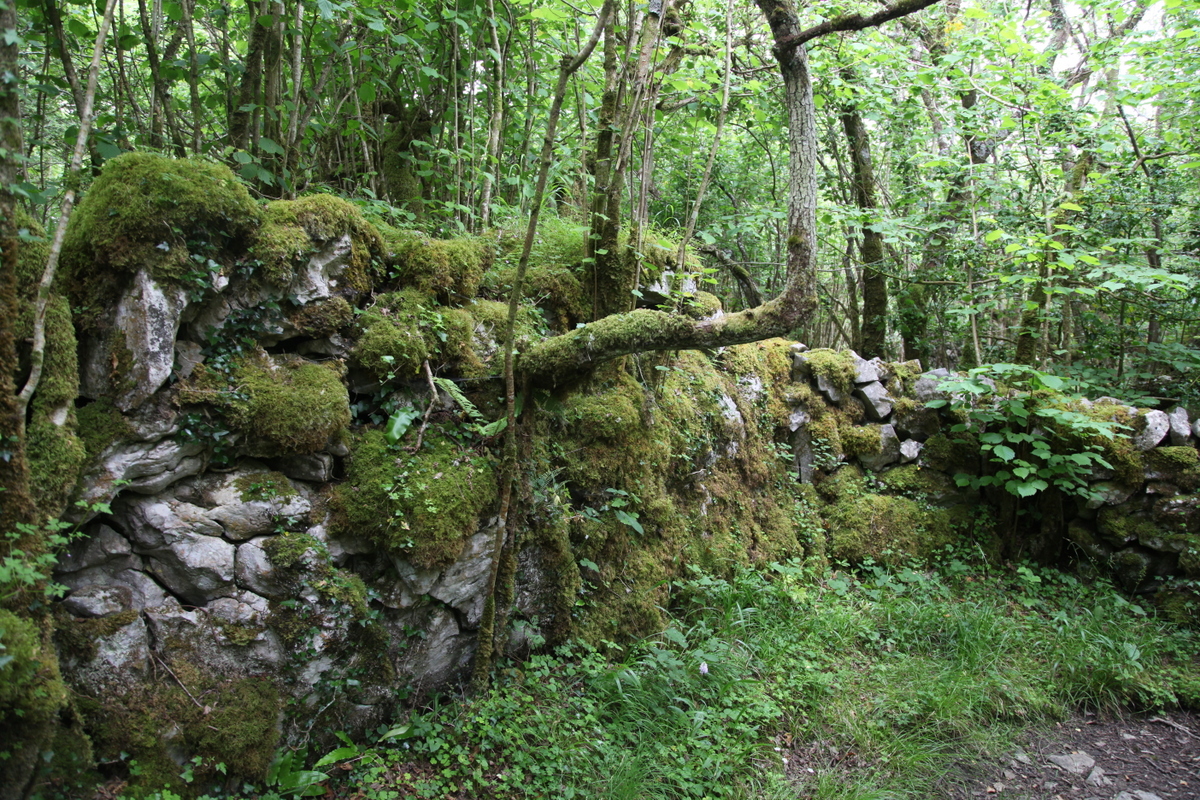
Posts Tagged With: Burren

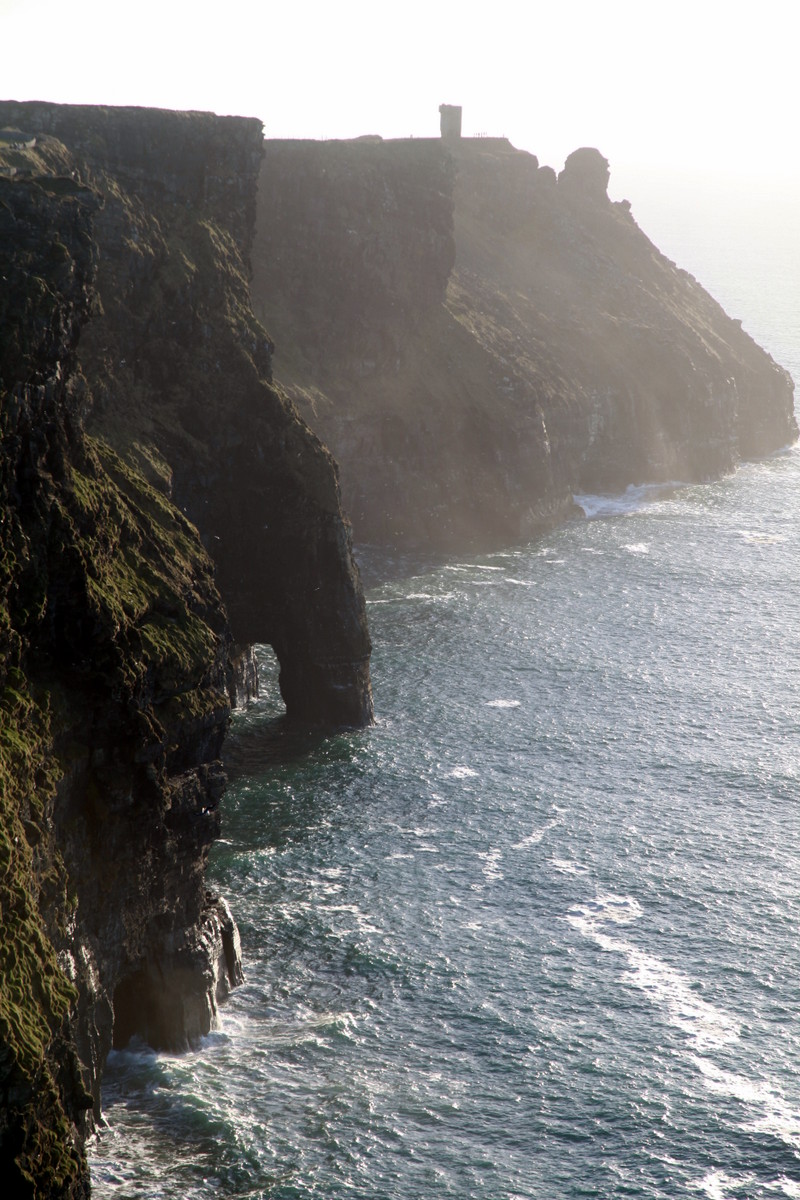
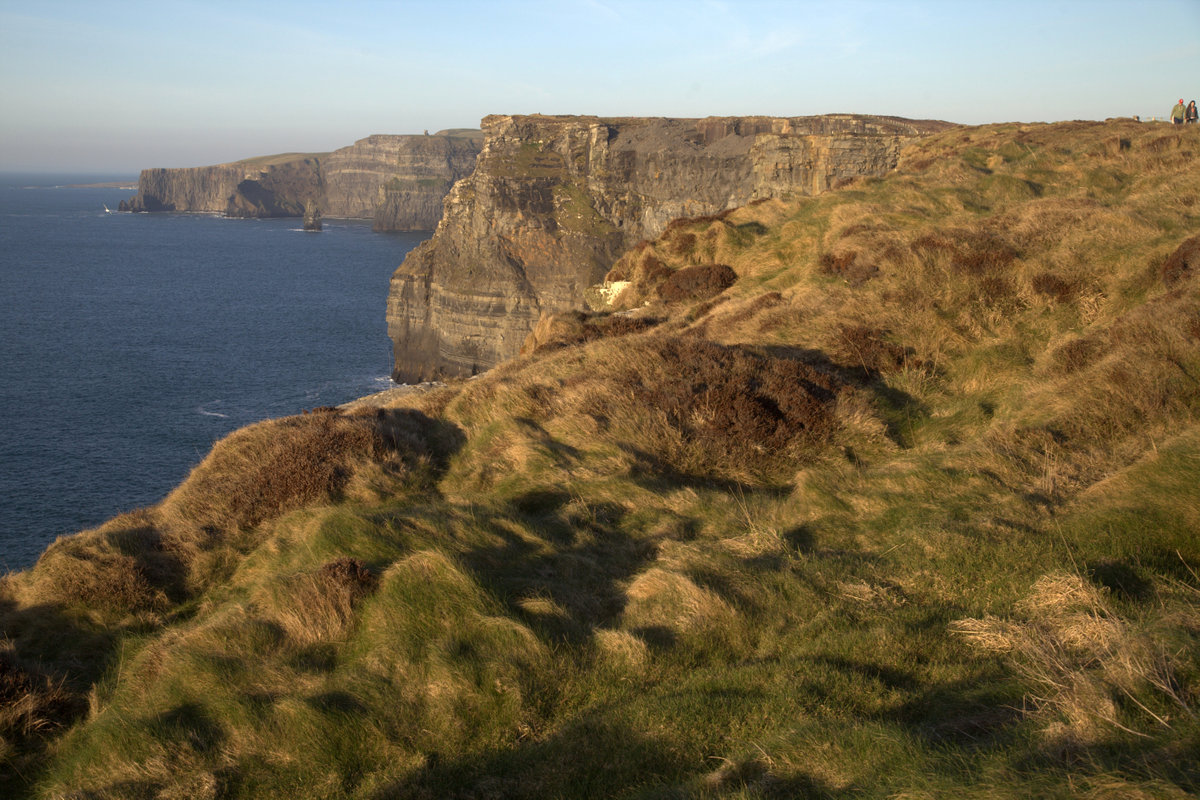
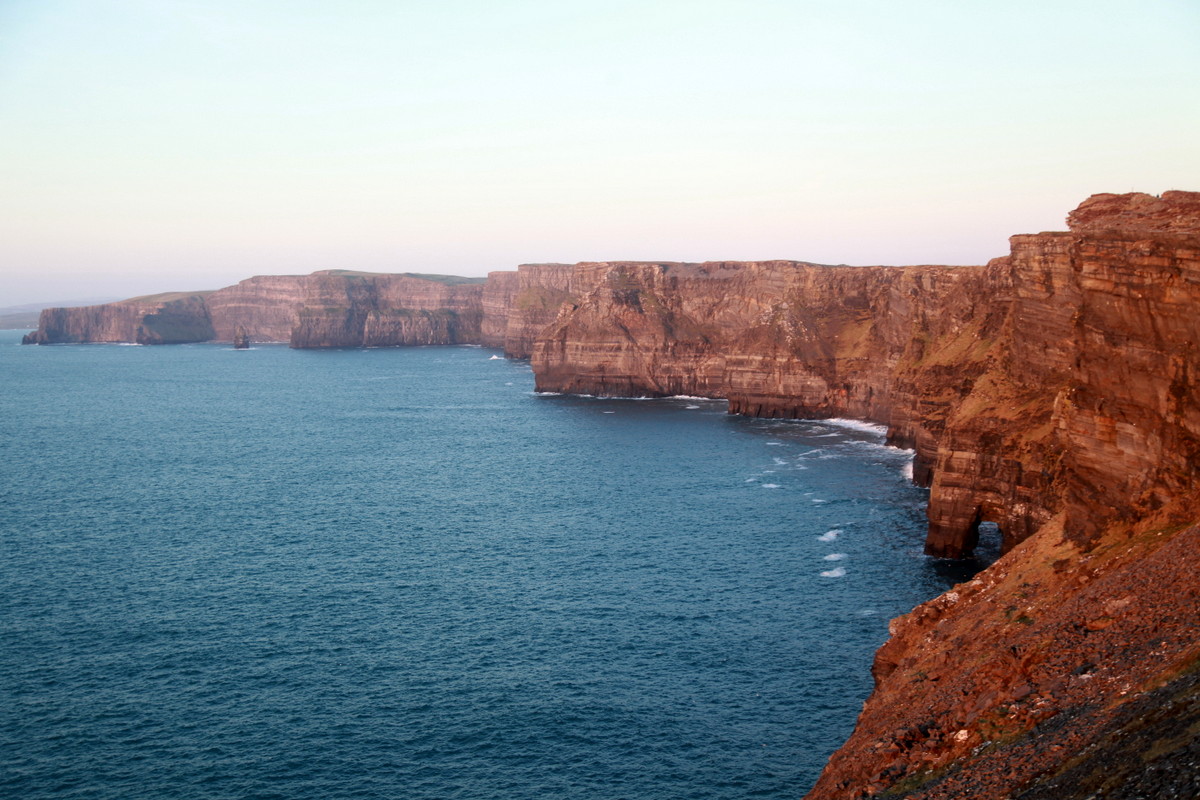
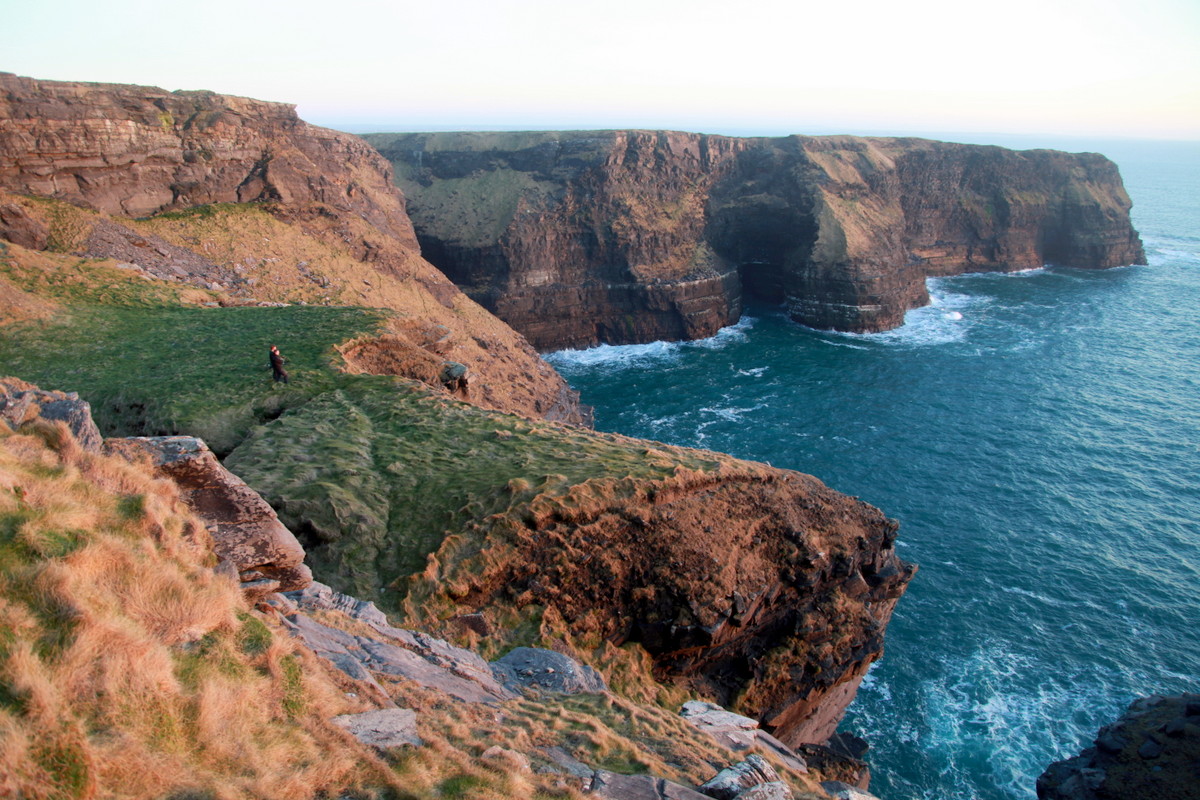
The Cliff Walk. Cliffs of Moher

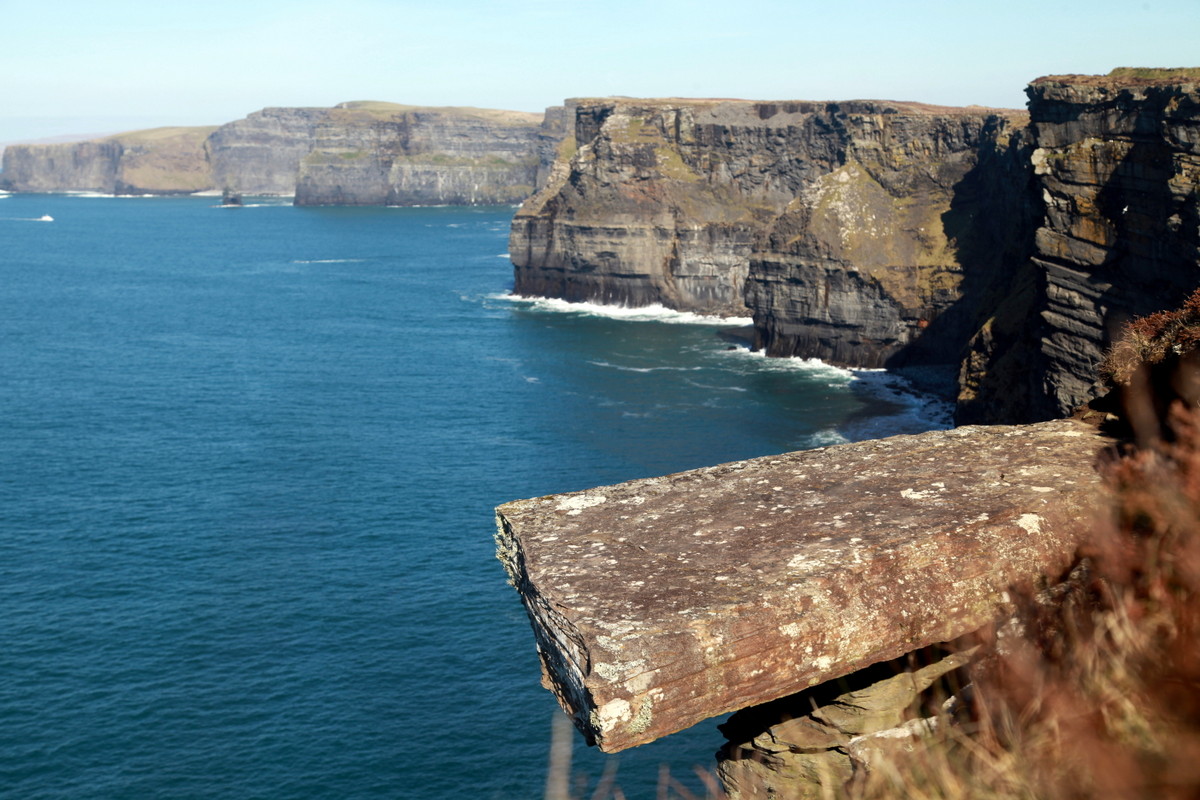
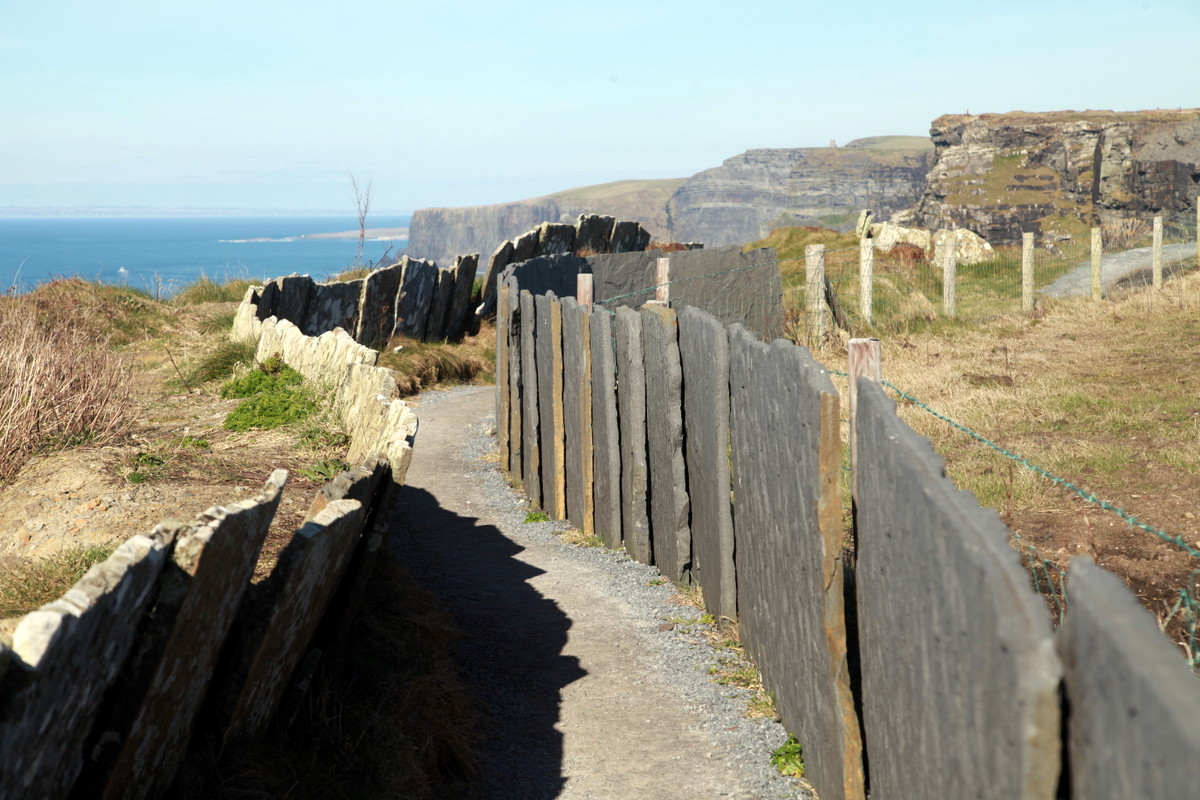
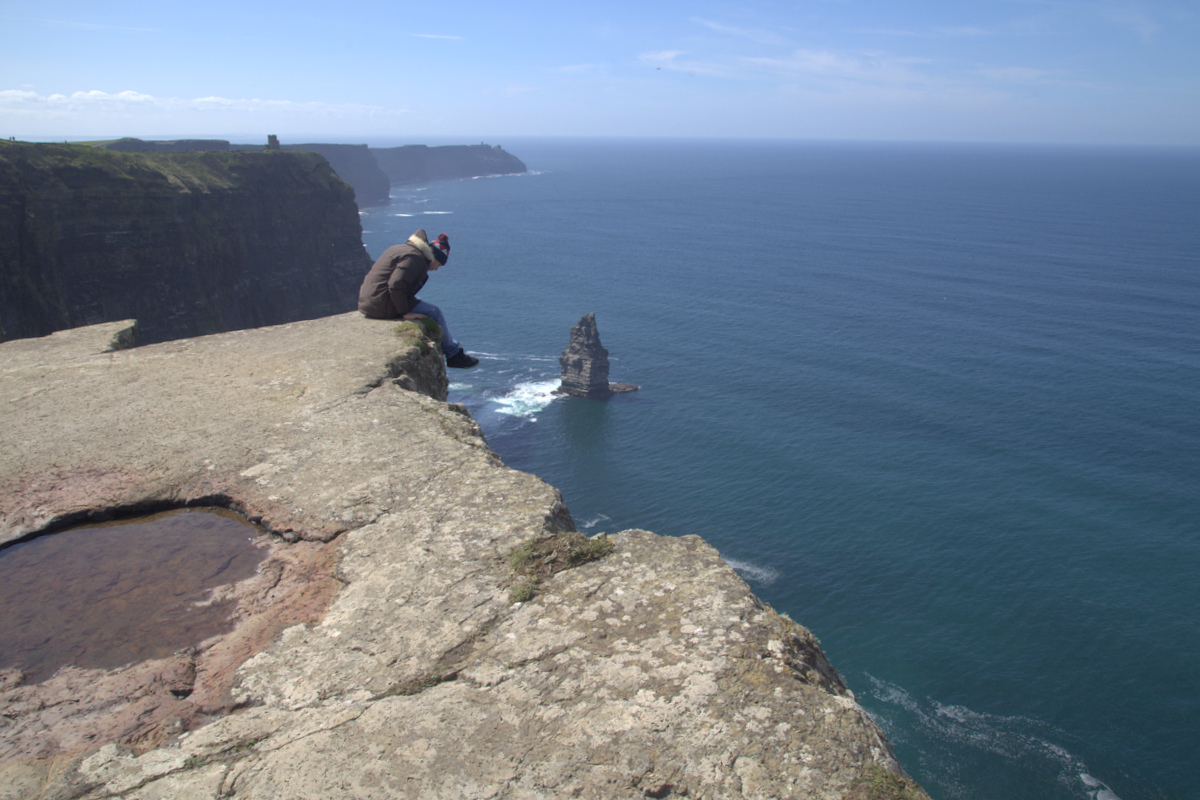
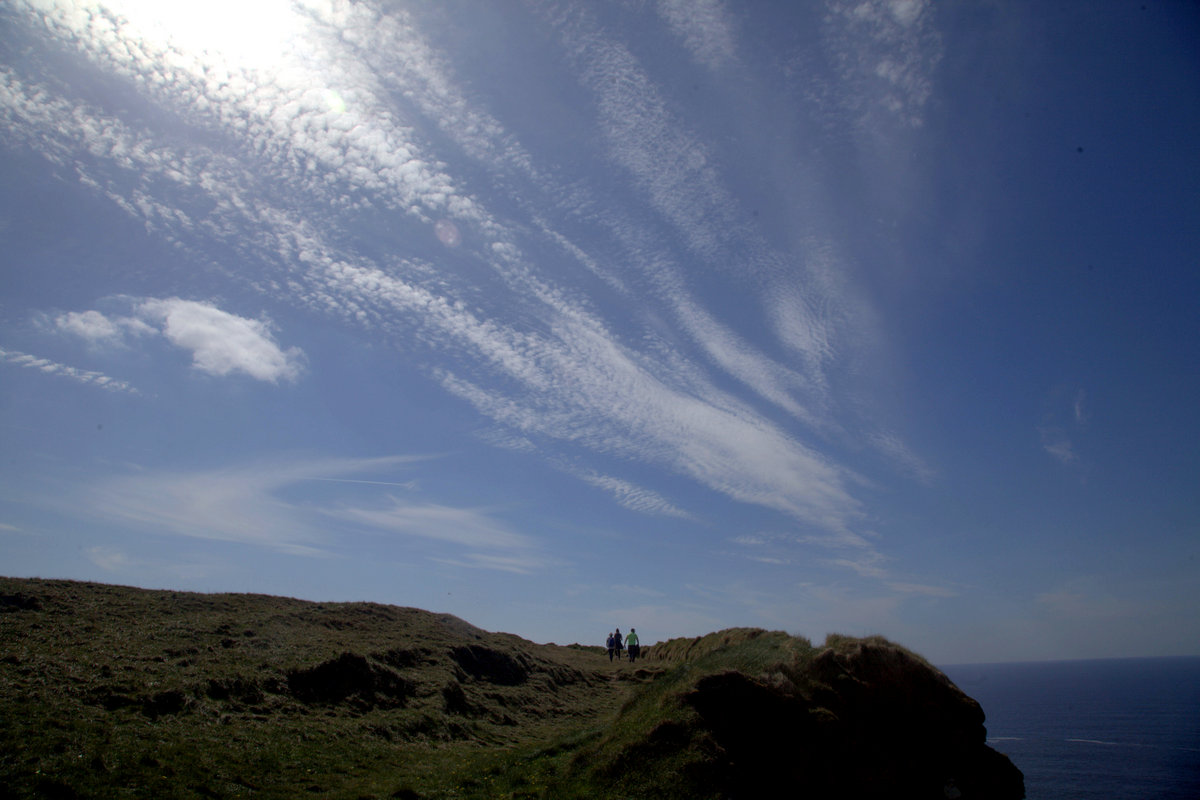
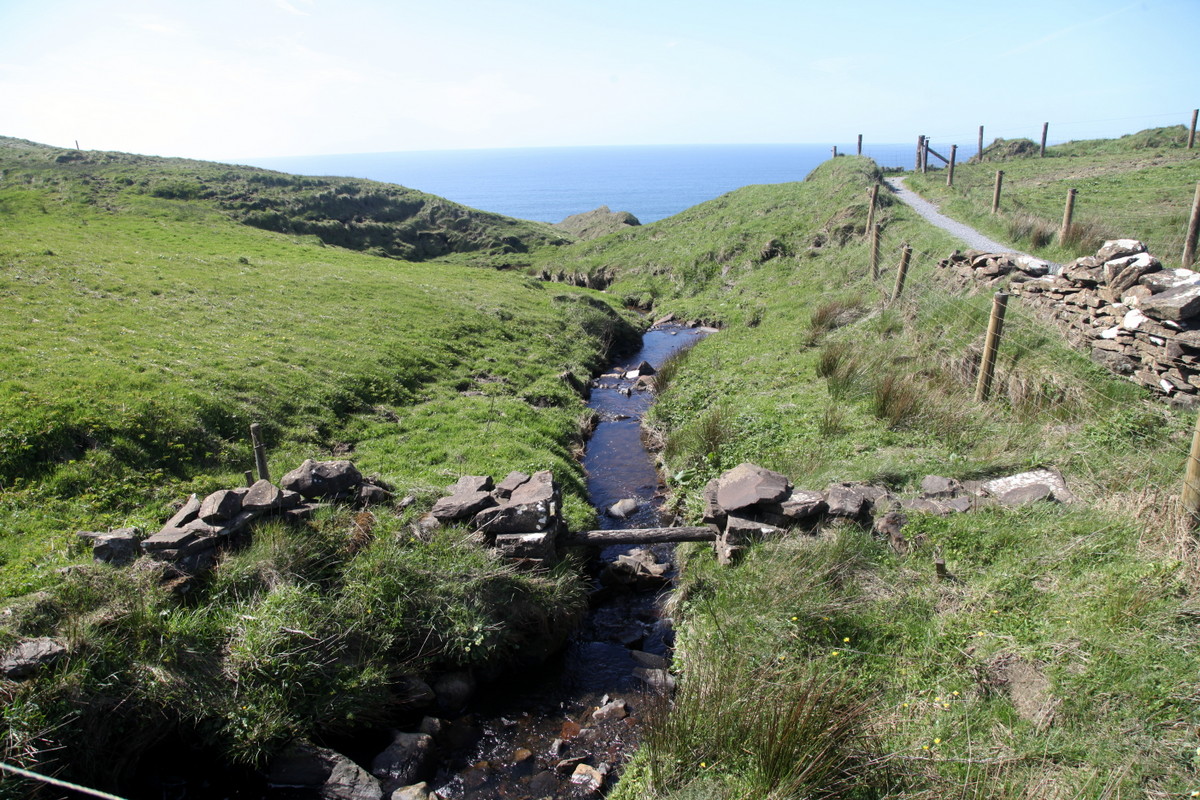
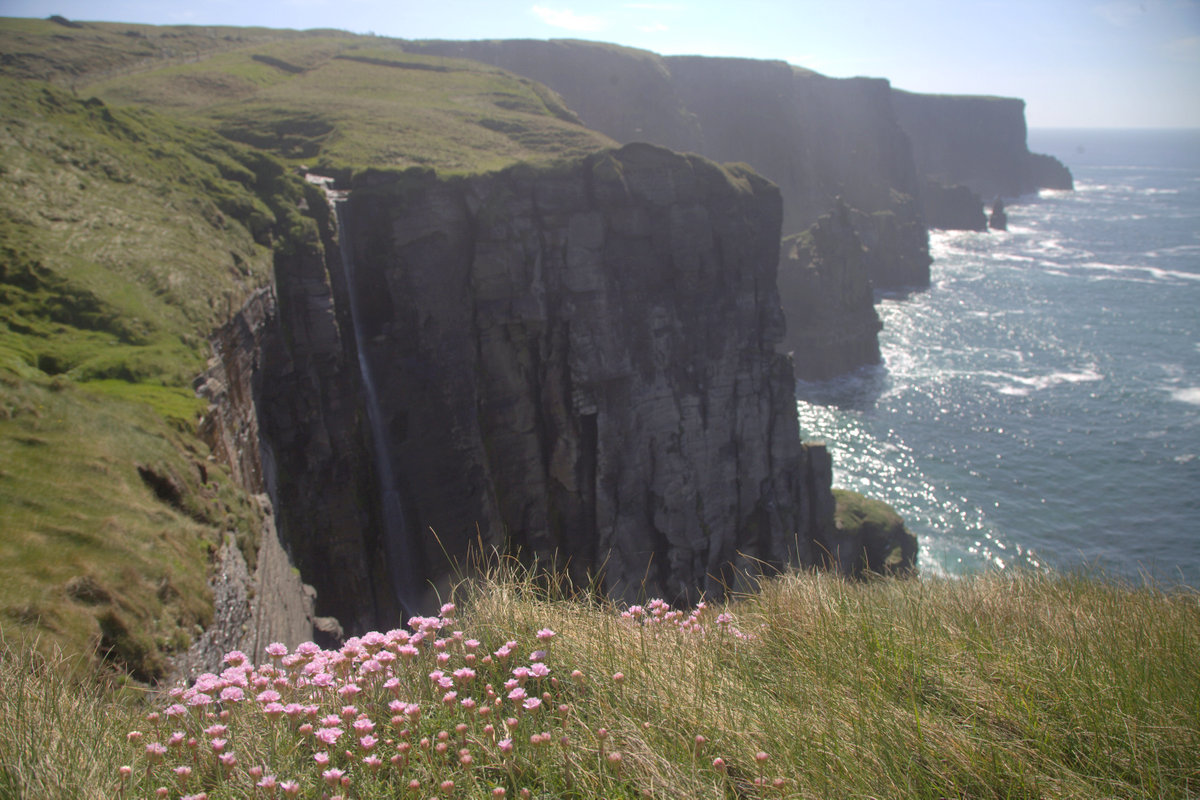
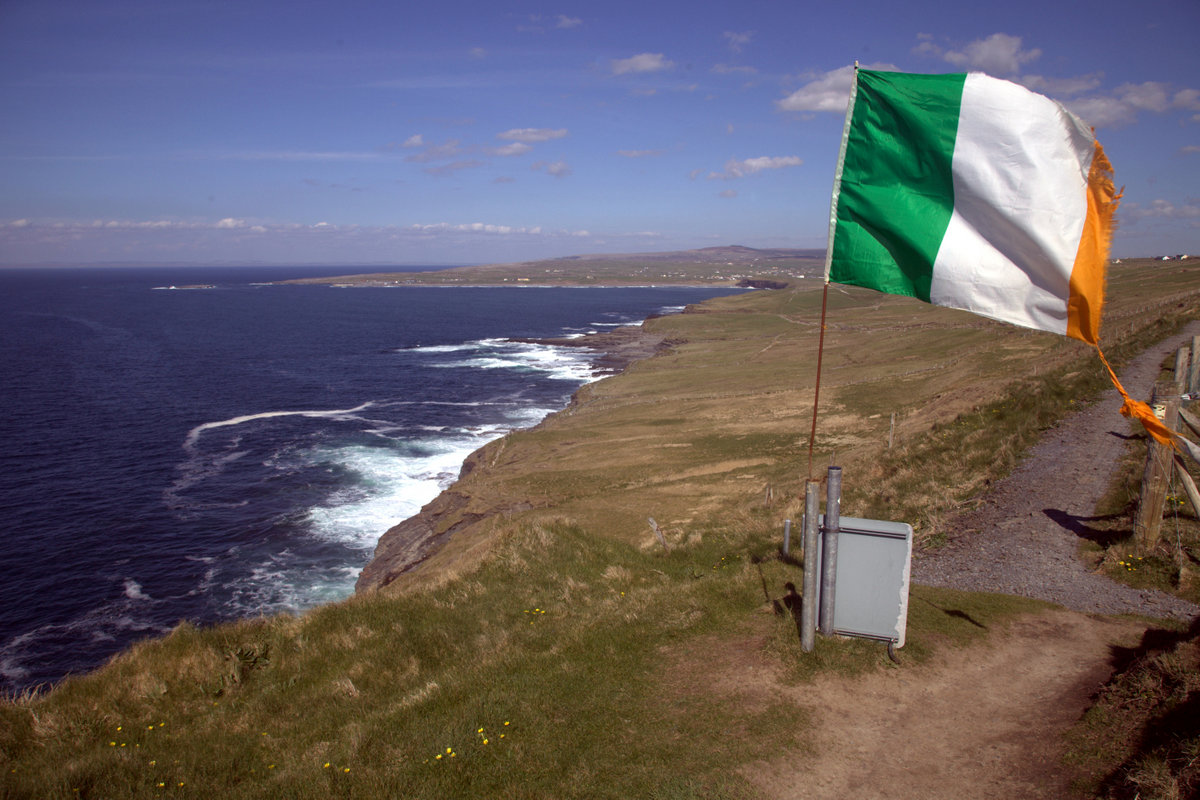
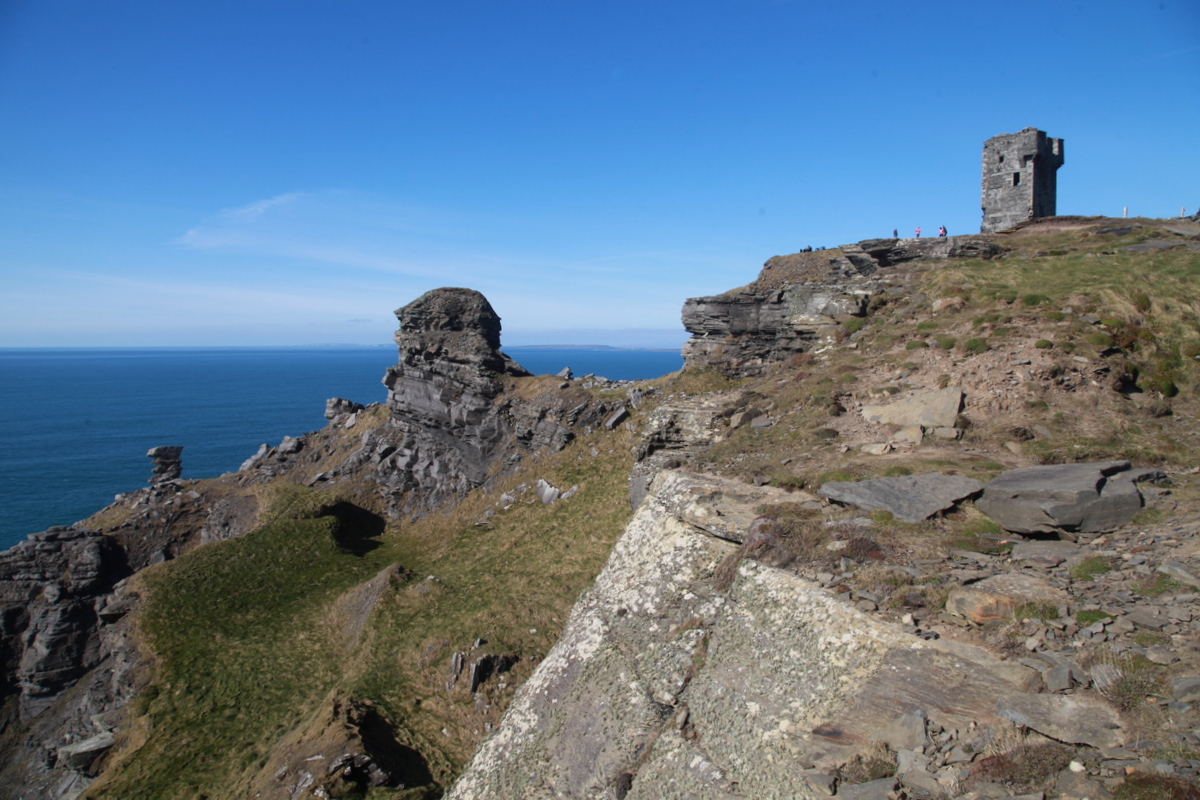
On two separate days in March and April 2015 I completed the Moher Cliff Walk. There and back was too much for one day so I did the southern half (Liscannor to the Visitor’s Centre and back) (12km) on 22nd March and the northern half  one way from the Visitor’s Centre to Doolin (8km) on 16th April. On both days we were blessed with glorious sunshine. Considering how many people visit the Cliffs – it was surprisingly quiet and you could go for kilometres without seeing anyone once you were away from the Visitors Centre.

They scare a lot of people away I think with descriptions on their web site such as “a remote, challenging and demanding trail with no barriers, handrails or seaward fencing”; “exposed cliff top path, steep ascents and descents and narrow and/or steep flagstone steps” and “The trail is suitable only for experienced walkers with a reasonable fitness level”

Hell. It really wasn’t that bad as I managed it easily, though I was totally exhausted at the end of both days.

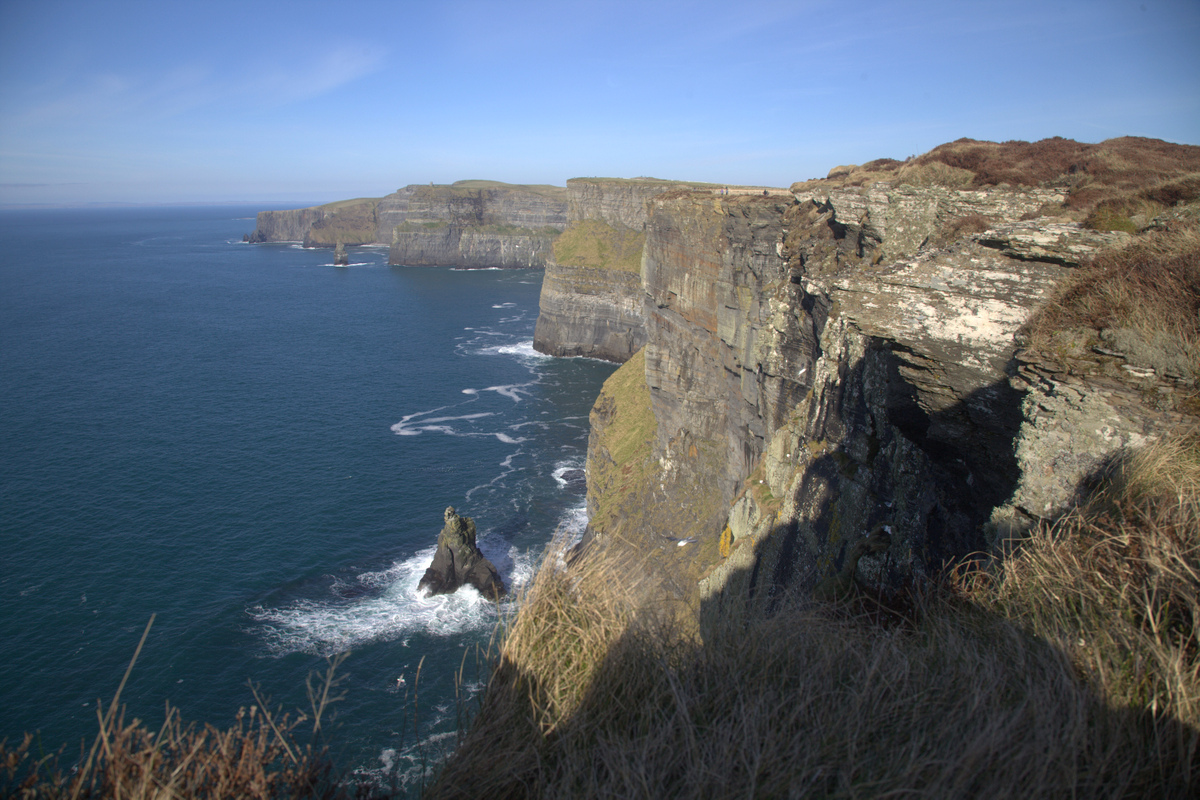
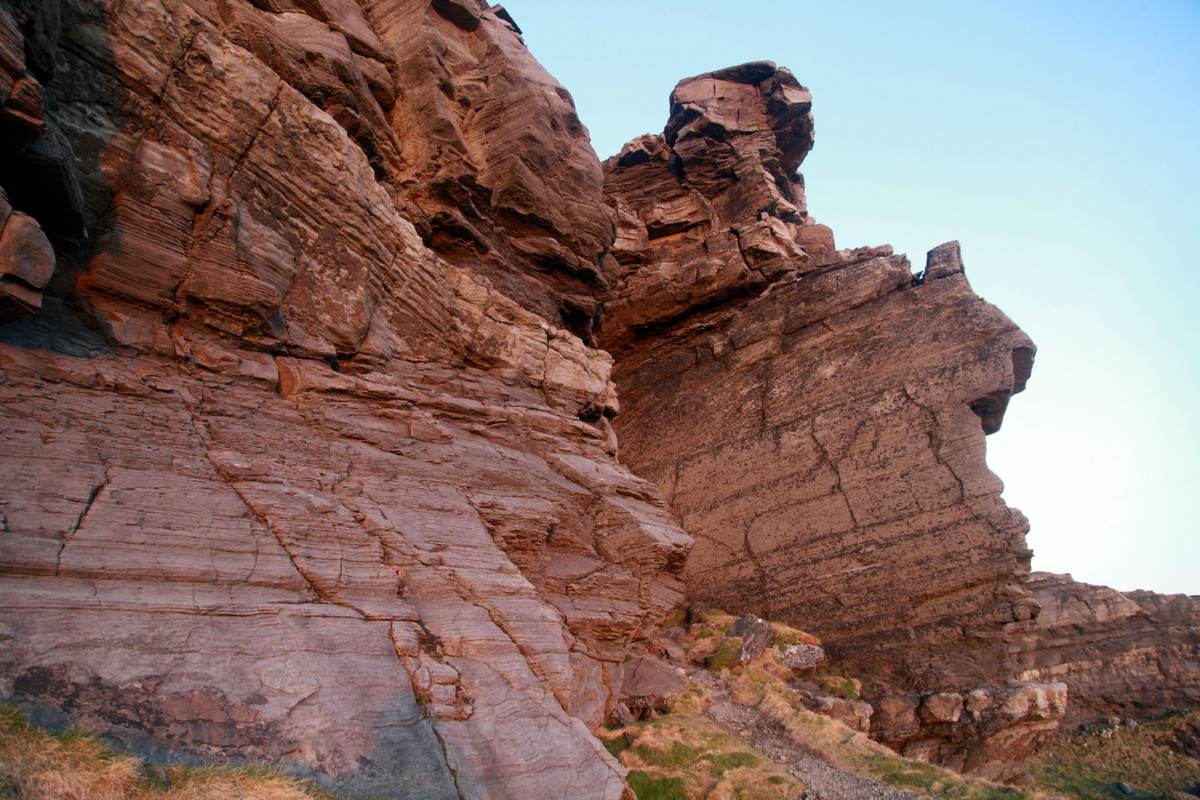
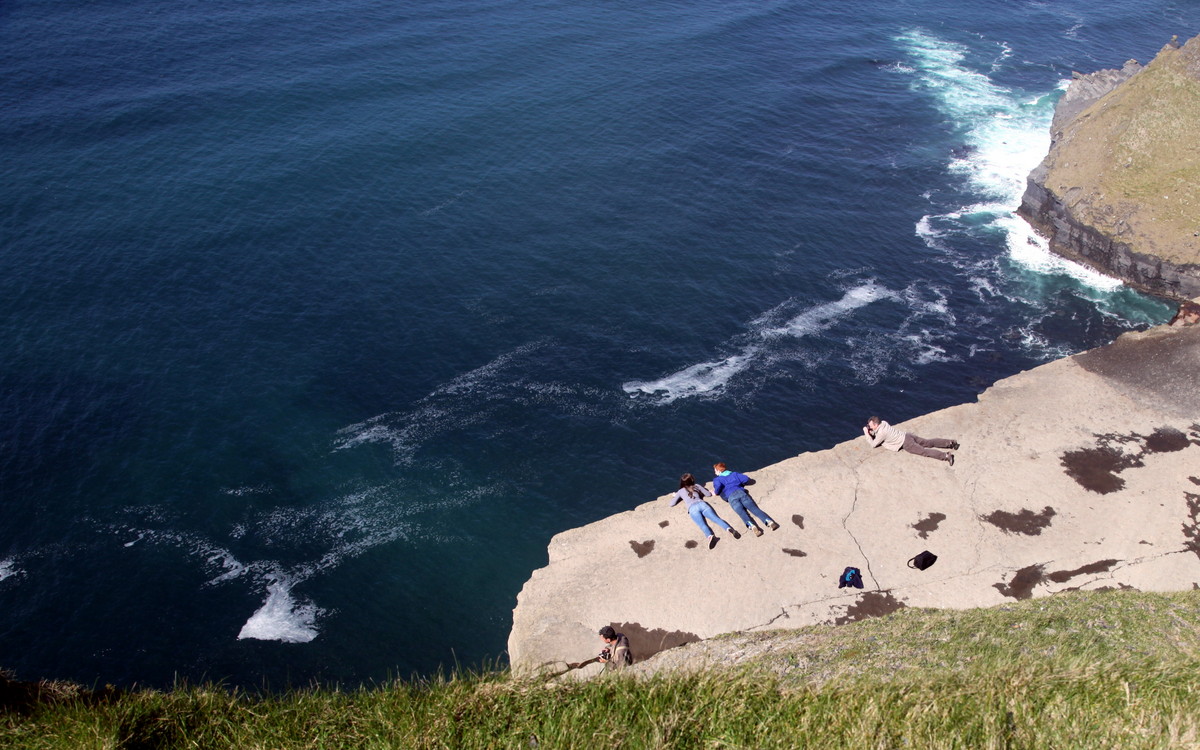
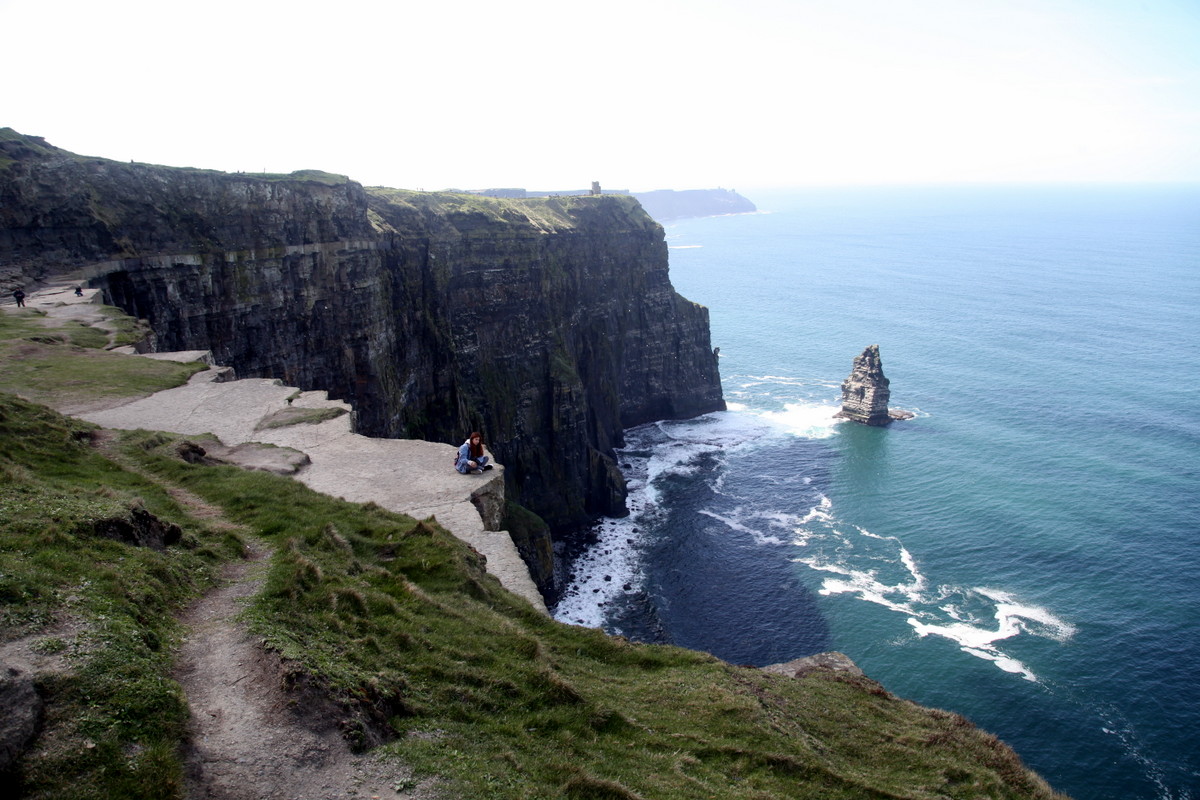
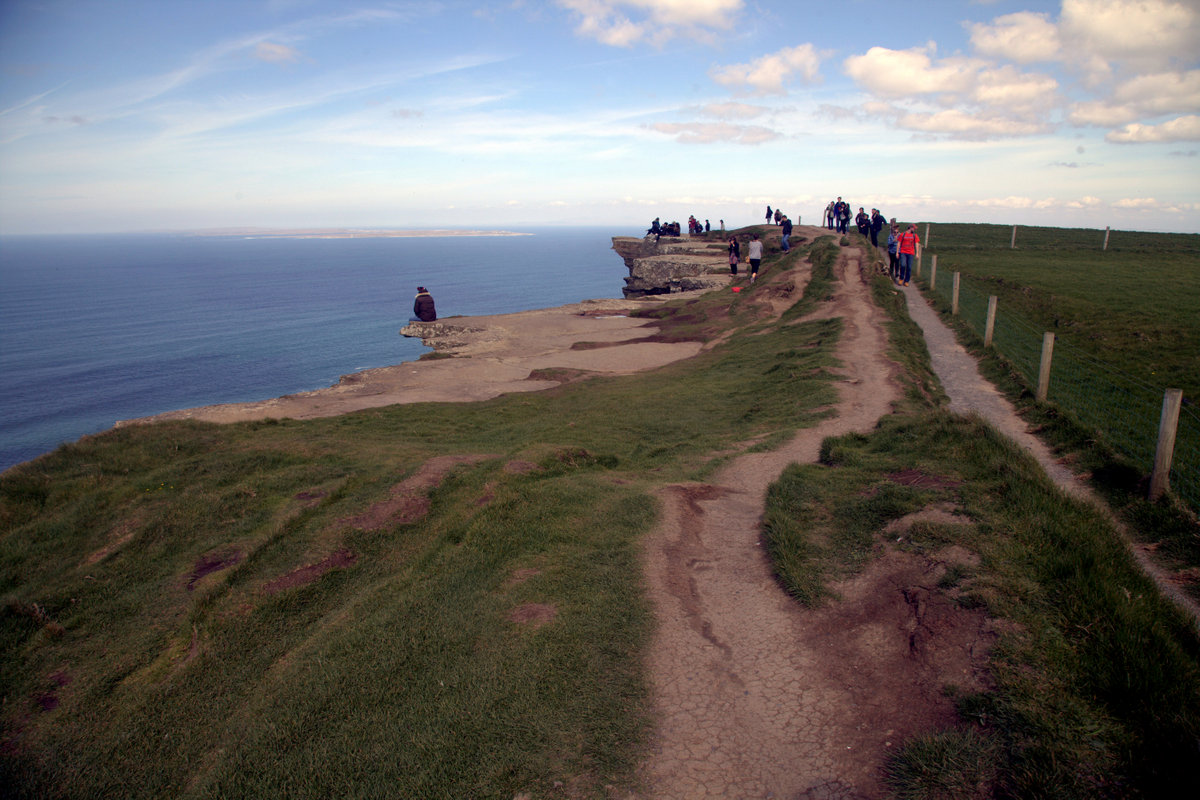
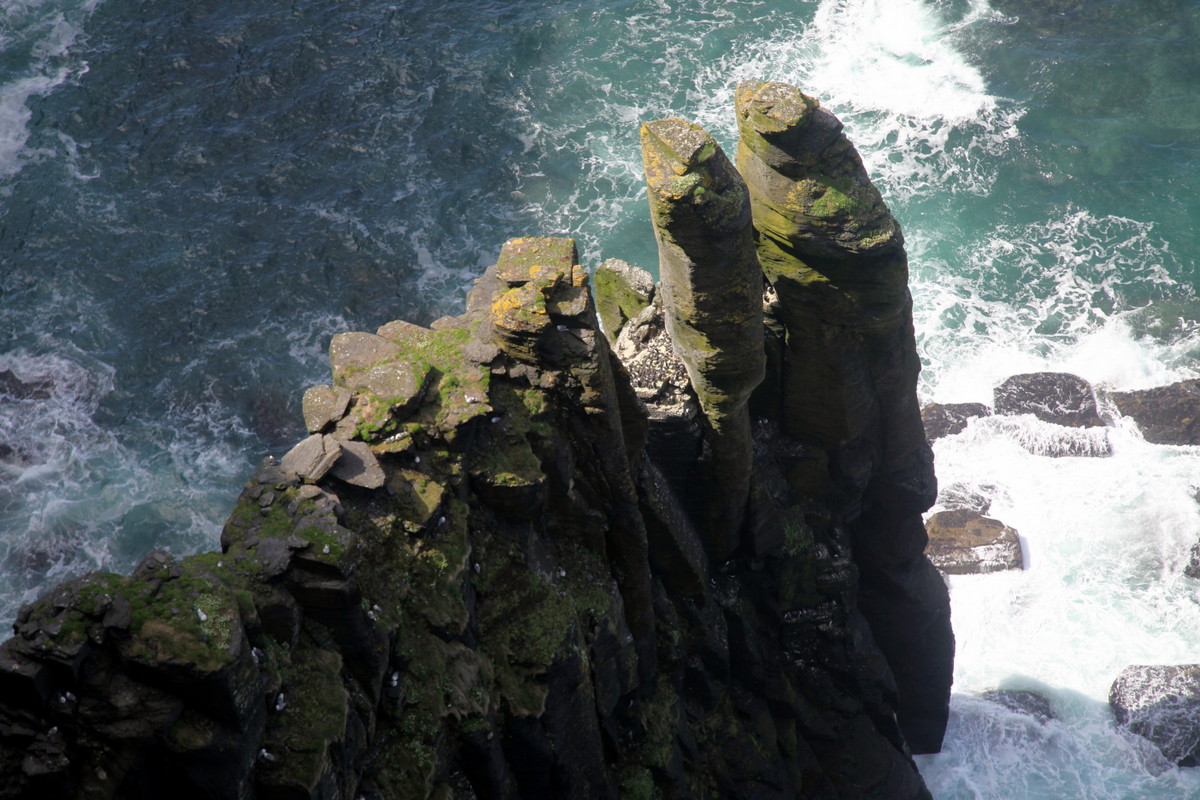
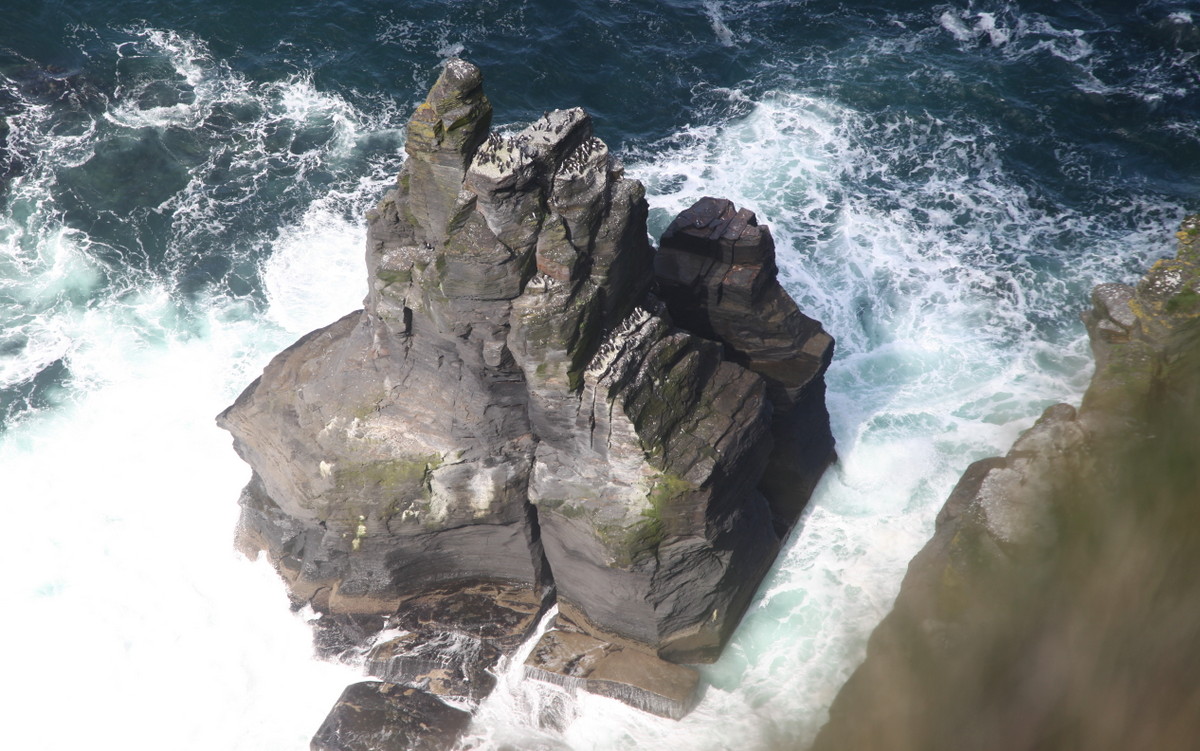
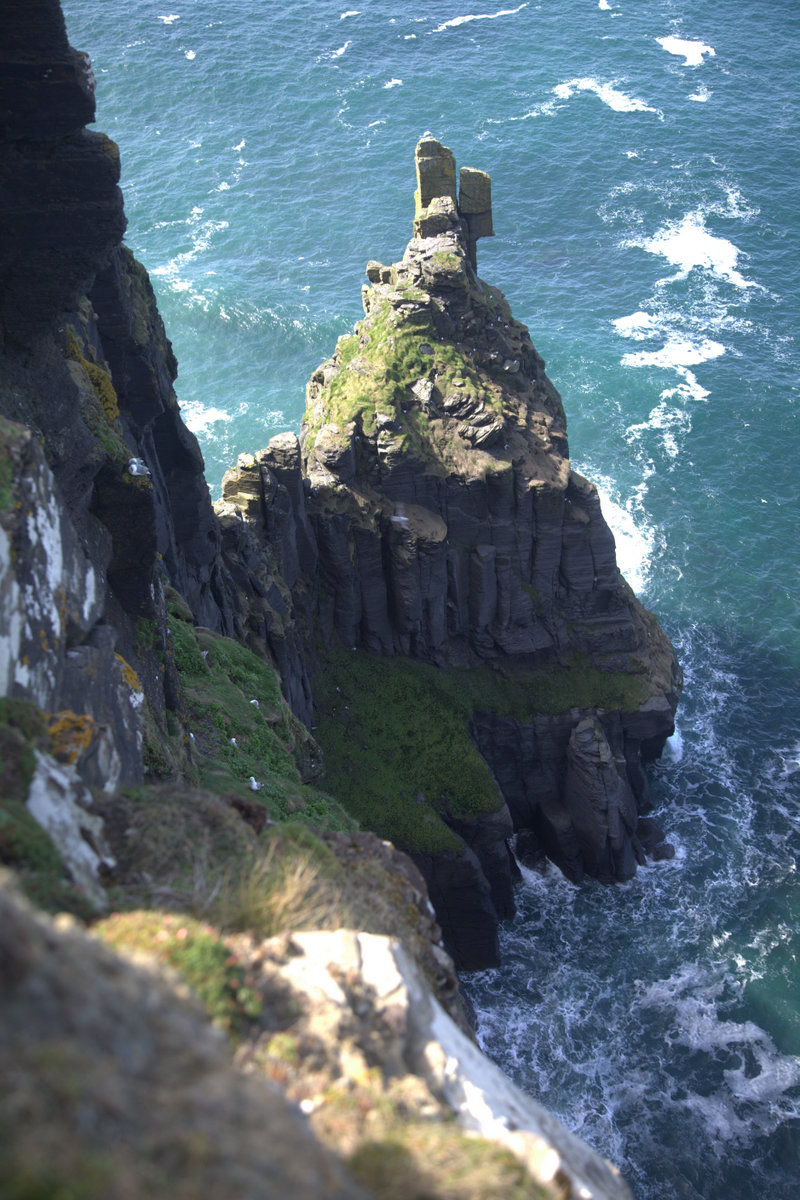
There is not really much to say as it has to be experienced. It is breathtaking. If you can’t get there soon I have taken some photos to whet the appetite.

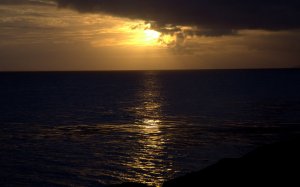
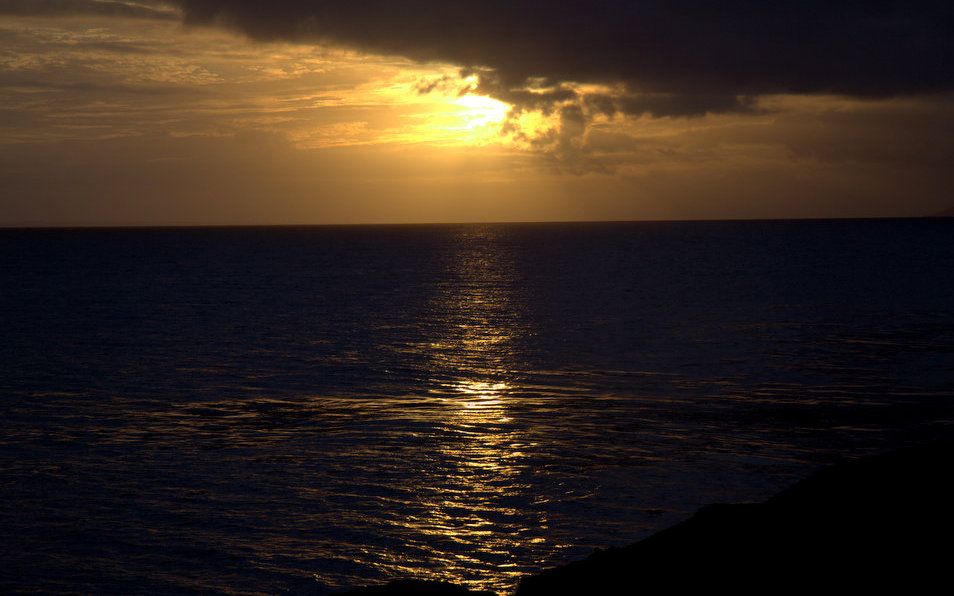
By the way if you walk it you should hang around until the sun sets. The cliffs change colour from the dull grey/purple of daytime to fiery reds and oranges to match the sky.

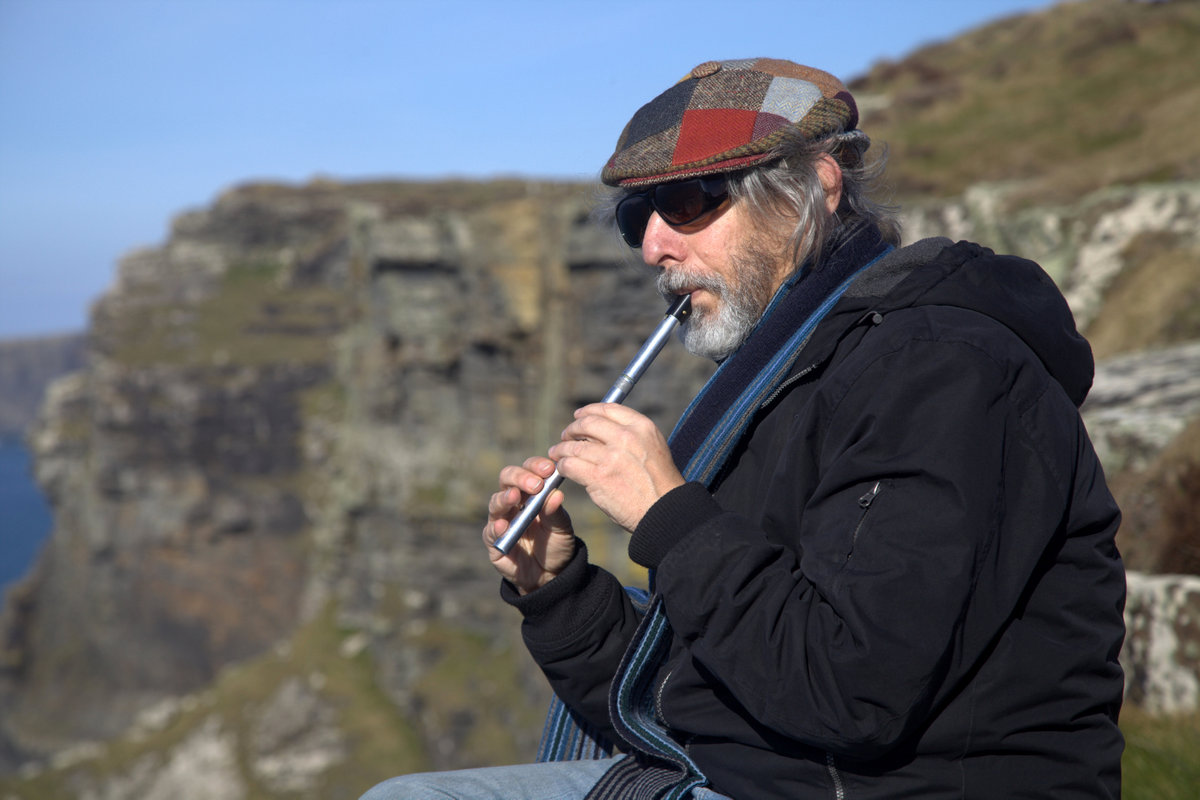
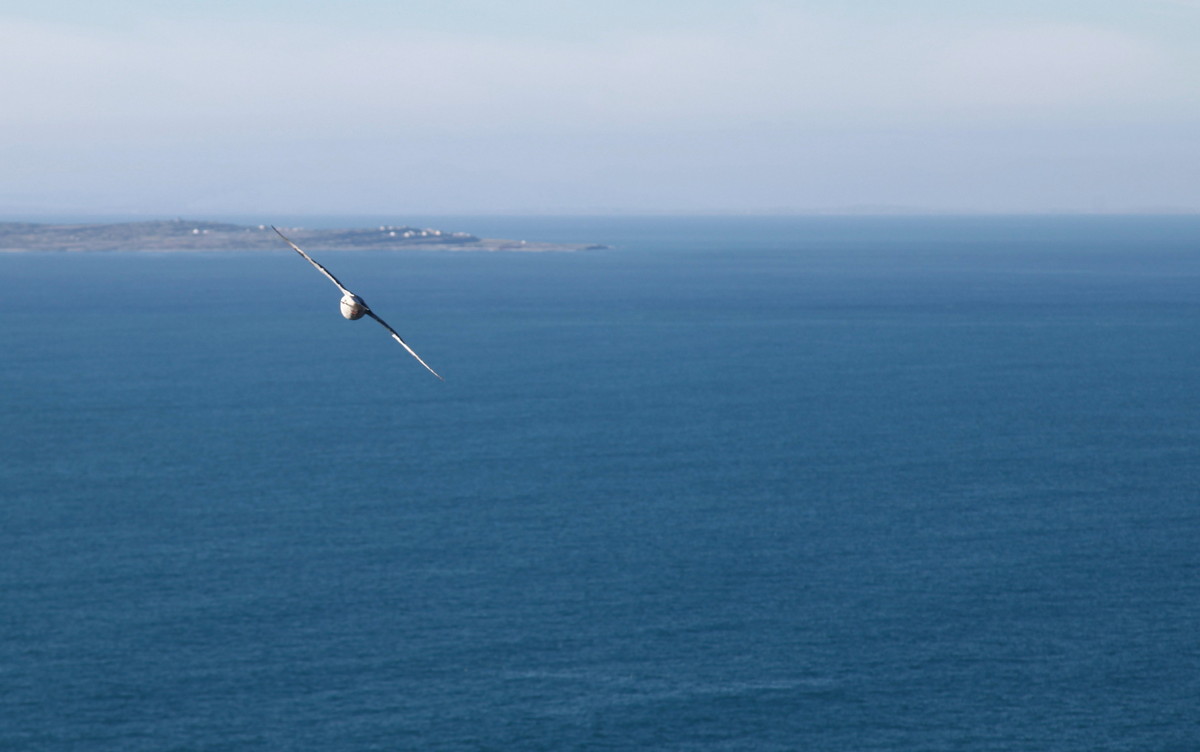
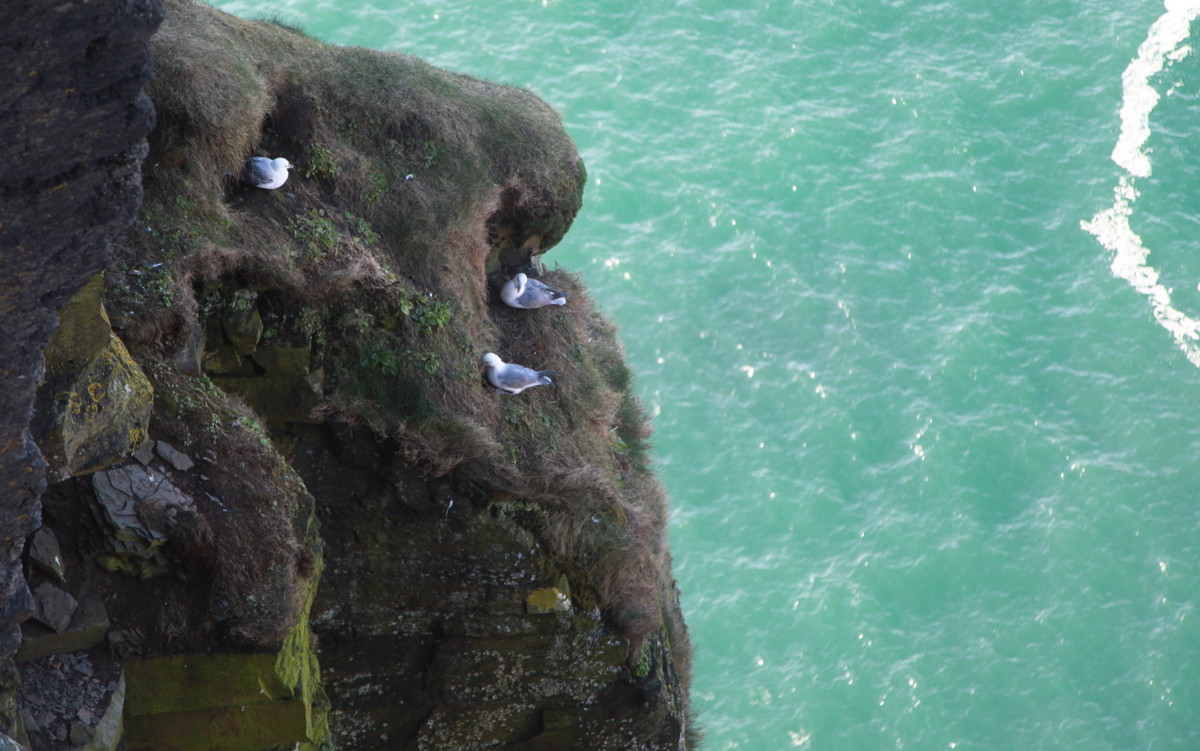
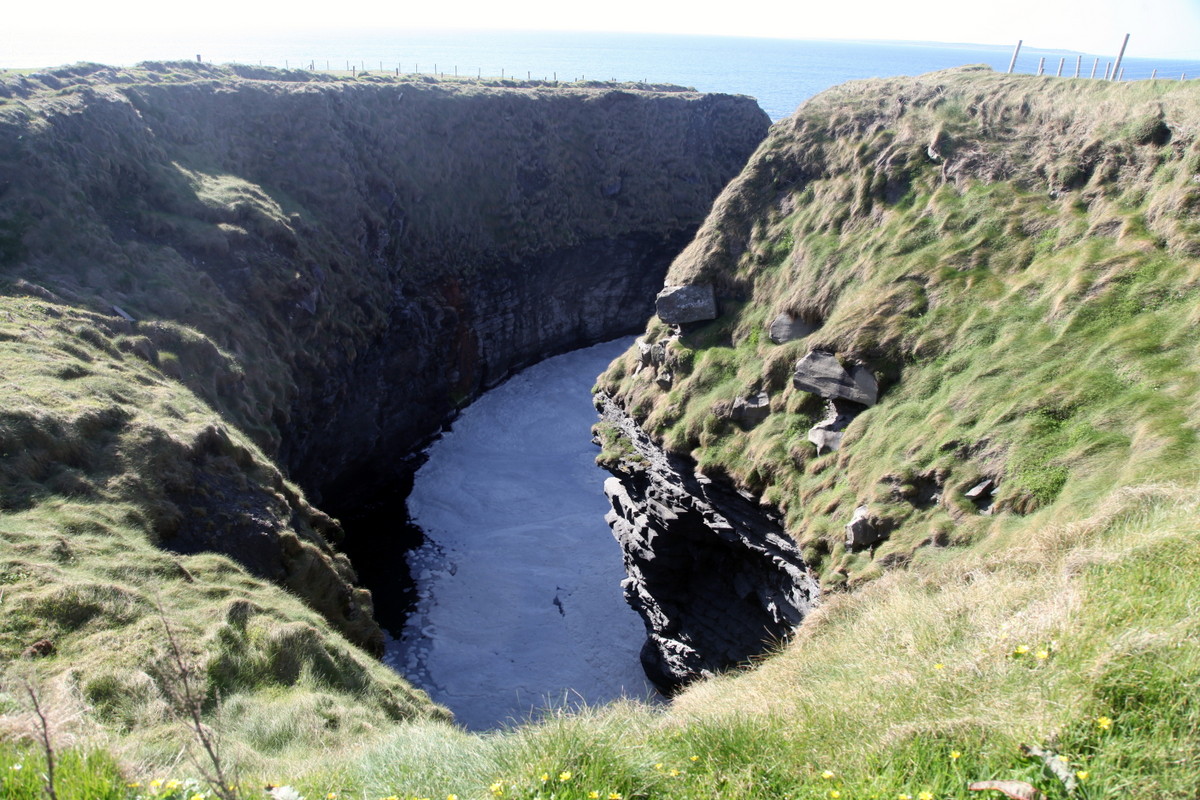
IMG_0212 IMG_0273 IMG_0285 IMG_0305 IMG_0323 IMG_0372 IMG_0381 IMG_0493 IMG_0514 IMG_0539-001 IMG_0555 IMG_0566 IMG_0576 IMG_0582 IMG_0599 IMG_0698 IMG_0736 IMG_0756 IMG_0762 IMG_0851-001 IMG_0969-001 IMG_1023 IMG_1026 IMG_1111-001 IMG_1181 IMG_4343 IMG_4345 IMG_4354 IMG_4362 IMG_4390 IMG_4415 IMG_4440 IMG_4455 IMG_4461 IMG_4469 IMG_4473 IMG_4538 IMG_4583 IMG_4595 IMG_4612 IMG_4618 IMG_4625 IMG_4665 IMG_4682 IMG_4685 IMG_4761 IMG_4894 IMG_4927 IMG_4928 IMG_4947 IMG_4957

Categories: My Journey, Wild Ireland | Tags: , , , , , , , , | 1 Comment

Man of Aran

What is it about islands? Why do they have such appeal to us? All around the world they are treasured as special. Sometimes the residents are fiercely protective. In Australia we have many that hold a singular place and I was lucky enough to live on one such of these – Magnetic Island on Australia’s Great Barrier Reef. There are others though; Rottnest Island, where you can’t live but it is still very dear to the heart of Perth people, or Kangaroo Island off South Australia, or the beautiful Lord Howe Island among them. Ireland has a few too, such as Tory, Achill, Skellig and of course the Aran Islands.

Mention the Aran Islands and you immediately have my attention. The place has a mysterious lure. Despite knowing little about it (except that it is where the Clancy Brothers got their jumpers from and one of the most omnipresent tunes in sessions around the world is named after one of the Islands) it was a place I felt I must visit. I have been on two separate occasions. First, on a freezing summer’s day in July 2014, to Inisheer for an overnight stay; and more recently over three glorious sunny, warm days in April 2015. That’s Irish weather for you – freezing in Summer and hot in Spring!

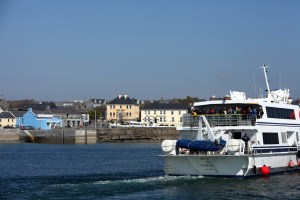
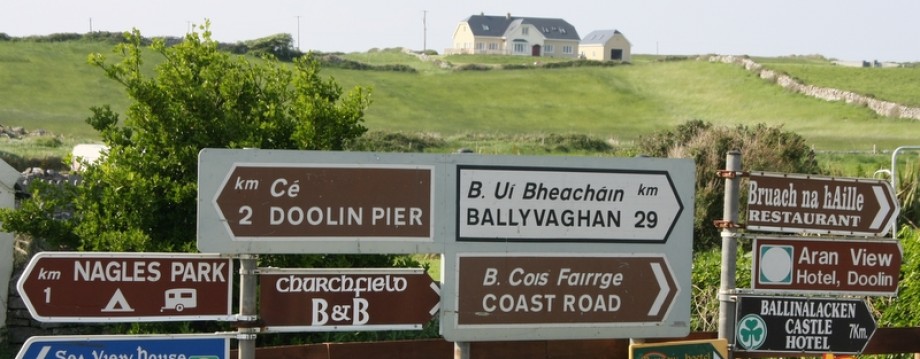
The Islands are accessed either from Galway or Doolin, in my case for both trips I took the boat from Doolin, half an hour from my home in Caherush. My first visit was a spontaneous decision based on the fact there was blue sky in the morning. Of course by the time the boat left the weather had turned and the squally rain and howling wind off the Atlantic made for a very rough half hour crossing which took over an hour as we were buffeted by giant waves. At one point we stopped in the middle of the ocean in a futile attempt to retrieve a feral buoy. This was in contrast to my trip to Inis Mór when the sea was mirror calm with not a ripple. So I saw the islands in its various moods.

Ferry to Inisheer.  Rough seas with Cliffs of Moher in the background Arriving Inis Mor

Inisheer SunriseHarbour at Kilronan.  Inis Mor

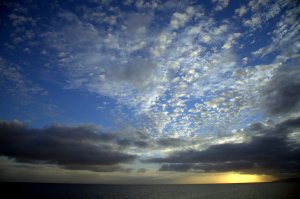
Inisheer Inisheer.  Early morning sky

Technically the islands are part of Galway, but geographically, geologically and culturally they belong to Clare as the three Aran Islands are an extension of the Burren.  They all have that wild inspiring landscape that I found so enriching in north Clare and that I have blogged about before. https://singersongblog.wordpress.com/2014/06/20/the-burren/

https://singersongblog.wordpress.com/2014/08/29/the-burren-again/

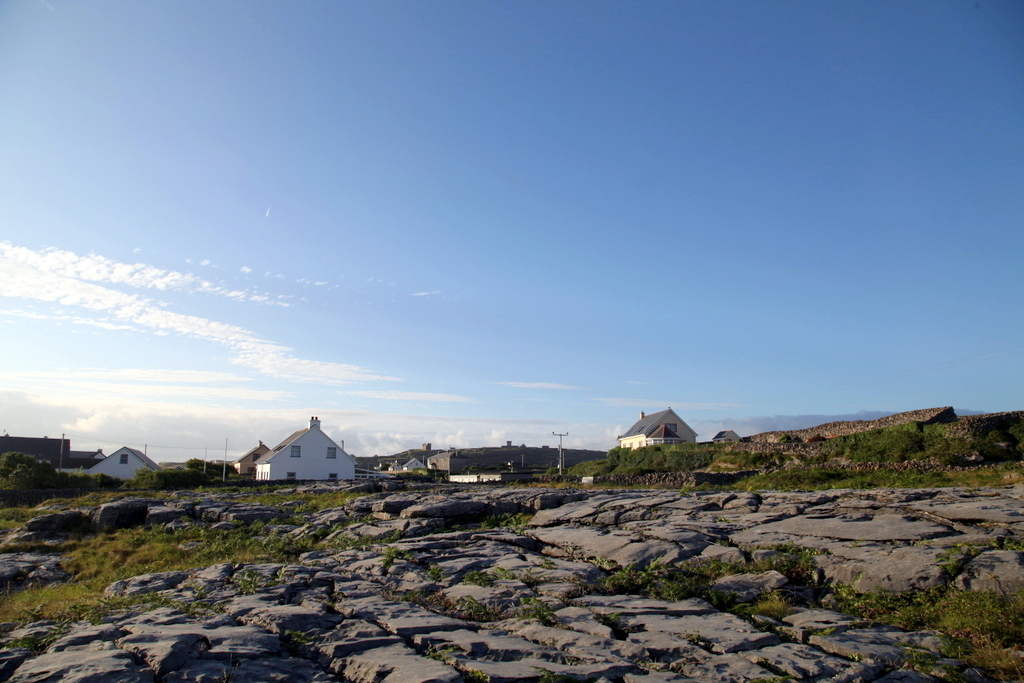
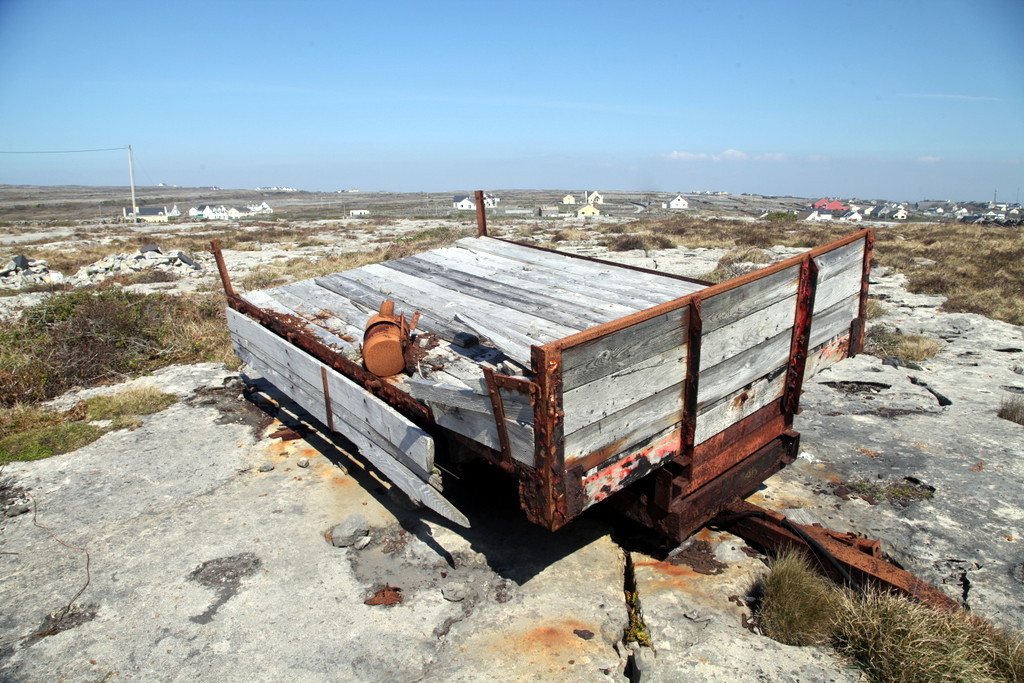
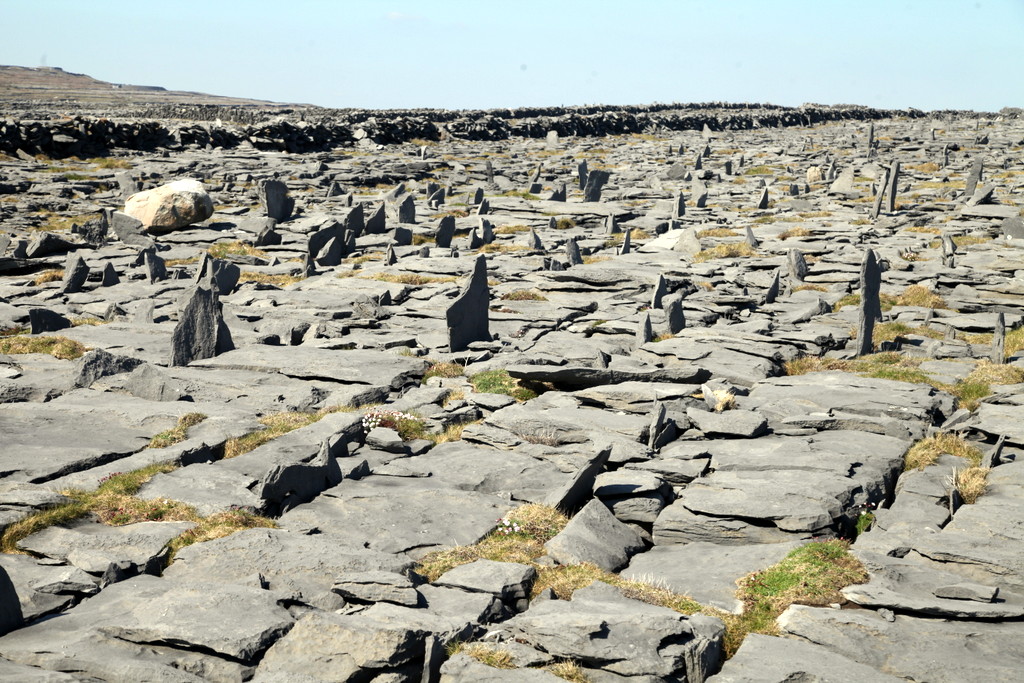
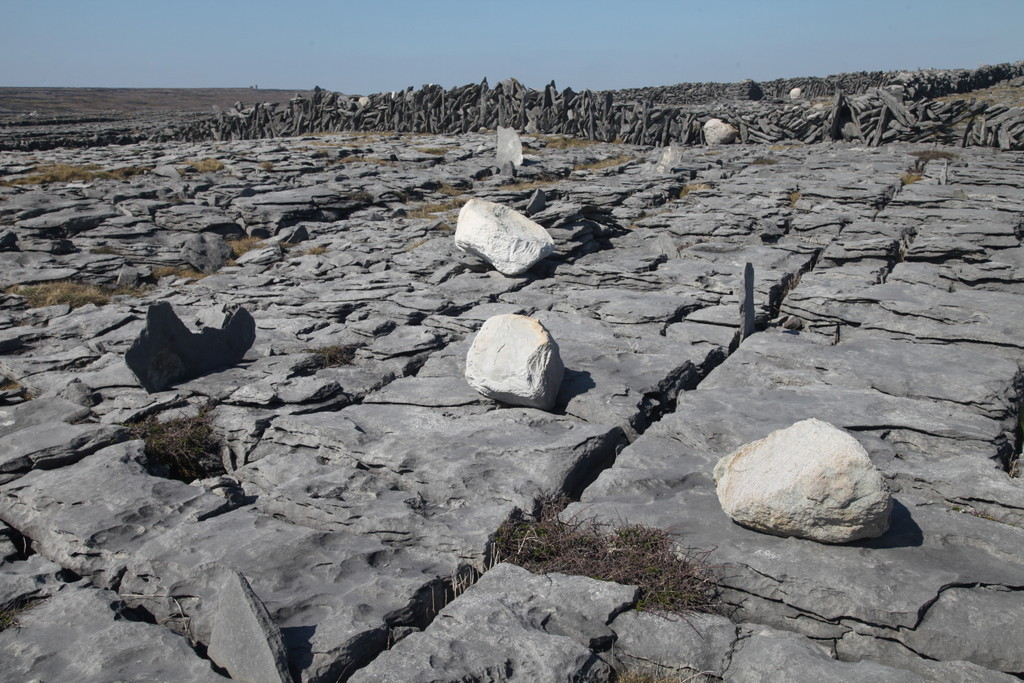
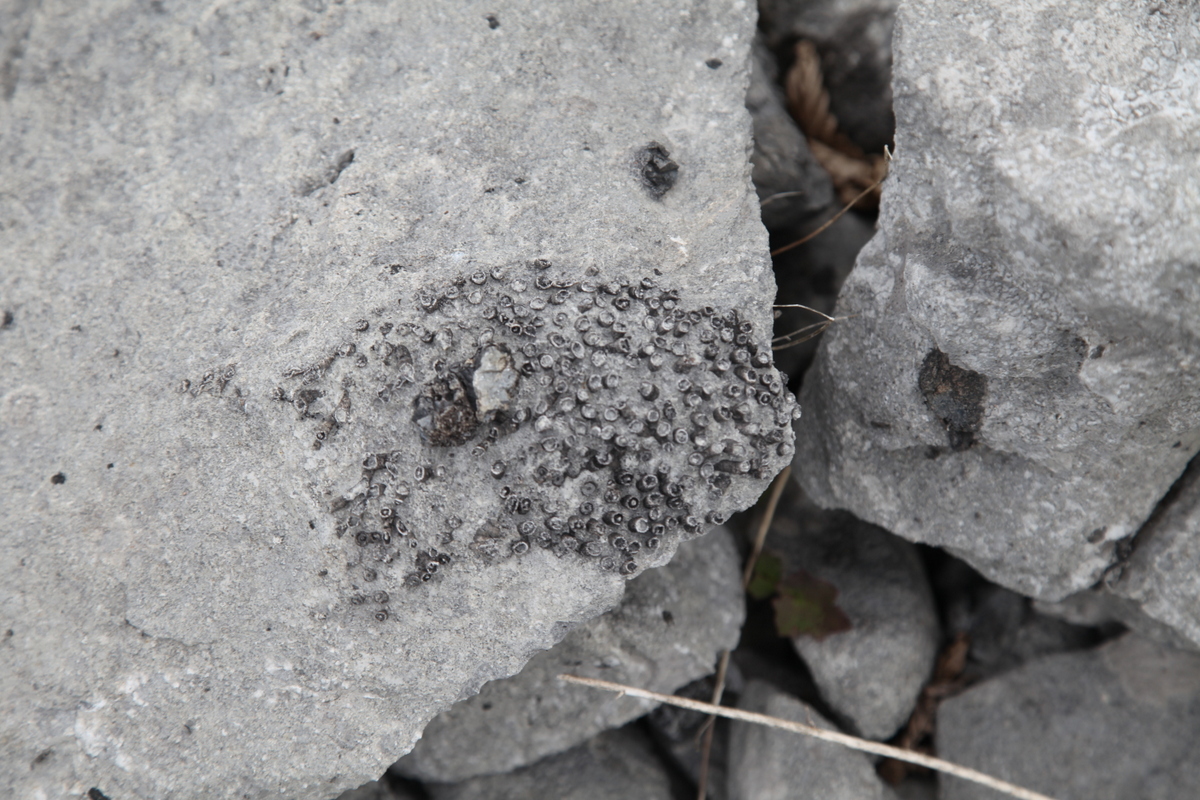
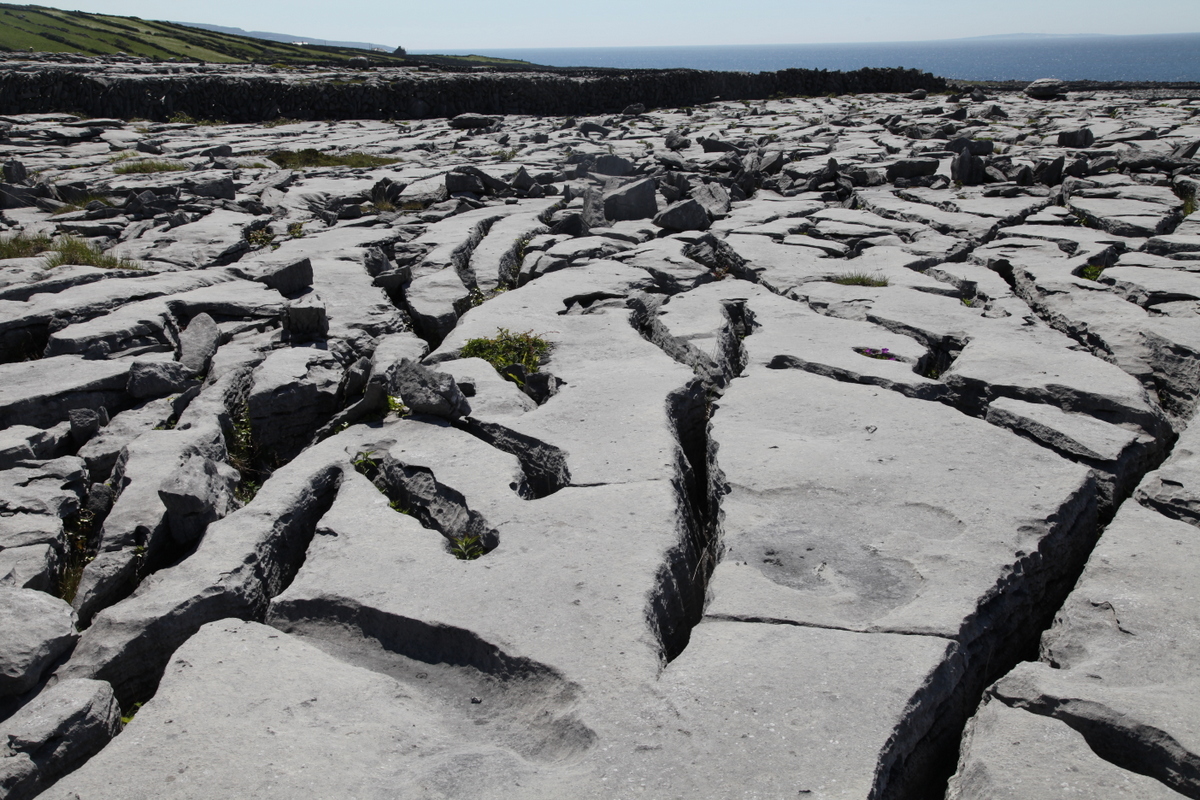
All the features of the Burren are there. Sometimes better exposed than on the mainland: clints, grykes, rillenkarren, dolines, kamenitzas, glacial erratics, fossil shells and corals, limestone pavements, but with the ever present Atlantic around almost every corner.

So back to my first question. With the Aran Islands, is it that inconvenience mixed with expectation that getting there involves that makes it attractive to visitors? Or that feeling that once there you are completely cut off (well maybe not now with smartphones).   Or the slower pace? How would it be to actually live there?

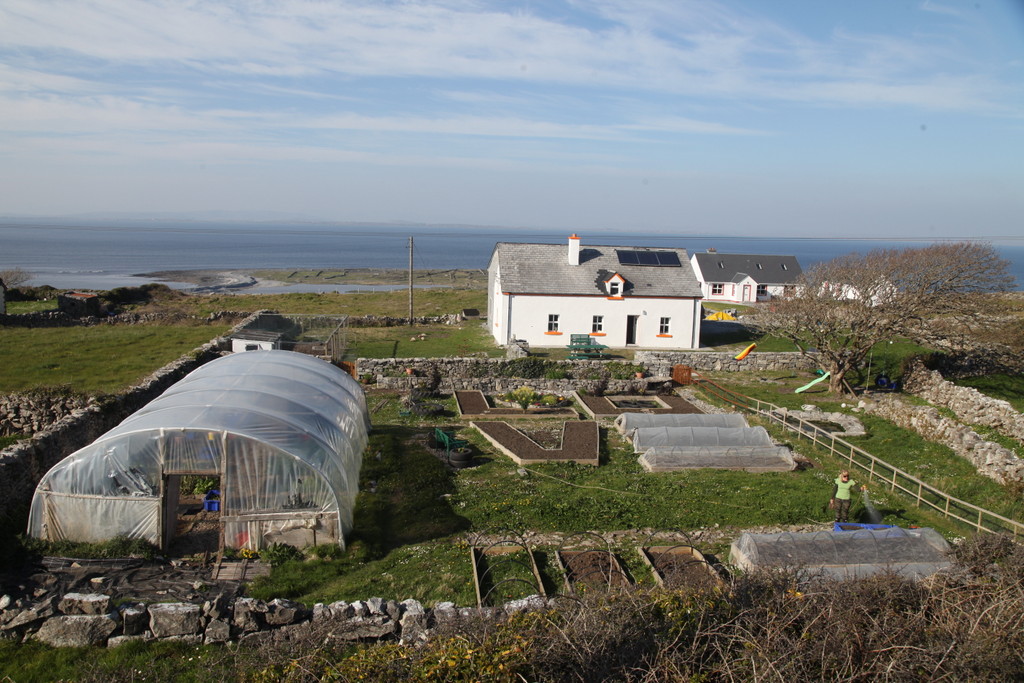
Of course many do and Melissa and Johnny Gillan and their five children are among them.  Melissa is from Maine and married an Irishman from Aran who after their second child convinced her to leave the States and start a new life on Inis Mór. Melissa tells the story way better than I could on her blog (which is how we met) http://thearanartisan.com/2014/11/08/i-live-in-aran/.  I have never seen anyone happier. She now has five kids and an enviable lifestyle where she has created a paradise – a garden that sustains her family within this harsh environment and is moving towards her dream of starting a business based on this. The whole family is involved, with the kids nurturing the garden and animals with a sense of pride. Her philosophy is captured by the layout of the garden beds which spell the word LOVE and which was revealed with delight by her kids after an enthusiastic guided tour. I was invited to dinner there one night, which comprised razor clams gathered on the shore, a tuna steak from a fish caught by Johnny’s brother off the coast, potatoes, carrots, kale, rhubarb crumble and a parsnip cake. All from the garden and made with skill and affection. The kids embrace the lifestyle. I was reminded a little of the zest for living my own kids had on Magnetic Island for the three years we lived there. Melissa and Johnny may not be your typical Aran family, I don’t know, but I also met Cóil and Grainne, both young islanders who gave up their day to show me around their island with an obvious pride. I was greeted with nothing but warmth and hospitality.
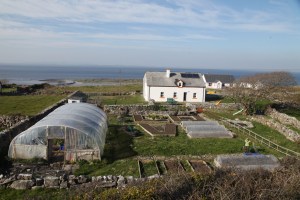
Melissa Gillan's grarden Inis MorThe Gillan family.  Inis Mor

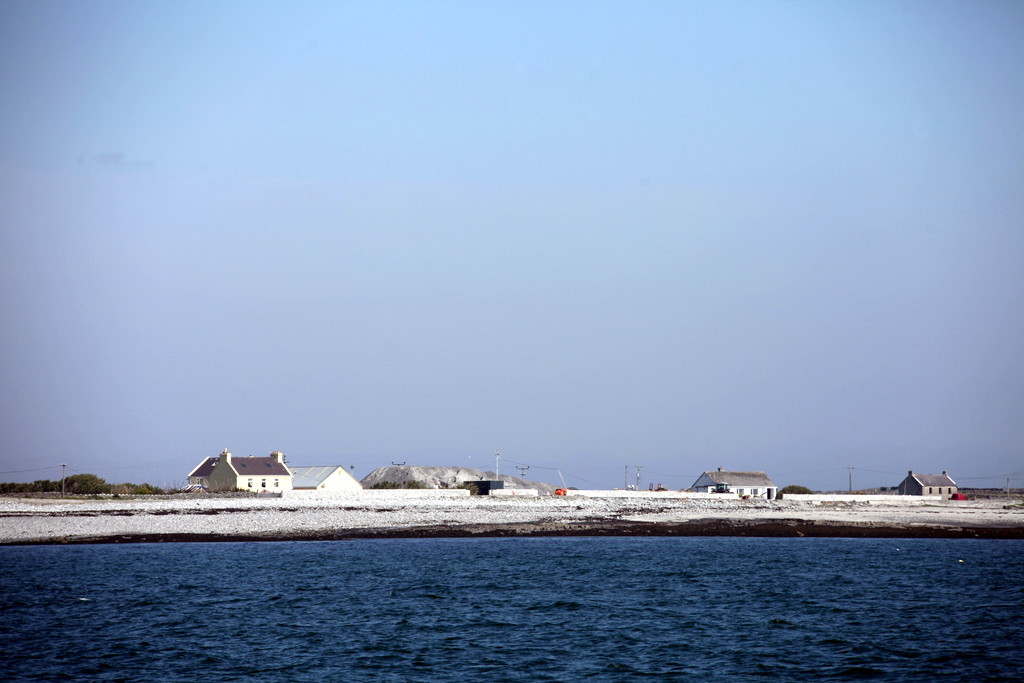
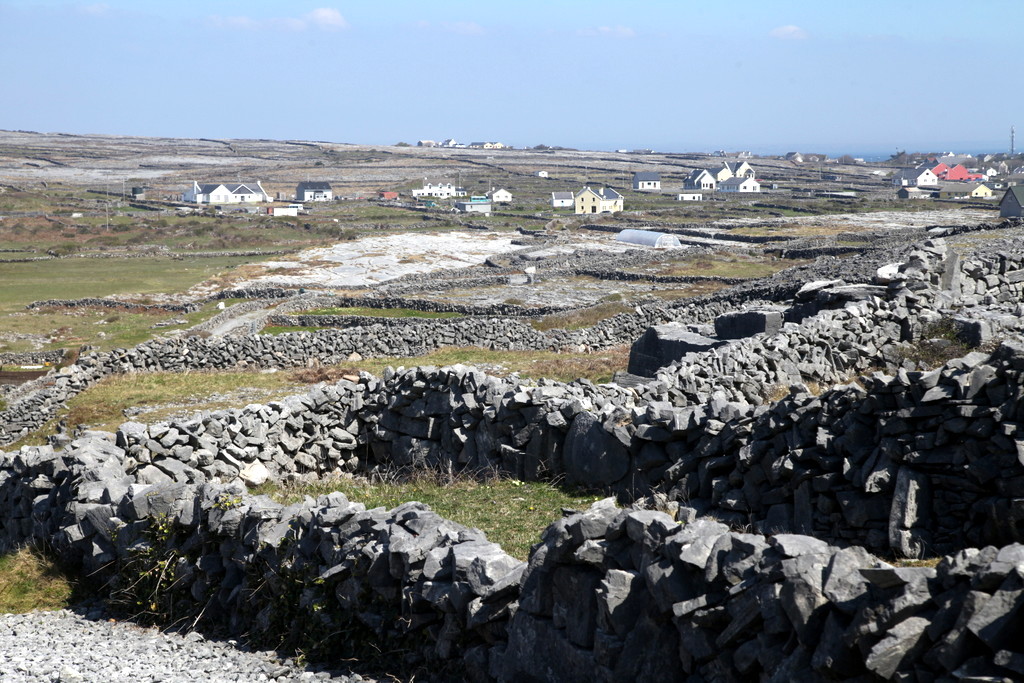
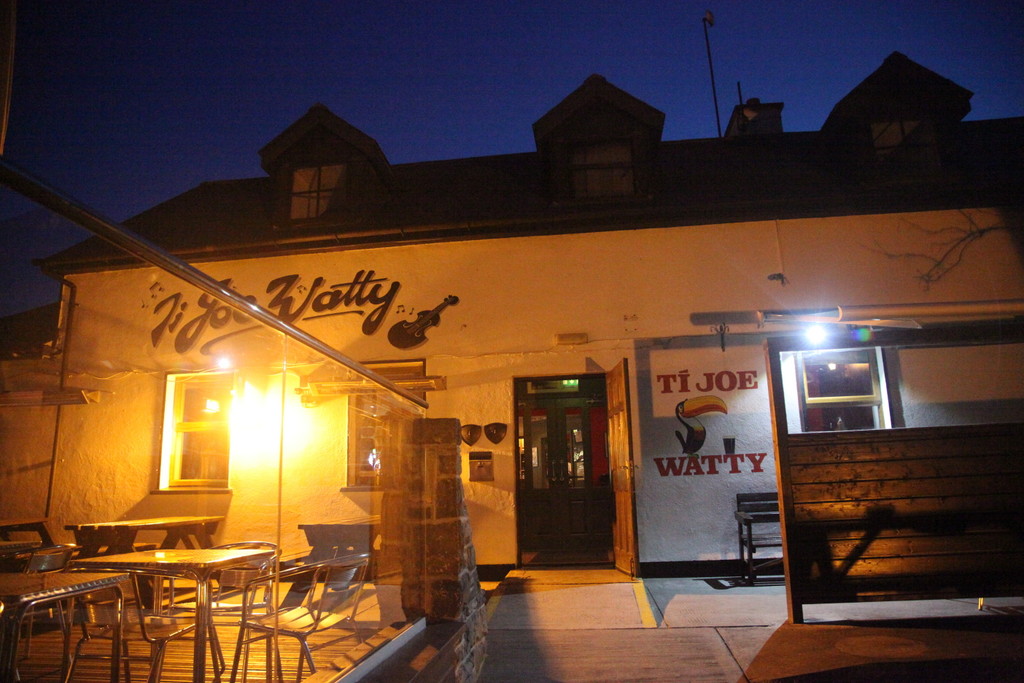
Both the Islands I visited seem to have somewhat different characters. Inis Mór (the Big Island) has sweeping landscapes with hardly a tree; massive limestone pavements and steep cliffs. It doesn’t seem heavily populated but there are about 900 people spread across the entire island. Inis Oírr is smaller with about a third of that but the houses are more concentrated around the main settlement of Inveragh and the fields as defined by the stone walls seem smaller. Both have the same sparse pasture, lush in places barren in others.  Inis Mór has more tourists and a lot more bicycles but it is easy to avoid the day trippers by starting early. The evenings everywhere are gloriously empty of people except for the inevitable craic behind the walls of Ti Whatty or Rory’s.
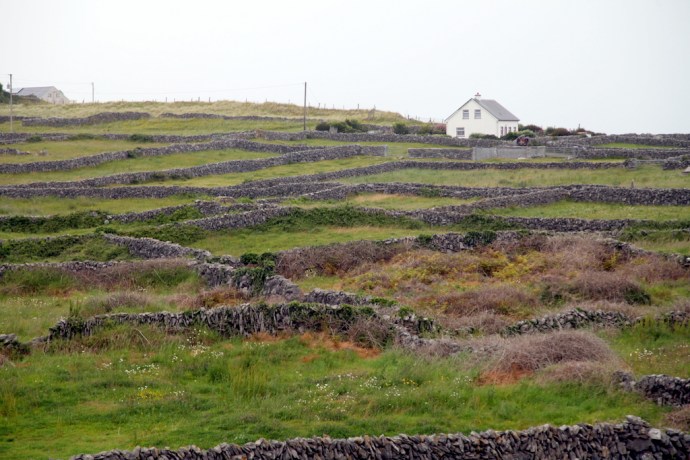
Inisheer.  Stone fields

Inisheer. Stone walls and fields

Inisheer

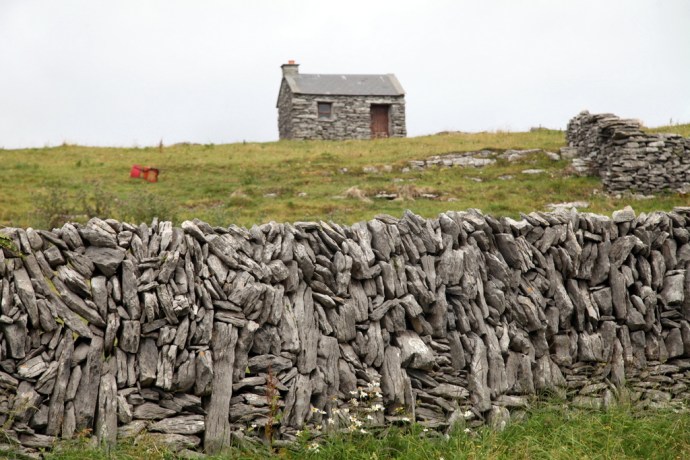
Inisheer. Drystone walls and one room cottage
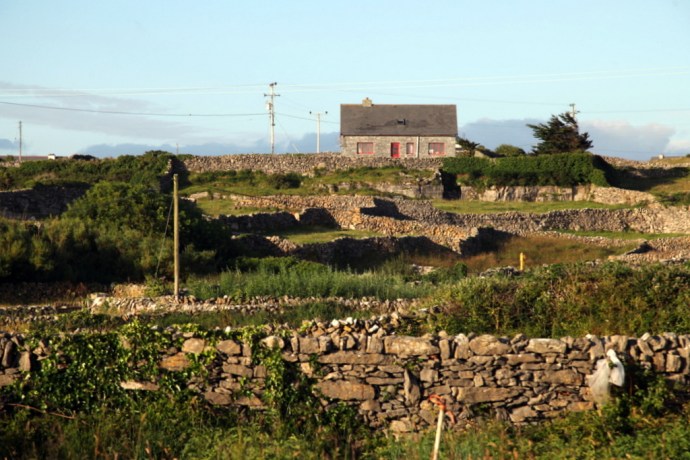
Inisheer

Inisheer in the morning light

Inisheer

Inisheer

Inisheer

Inisheer.  Off to fiddle lesson?
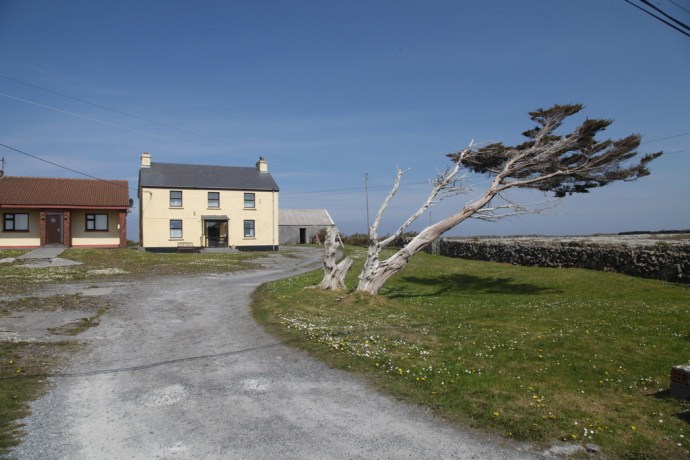
Inis Mor. Coping with the elements
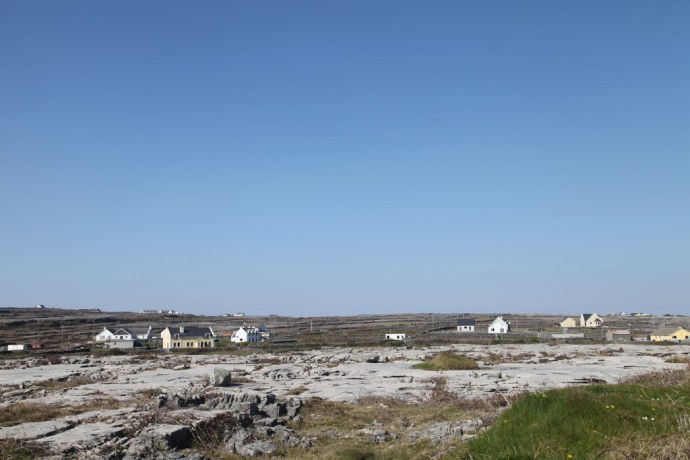
Inis Mor. Coping with the elements

Inis Mor.

Inis Mor.

Inis MOr

Inis Mor.

IMG_5709

Inis Mor

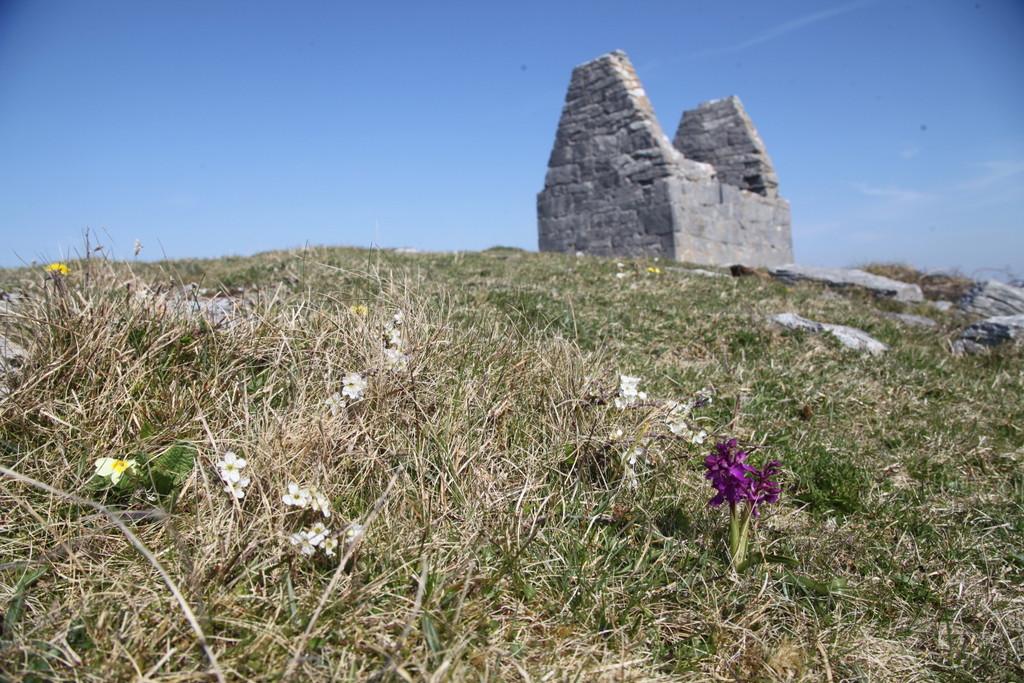
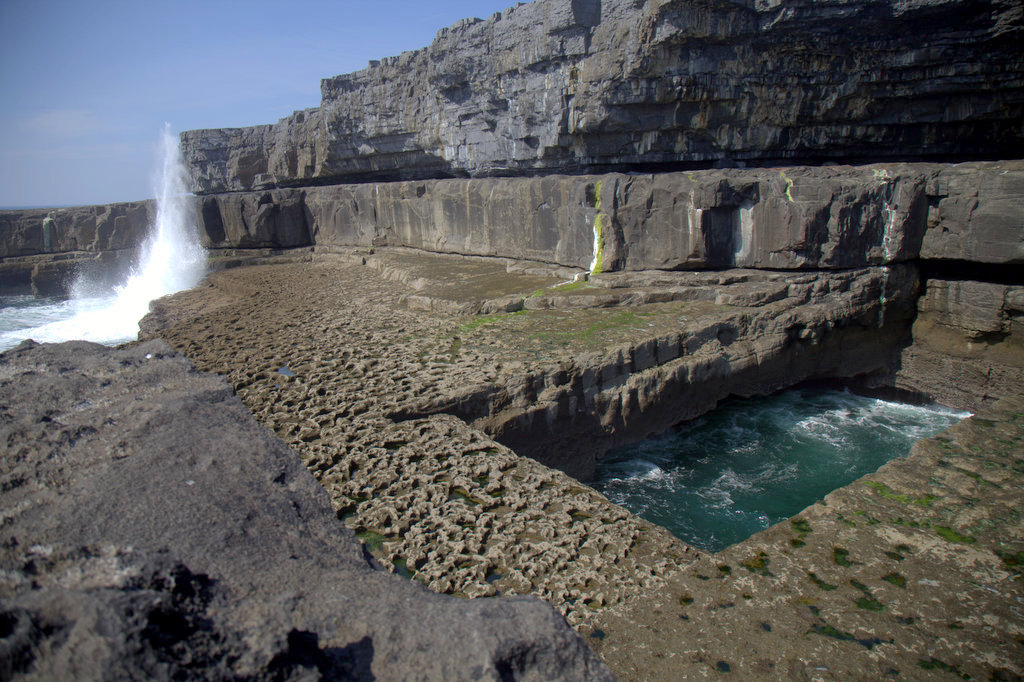
There is plenty for the tourist. On Inis Mór, bike hire is popular and the circuit to the Dún Aonghasa fort is a well-worn trail. But off the beaten track are some amazing sites such as the Black Fort, the Seven Churches and Teampull Bheanáin, reputedly the smallest church in the world measuring around 3m x 2m.  This unusual church can be seen from all around the island and was the best location I found for viewing the unique Burren flora.  Then there is the spectacular Worm Hole or Poll na bPeist. It is a hole in the rock platform that looks like it has been sliced out by the hand of Fin McCool himself. There is a more prosaic explanation that relates to erosion along mutually orthogonal jointing but let’s stick with Fin McCool, I think! Connected with this is a blow hole where the back pressure from the hole causes the sea to shoot up periodically  higher than the cliff.  This is an awe-inspiring place that has been put on the tourist map by the Red Bull people who have filmed one of their diving videos here.
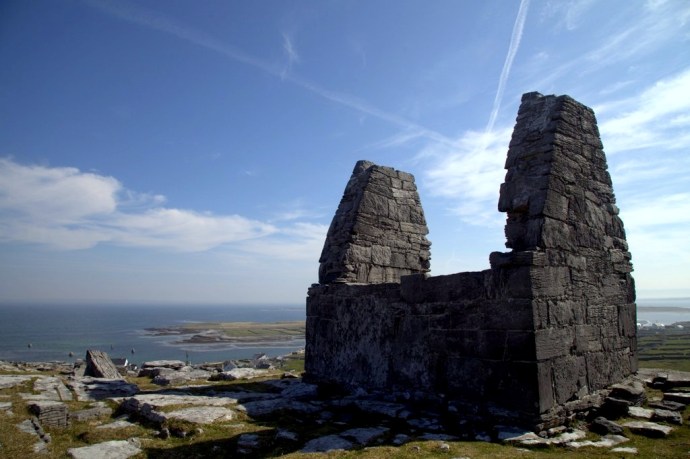
Inis Mor. Teampull Bheanáin
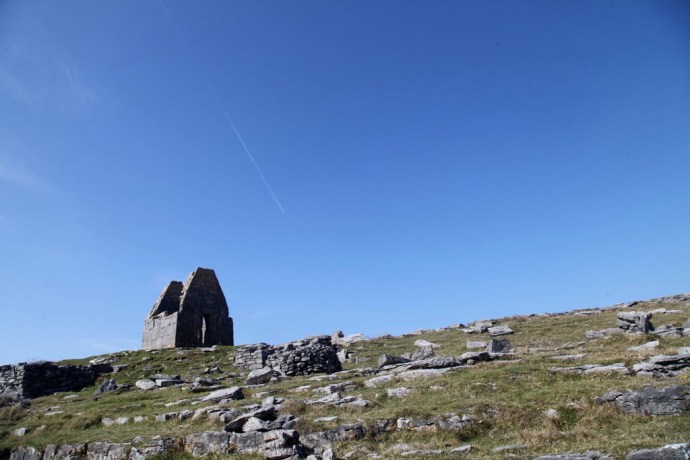
Inis Mor. Teampull Bheanáin

Inis Mor. Teampull Bheanáin
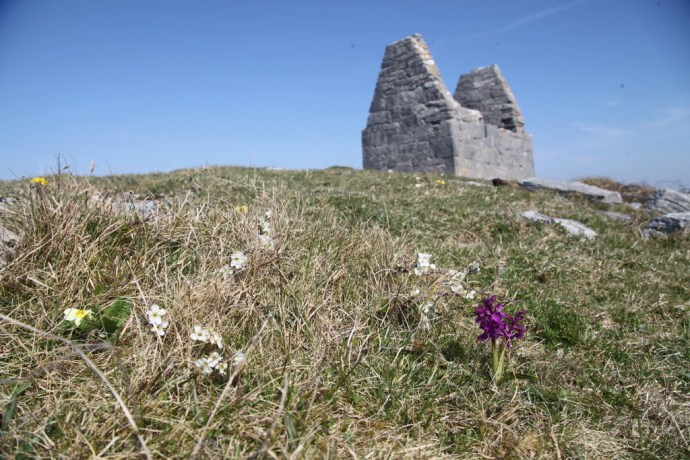
Inis Mor. Teampull Bheanáin

Inis Mor. Teampull Bheanáin

Inis Mor. Teampull Bheanáin

Inis Mor. Teampull Bheanáin

Inis Mor. Blowhole at the Worm Hole. Poll na bPeist
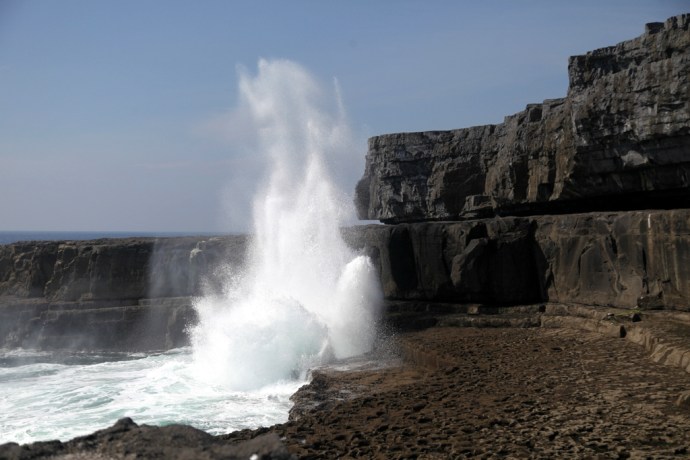
Inis Mor. Blowhole at the Worm Hole. Poll na bPeist

Inis Mor. Blowhole at the Worm Hole. Poll na bPeist

Inis Mor. Blowhole at the Worm Hole. Poll na bPeist

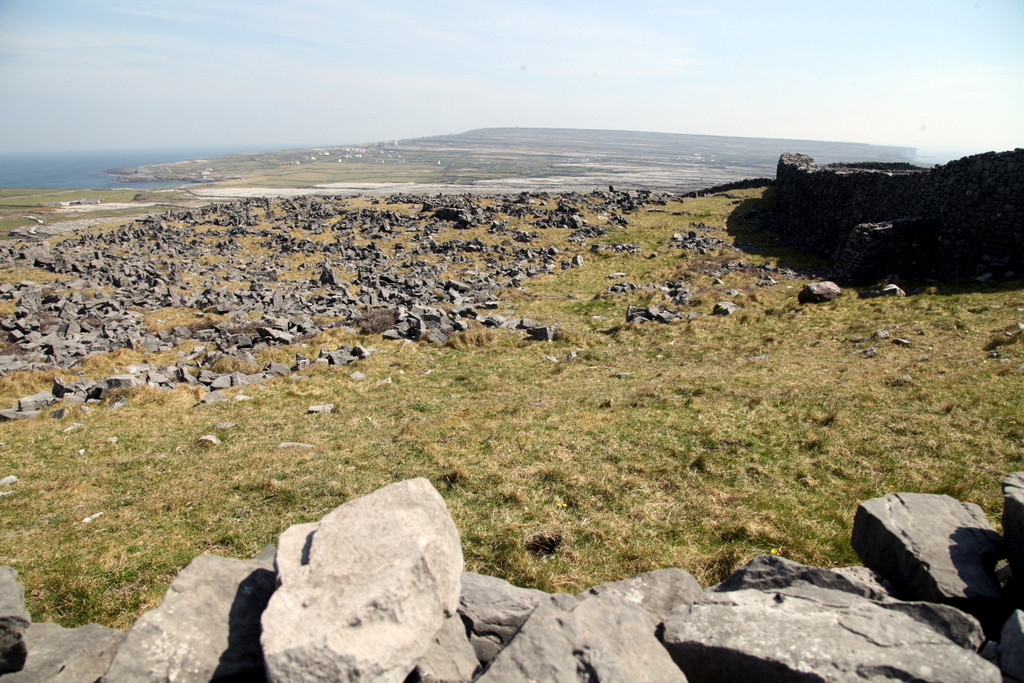
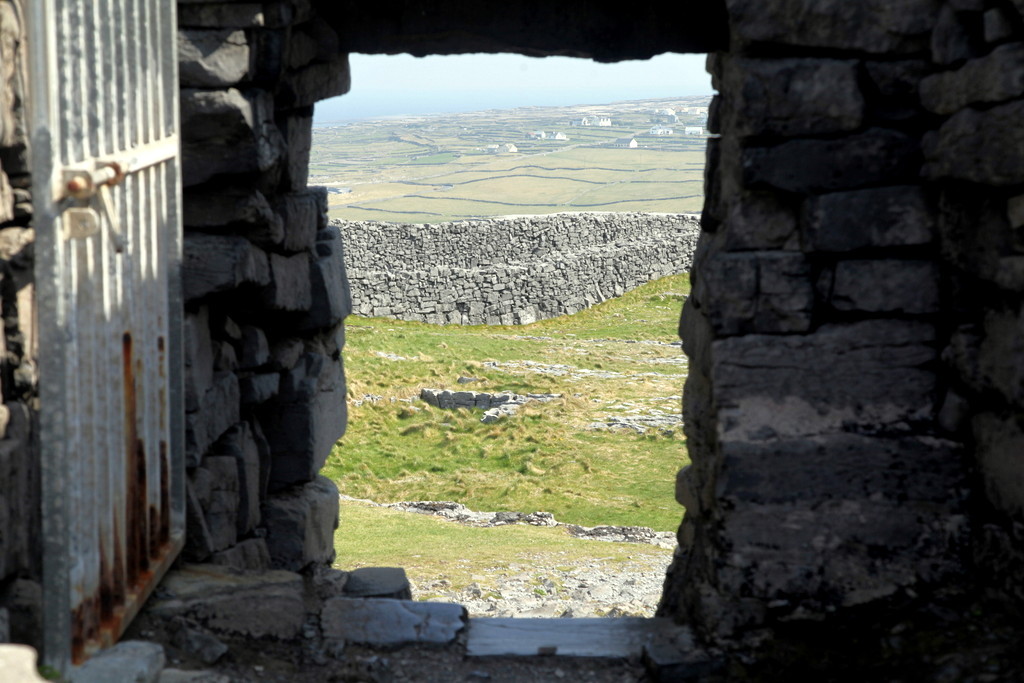
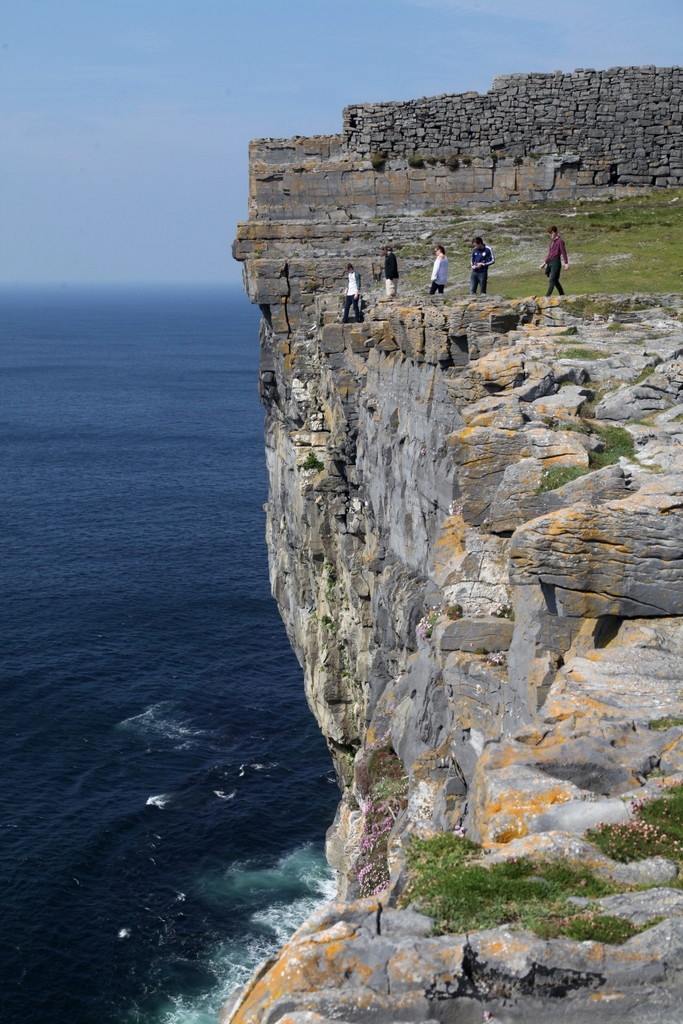
The Islands, and in particular Inis Mór is well known for the excellent preservation of their megalithic circle forts. Dún Aonghasa gets the most attention, but others such as Black Fort are just as interesting and much quieter. These forts are fascinating and here on Aran occupy a coastal positon where the cliffs are used as one line of defence and a semicircular stone rampart as the other enclosing a headland within which was a settlement. There were also a number of outer walls in some cases and unique and spectacularly well preserved examples of chevaux de frise. These are fields of sharp limestone lugged into place and designed to make cavalry or foot progress difficult and retreat impossible. They were placed about 30m away from the wall as this was the range of hand thrown projectiles of the time. The original structures at Dún Aonghasa appear to date from around 1000 BC which places them near the end of the Bronze Age. The famous portal tomb at Poulnabrone on the mainland is much older (3,800BC) as are other tombs on Aran which date to 1850 BC.  This first period of settlement at Dún Aonghasa ended about 700BC but then the site was added to and inhabited during medieval times and later. I spent hours at these forts mesmerised by the ambience and the anicientness (if that is a word!)

Inis Mor. Dun Aengus fort
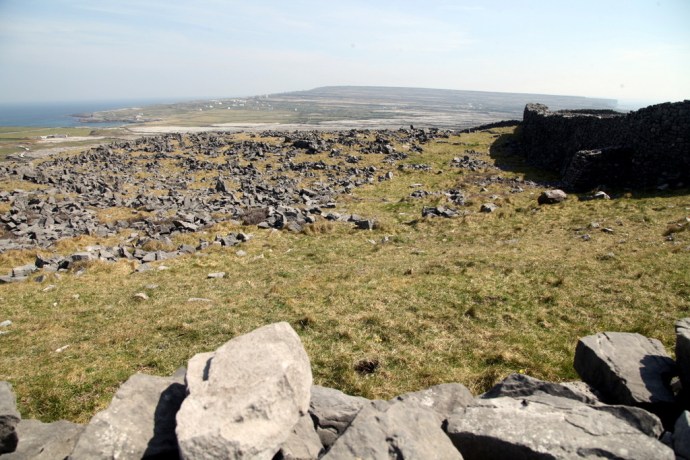
Inis Mor. Dun Aengus fort

Inis Mor. Dun Aengus fort. Cheval de frise
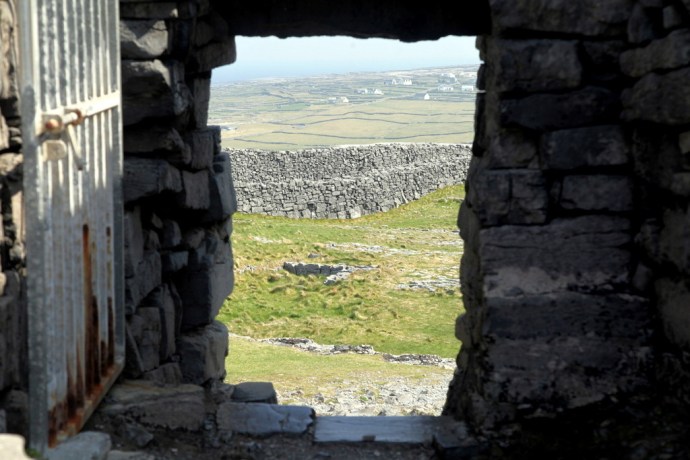
Inis Mor. Dun Aengus fort. Cheval de frise

Inis Mor. Dun Aengus fort
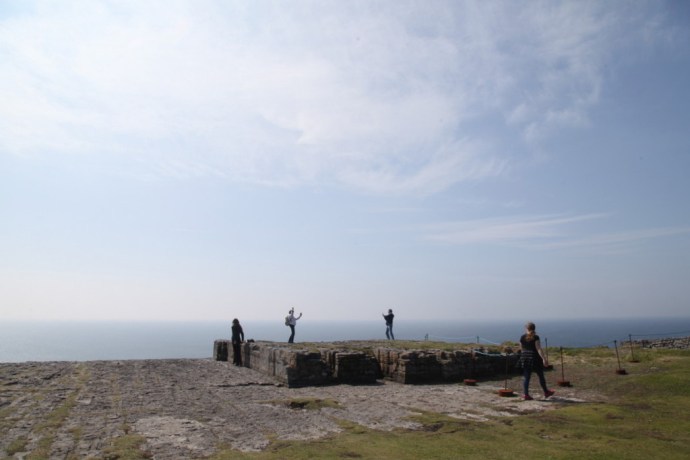
Inis Mor. Dun Aengus fort

Inis Mor.  Rock platform Dun Aengus fort

Inis Mor. Rock platform Dun Aengus fort

IMG_6641

Inis Mor. Inside the inner wall Dun Aengas

Inis Mor. Inner wall. Dun Aengus fort

Inis Mor. Inner wall. Dun Aengus fort, showing remarkable stone work

Inis Mor. Dun Aengus fort

Inis Mor. Dun Aengus fort. Stone was quarried from the steep face near the wall.  Note the crack!

Inis Mor.  Black Fort. Cheval de frise with glacial erratic
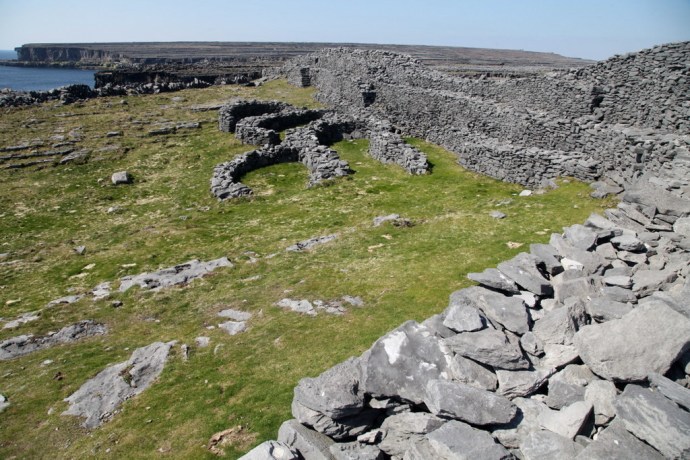
Inis Mor. Black Fort. Cheval de frise with glacial erratic

Inis Mor.  Black Fort showing walls of medieval houses
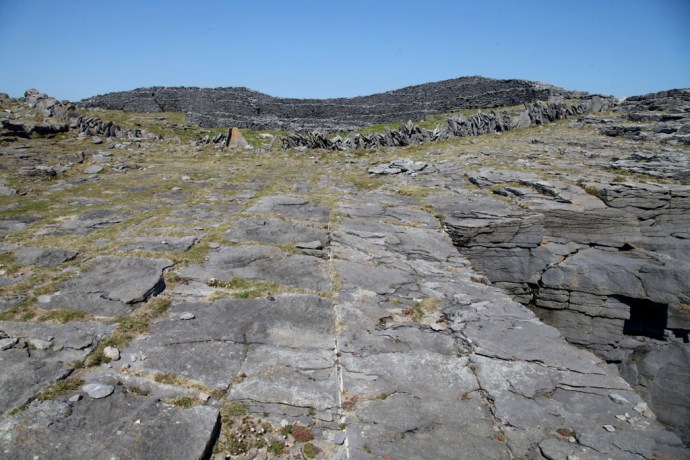
Inis Mor. Black Fort showing walls of medieval houses

Inis Mor.  Black Fort

Inis Mor. Black Fort from inside the enclosure

Inis Mor.  Black Fort and cheval de frise

Inis Mor. Black Fort and cheval de fries

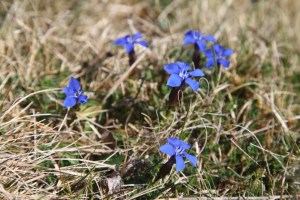
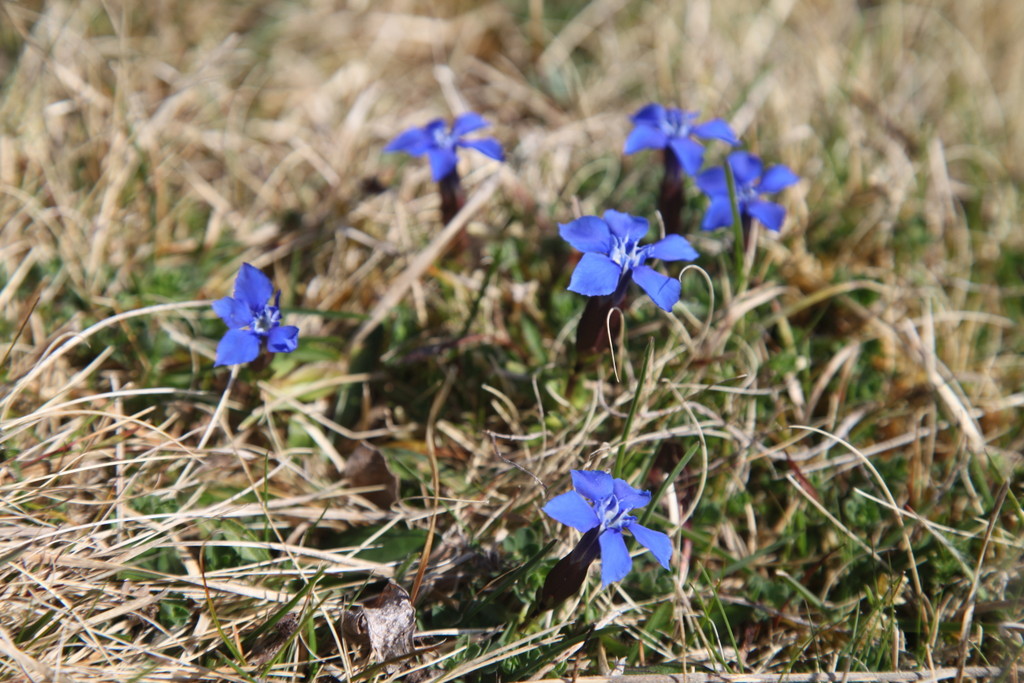
The landscape helps make this a unique world. I have talked here and elsewhere about the typical Burren landforms, but I should mention the widespread glacial erratics, dropped by melting glaciers. Well that is the scientific explanation. Local legend has it that they were left by giants who were throwing stones at each other (Fin McCool again!) Doesn’t this make sense? How else could boulders of granite from Connemara get onto the Aran Islands? The Burren is known world wide for its flora with its rare combination of alpine and Mediterranean plants.  Spring is the best time to see it and in the three days I was on Inis Mor I witnessed an explosion of life with the spring gentians and orchids bursting into flower. The wildlife does not disappoint either with seals, water birds, birds of prey and dolphins all on show at various times.
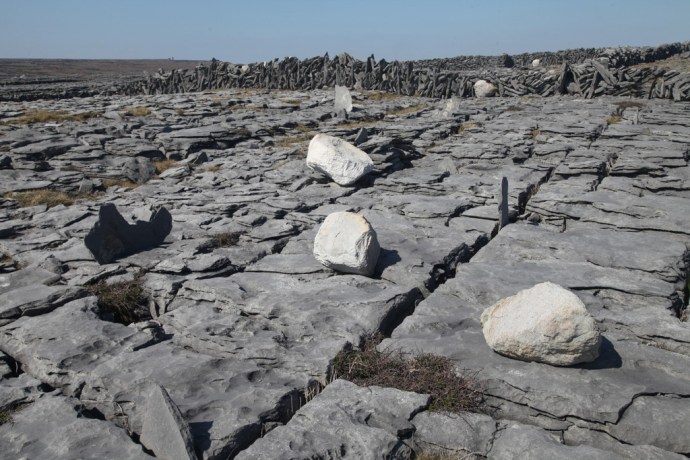
Inis Mor.  Glacial erratics near Black Fort

Inis Mor. Glacial erratics near Black Fort

Limeston Pavement Inis Mor

Limestone Pavement Inis Mor

Inis Mor.  Burren landscape

Inis Mor. Burren landscape

Inis Mor

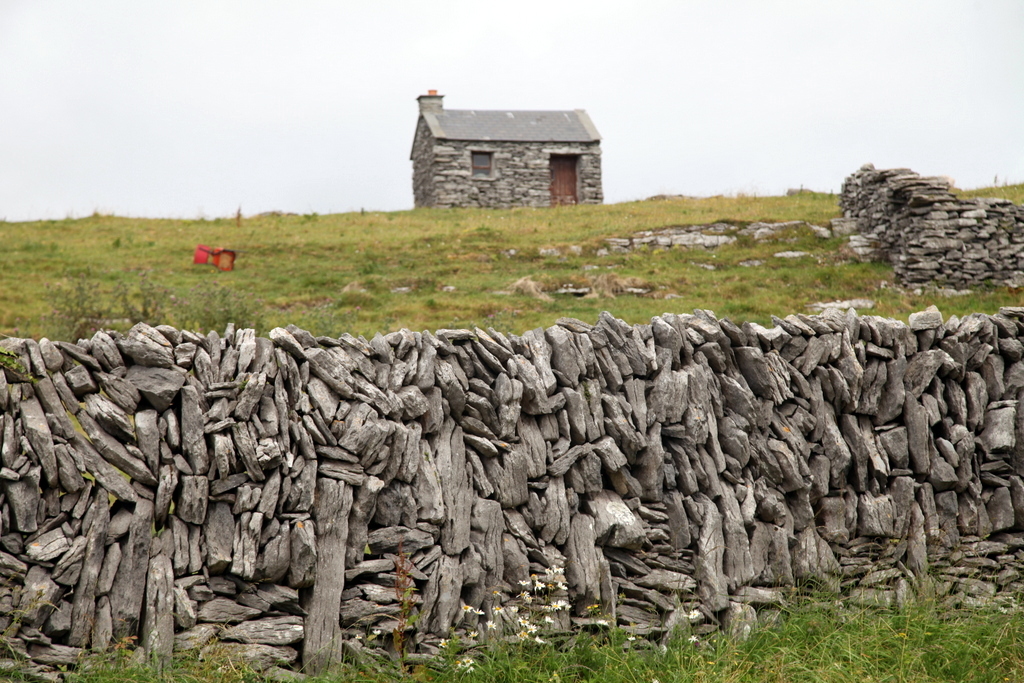
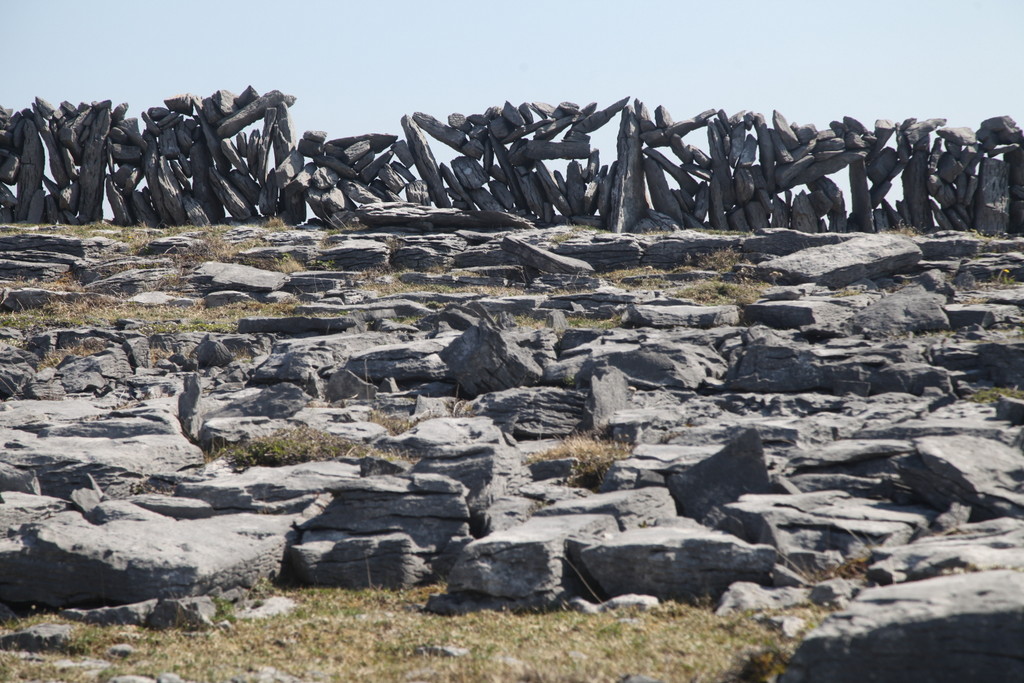
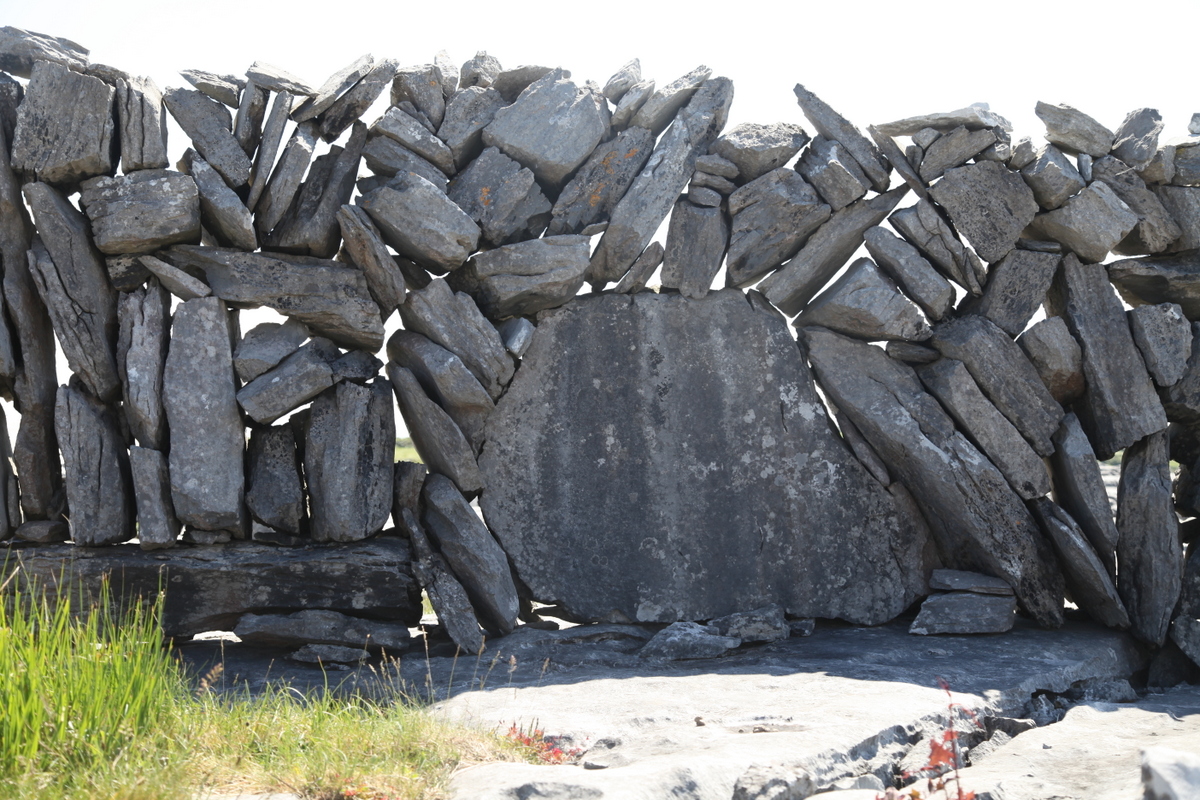
Inis Mor. Typical Burren stone wall. How does it stay up?

Inis Mor.  Near Black Fort

Inis Mor. Near Black Fort. Crumbling coastline

Beach near Kilronan.  Inis Mor
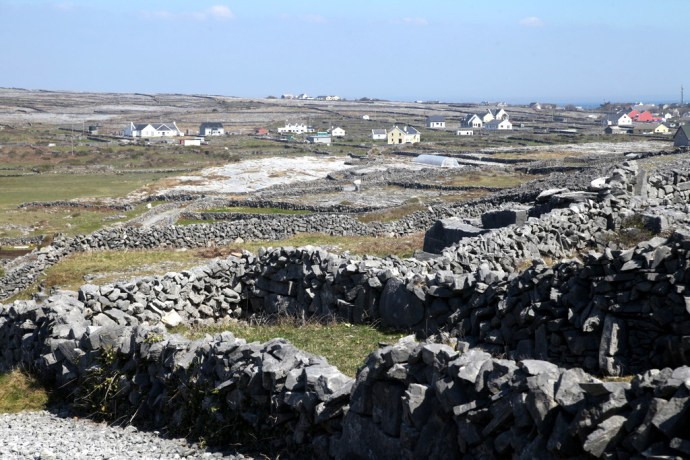
Beach near Kilronan. Inis Mor

Inis Mor Inis Mor. View from Black Fort Inis Mor. Burren landscape.

Inisheer.  The Burren limestone Inis Mor. Inis Mor. Inis Mor. Seal colony Inis Mor. Seal colony Inis Mor. Wild duck's nest Inis Mor. Teampull Bheanáin.  Spring gentian Inis Mor.  Spring in the Burren

IMG_6126

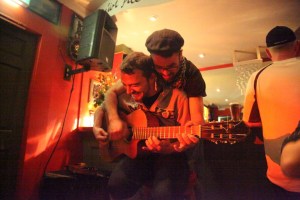
On each of my visits to Aran I was resigned to having nights without music but on each occasion I discovered the craic. On Inis Oírr I met Mícheál O’hÁlmháin, the leading musical identity on the Island and members of his family and we played in the hotel until the small hours and on Inis Mór I met three French guys, Alex, Mathieu and Victor who turned out to be amazing guitarists and with Michelle, Lea and Rom from Switzerland we had two nights of Celtic meets Gypsy Jazz meets 70s rock meets Europop!  On Inis Oírr I also stumbled onto an Irish language summer camp. It was held in the hall and I was drawn by the distinctive sound of irish dancing. The front door was open but what I saw was not what I expected. It was full with teenagers maybe 150 of them having the time of their lives. They were playing a game of musical statues to the recorded music of a ceili band. I stayed and watched as they threw themselves into a succession of musical and dance numbers including a country and western song about Connemara in Irish, some updated versions of set dances, line dancing and some pop songs. I was impressed that here was a camp dedicated to preserving the Irish language and culture but prepared to do it in a modern way that was relevant to today’s youth but still respectful of the heritage.  And then to top all that while on Inis Mór  and thanks to an invitation from Melissa I played with the local Island kids at the regular Comhaltas gathering with Galway Bay as a backdrop.

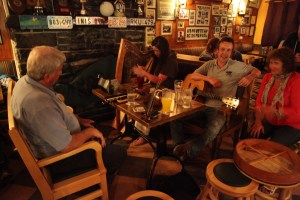
Inis Mor.  For the craic.IMG_7588

IMG_6285 IMG_6188 IMG_6331

Inis Mor.  A regular gathering of the local Comhaltas group.

There is a lot more I could say about these Islands but by now I think I have probably lost all my readers (If you have read this far please let me know – it would be nice to know if anyone reads beyond the first paragraph!), so I will let the pictures talk from here.  Just a few more images that give a taste of these islands that I am sure I will return to regularly.

Inisheer.  Fisherman returns escorted by dolphin

v

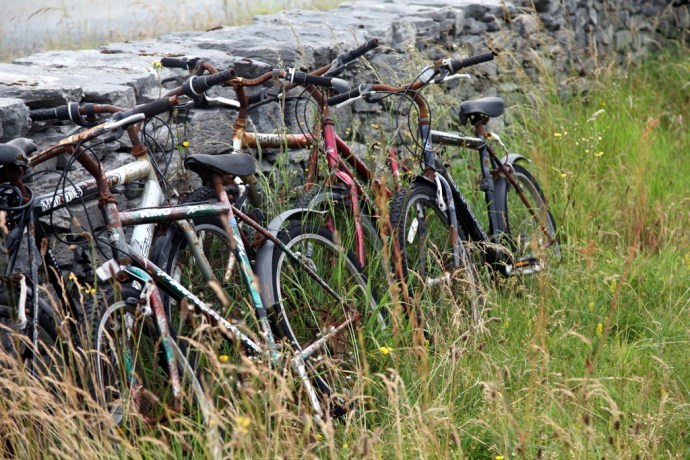
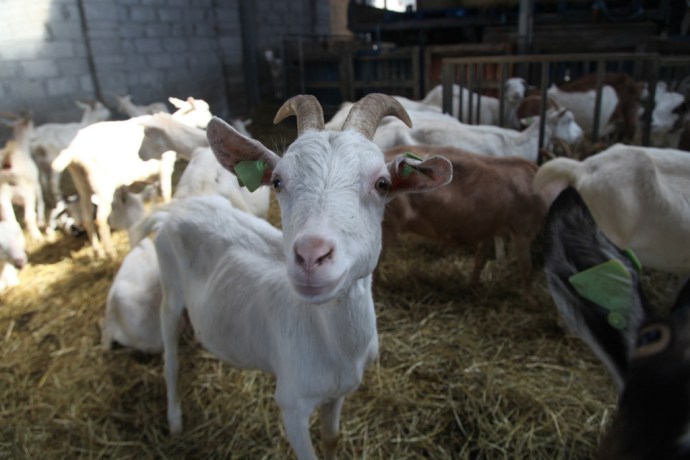
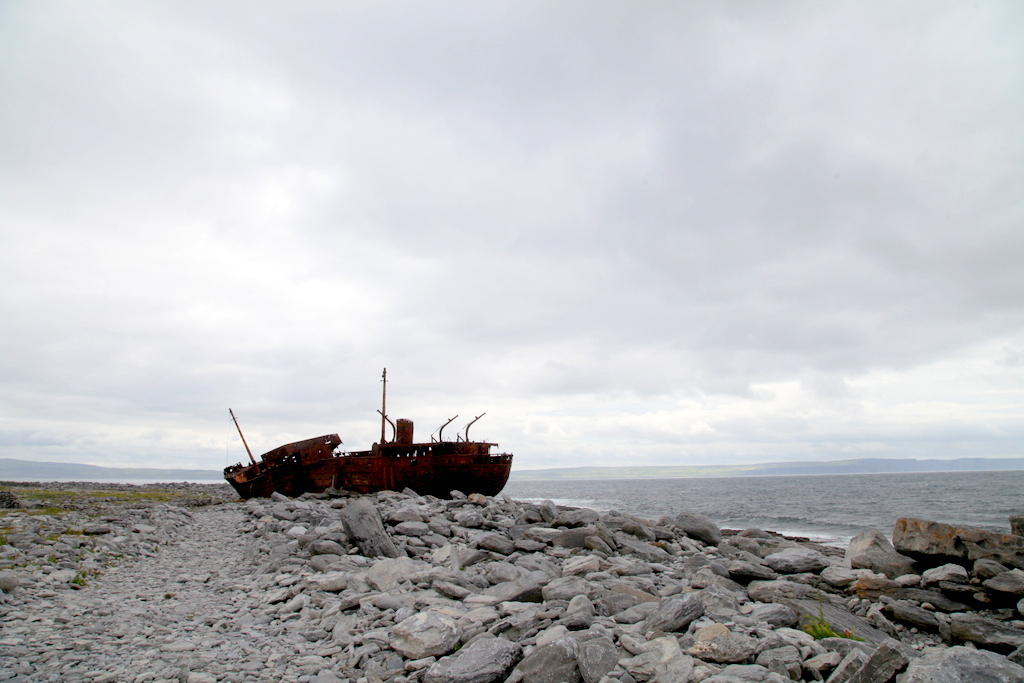
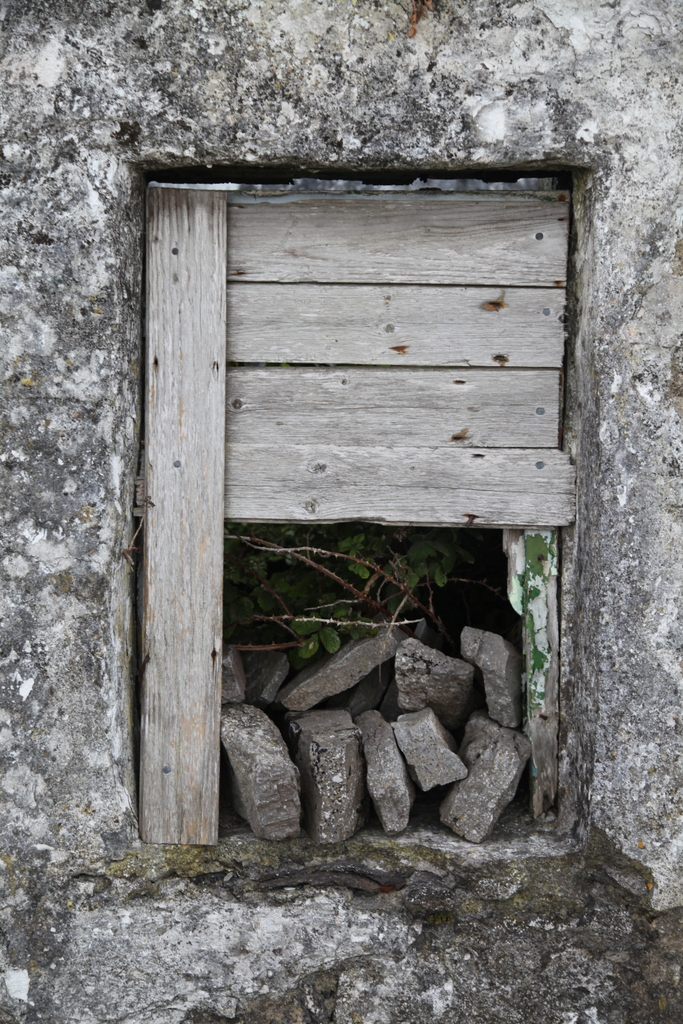
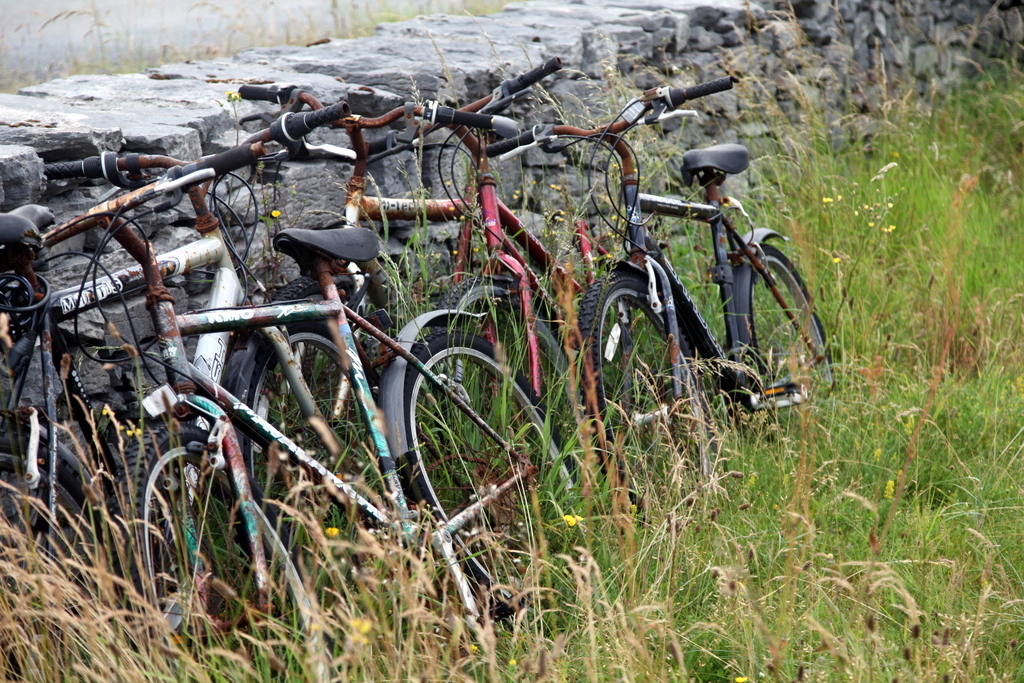
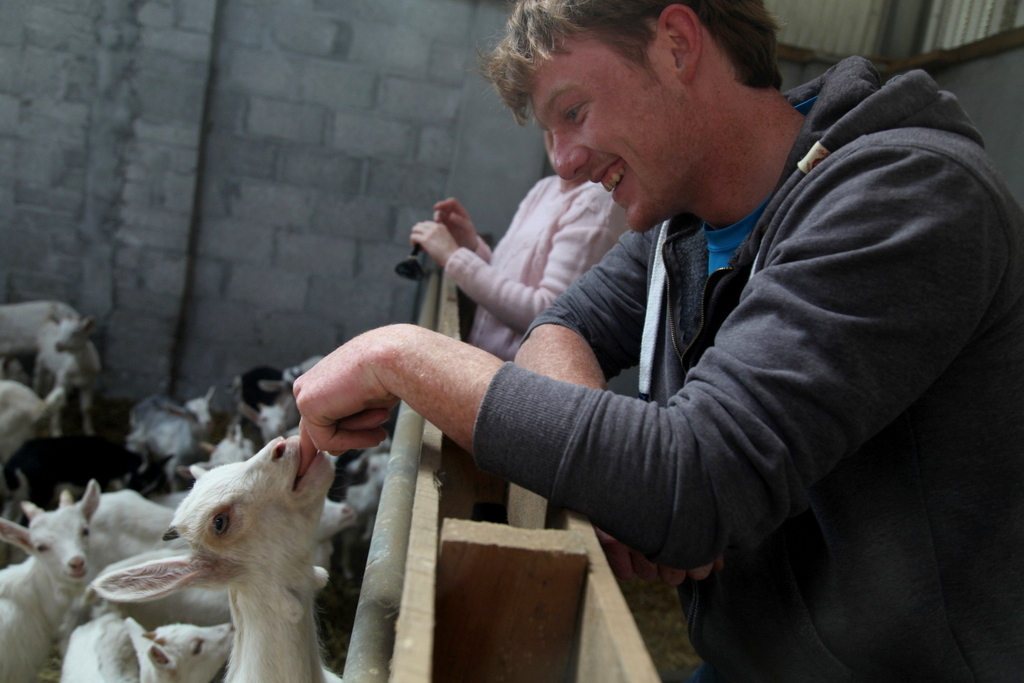
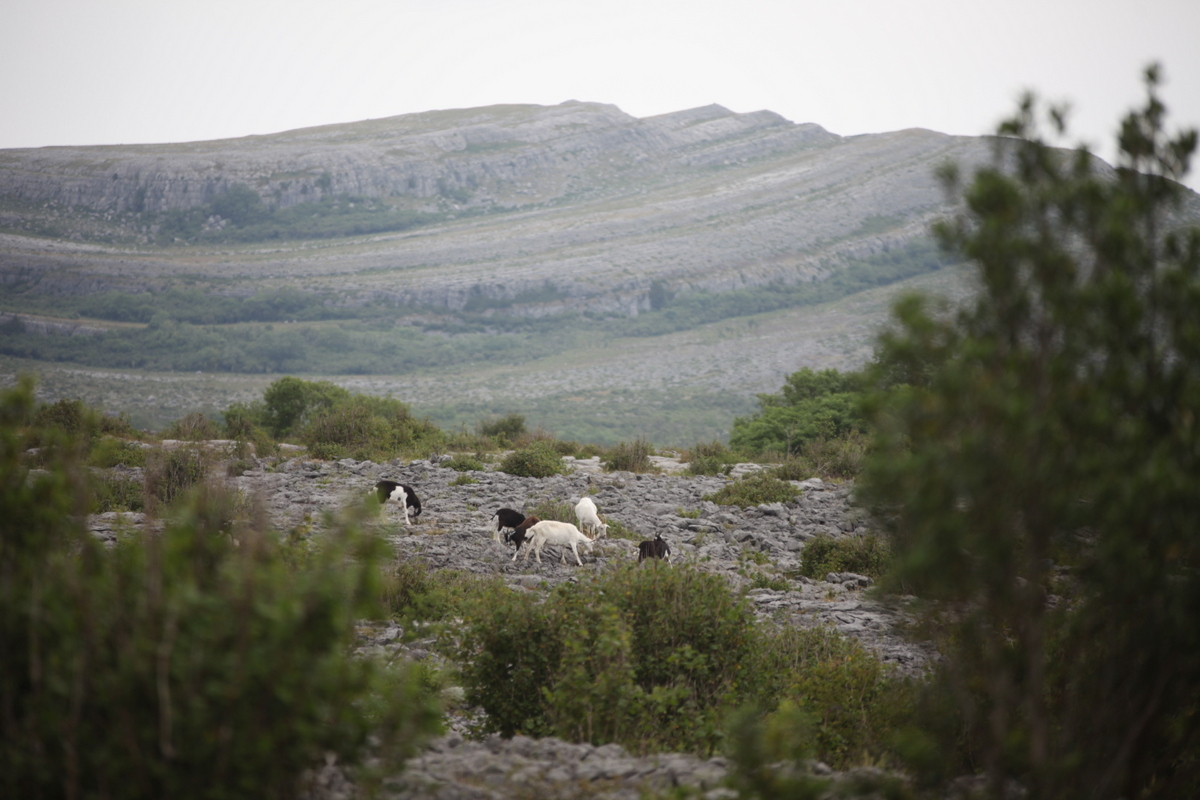
Inisheer Inisheer.  Wreck of the Plassey Inisheer.  Wreck of the Plassey Abandoned house InisheerInis Mor.  Atlantic on a calm day Rusted bikes, Inisheer Inisheer Inisheer.  Fining pots Inisheer.  Limestone outcrops glowing in the morning sun Inisheer.  Curragh and ruins Inis Mor. Goat farm Inis Mor. Goat farm Inis Mor. Abandoned house

Inis Mor.  Site where Curragh was re-tarred

Inis Mor.  Stairway to Heaven?
Inis Mor. Stairway to Heaven?
Categories: Real Ireland, Wild Ireland | Tags: , , , , , , , , , , , , , , , | 4 Comments

The Burren, Again.

The Burren in the north of Clare has an indefinable pull.  I can’t stay away.

When Geraldine, schoolteacher friend, asked me if I wanted to accompany her and the kids from her school at Doora near Quin on a hike through the Burren, I was a bit unsure. Didn’t sound all that exciting but I have made it a rule not to say no to anything since I’ve been here. So I agreed. I’m really glad I did.

The day did not start out too promising. I met Geraldine after a couple of false starts at 11:00am and four carloads of kids from 5th and 6th class with a handful of parents and teachers met at Crag Road, the start of our linear hike. We had hoped to use the National Park free bus service but times did not work so some cars were dropped over to Coolorta Cross, the end of the hike. By 11:45am we were on our way!

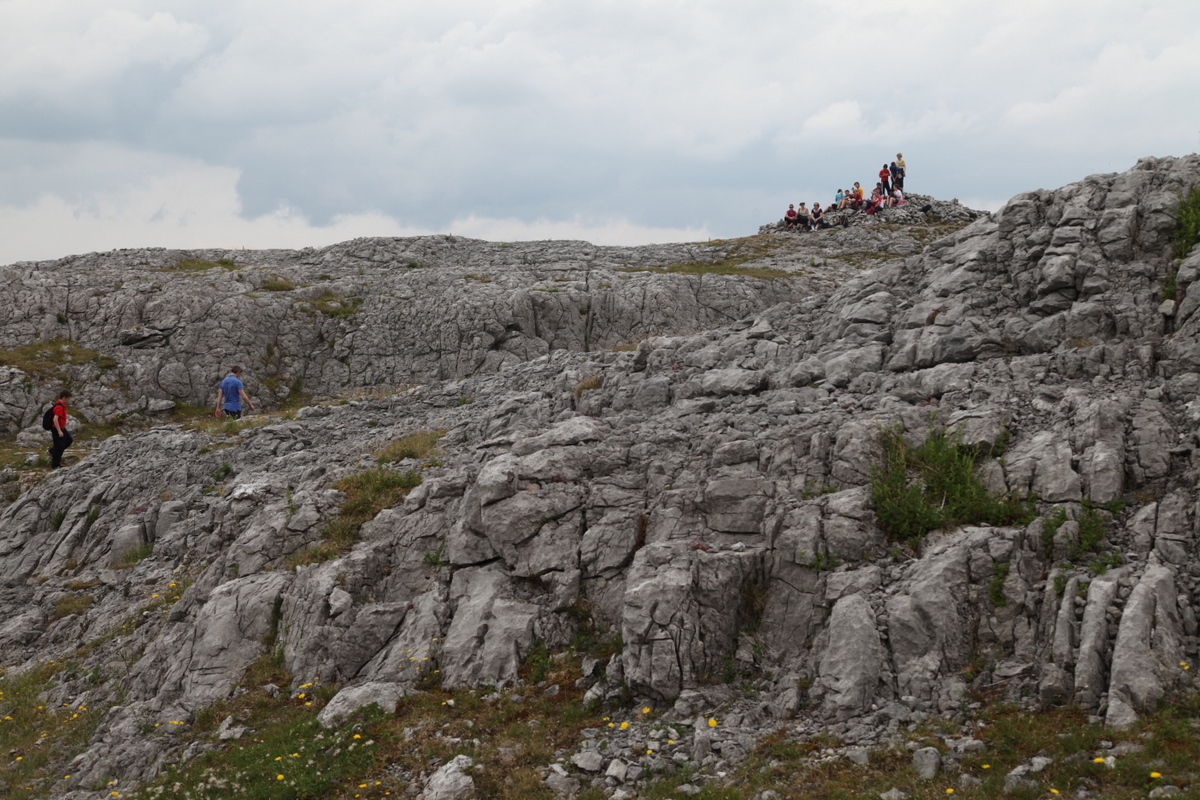
The weather was overcast but dry though rain was predicted (of course). The plan was to head up to Mullaghmore and then across to the next mountain (well they are technically hills) knows as Sliabh Rua. Wasting no time the kids headed out along the trail leaving me and a couple of stragglers in their wake. We caught up eventually (well I think they waited for me) and with barely time to catch my breath I found myself giving a talk on the unique geology that is the Burren.  After a month in Clare I was an expert on the Burren geology. Well the kids thought so. Some of them were surprisingly up to speed while others hadn’t even stepped foot on the Burren before.

We continued the climb along the ridge beneath the first cliff and I kept stopping to look at the amazing fossils and rock formations and to take photographs so of course we got further behind. By this time I was left with just one boy who delayed me further as I stopped to answer the non stop stream of questions and comments about what he was seeing. It was great to see this unbridled curiosity and his eyes opening to what was around him. Eventually we rejoined the group.

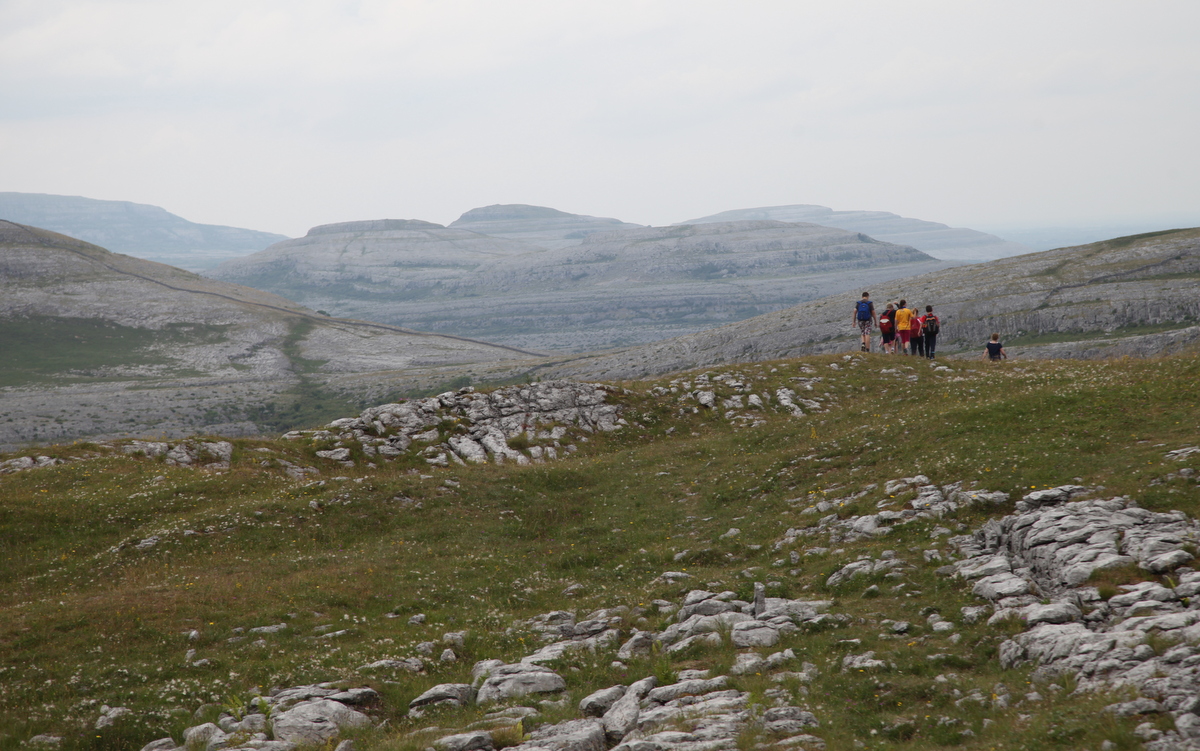
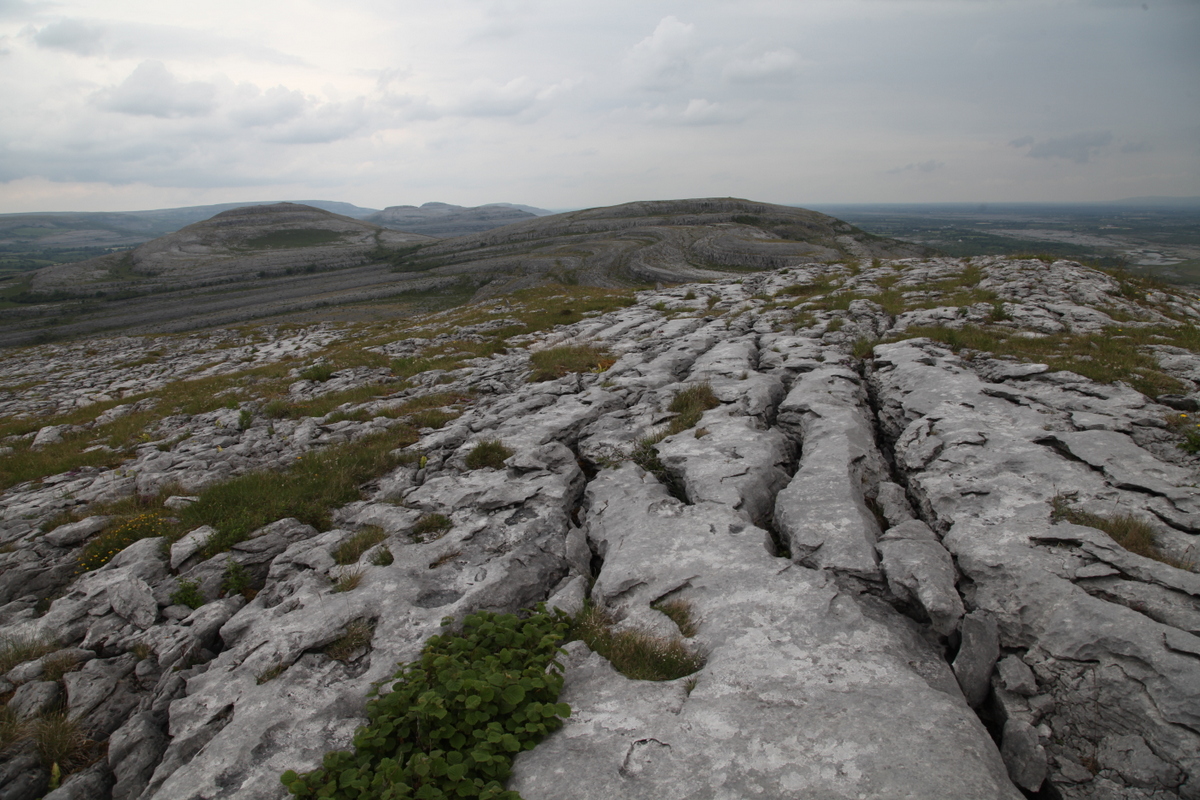
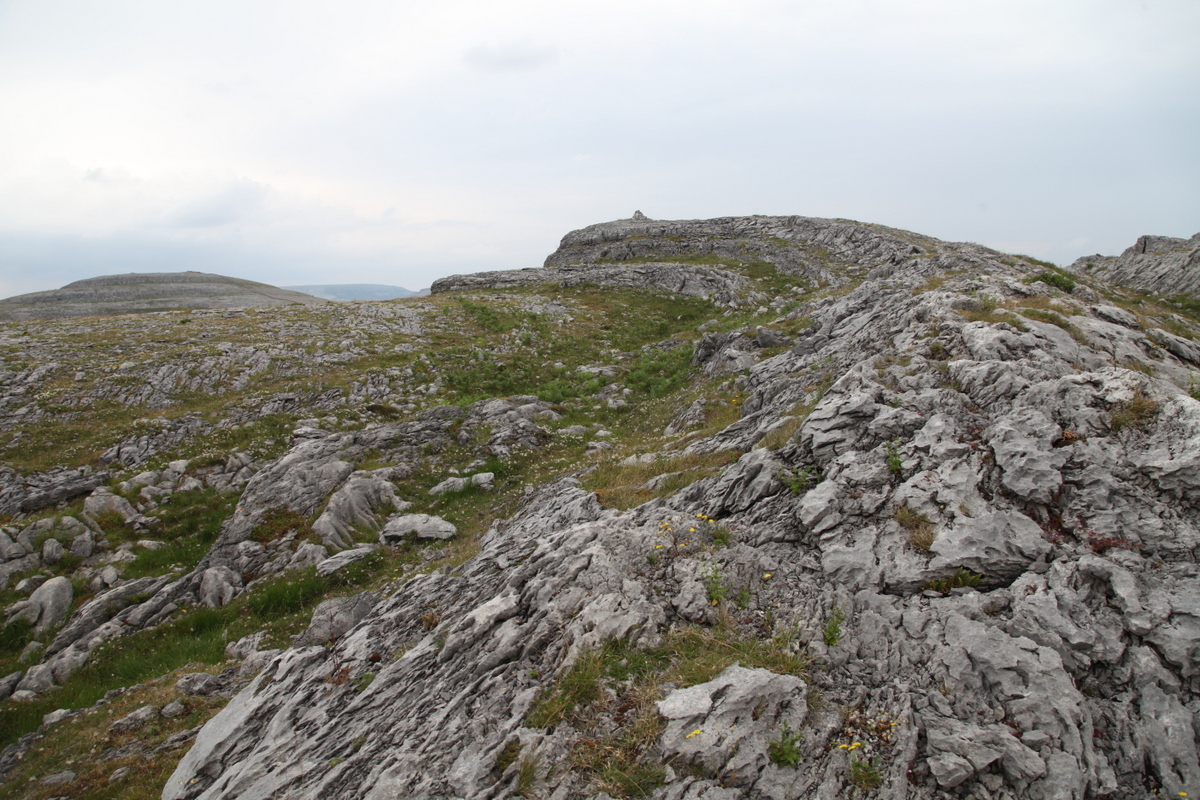
As we were on a deadline and I was slowing them down, we agreed they would go ahead and I proceeded at my own pace. I was in awe of the scenery at the top. Limestone bands twisted into gentle folds ran in sinuous waves across the barren treeless landscape. With the dull light it had a mysterious mystical quality reinforced by the clarity of the eerie silence. Truly a breathtaking place. In the distance I could see the group had reached the top of Sliabh Rua and were now proceeding down so I followed the contours around the mountain and attempted to re-join them. Distances are deceptive up here. It was a fairly treacherous descent over boulders and scree formed from jagged limestone. Every foot had to be carefully placed so there was no rushing. I would stop often to breathe in the view. A new vista around every corner. I never did catch them and I arrived at the cars about half an hour after the rest. We were lucky. The rain had held off.

I was mightily impressed with the whole day. The kids behaved impeccably and were a credit to their school.

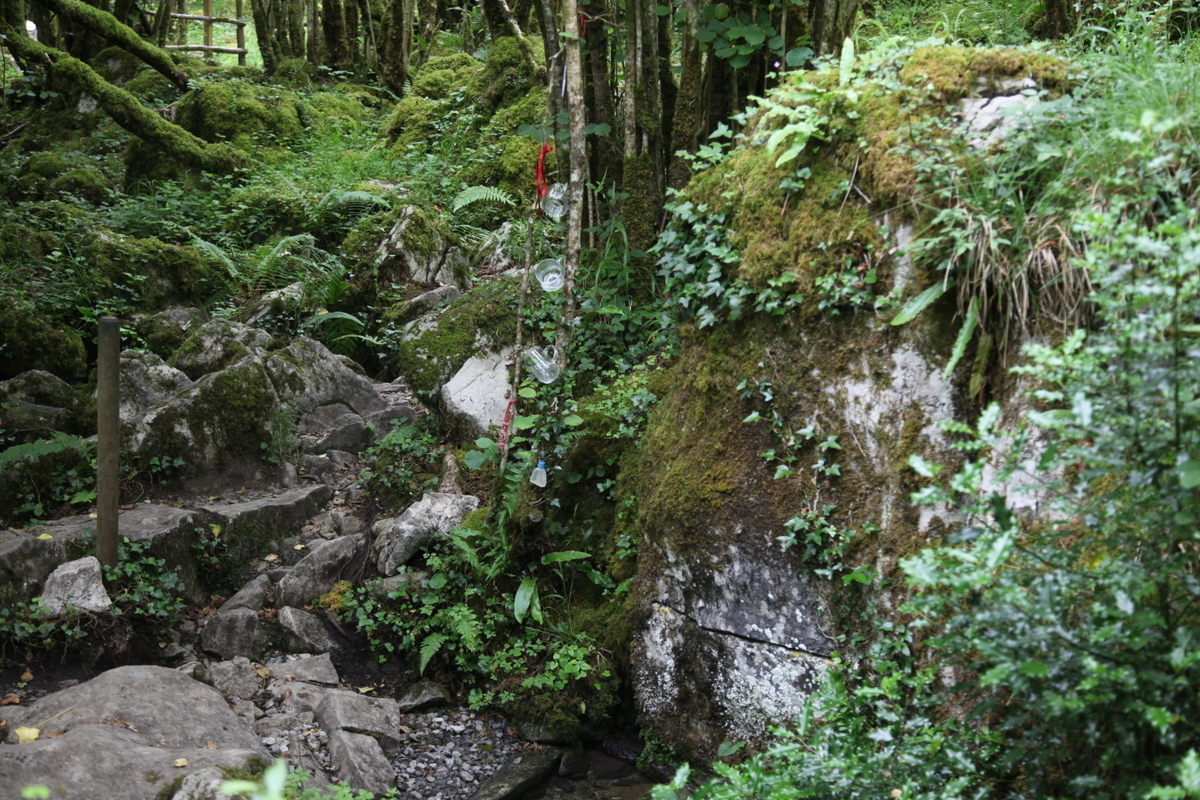
Once they had left, Geraldine wanted to show me more of the Burren, a place she clearly loves, so we headed along another track to a Holy Well. I had never seen one before. This was a natural spring coming out of the base of a moss covered rock. Nestled in a dark cool glade which felt as ancient as it probably was. It would not have surprised to see fairies darting about!  There were cups hanging from a string inviting you to partake and there were ribbons hanging from nearby branches, perhaps some sort of offering.   An elliptical walled area a few metres across was apparently an ancient bath which was used for ritual bathing. It takes a while to get one’s head around the fact that this place may have been used by our predecessors up to 5,000 years ago.

The magic of the place was having an effect. We walked back along the track to see a car driving up the lane. I did not recognise the occupants but Geraldine did. There was P.J. Curtis (the eminent writer/record producer/broadcaster/historian) and Maurice Lennon (fiddling legend from Stockton’s Wing). I was introduced to them and they couldn’t have been nicer. We ended up back in P.J.’s house in Kilnaboy (built in 1770, the year Cook landed in Australia) listening to Maurice play tunes from ‘Light in the Western Sky’ (one of my favourite albums) and then some gorgeous airs including one of his own on his Viola. I had to keep pinching myself. P.J. gave us a tour of his Forge which was full of original equipment. It was the conclusion to a wonderful day.

If you go with the flow in this extraordinary country then extraordinary things happen.


IMG_6374

Burren Limestone with fossil coral

IMG_6383

Some of the wildlife in the Burren

IMG_6384

Geometric patterns etched in the cliff face. The Burren

IMG_6386

A large fossil coral colony. The Burren

IMG_6394

On the way up to Mullaghmore

IMG_6396

Pausing for a breather.

IMG_6397

the view from the top

IMG_6404

Heading across to Sliabh Rua

IMG_6413

Spectacular landforms that make up the Burren

IMG_6420

Twists and contortions in the limestone layers on Mullaghmore

IMG_6424

One last cliff on the ascent of Sliabh Rua

IMG_6433

Looking back from Mulalghmore

IMG_6435

Gentle folds in limestone, Mullaghmore

IMG_6449

Cairn, Mullaghmore, the Burren

IMG_6460

The descent from Mullaghmore

IMG_6467

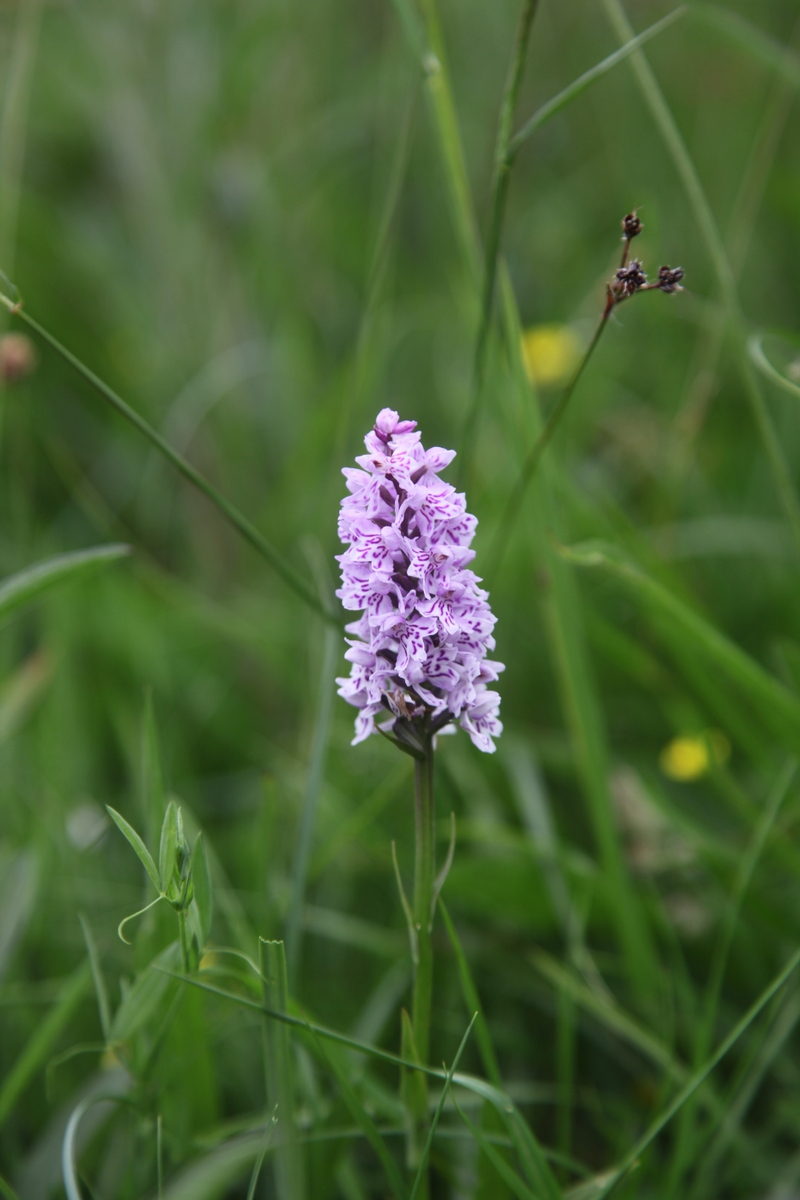
Native orchard, the Burren

IMG_6473

Limestone plain at the foot of Mullaghmore

IMG_6478

Returned safely

IMG_6493

Holy Well, the Burren

IMG_6495

Moss covered walls of an ancient bath, Holy Well, the Burren

IMG_6509

Glacial erratics, dumped at the end of the last ice age. The Burren

IMG_6530

Meeting Maurice Lennon in the middle of nowhere

IMG_6539

Mullaghmore. A distant view

IMG_6565

PJ Curtis outside the Old Forge at Kilnaboy


Categories: Wild Ireland | Tags: , , , , , , , | 6 Comments

The Burren

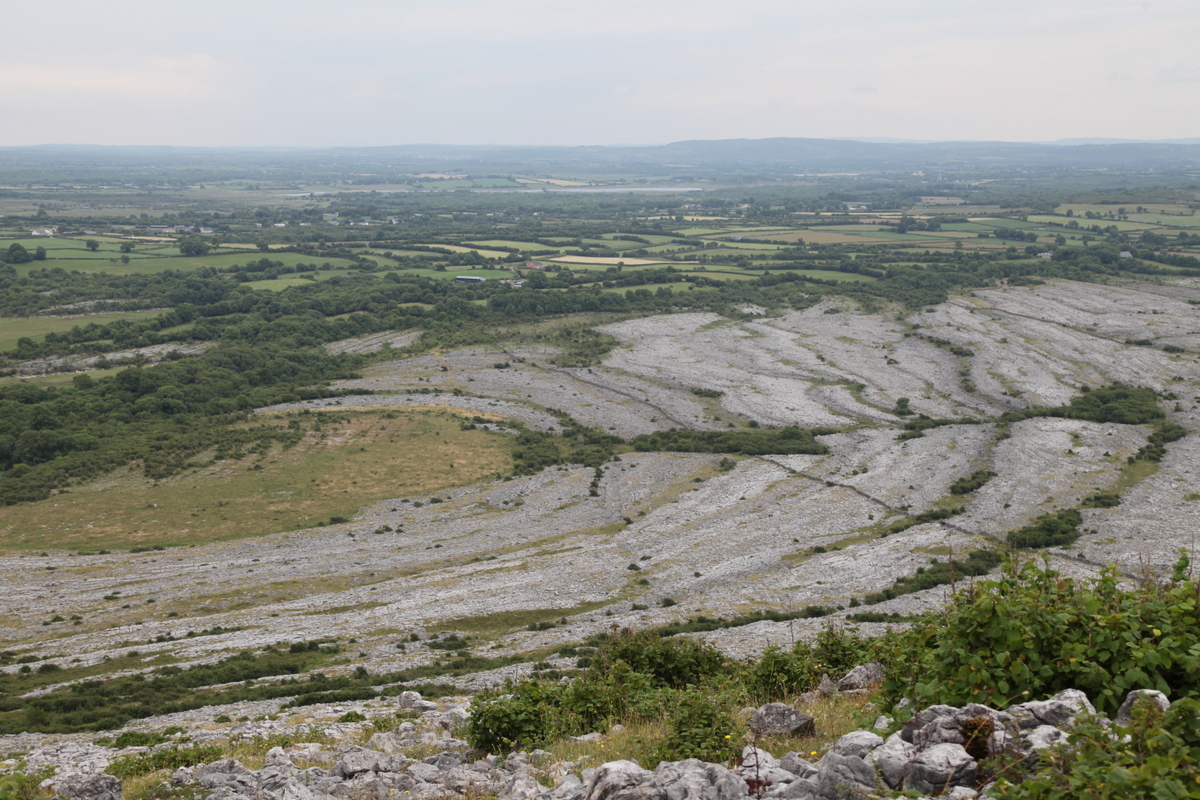
I just love the Burren – maybe even my favourite place on earth.  It is a limestone plateau in the north west of Clare comprising an amazing and varied landscape with a unique scientific and cultural stamp that sets it apart from anywhere else.  As a geologist in my former life I can appreciate the insight into geological process involved with limestone deposition and karst weathering that are usually not seen due to climatic and geological impediments or the impact of man.  I won’t go into the detail here but it is worth chasing up on google as the geological history is fascinating (well to me anyway)

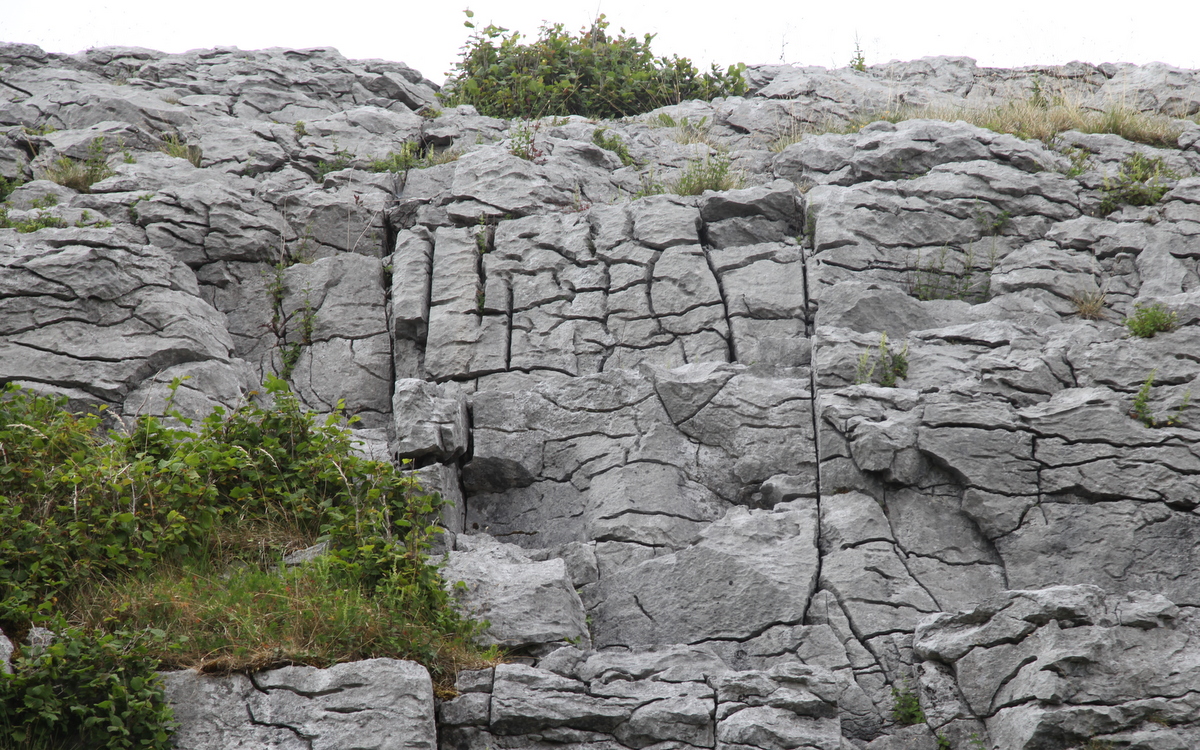
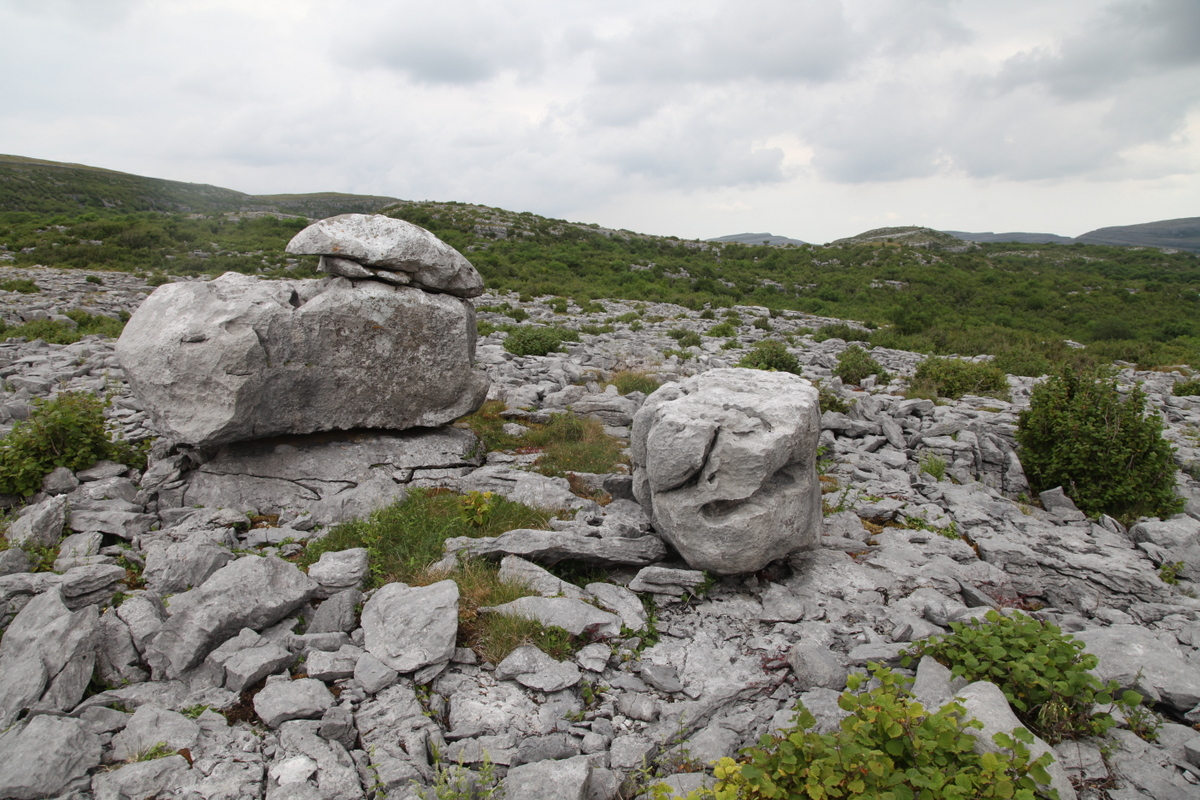
The Burren is a remarkable terrain and it is amazing how farmers eke out a living in such a place.  I love the hostile beauty of its rocky pavements and the jagged cracks and crevices (grikes and clints) and where tiny plants hang on to a precarious existence.  I love the intricate patterns (fluting and rinnenkarren) caused by the slightly acid water etching the exposed rock or the ripple marks caused by the lapping waters of an ancient sea, 320 million years ago or the trace fossils left on the sea floor by some antediluvian worm.  It is hard not to be in awe of the power of the massive glacier that ripped off the overlying cover rocks and created this majestic landscape 10,000 years ago, evidenced by giant erratics deposited from the melted ice. I love the human heritage going back to Megalithic times 5,000 years ago wth the area dotted with tombs, dolmen, ring forts and other archaeological sites to the stone walls of today marking the boundary of one seemingly useless barren field from his neighbours.

I have been there three times so far on this trip and seen its various moods and I have no doubt I will go there many more times but I thought I would post some images that hopefully capture something of the place.

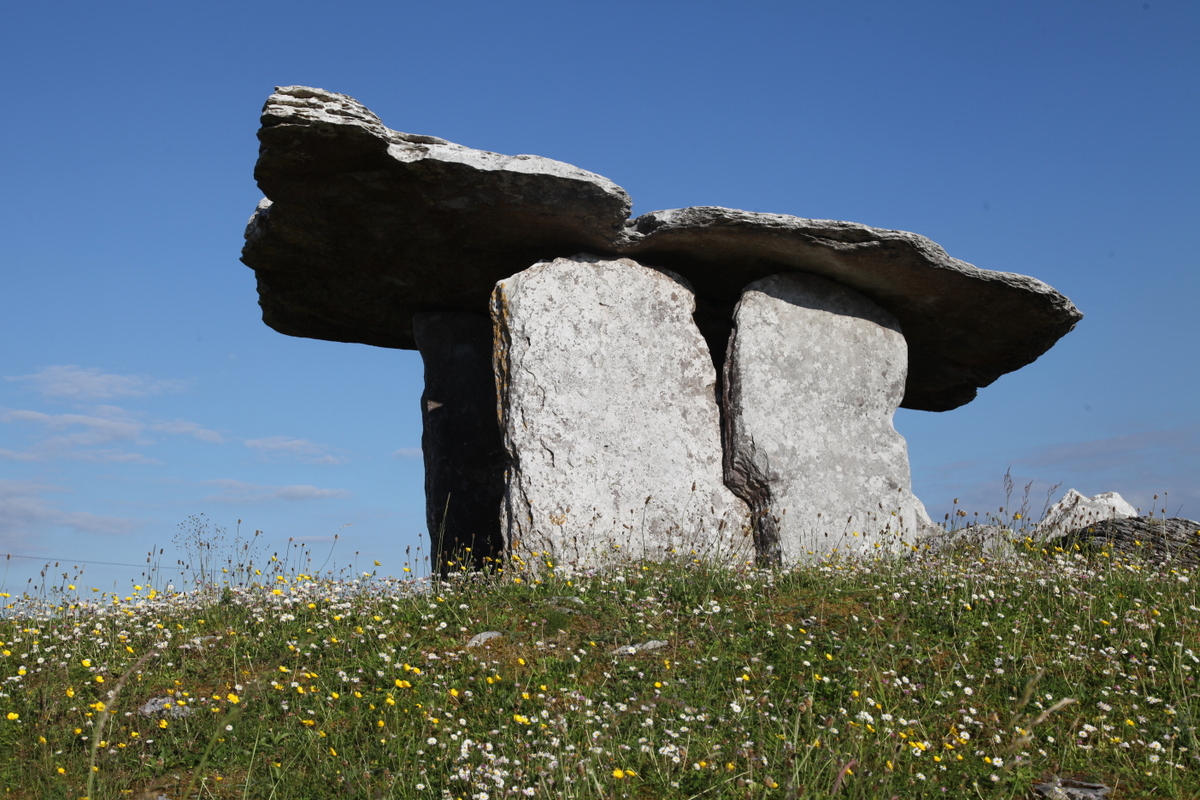
Poulnarbrone Dolmen.  The Burren

Poulnarbrone Dolmen. The Burren

Poulnarbrone Dolmen.  The Burren

Poulnarbrone Dolmen. The Burren

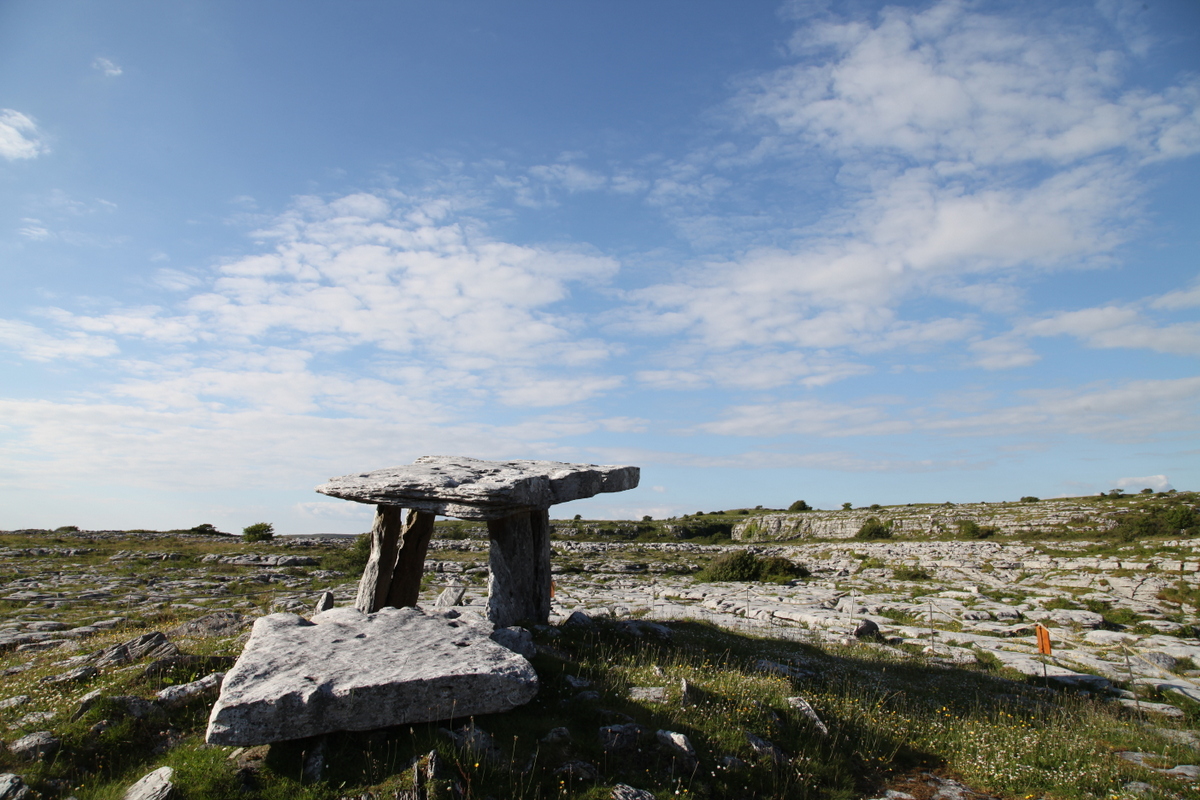
Poulnarbrone Dolmen.  The Burren

Poulnarbrone Dolmen. The Burren

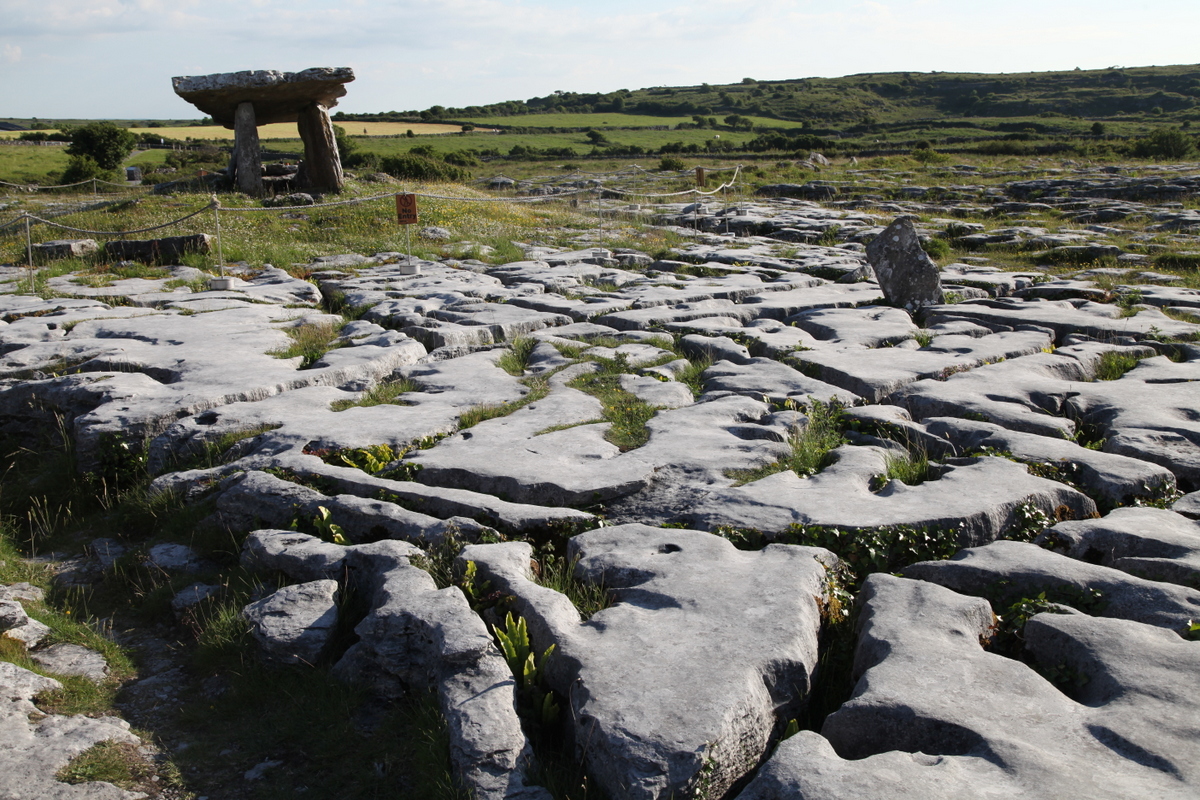
Poulnarbrone Dolmen.  The Burren.  Clints and Grikes in the foreground

Poulnarbrone Dolmen. The Burren. Clints and Grikes in the foreground

The Burren.  Flowering plant

The Burren. Flowering plant

The Burren.  Flowering plant

The Burren. Flowering plant

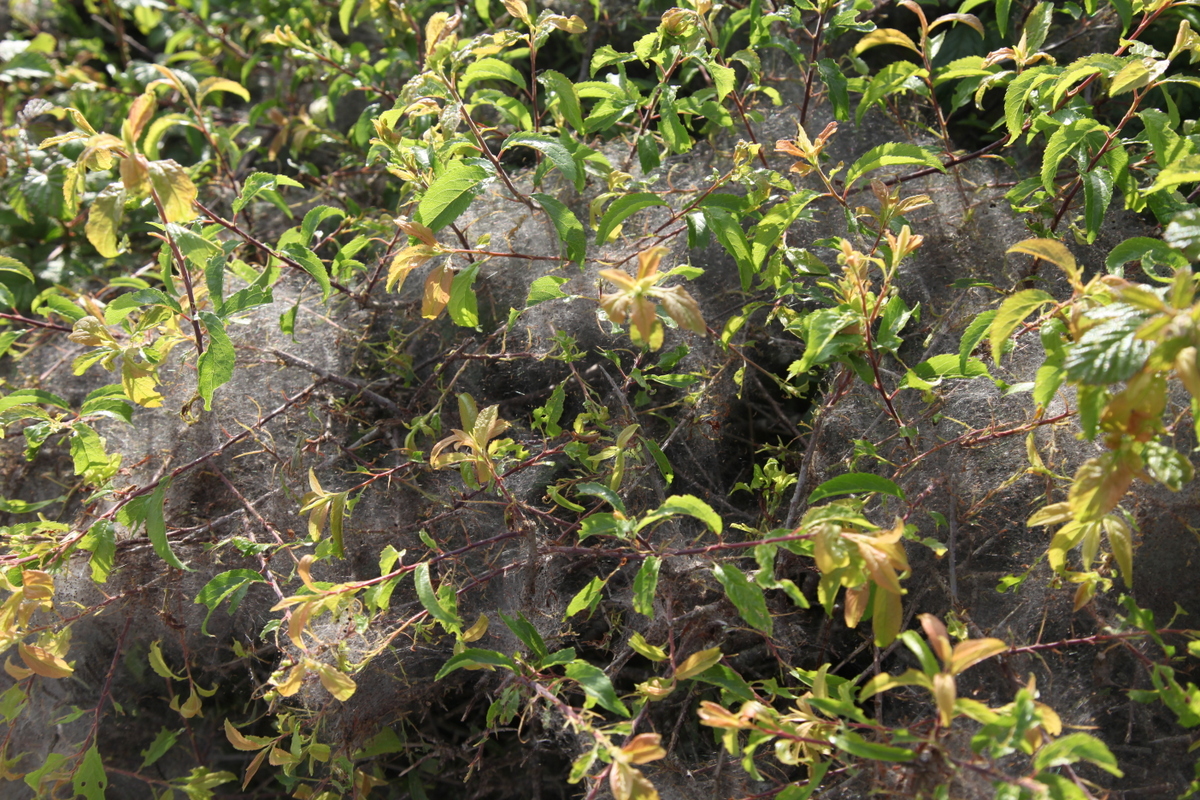
The Burren.  Fine spiders web on flowering bush

The Burren. Fine spiders web on flowering bush

Poulnarbrone Dolmen.  The Burren

Poulnarbrone Dolmen. The Burren

The Burren.  Stone fence

The Burren. Stone fence

The Burren.  Flowering plant growing in grike.

The Burren. Flowering plant growing in grike.

Limestone pavement with clints and grikes.

Limestone pavement with clints and grikes.

Limestone pavement. The Burren

Limestone pavement. The Burren

The Burren.

The Burren.

The Burren.  Cottage near Mullaghmore.

The Burren. Cottage near Mullaghmore.

The Burren.  Stone fences.

The Burren. Stone fences.

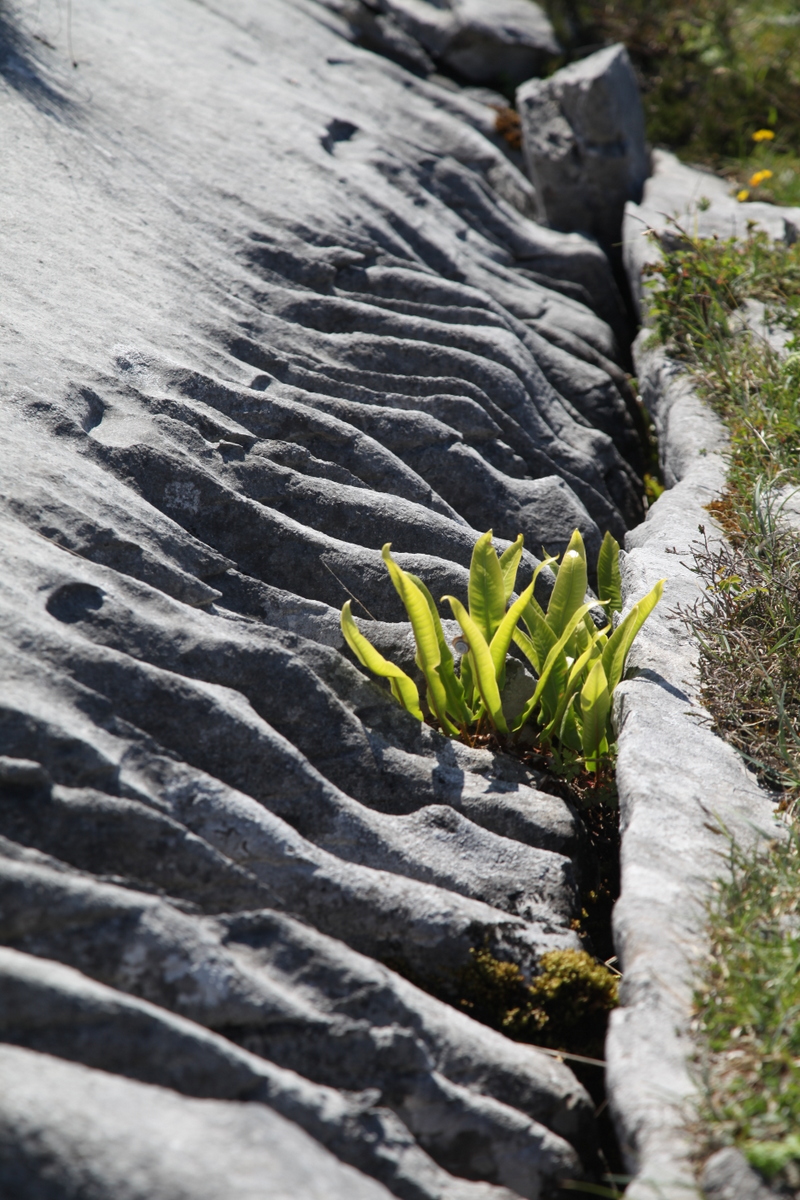
The Burren.  Fern growing in rinnenkarren near Fanore.

The Burren. Fern growing in rinnenkarren near Fanore.

Driving into the Burren

Driving into the Burren

The Burren

The Burren

The Burren. Dry stone wall

The Burren. Dry stone wall

The Burren.  Looking towards Mullaghmore.

The Burren. Looking towards Mullaghmore.

Rural landscape.  THe Burren

The Burren. Fern growing within rillenkarren.

Categories: Wild Ireland | Tags: , , , , , | 5 Comments

Blog at WordPress.com.