Posts Tagged With: landscape

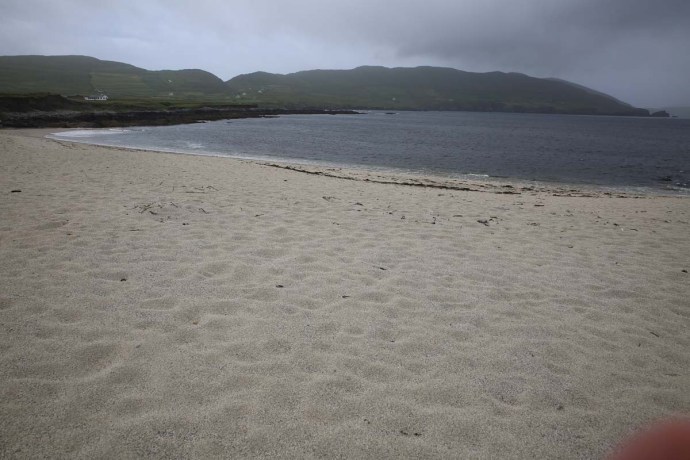
Here today, gone tomorrow? The reappearing beach at Dooagh, Achill.

Achill, Acaill, Ecaill, Eccuill, Akill, Akle, The Aukilles.

These are some of the names recorded historically for Achill Island in West Mayo. The original meaning of the name however is unknown.  This is perhaps fitting as the Island itself is somewhat enigmatic.  I am constantly surprised, as I was on my most recent visit in July 2017.

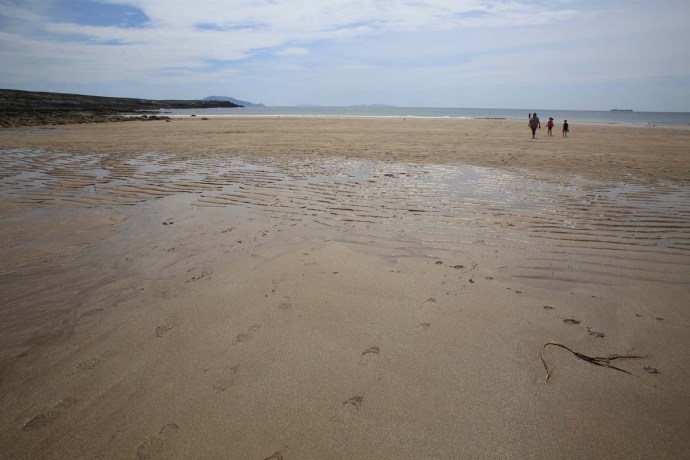
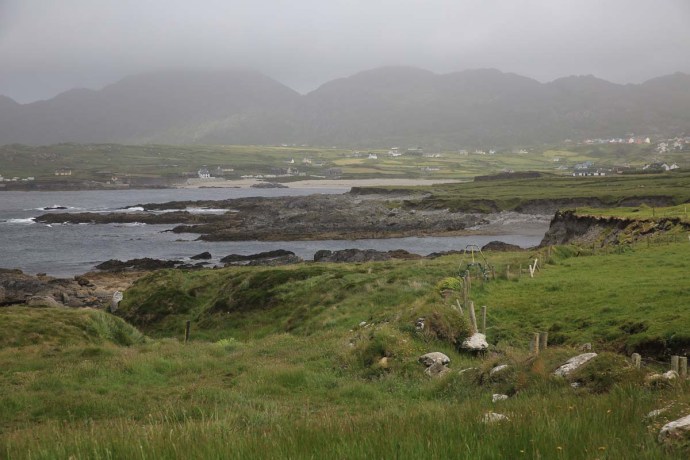
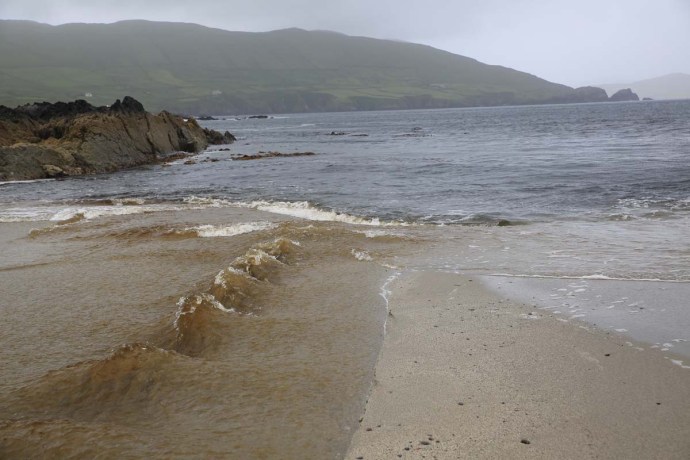
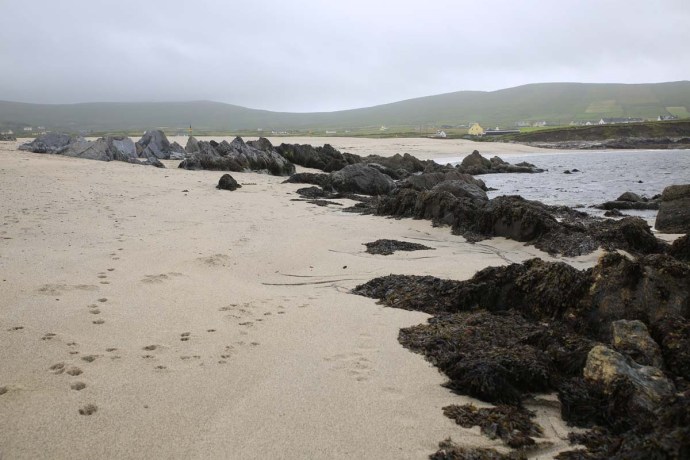
Dooagh is one of a number of pretty villages on the island.  It has variously prospered and faded over recent centuries.  It became a hub when it received villagers who abandoned their homes in Slievemore during the mid 19th century.   The village is nestled on the Atlantic shore and its wellbeing has always been connected with the sea.  Fishing, seaweed and the hotels and guest houses that lined its sandy beach.  Then in 1984 the sand disappeared.  A wild storm stripped it away to the bare rock.  The decades passed and Dooagh had resigned itself to its beach’s fate until in April 2017 the sand returned.

Dooagh beach 1

The world went just a little mad, but this is a  perfectly natural event and has apparently occurred many times before.  John O’Shea, who has lived in a house on the beach for 46 years explained “When the wind is up north the sand builds up, when the wind’s sou’ west the sand goes out.”  It happens with Keel, Dooagh and Keem Bay, he said, and it happens regularly.  But this time seems to be different. The story has gone global.   John has had phone calls from Texas, Netherlands, New Zealand asking what’s going on.  A group of Chinese came – they didn’t want to see the Cliffs of Moher they wanted to see the New Beach!  Irish Times reported it and since then the story has spread.  Al Jaziera, The Times and more recently the Guardian did a six page spread.

Dooagh beach 3

IG3C3576

A particularly high tide and favourable marine conditions along with the northerly winds has brought back the sand and boulders that had been waiting below the low tide mark.  The world has taken notice and the tourists have come.

Beaches are a dynamic environment.  Man’s desire to live close to the beach creates conflicts that are often resolved by serious intervention in the natural process.  Huge quantities of rock are sometimes dumped to protect buildings or infrastructure and prevent erosion of the land and sometimes sand is ‘shifted’ from elsewhere to maintain  a ‘beach’.

IG3C3573

What has happened in Dooagh however shows that if we just leave things alone, Nature will find a way to restore equilibrium.  Beaches disappear.  And they come back.  We should celebrate with the people of Achill the return of  its sixth beach and hope that it lasts a long time.  But if it doesn’t last and the tides and winds sweep it away, we should celebrate that too.  These natural rhythms are on a planetary time scale and rarely on a human one.

Please take note Mr Trump.

Dooagh beach 2


Categories: My Journey, Real Ireland, Wild Ireland | Tags: , , , , , , , , , , , , , , , , , , , | Leave a comment

The Beach at Allihies, Co. Cork. A Beautiful Legacy of Ignorance and Indifference.

Allihies is a very photogenic village near the tip of the Beara Peninsula. I have blogged on it before (click here).   There I gave an overview of the whole Beara Peninsula as well as highlighting the extensive history of copper mining in the area,  but I didn’t mention the pretty beach near Allihies, which I didn’t visit last time.

IG3C4137

The beach at Allihies

Back in the Beara recently, I had a bit more time and found myself on the strand during a break in the bleak weather.  This beautiful place has a very interesting back story and an unexpected connection to the mining operations located high up in the hills above the village.

The beach is a surprise.  It seems like it shouldn’t be there. The whole coastline here is rugged and rocky and apparently too wild for sand to accumulate.  And yet there it is, an extensive thick accumulation of golden sand in a protected inlet.

IG3C4147

The inlet at Ballydonegan with the Allihies Beach, the village in the background and the Caha Mountains

IG3C4028

A glorious setting and safe.

IG3C4138

Sand, water, rocks and sky

A close look however shows all is not what it seems.

The sand is very coarse.  It is also very uniform in size and it only comprises fragments of quartz and shale.  There are no organic bits or shell fragments as you would expect.  In fact is unlike any beach sand I have seen.  There are no dunes; just a thick deposit of banded unconsolidated coarse sand.  And due to the lack of fines, it is not compacted as might be expected. It is very hard to walk on and especially hard to climb its slopes.

IG3C3970

Coarse sand.  Lots of quartz and rock fragments

IG3C4098

Thick banded sand.

So where did it come from?

This is where the mining comes in.  Copper mining took place at Allihies for over 70 years starting in 1813.  In its day it was the largest copper production centre in Europe.   Allihies was remote and there were no environmental or safety controls and the Mine Captains pretty much did what they liked.  So rather than build an expensive dam to contain the tailings they were pumped into the local rivers that eventually found their way to the coast at Ballydonegan.  Standard practice then.  Environmental vandalism today.

IG3C4113

Tailings sand deposited among the rocks near the mouth of the river

IG3C4080

The mouth of the river.  Some unusual giant ripples.

So what are tailings?  In hard rock mining the rock containing copper minerals is brought to the surface for processing.  The total percentage of copper minerals may only be about 2-5% so over 95% of the rock mined must be disposed of.  It is crushed and then the copper minerals are separated with the remainder of the rock disposed of.   It was lucky that the processing this time didn’t involve toxic chemicals so the tailings was reasonably clean.   It accumulated at the mouth of the river and eventually the Atlantic Ocean converted it into a beach.  The vast majority of visitors are probably totally unaware that it is man-made.

It is a pretty place.  A great safe swimming beach and stunning views.  It is ironic though that in the 21st century it is one of the attractions of the area whereas two centuries ago it would have been a major blight on the landscape and that a place of such beauty exists because of man’s indifference and ignorance.

IG3C3991

Tranquil and empty.  Mid June.

IG3C4038

Not quite empty.  Holiday makers from the popular adjacent caravan park


Categories: My Journey, Real Ireland, Wild Ireland | Tags: , , , , , , , , , , , , , , , , , , , , , | Leave a comment

Glenties and the Blue Stack Mountains; The beating heart of Donegal fiddle music.

I hadn’t planned on going to Glenties. Don’t get me wrong it’s a delightful place in the west of Donegal set in mountainous country and its lovely leafy village setting is a surprising contrast to the treeless wild of this part of the world.

I had just spent a wonderful week of music at the Scoil Gheimhridh Ghaoth Dobhair (a winter school for traditional music at Gweedore) and was ready to go home. It was the last night and the final session was coming to a natural exhausted conclusion. I was saying my goodbyes when Sile Friel of the renowned Glasgow/Donegal based Friel Sisters asked if I was interested in attending a session the next night. This is how the conversation went.

Sile        “I’m trying to organise a session with a few of us and the Campbells at Glenties”

Me         “Um. Who are the Campbells?”

Sile        “You’ve never heard of them? Jimmy and Vince are fiddling royalty up here”

I felt embarrassed by my ignorance. But my interest was of course piqued and my travel plans instantly changed.

Next morning I headed south taking a detour to the Glengesh Pass (between Glencolmcille and Ardara), which ironically I had visited earlier in the year on a miserable summer day in stark contrast to this glorious winter’s day. Well worth the detour.

ig3c9620

Glengesh Pass.  On a sunny day in the middle of winter.  January 2017


ig3c7771

Glengesh Pass.  The same view on a foggy day in the middle of summer. August 2016


But my main objective was a little pub a few kilometres from Glenties in the middle of the Blue Stack Mountains.

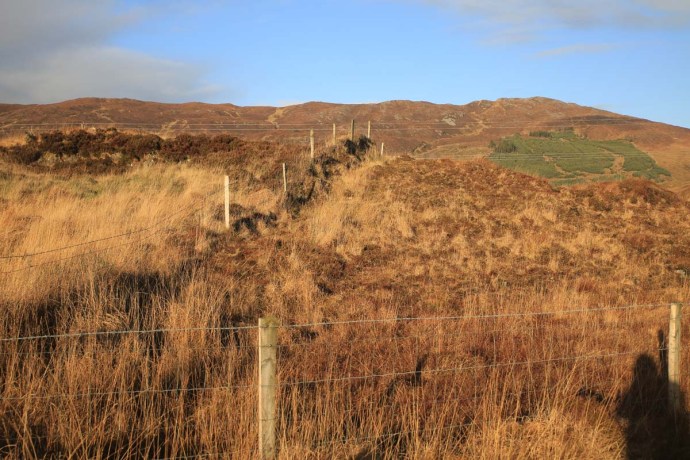
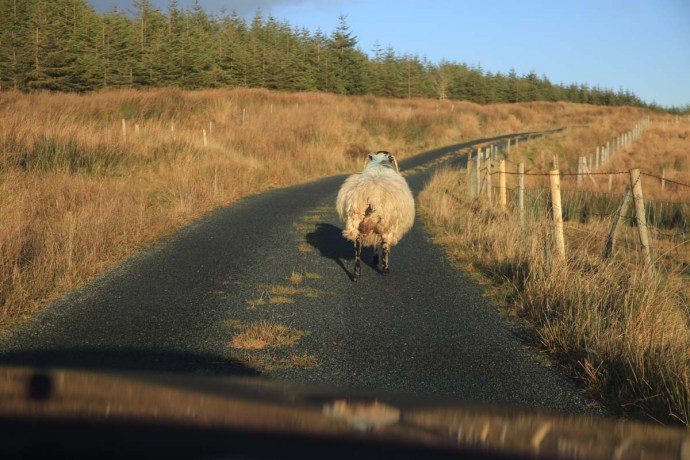
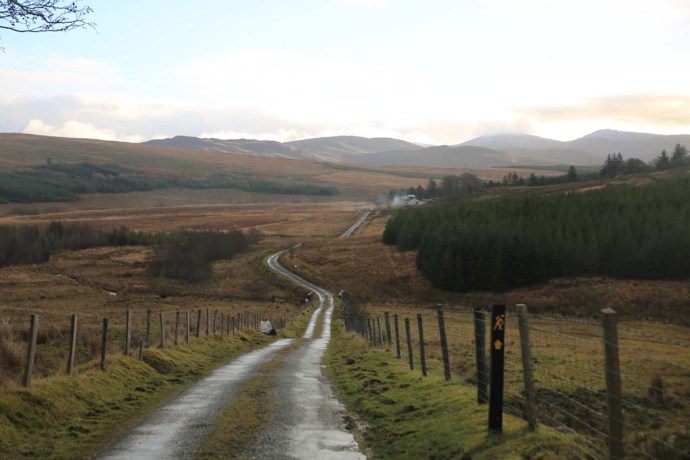
I spent the afternoon discovering the Blue Stacks, also known as The Croaghgorms. It is the most significant mountain range in Donegal, separating the north from the south. Typical bare, rounded hills with the characteristic remote wilderness feel to it that makes Donegal so appealing. The special winter russet colour which takes on a red tinge when the sun shines.  And not a tree, except the occasional pine forest.  I took random roads, which turned into random lanes and then random boreens. It was beautiful but scary. The roads were so narrow that there was no chance for two cars to pass and there was bog on either side. And being so remote there were few houses and fewer laybys. I drove in fear of meeting someone and having my reversing skills challenged over distances measured in hundreds of metres.  This world though is well off the commuter trail and the major road traffic was of the four footed kind.

ig3c9732ig3c9649ig3c9676

ig3c9663ig3c9657ig3c9683

I arrived at the Glen Tavern (everyone calls it Dinny’s despite that name not appearing anywhere on the building) a respectable period before the nominated time of 7 pm. Of course I should have known better.

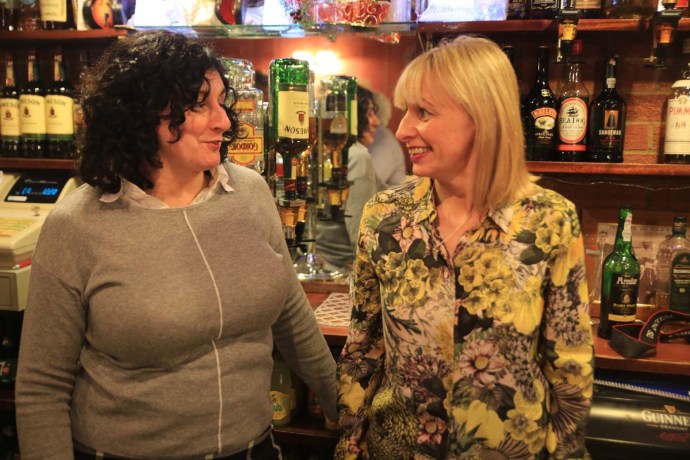
I had plenty of time to get to know the owners, Annie and Mary because it was at least an hour before the first patron arrived let alone musician. And then some. Of course, I was made to feel very welcome. I guess an Aussie fiddler tuning up was a bit unusual.  Or maybe it wasn’t.
ig3c9967

Mary and Annie.  Mine hosts at Dinny’s


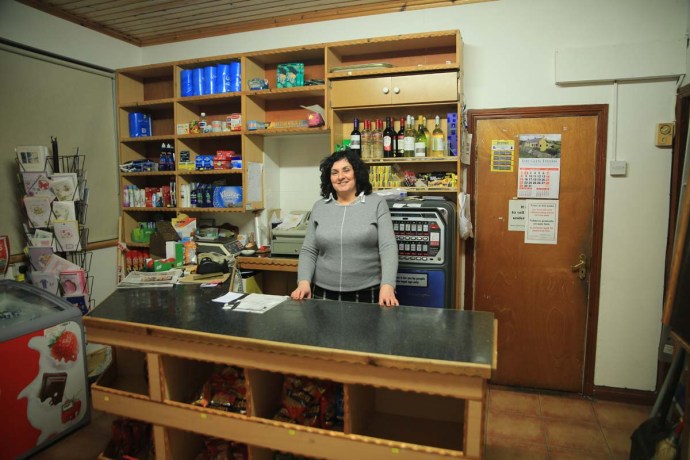
The first surprise is that you enter the pub through a little shop. Just your basics mind you, but a shop nonetheless.
ig3c9950

Open for business.


As well as a shop and a bar it is also a residence. A door to the right took me into the now empty bar. Cosy and inviting with those corner lounges so typical in Ireland just waiting to be filled with musicians. This looked like a great place for music. But not right now.

I settled down for a chat with Mary and Annie and a glass of Jamieson and heard the stories of this place and its music. In my ignorance I had not realised that these mountains and this pub were at the beating heart of Donegal fiddle music.
ig3c9958

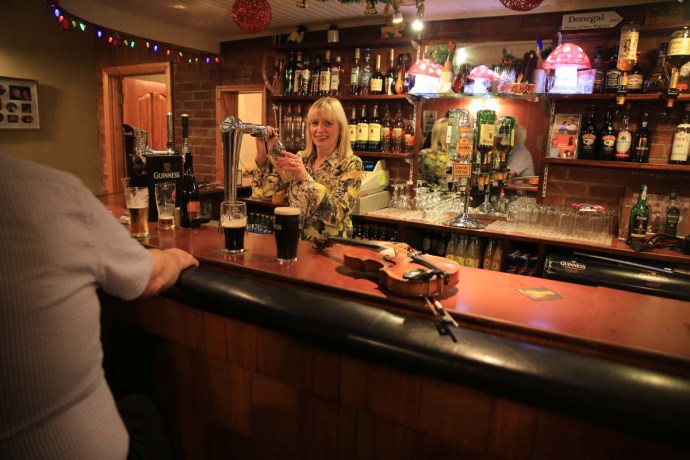
A bar with an house fiddle is my kind of pub.


The legendary itinerant master tinsmith and fiddler Johnny Doherty lived in these parts and played here and the Campbells (who Sile had mentioned) are a direct link to that legacy. Vince and Jimmy learnt their music from their father who played with him. Johnny had stayed with the Campbells as he had in many houses across the mountains.  I had inadvertently walked into this time capsule.

Gradually people arrived. Peter Campbell, Jimmy’s son, also a fiddler and Condy Campbell; not sure where he fitted in but he took up what looked like his regular spot in the corner and settled in for the night.

Two hours now and the musicians who were coming from Gweedore had yet to arrive. Occasional texts from the Friels advised they were ‘on their way’. But this is Ireland. Turns out they called in to visit Danny Meehan, another legend of Donegal fiddling and he wouldn’t let them go. I’m sure there’s a great story there.

So it was well after 9.00 pm when they finally arrived and then another half hour before the tunes began.

The place had gradually filled (I’m sure there were a few more Campbells among the crowd) as the pipes and fiddles took over. Joining Sile Friels on pipes and sister Clare on fiddle were brothers Fionnán and Iarlaith Mac Gabhann, from Dublin, on pipes and flute.

ig3c9822

Peter Campbell, Fionnan Mac Gabhann, Clare Friel, Sile Friel and Iarlaith Mac Gabhann at Dinny’s


The music was sensational. We were in full flight with, of course, a heavy smattering of highlands, mazurkas, flings and a waltz or two, which , for the most part, I had to sit out. We even played Donegal’s only polka. Well that was what I was told. We got the story of that tune from Condy but I have to be honest, I can’t tell you any of it because with his thick, but delightful, brogue, I didn’t get a word.

The musical visitors had decided to move on so about 11 they started to pack up ready to go. Then Jimmy Campbell arrived. That changed everything. “Just one for the road”.  Jimmy insisted that they keep playing and he just sat and listened. In that peculiarly endearing Irish way he would interject with “lovely”, “lovely”, which is surely the ultimate accolade. And it was meant.
ig3c9889

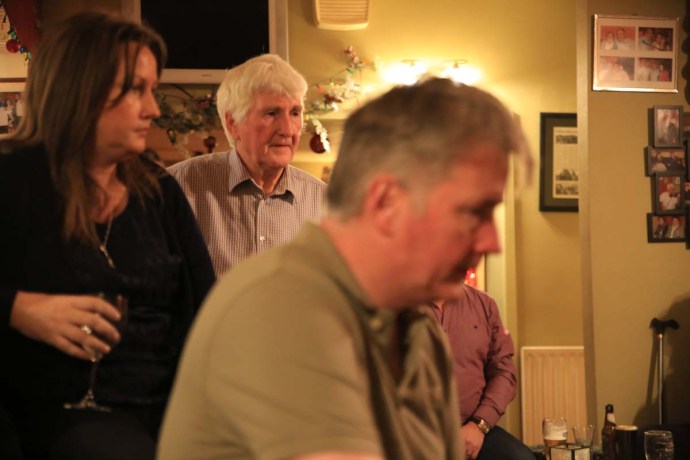
Jimmy Campbell watches and listens.


He was persuaded eventually to grab a fiddle. “I can’t play” he said wryly. “I can’t play like that”.

But he did and he could! No one joined. It was our turn to admire and just listen. He played solo and he played with son Peter.  The boys from Dublin had never been to Donegal before and I could see the reverence and joy writ all over their faces at hearing this music. I felt the same. Here was a whole world of playing I knew nothing about.
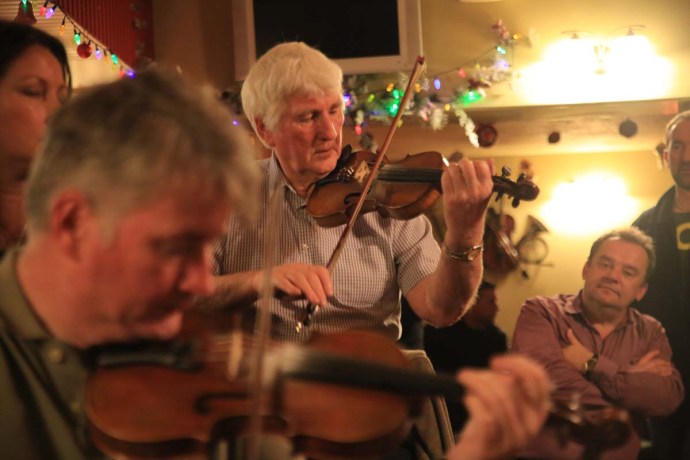
ig3c9907

Father and son.


ig3c9933

A good tune followed by a good laugh.


Of course no one left and the musical conversation continued until 1:30 am. Even the goodbyes took an hour.

I had the chance to sit and chat to Jimmy. A nicer gentleman would be hard to find. Nearly 80. He had left Donegal and lived in London much of his life but was now back home. His son Peter, born in England, followed him back. He is full of tales. A session with Jimmy is an experience. It is beyond now. Every tune has its moment. Often there are no sets. Just a single tune. We hear about where he learnt the tune or who wrote it or the story behind it or where the name came from. The tune is a window into a social history. With his words it ties us to people, time and place.

It was a special evening. Two worlds meet with both embracing each other. Music was just a facilitator for people to connect at completely different levels. A good session is more than just playing tunes together. This was a good session.

The beauty is though that I can take something away with me. On the wall is a framed musical notation of a tune, The Jack in the Tavern, written by Jimmy. It’s on my to-learn list now.

ig3c9945

To think that but for a chance conversation with Sile I would have missed this. That’s how it is in Ireland.

Happenstance and serendipity.

There is a music weekend every year in the Glen Tavern in September and I have marked it in my calendar already. Try and keep me away.

Hopefully I will have learnt Jimmy’s tune and a few more highlands and mazurkas by then.

.
Categories: Sessions, Stories, The Fiddle, Trad Irish Music, Wild Ireland | Tags: , , , , , , , , , , , , , , , , , , , , , | 2 Comments

Wild Connemara

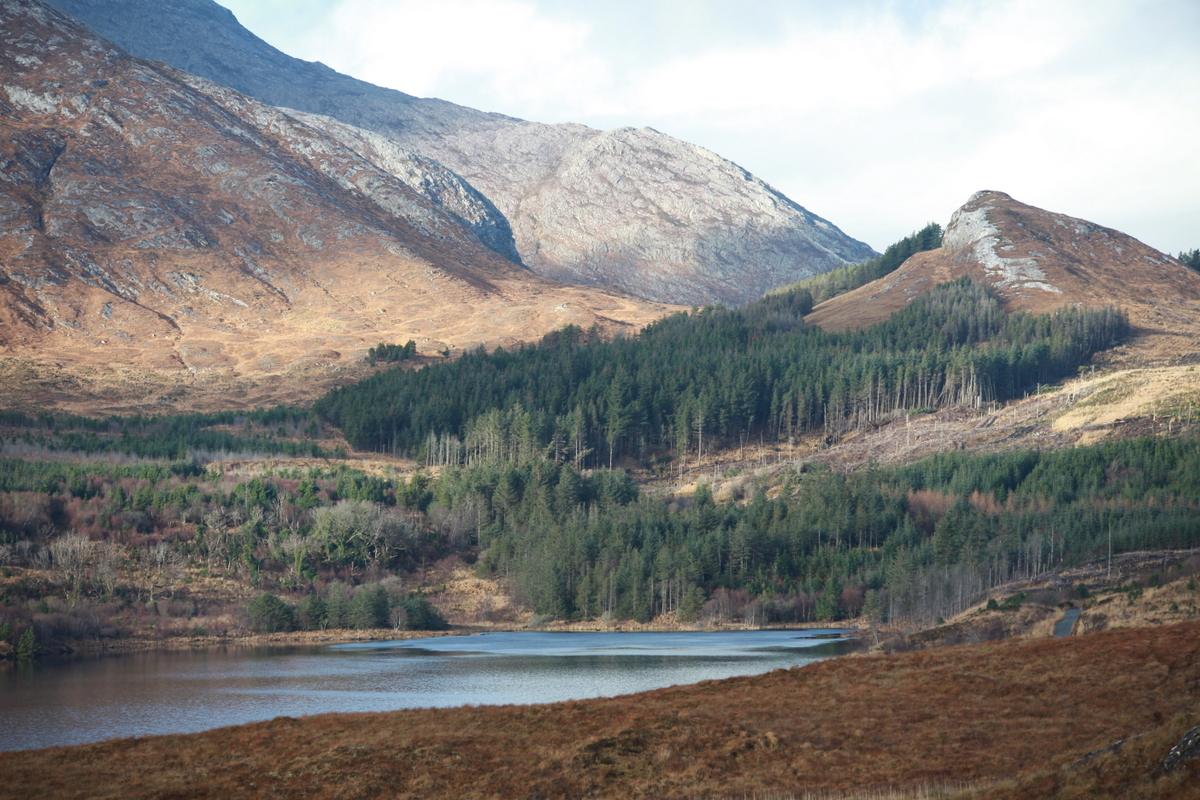
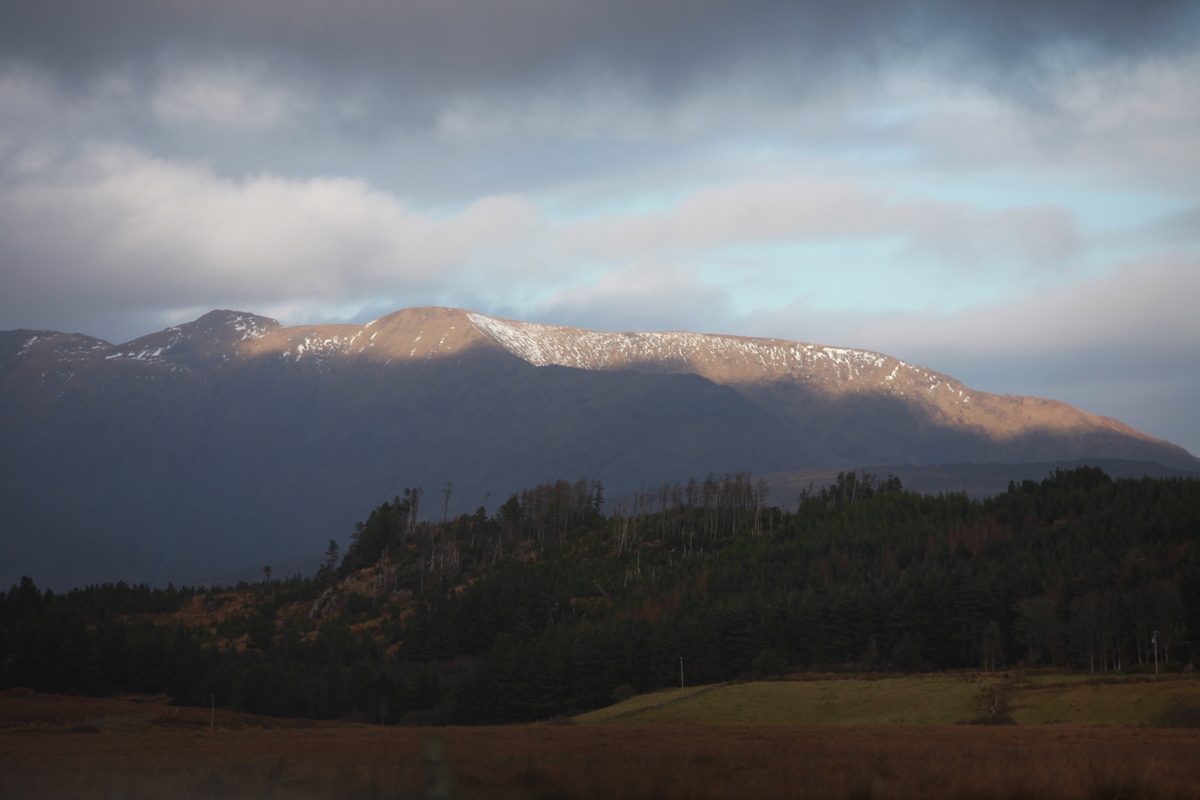
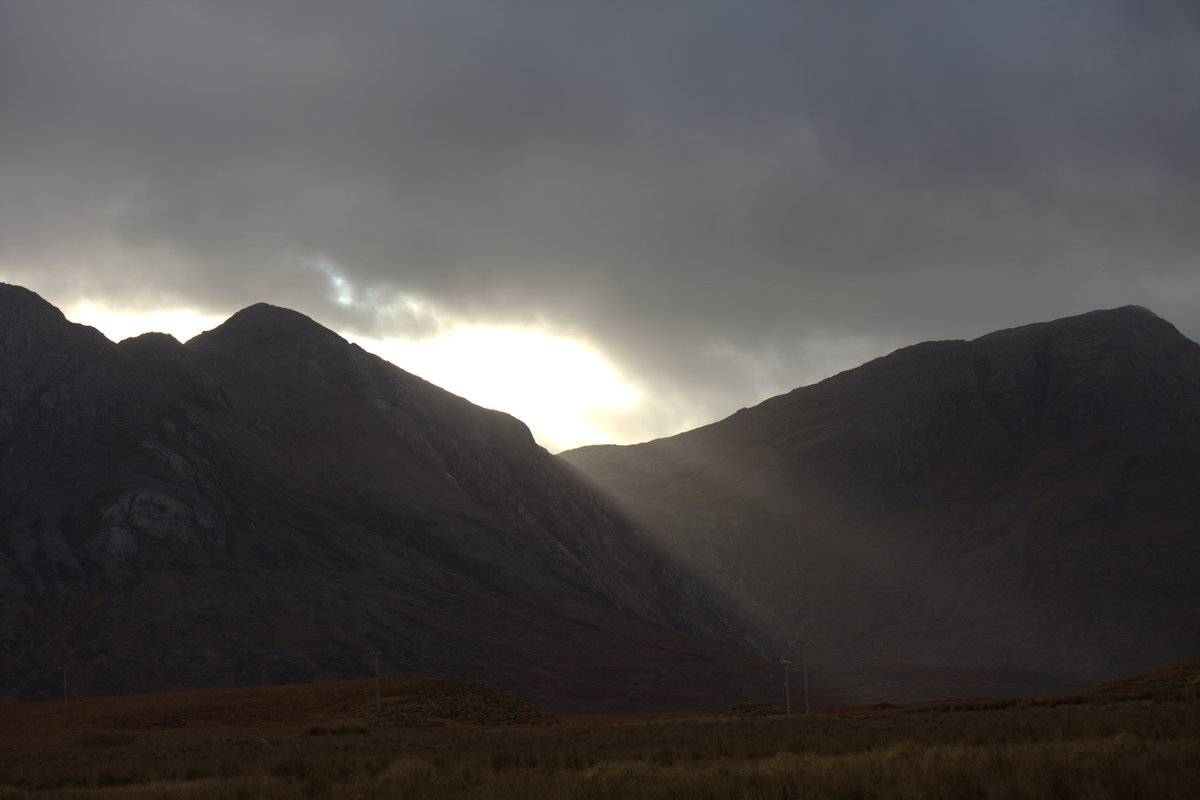
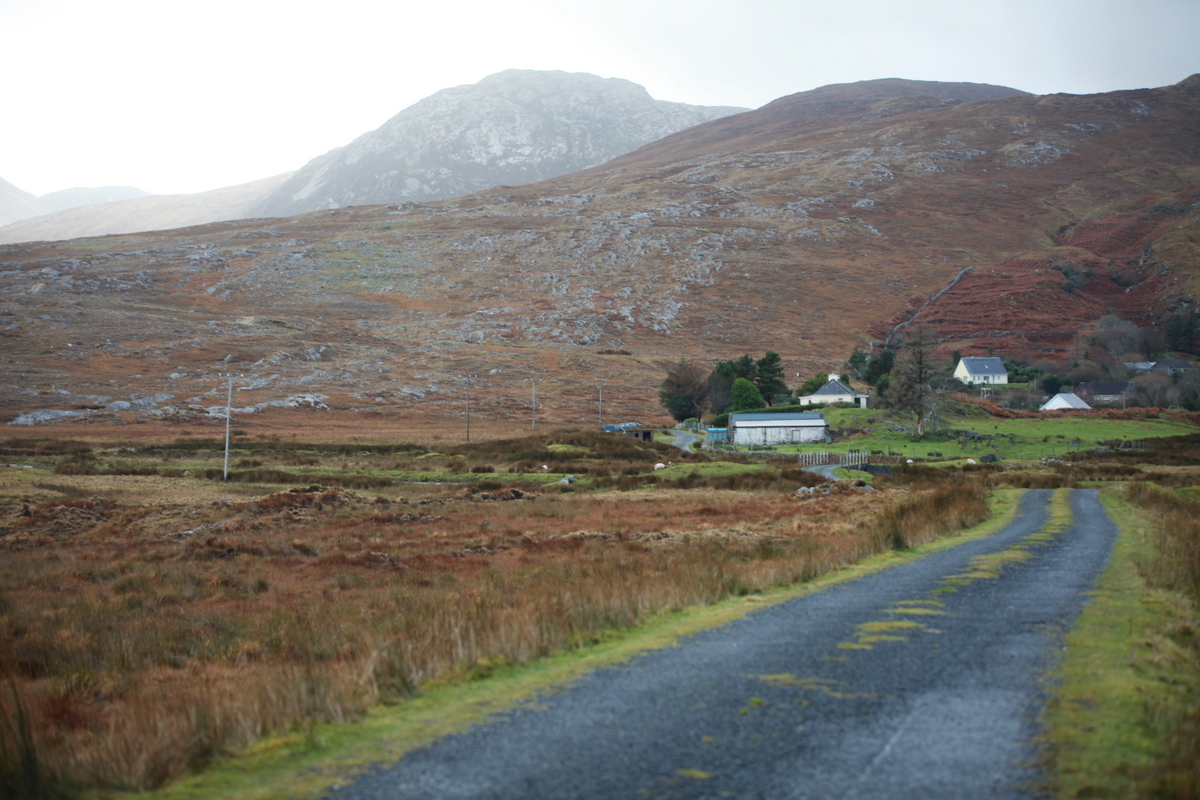
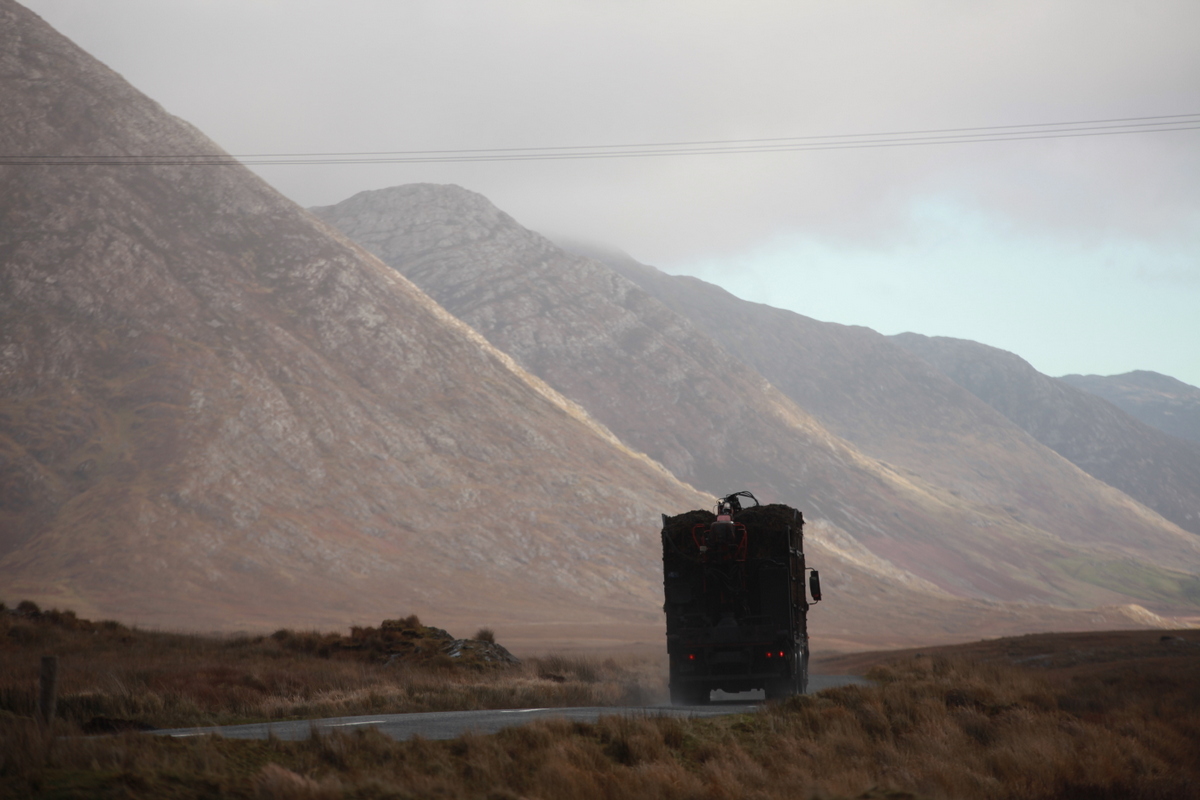
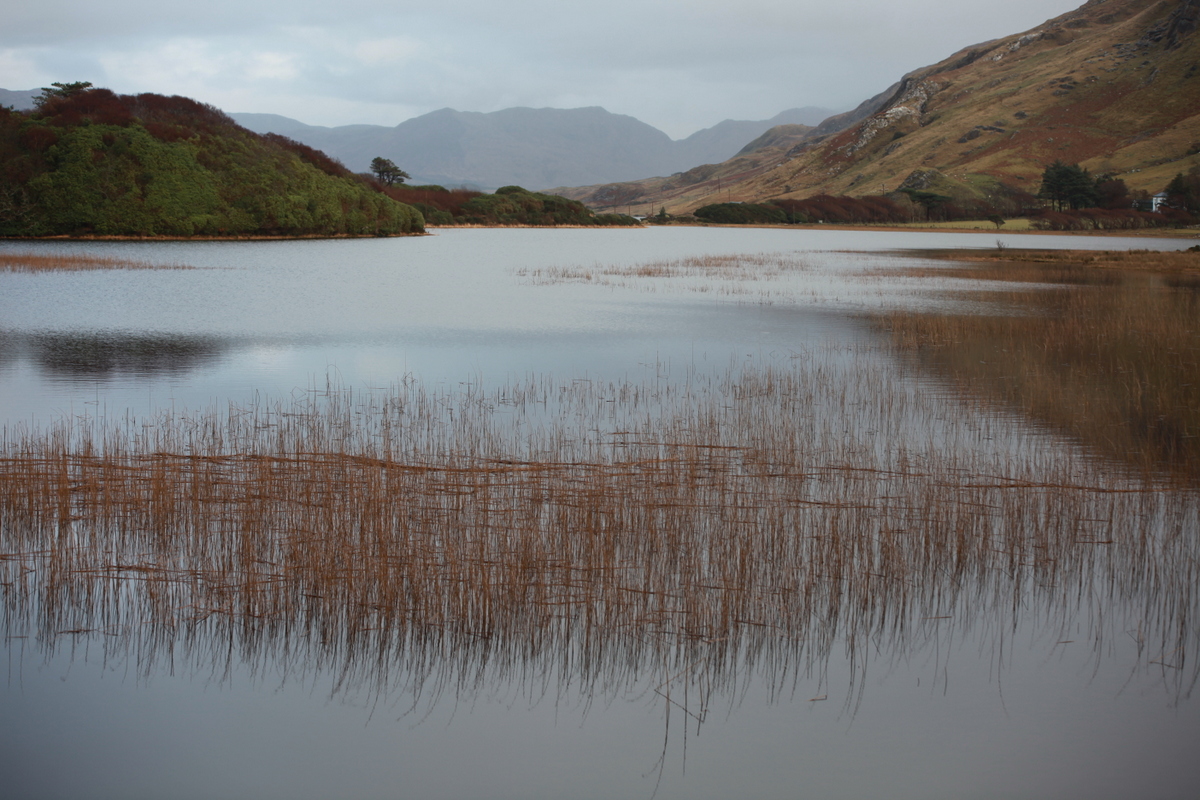
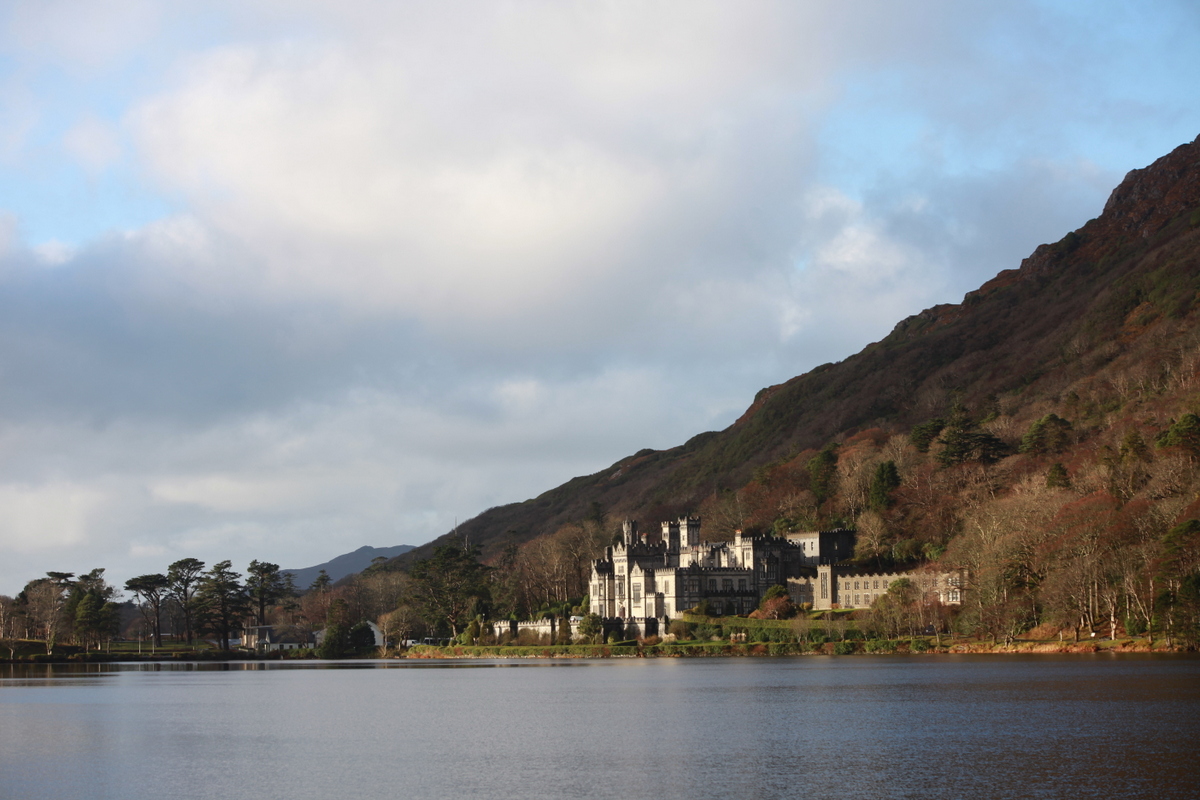
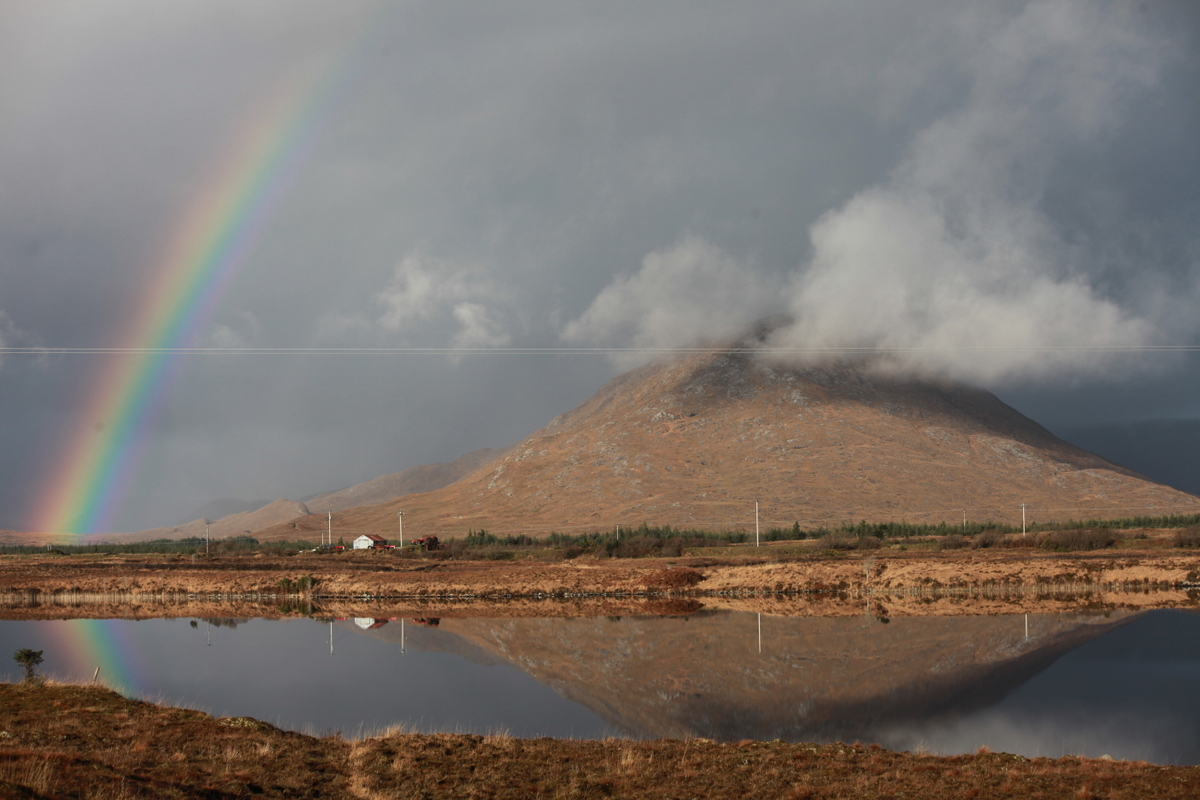
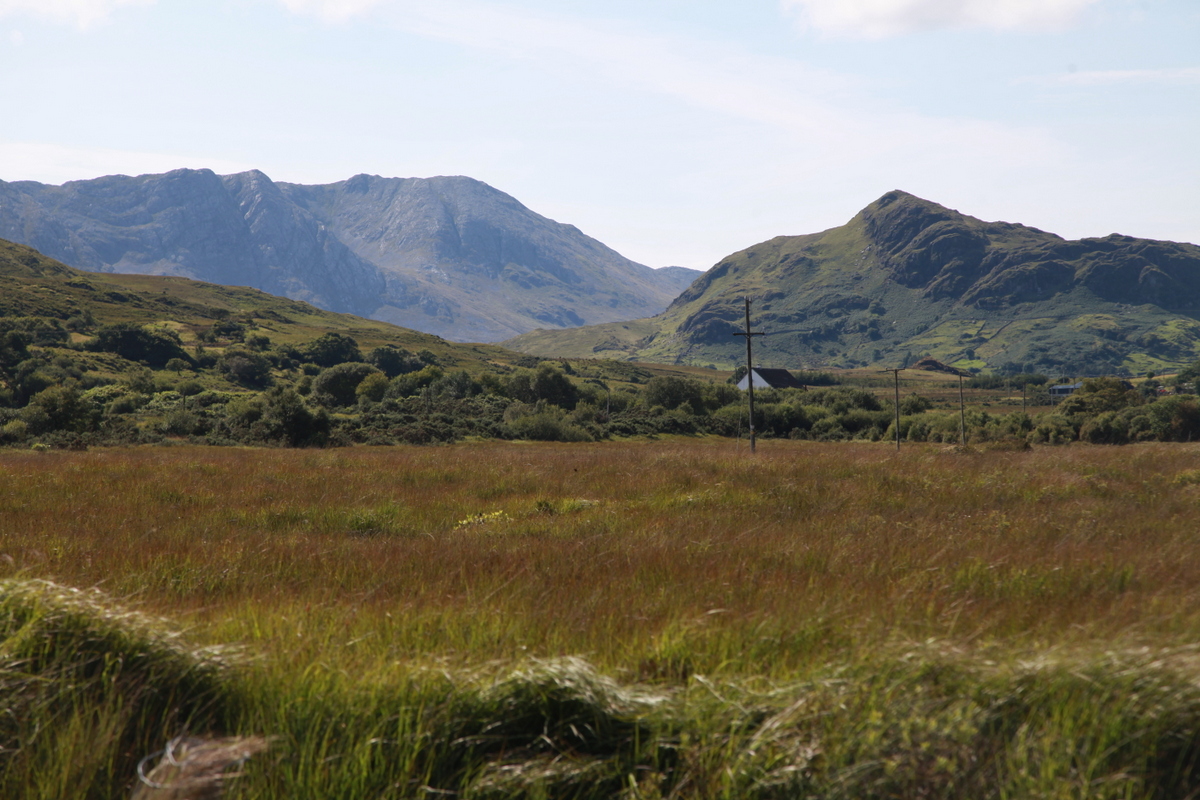
My last post was on my musical journey through Connemara and Galway. In this post I want to concentrate on the spectacular physical beauty of this part of Ireland.
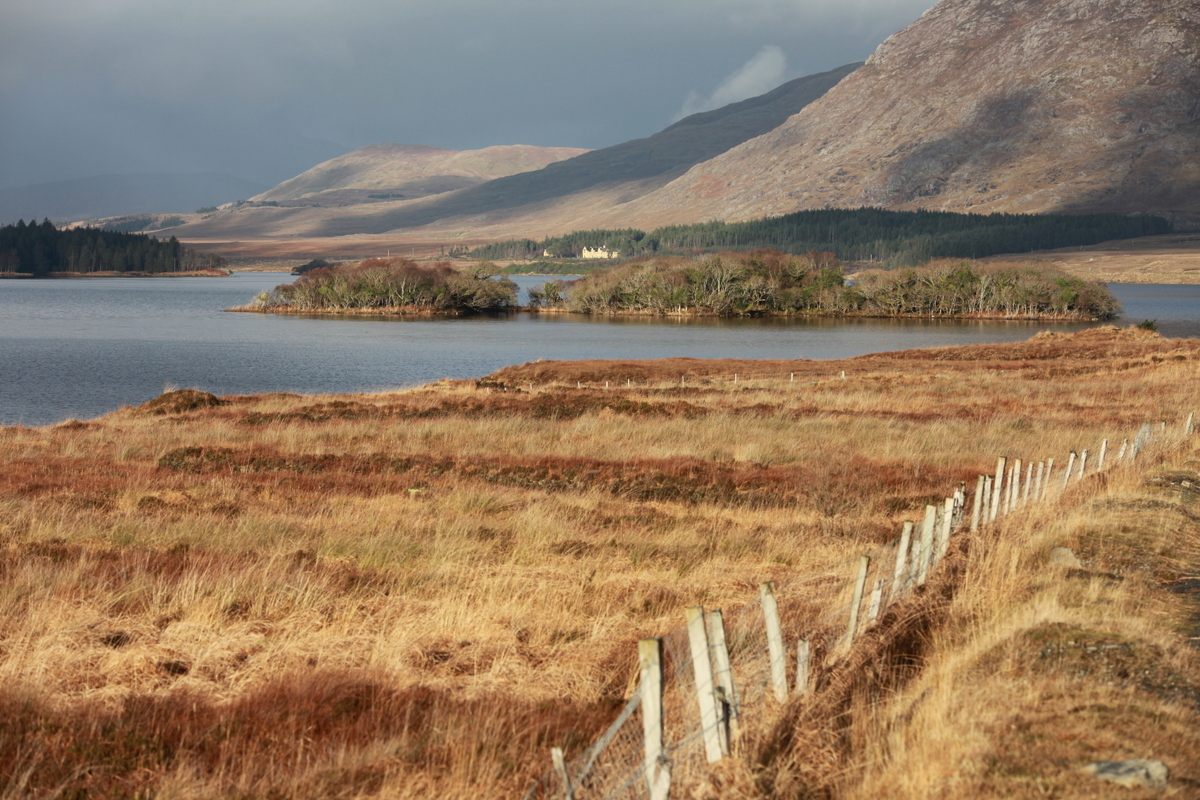
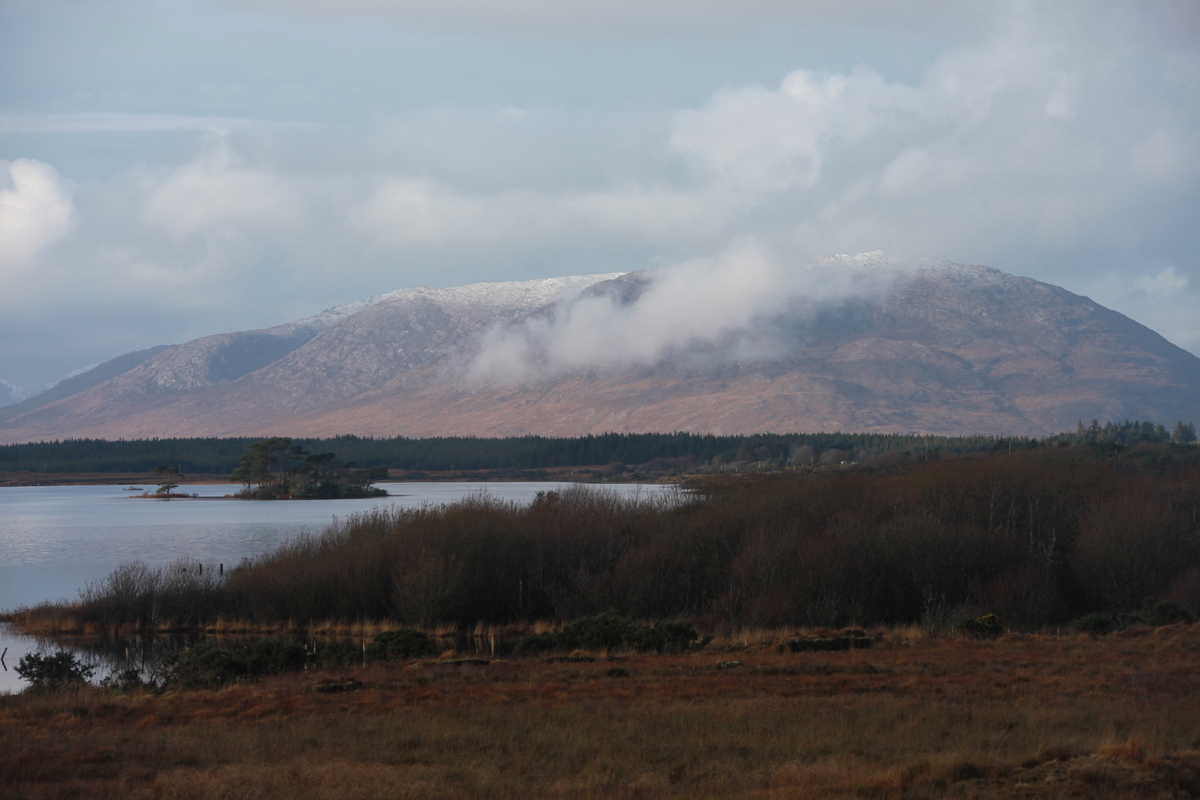
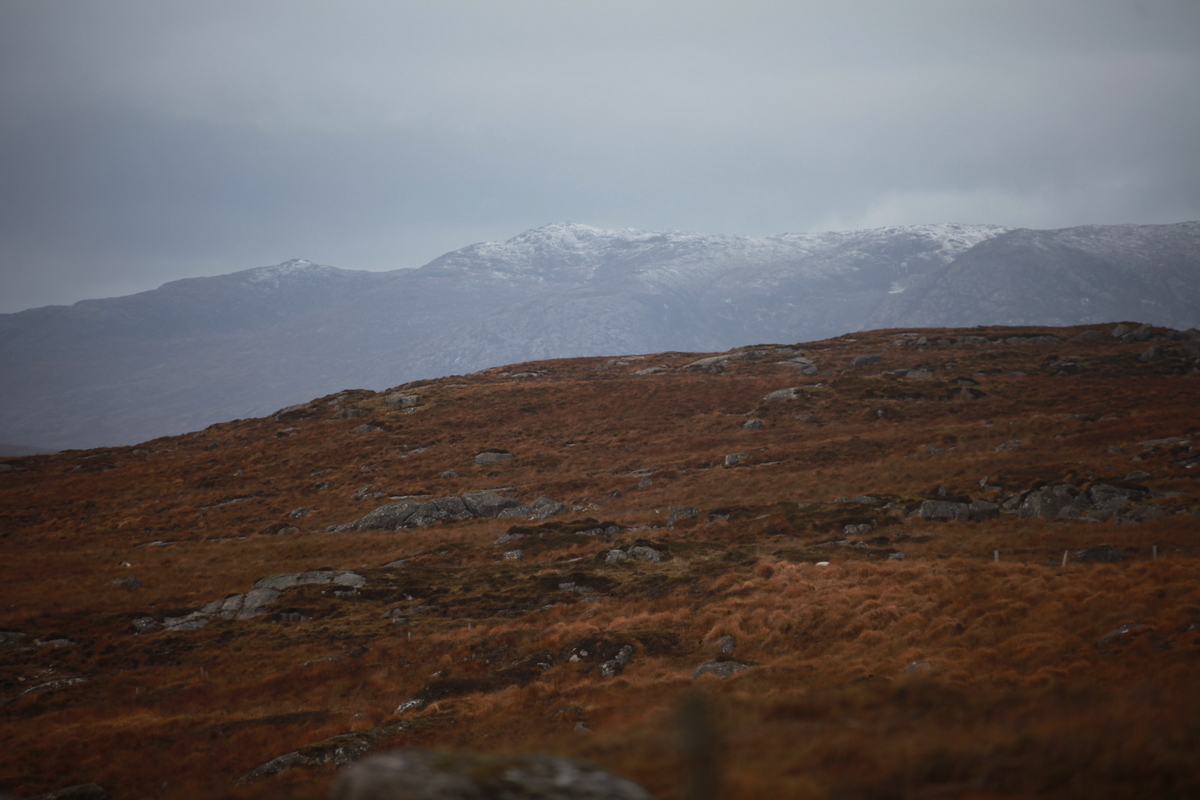
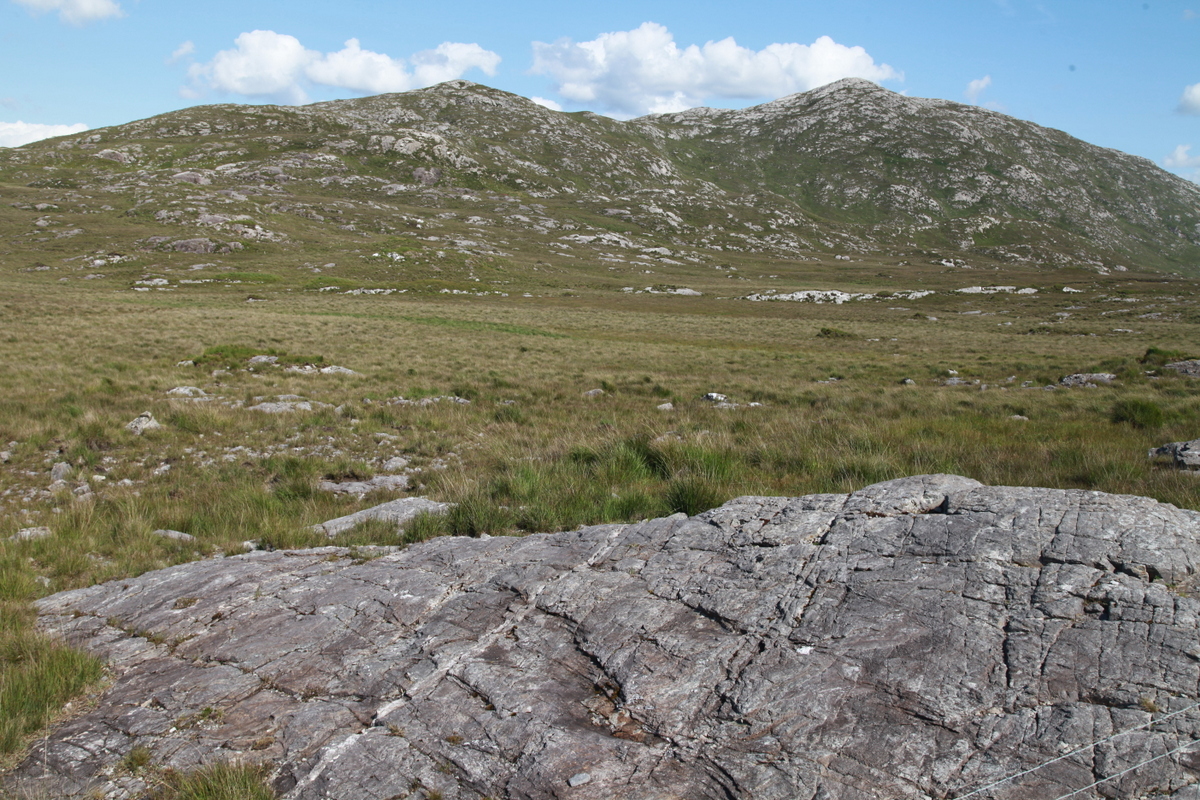
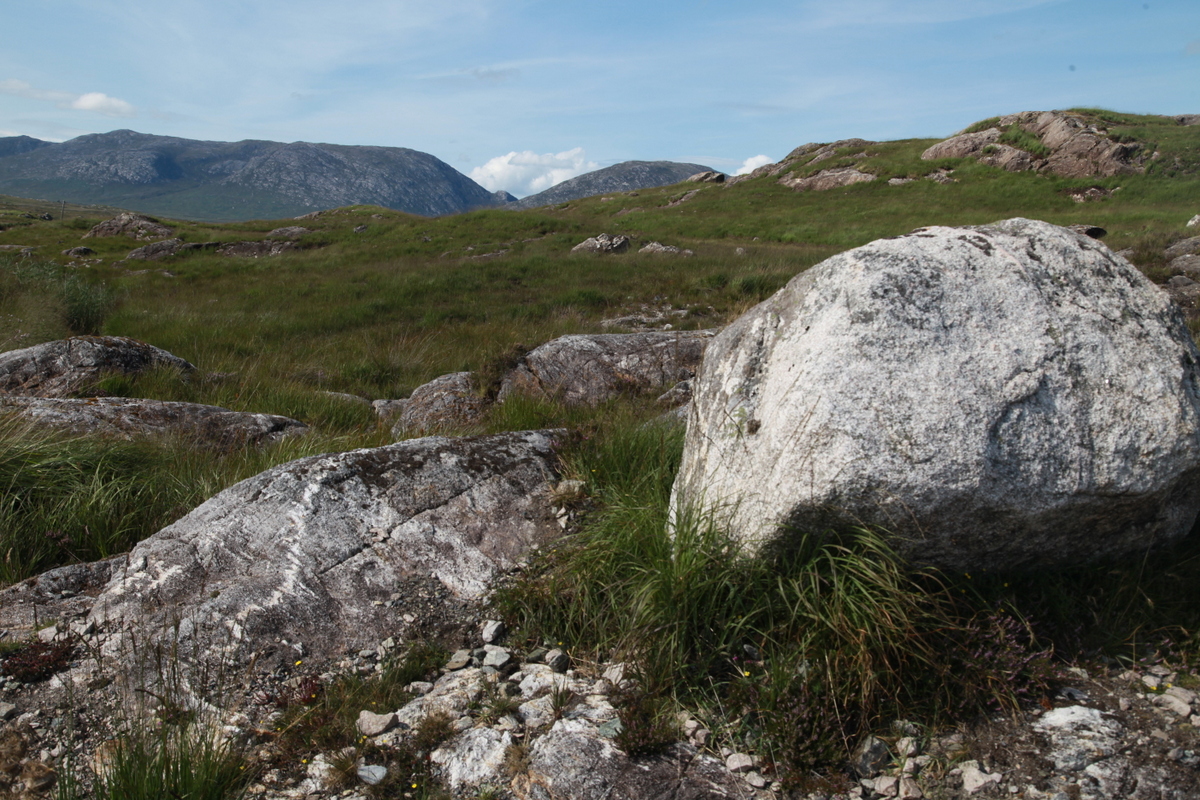
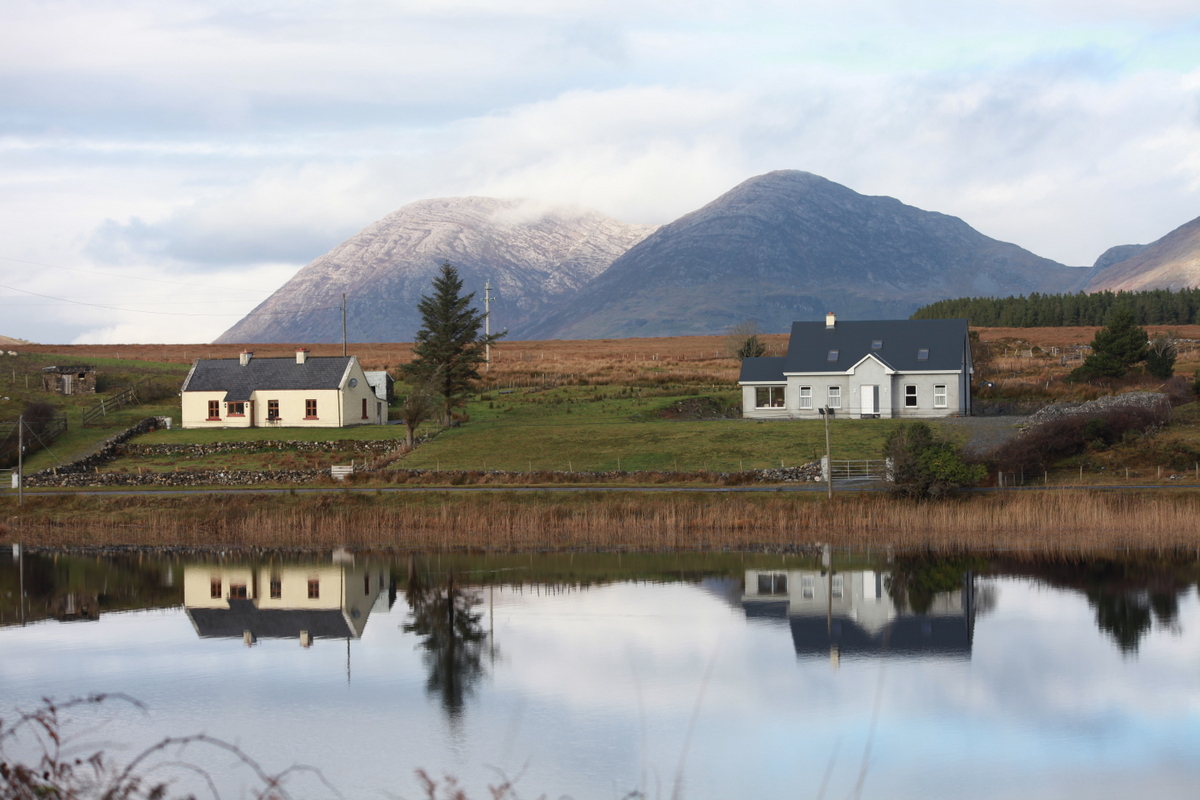
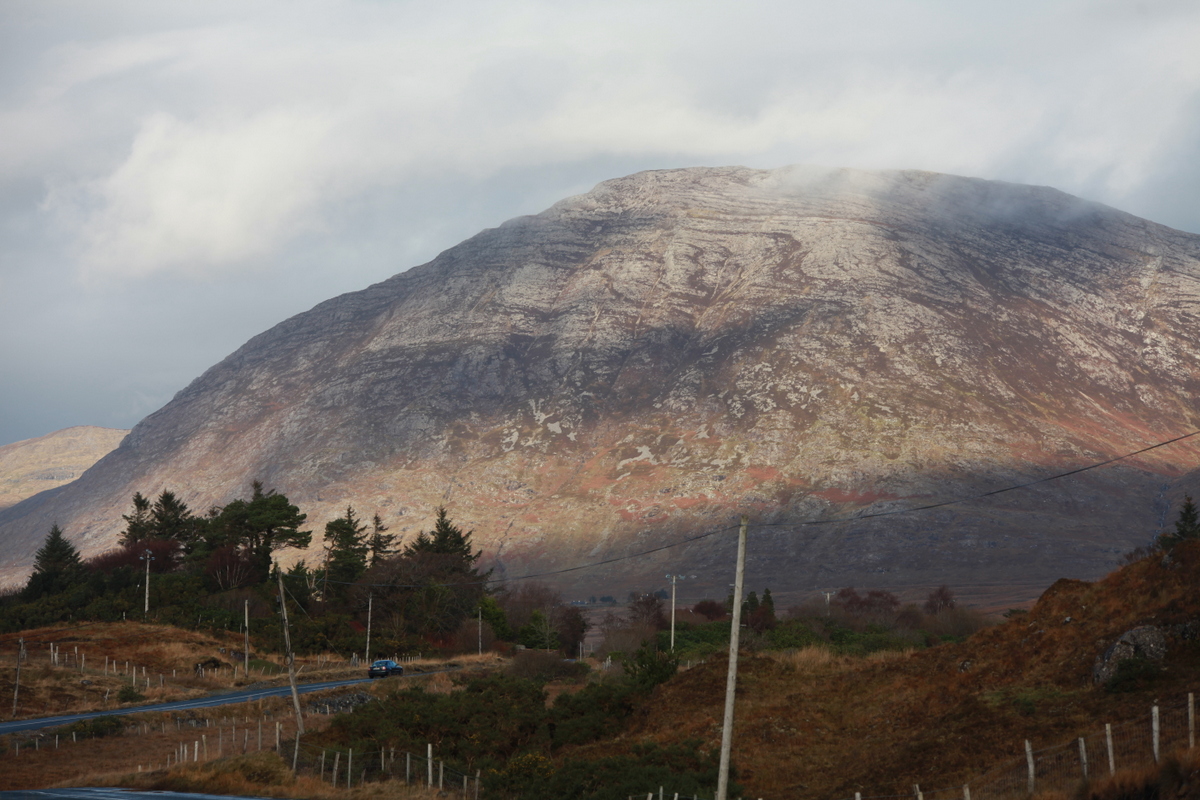
Connemara is an ill-defined area in the west of Galway incorporating mountains, seascapes and bogs. It is hard not to talk about it without resorting to clichés – wild, rugged, unspoilt; but this is a part of Ireland that almost defies description, it is so beautiful. So I have tried to capture its beauty with the lens. A tall order.

I have visited it three times – just driving through, but on each occasion I was lucky enough to be blessed with patches of sunshine which displays the hills and lakes at their glorious best. Sometimes achingly so.

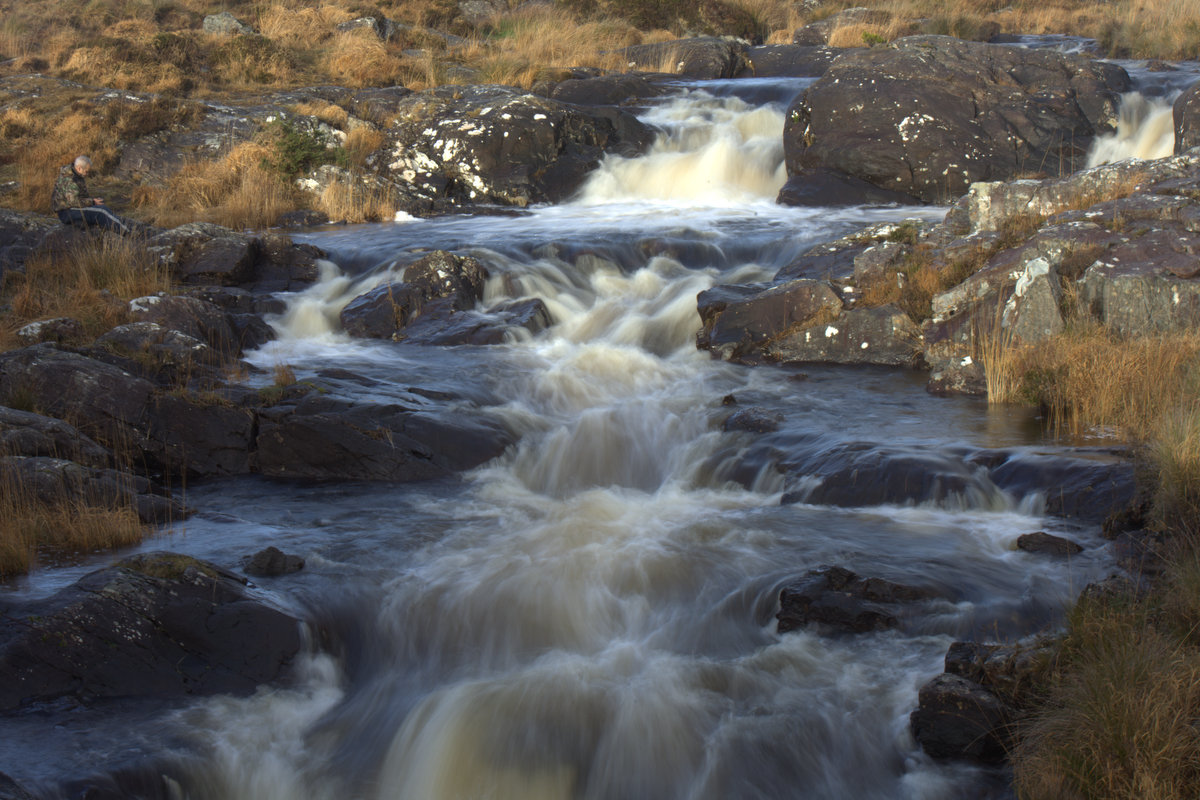
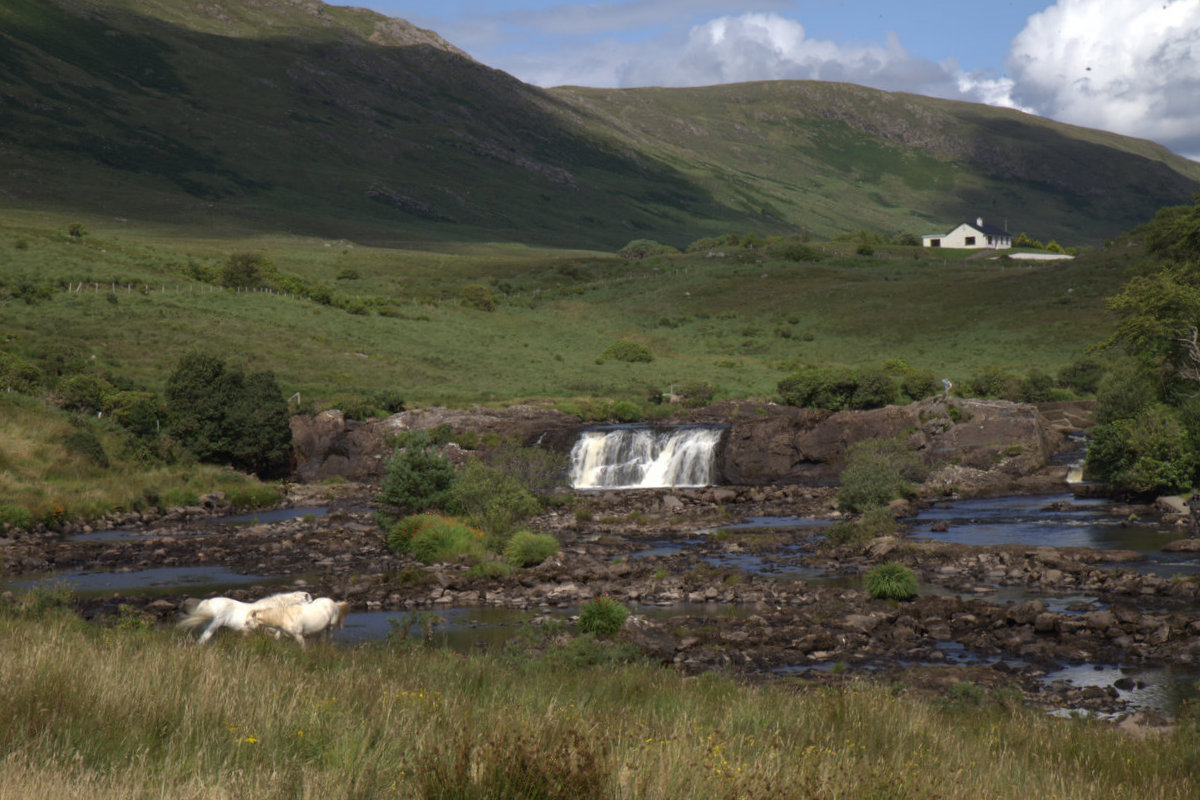
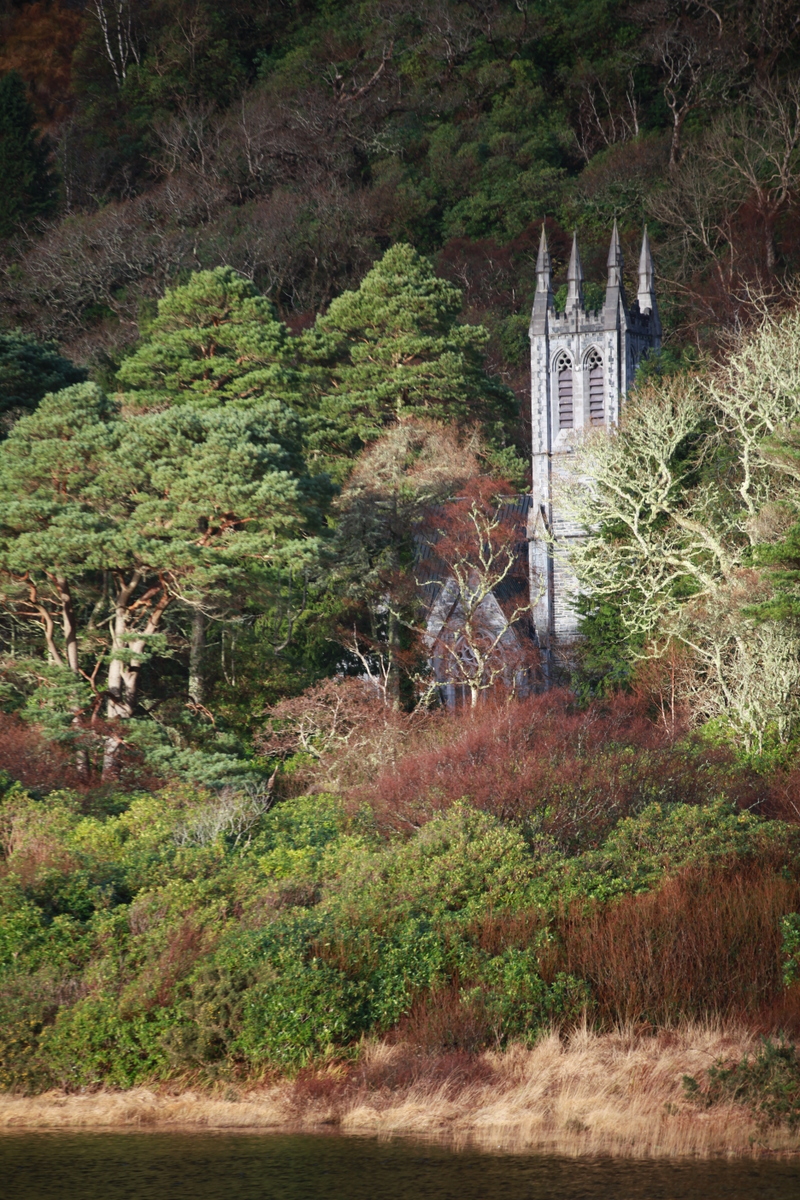
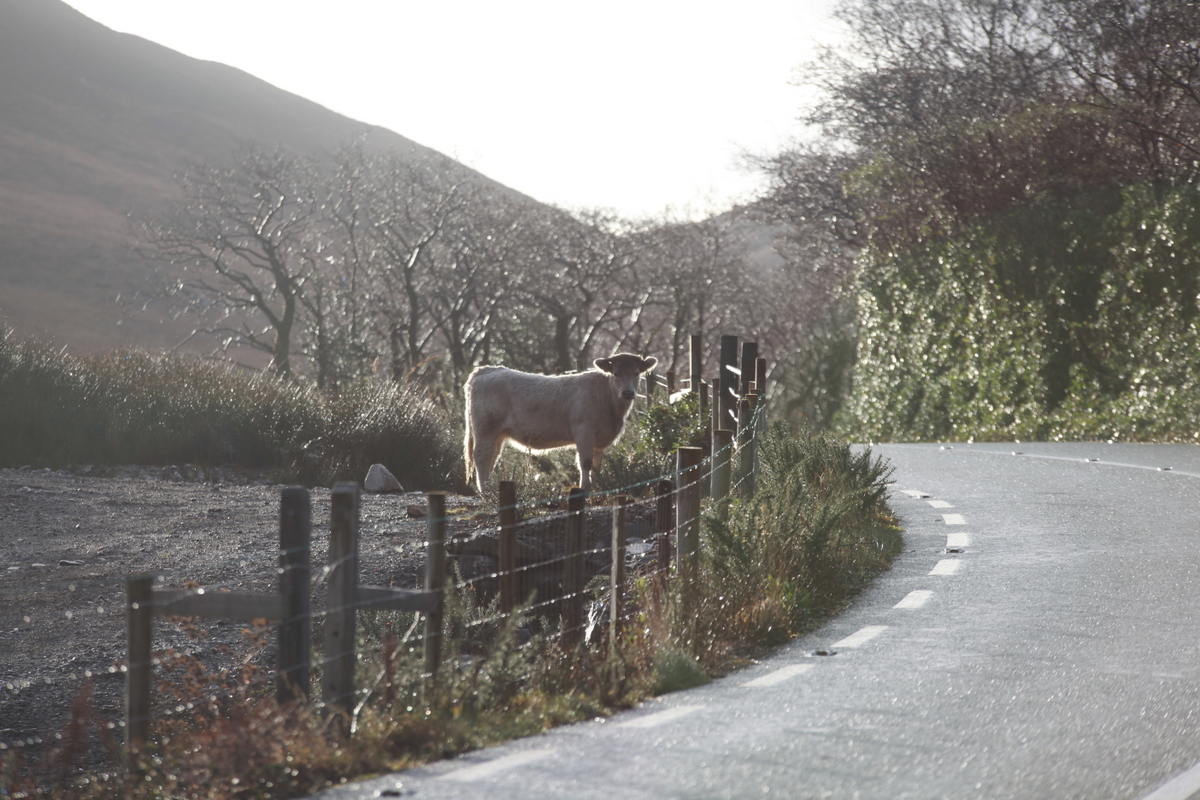
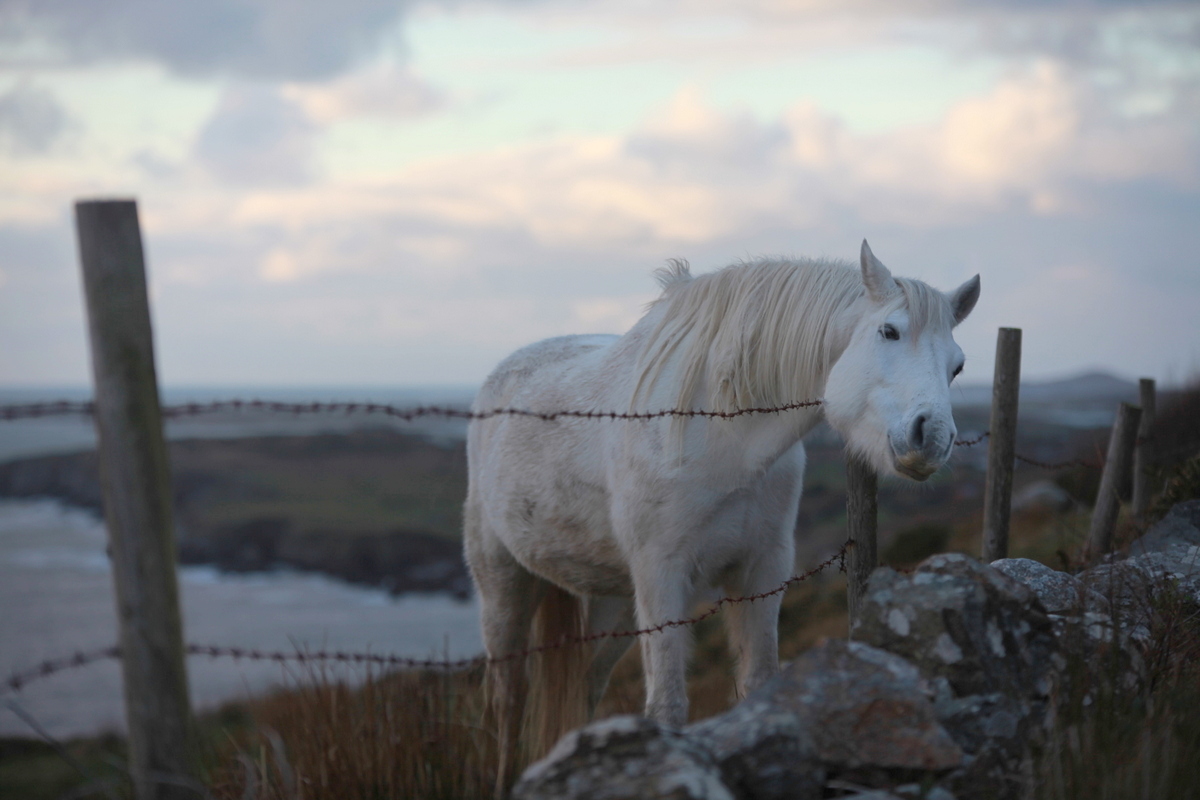
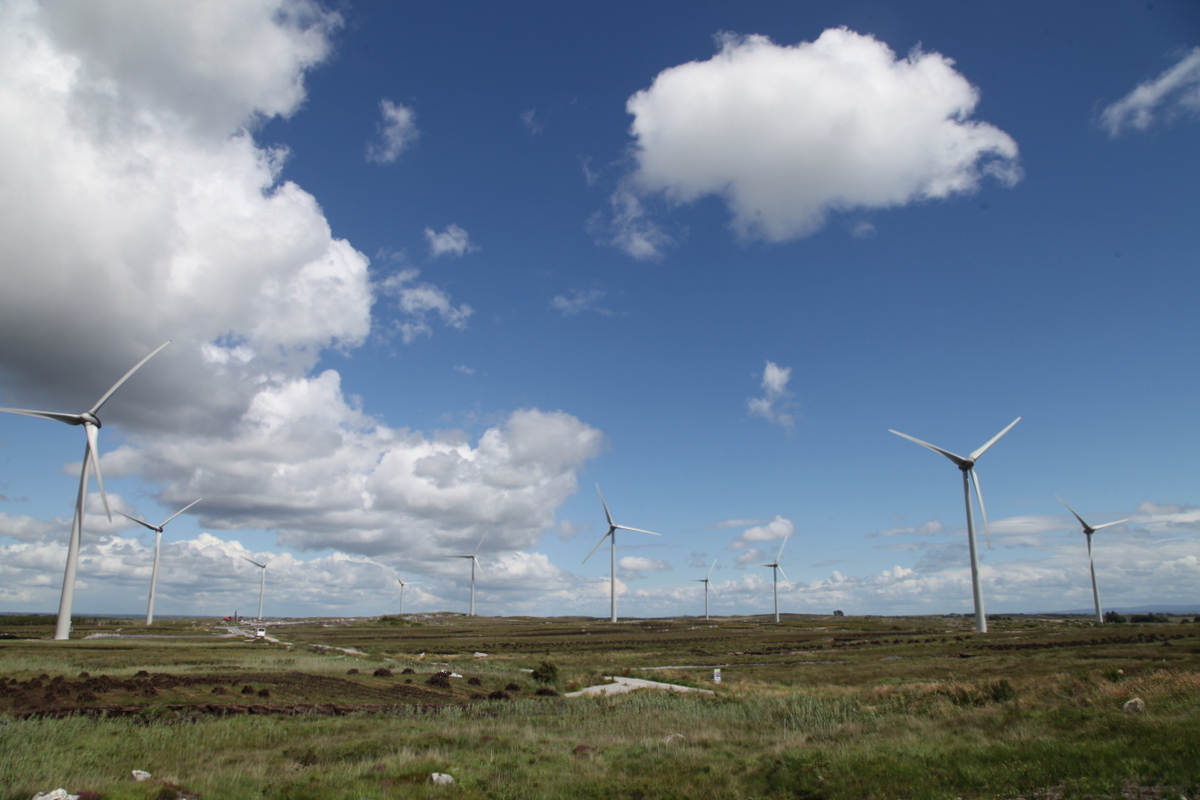
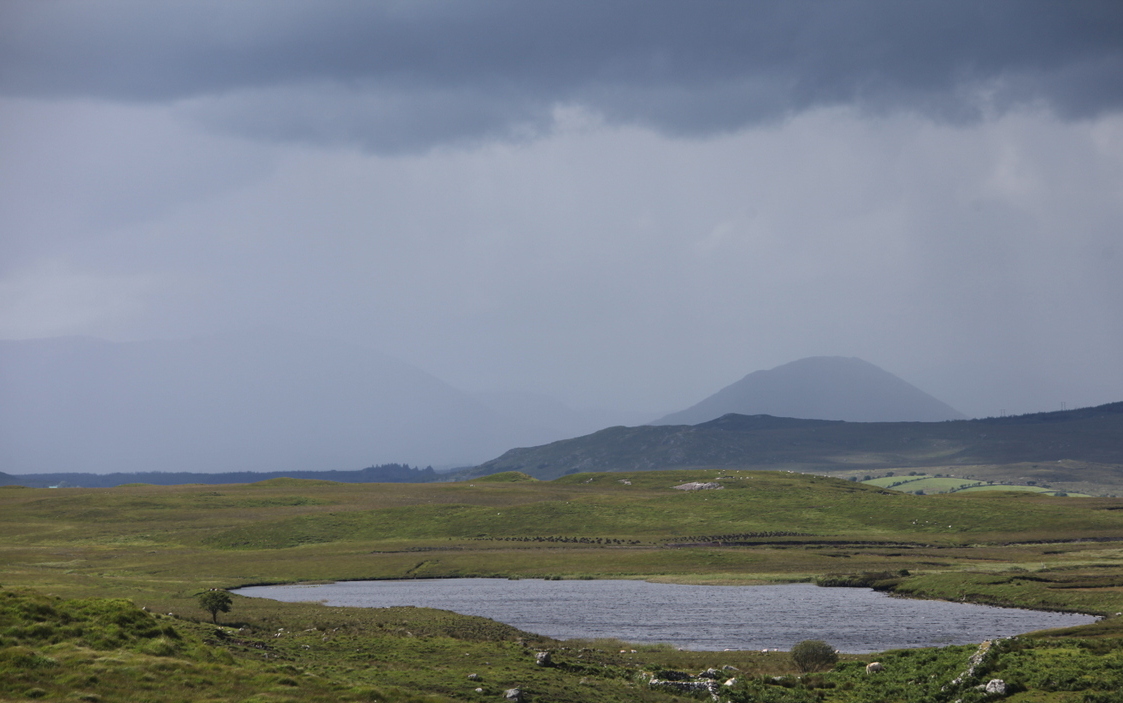
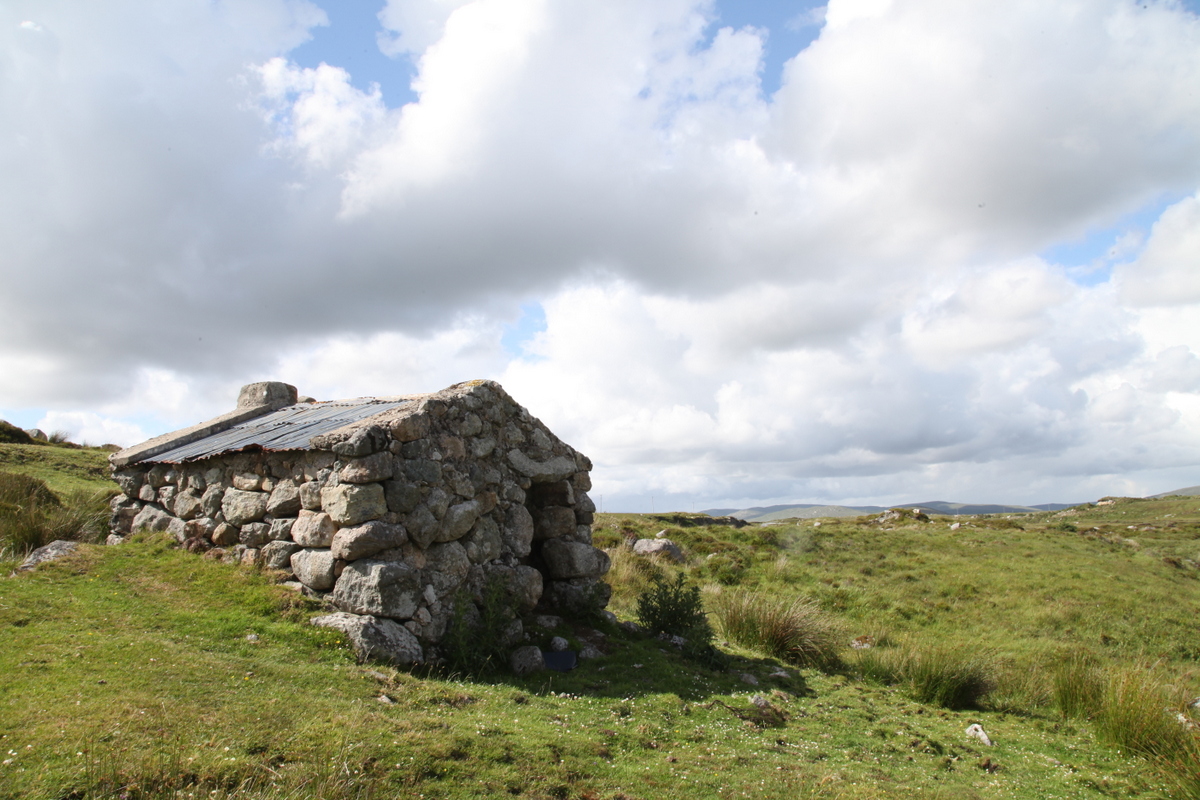
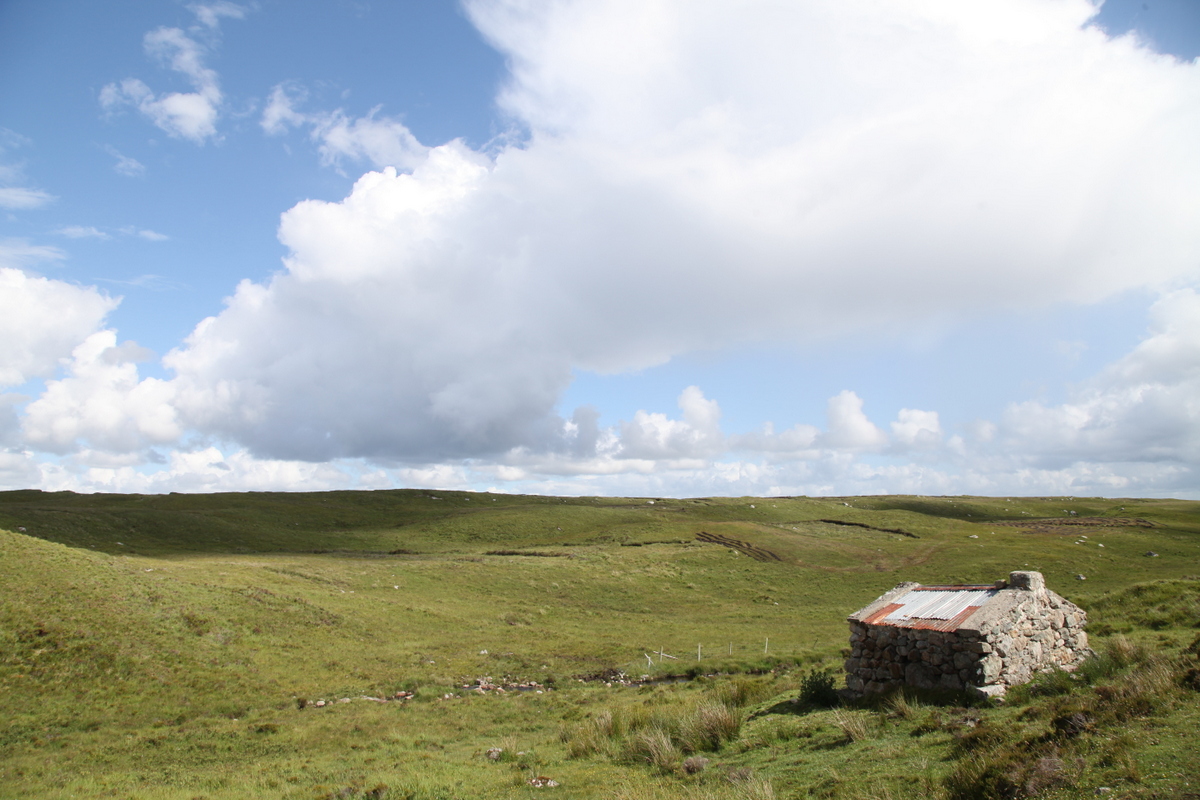
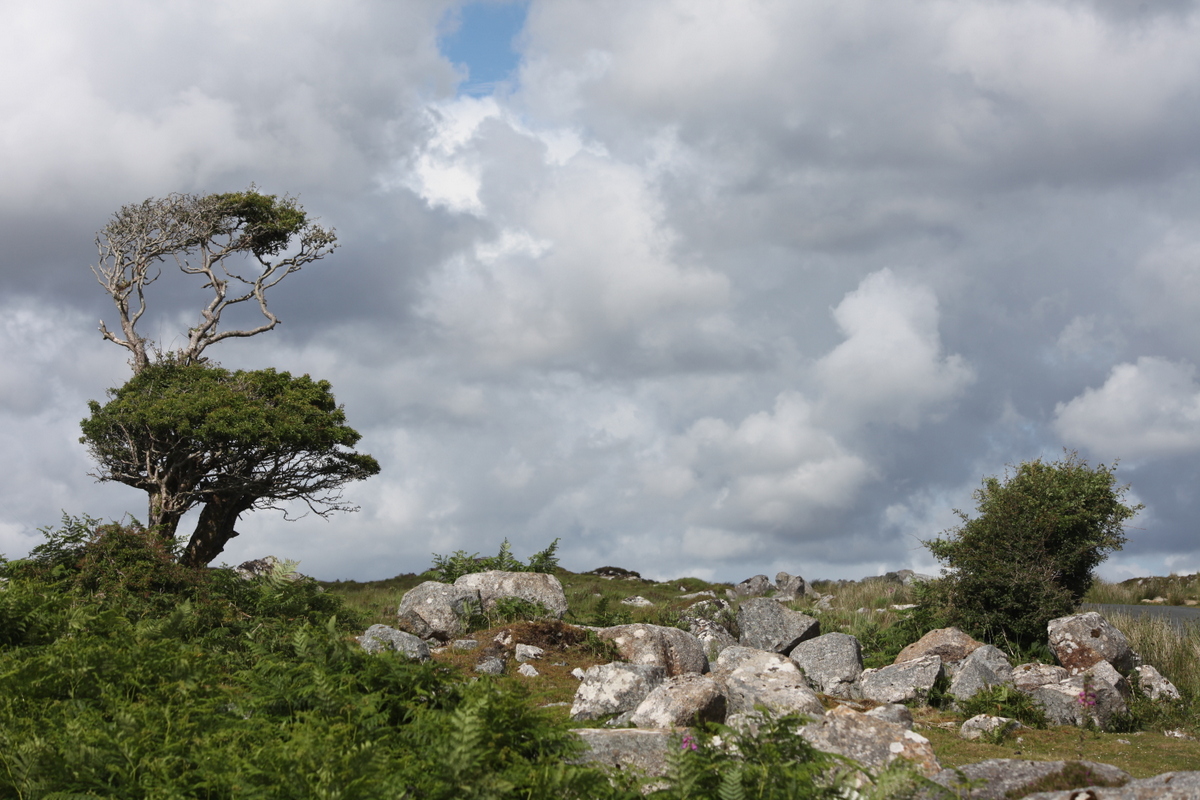
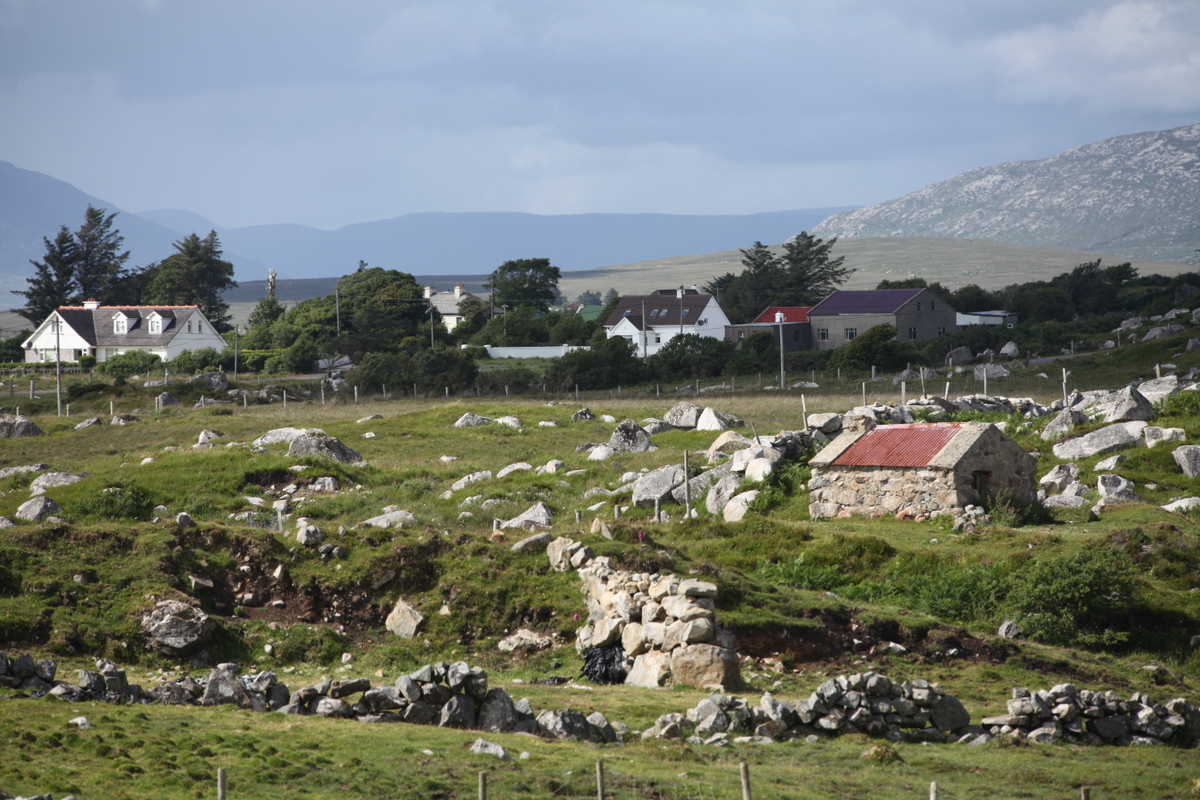
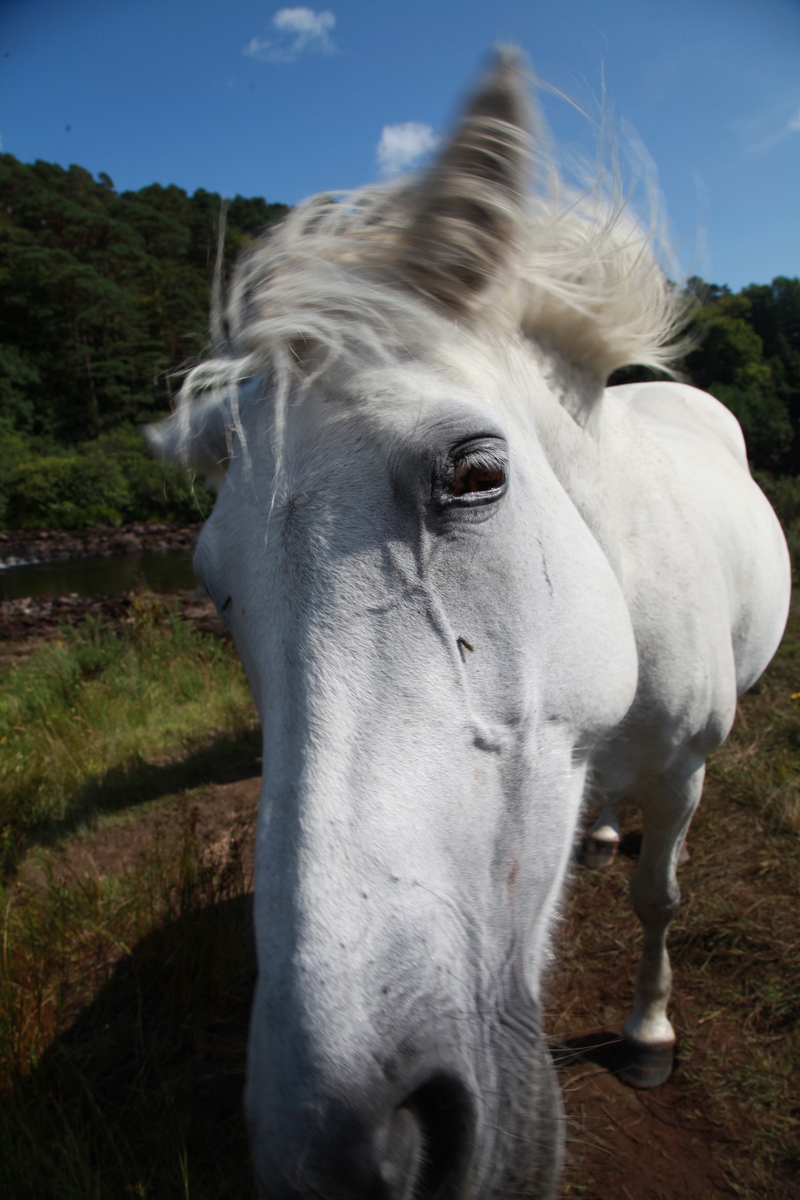
My first visit was in June in the height of summer, then again in August and most recently in December. As the mood changes with the arrival of the sun, so it changes with the seasons. In summer shades of green and grey predominate as the lush grass covers the slopes. In winter it turns to stark reds and browns but is no less beautiful. These photos (I know there’s a lot but it was hard to leave any out) I hope capture the things that make Connemara special to me – the rugged landscapes, the birds, the ponies, the placid lakes, mist, snow, rocks, bogs, turf and the built landscape, from stone walls and shepherd’s huts to Abbeys. But they also serve as a warning that we must do what we can to preserve such treasures. I was shocked to see the encroachment of wind farms into this wilderness.

I will return to Connemara.

IMG_2525 IMG_2426 IMG_2515 IMG_2662 IMG_2670 IMG_2698 IMG_2719 IMG_2723 IMG_2876 IMG_2953 IMG_2958 IMG_2964 IMG_2972 IMG_2981 IMG_2982-001 IMG_2989 IMG_2993 IMG_2996 IMG_3000 IMG_3003 IMG_3004 IMG_3013 IMG_3019 IMG_3023 IMG_3029 IMG_3035 IMG_3051 IMG_3053 IMG_3059 IMG_3065 IMG_3081 IMG_3085 IMG_3106 IMG_3113 IMG_3126 IMG_3142 IMG_3159 IMG_3162 IMG_3174 IMG_3212 IMG_3220 IMG_3245 IMG_3293 IMG_3298 IMG_8150 IMG_8152 IMG_8225 IMG_8241 IMG_8246 IMG_8301 IMG_8307 IMG_8360 IMG_8364 IMG_8387 IMG_8405 IMG_8415 IMG_8417 IMG_8421 IMG_8432 IMG_2951 IMG_2949 IMG_2948 IMG_2936 IMG_2935 IMG_2932 IMG_2931 IMG_2919 IMG_2633


Categories: Wild Ireland | Tags: , , , , , , , | 6 Comments

The Burren, Again.

The Burren in the north of Clare has an indefinable pull.  I can’t stay away.

When Geraldine, schoolteacher friend, asked me if I wanted to accompany her and the kids from her school at Doora near Quin on a hike through the Burren, I was a bit unsure. Didn’t sound all that exciting but I have made it a rule not to say no to anything since I’ve been here. So I agreed. I’m really glad I did.

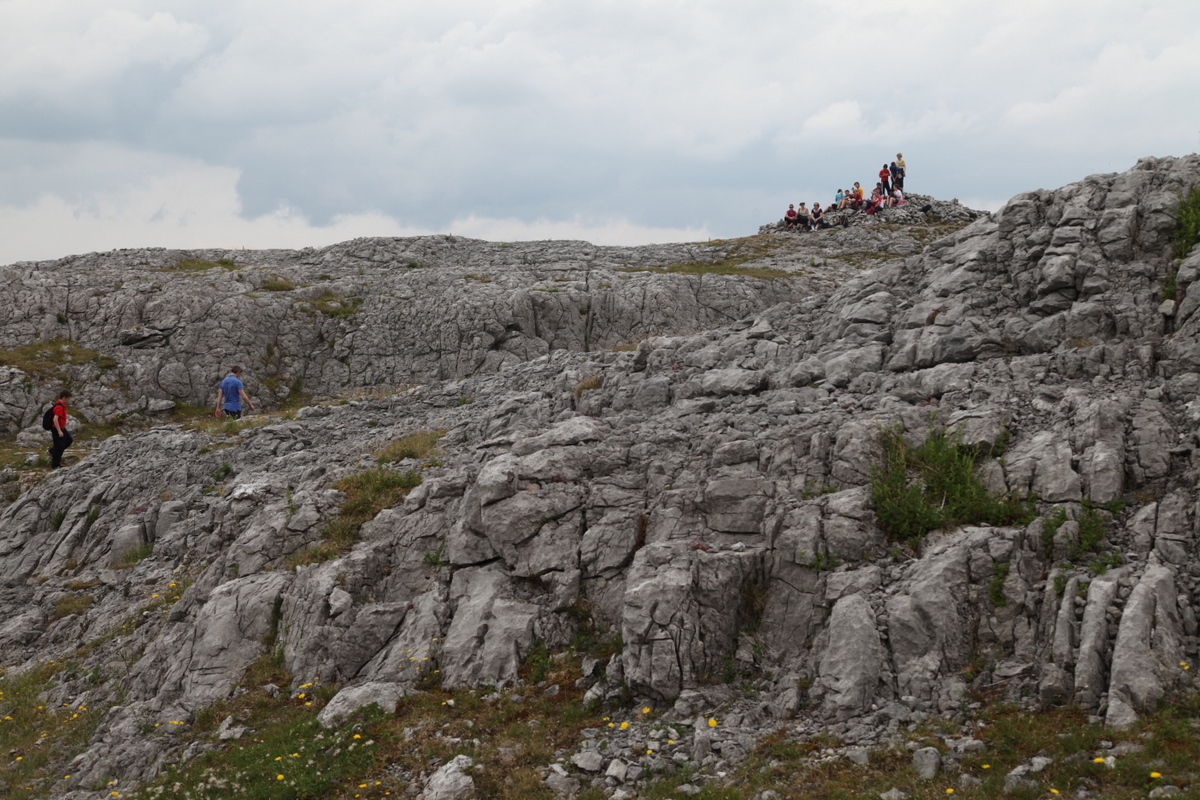
The day did not start out too promising. I met Geraldine after a couple of false starts at 11:00am and four carloads of kids from 5th and 6th class with a handful of parents and teachers met at Crag Road, the start of our linear hike. We had hoped to use the National Park free bus service but times did not work so some cars were dropped over to Coolorta Cross, the end of the hike. By 11:45am we were on our way!

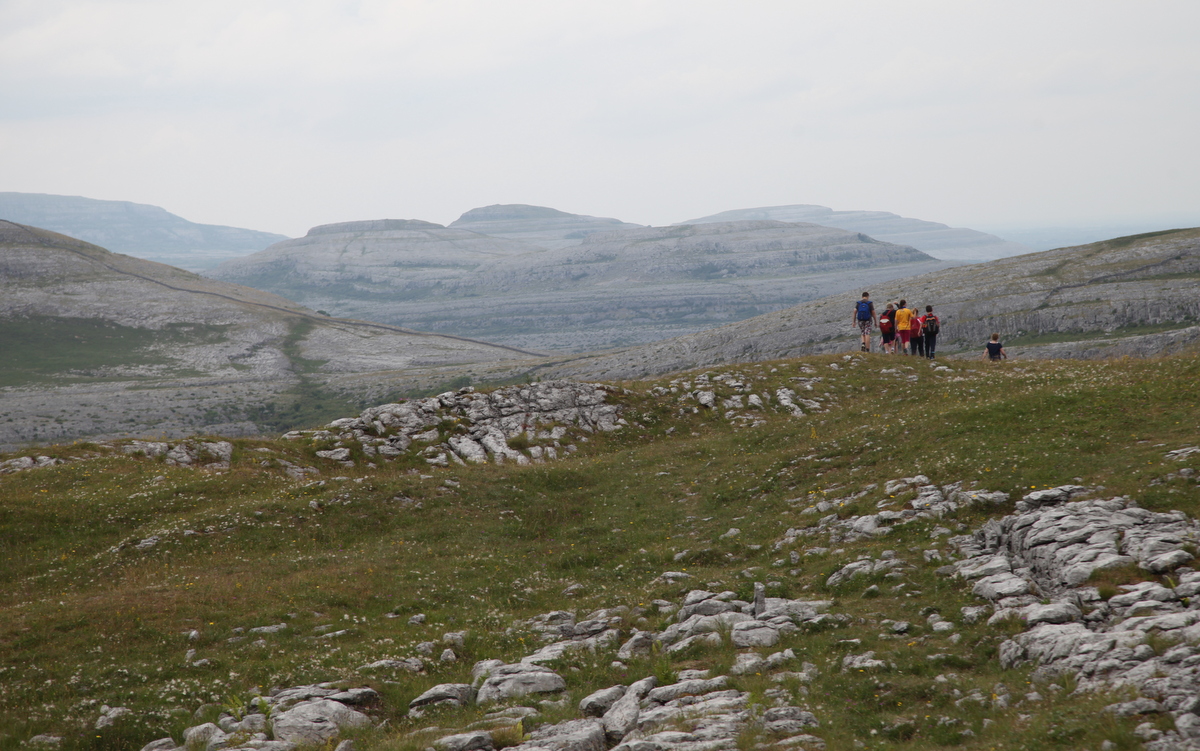
The weather was overcast but dry though rain was predicted (of course). The plan was to head up to Mullaghmore and then across to the next mountain (well they are technically hills) knows as Sliabh Rua. Wasting no time the kids headed out along the trail leaving me and a couple of stragglers in their wake. We caught up eventually (well I think they waited for me) and with barely time to catch my breath I found myself giving a talk on the unique geology that is the Burren.  After a month in Clare I was an expert on the Burren geology. Well the kids thought so. Some of them were surprisingly up to speed while others hadn’t even stepped foot on the Burren before.

We continued the climb along the ridge beneath the first cliff and I kept stopping to look at the amazing fossils and rock formations and to take photographs so of course we got further behind. By this time I was left with just one boy who delayed me further as I stopped to answer the non stop stream of questions and comments about what he was seeing. It was great to see this unbridled curiosity and his eyes opening to what was around him. Eventually we rejoined the group.

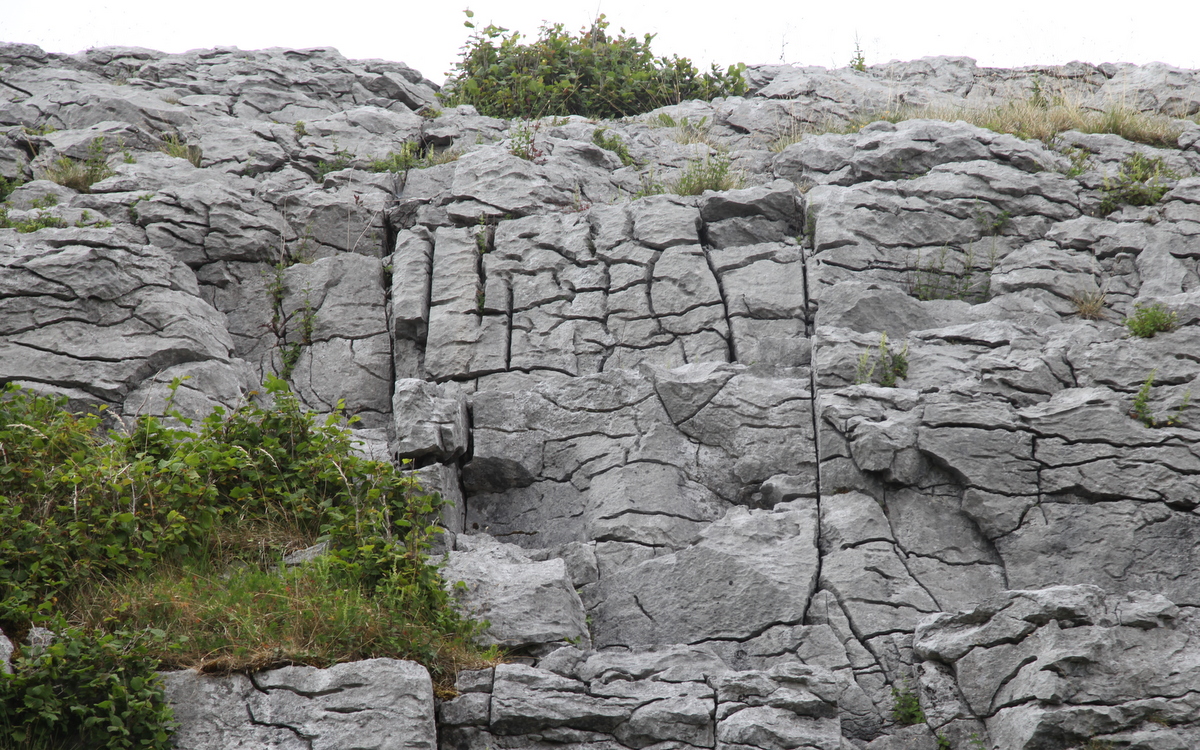
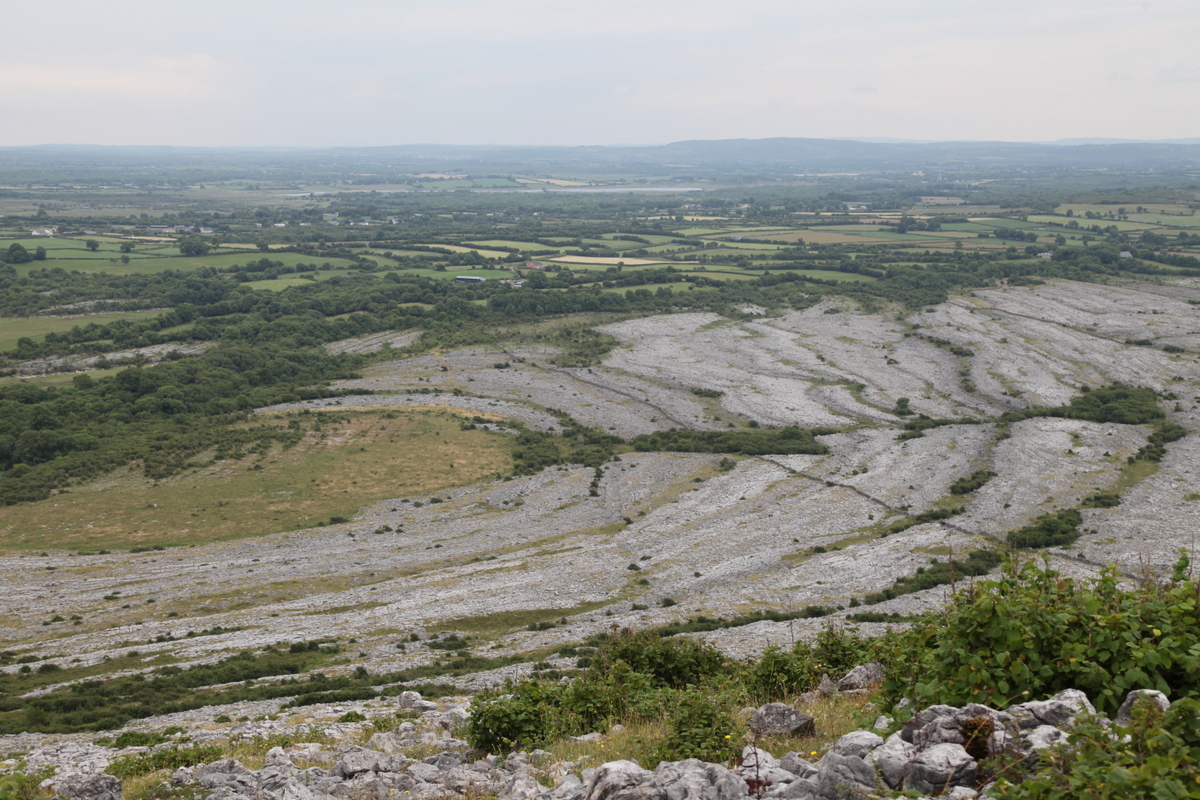
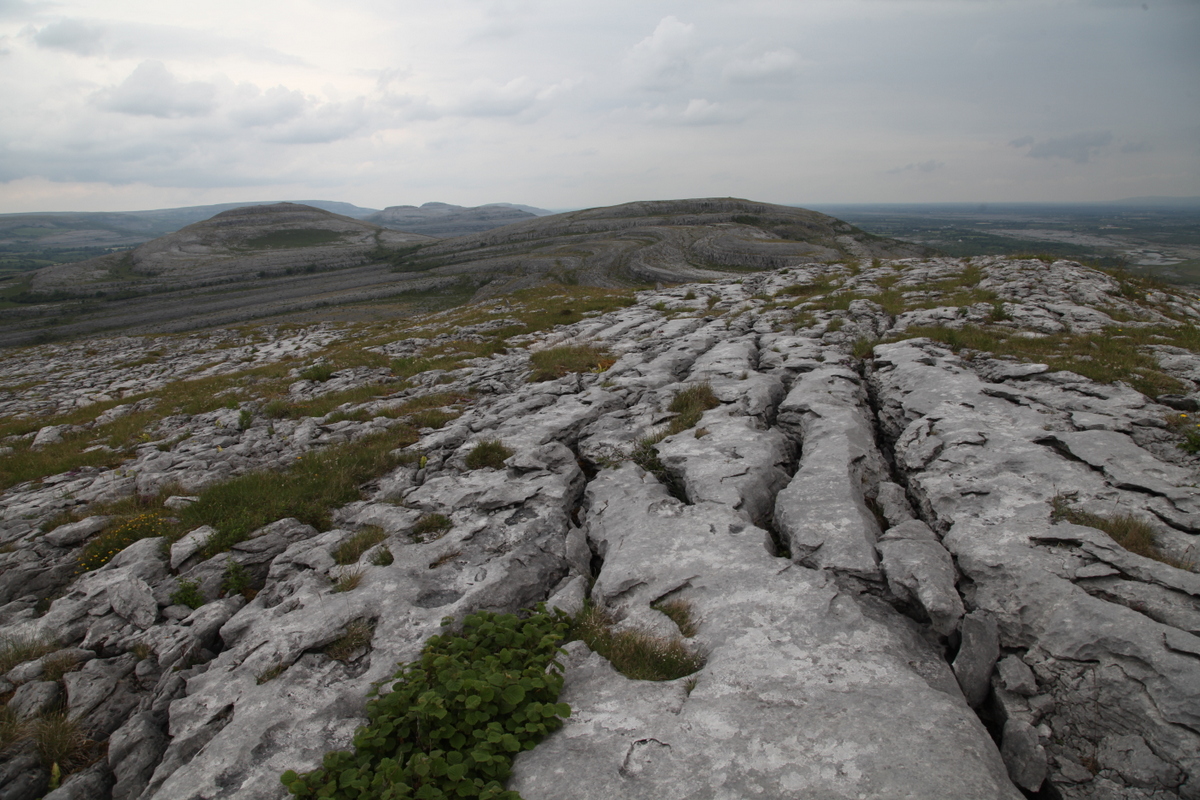
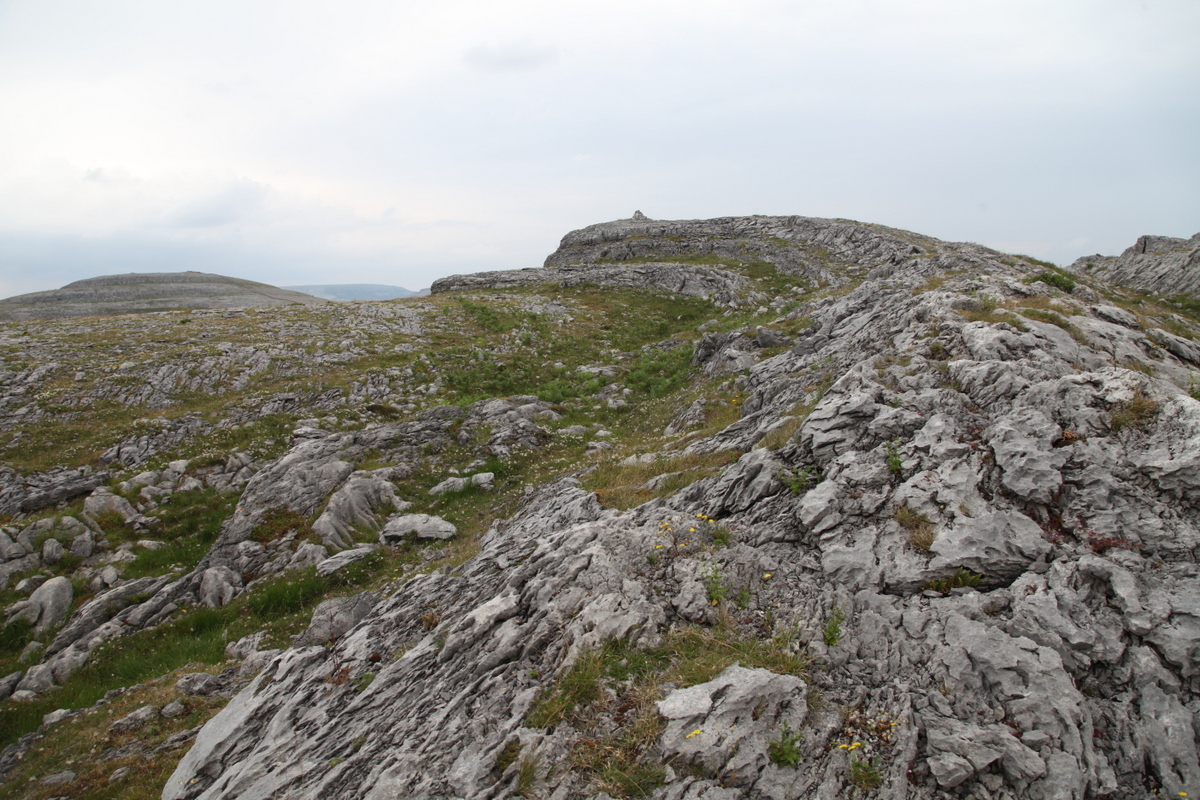
As we were on a deadline and I was slowing them down, we agreed they would go ahead and I proceeded at my own pace. I was in awe of the scenery at the top. Limestone bands twisted into gentle folds ran in sinuous waves across the barren treeless landscape. With the dull light it had a mysterious mystical quality reinforced by the clarity of the eerie silence. Truly a breathtaking place. In the distance I could see the group had reached the top of Sliabh Rua and were now proceeding down so I followed the contours around the mountain and attempted to re-join them. Distances are deceptive up here. It was a fairly treacherous descent over boulders and scree formed from jagged limestone. Every foot had to be carefully placed so there was no rushing. I would stop often to breathe in the view. A new vista around every corner. I never did catch them and I arrived at the cars about half an hour after the rest. We were lucky. The rain had held off.

I was mightily impressed with the whole day. The kids behaved impeccably and were a credit to their school.

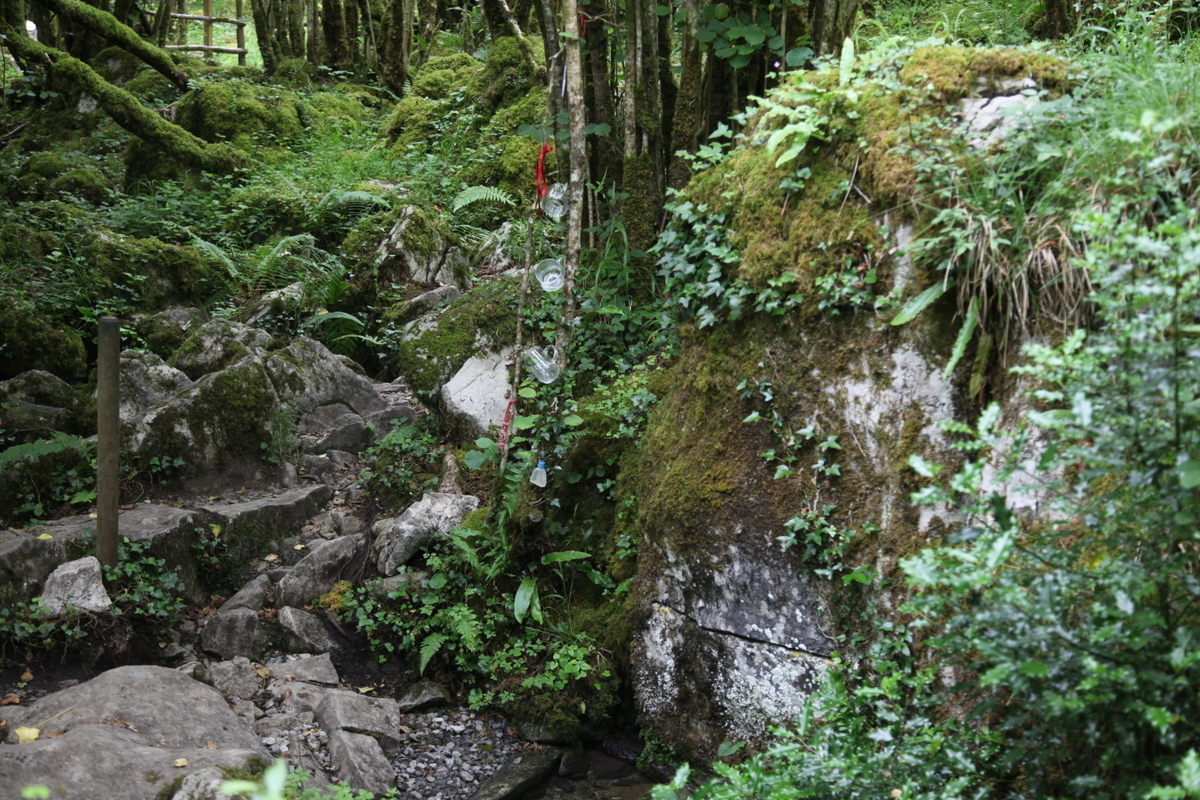
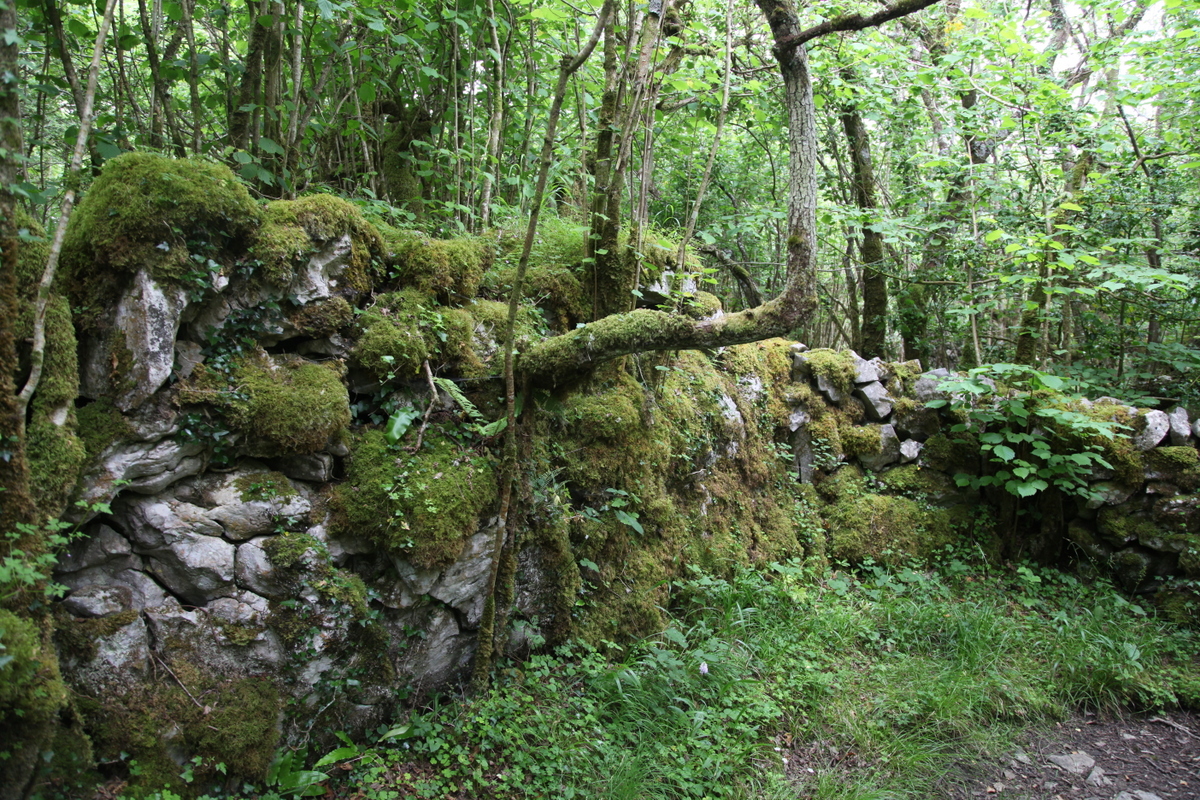
Once they had left, Geraldine wanted to show me more of the Burren, a place she clearly loves, so we headed along another track to a Holy Well. I had never seen one before. This was a natural spring coming out of the base of a moss covered rock. Nestled in a dark cool glade which felt as ancient as it probably was. It would not have surprised to see fairies darting about!  There were cups hanging from a string inviting you to partake and there were ribbons hanging from nearby branches, perhaps some sort of offering.   An elliptical walled area a few metres across was apparently an ancient bath which was used for ritual bathing. It takes a while to get one’s head around the fact that this place may have been used by our predecessors up to 5,000 years ago.

The magic of the place was having an effect. We walked back along the track to see a car driving up the lane. I did not recognise the occupants but Geraldine did. There was P.J. Curtis (the eminent writer/record producer/broadcaster/historian) and Maurice Lennon (fiddling legend from Stockton’s Wing). I was introduced to them and they couldn’t have been nicer. We ended up back in P.J.’s house in Kilnaboy (built in 1770, the year Cook landed in Australia) listening to Maurice play tunes from ‘Light in the Western Sky’ (one of my favourite albums) and then some gorgeous airs including one of his own on his Viola. I had to keep pinching myself. P.J. gave us a tour of his Forge which was full of original equipment. It was the conclusion to a wonderful day.

If you go with the flow in this extraordinary country then extraordinary things happen.


IMG_6374

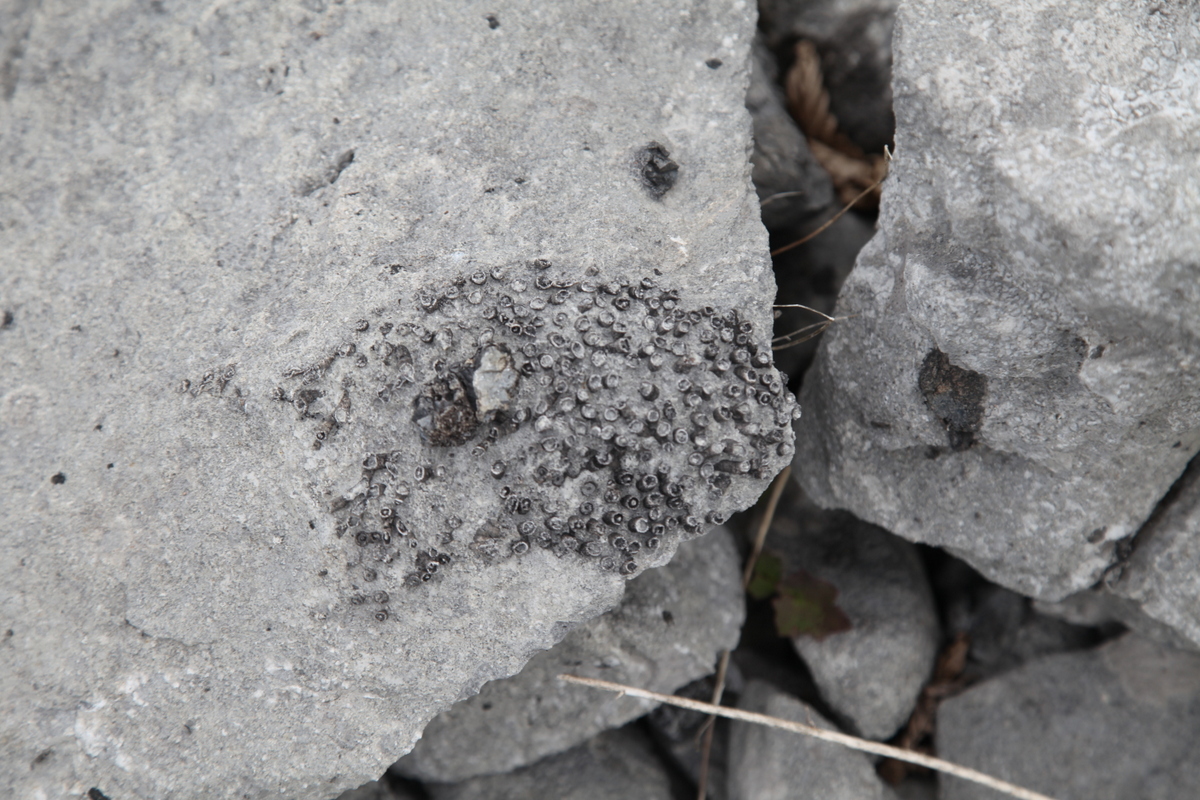
Burren Limestone with fossil coral

IMG_6383

Some of the wildlife in the Burren

IMG_6384

Geometric patterns etched in the cliff face. The Burren

IMG_6386

A large fossil coral colony. The Burren

IMG_6394

On the way up to Mullaghmore

IMG_6396

Pausing for a breather.

IMG_6397

the view from the top

IMG_6404

Heading across to Sliabh Rua

IMG_6413

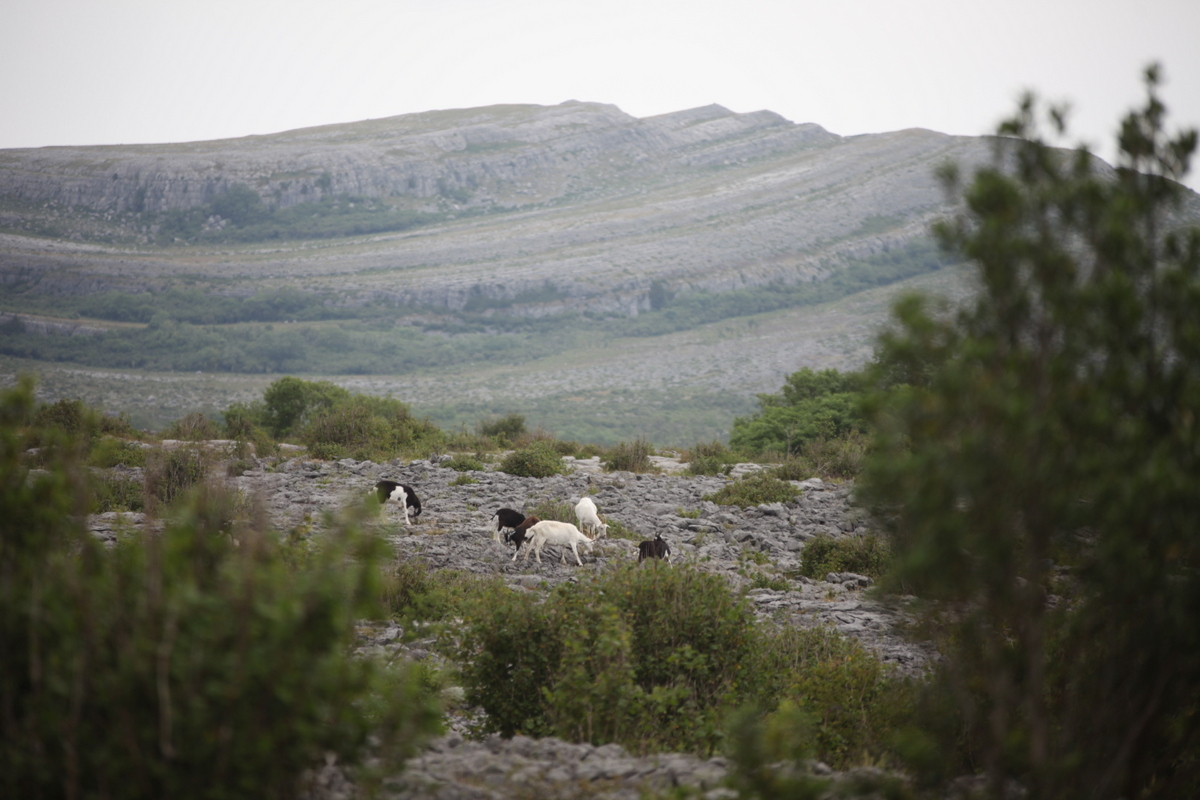
Spectacular landforms that make up the Burren

IMG_6420

Twists and contortions in the limestone layers on Mullaghmore

IMG_6424

One last cliff on the ascent of Sliabh Rua

IMG_6433

Looking back from Mulalghmore

IMG_6435

Gentle folds in limestone, Mullaghmore

IMG_6449

Cairn, Mullaghmore, the Burren

IMG_6460

The descent from Mullaghmore

IMG_6467

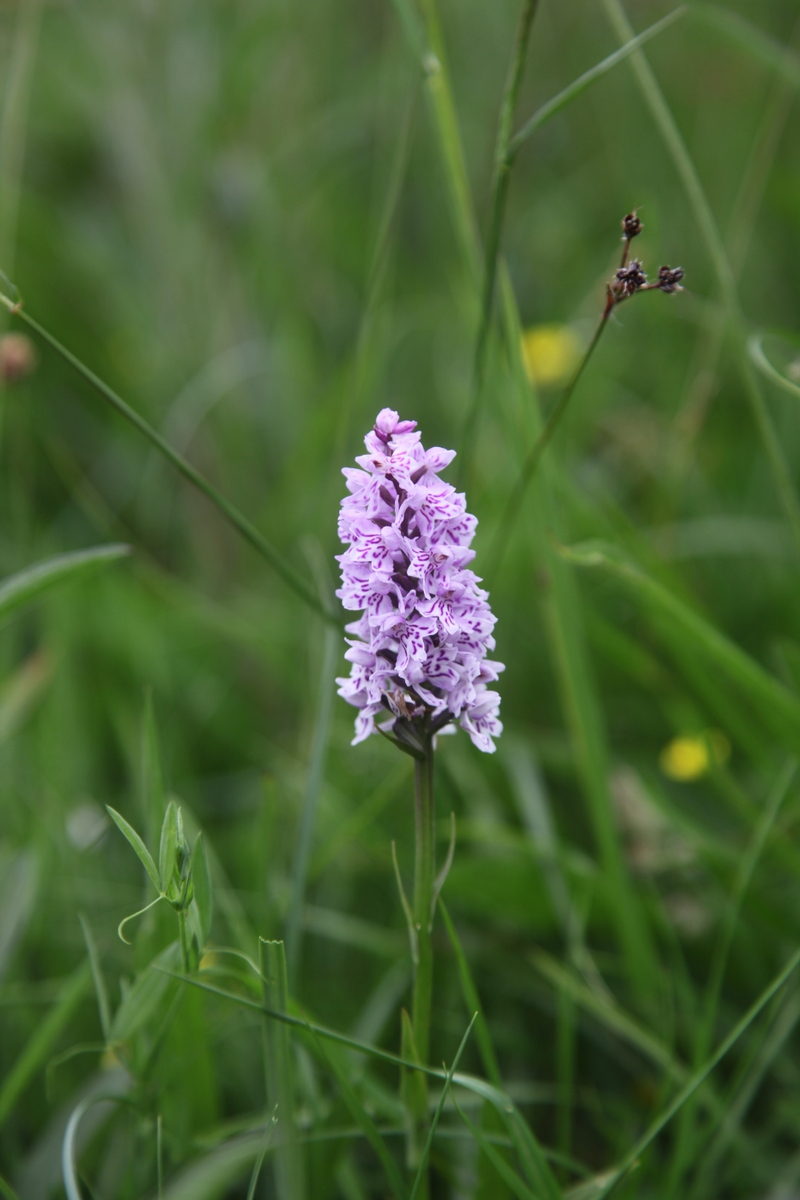
Native orchard, the Burren

IMG_6473

Limestone plain at the foot of Mullaghmore

IMG_6478

Returned safely

IMG_6493

Holy Well, the Burren

IMG_6495

Moss covered walls of an ancient bath, Holy Well, the Burren

IMG_6509

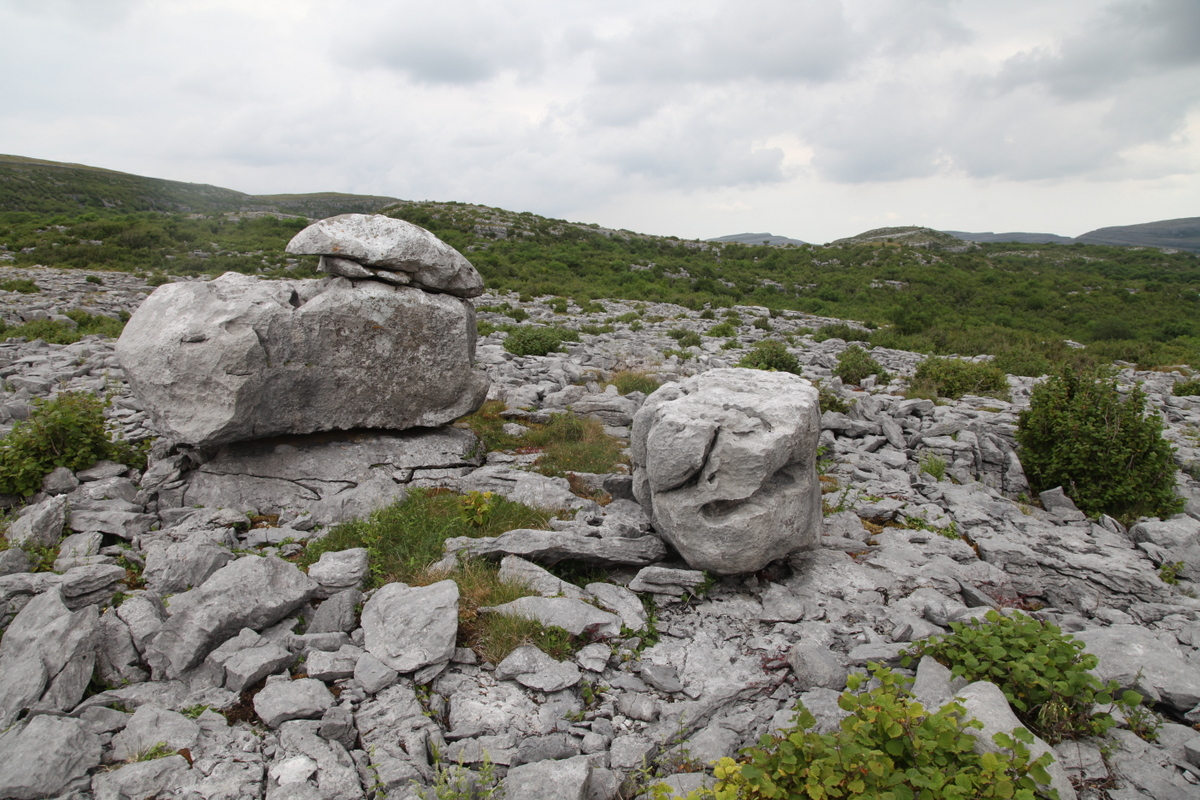
Glacial erratics, dumped at the end of the last ice age. The Burren

IMG_6530

Meeting Maurice Lennon in the middle of nowhere

IMG_6539

Mullaghmore. A distant view

IMG_6565

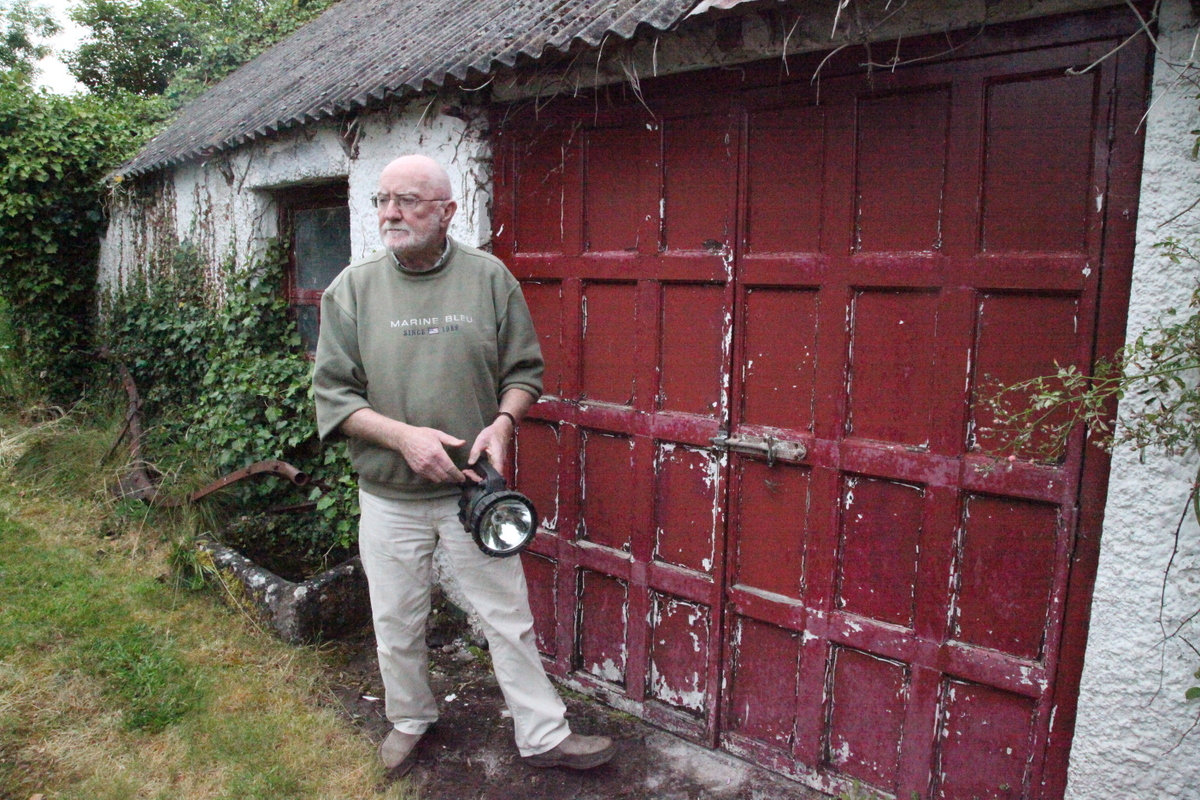
PJ Curtis outside the Old Forge at Kilnaboy


Categories: Wild Ireland | Tags: , , , , , , , | 6 Comments

Blog at WordPress.com.